How to Get a Siamese Cat Used to a Harness
The idea of taking your agile, intelligent Siamese cat out for a stroll can be incredibly appealing. You picture them enjoying the fresh air, exploring new scents, and getting some much-needed mental stimulation. But then reality hits: trying to put a harness on a cat, especially one as opinionated and clever as a Siamese, can feel like an Olympic sport. They might wriggle, freeze, or give you the dirtiest look imaginable, leaving you wondering if it's even worth the effort. This guide will help you navigate the process of getting your Siamese cat not just to tolerate, but genuinely enjoy, wearing a harness, opening up a whole new world of safe outdoor adventures.
Why Consider a Harness for Your Siamese Cat?
You might be thinking, "Cats are supposed to be independent, why force a harness on them?" It's a valid question, and for some cats, it simply might not be their cup of tea. However, for a Siamese cat, known for their boundless energy, insatiable curiosity, and high intelligence, a harness can be a fantastic tool for enrichment and safety. These aren't your typical couch potato felines; they thrive on interaction and mental challenges.
Providing Safe Outdoor Enrichment
Let's be real, keeping a Siamese cat entertained indoors 24/7 can be a full-time job. They're constantly seeking novelty and engagement. Offering them supervised outdoor time via a harness and leash provides a whole new dimension of sensory input. Think about it: new smells carried on the breeze, the feel of grass under their paws, the rustle of leaves, the chirping of birds – it's a symphony for their senses that no indoor environment can fully replicate. This isn't about letting them roam free; it's about controlled, enriching exploration that keeps them mentally sharp and physically active. For a breed that can get bored quickly, this can be a game-changer. Enrichment for a Siamese Cat That Gets Bored in an Hour discusses other ways to keep them engaged.
Beyond the mental stimulation, there's the physical aspect. While indoor play is vital, short, controlled walks can offer different forms of exercise. It's not about covering miles; it's about letting them dictate the pace, sniff around, and climb a small tree stump if they're so inclined. This varied activity can contribute to their overall fitness and prevent boredom-related behavioral issues, such as excessive vocalization or destructive tendencies, which Siamese cats are certainly capable of when under-stimulated.
Ensuring Safety and Preventing Escapes
One of the biggest concerns for any cat owner considering outdoor access is safety. Free-roaming cats face numerous dangers: traffic, predators, poison, aggressive animals, and even getting lost. A harness and leash eliminate many of these risks by keeping your Siamese cat close and under your direct control. Their inquisitive nature means they might dart off after a bird or a rustling leaf, and a harness ensures you can gently guide them back to safety.
Furthermore, Siamese cats are notorious for their agility and ability to squeeze into tight spaces or scale fences. Even if you have a "catio" or a secure backyard, there's always a chance for an unexpected escape. A properly fitted harness, combined with your vigilant supervision, adds an extra layer of security, especially when you're introducing them to a new environment or an unfamiliar area. It's not just about protecting them from external threats, but also about protecting them from their own adventurous spirit when it leads them into trouble. Whether a Siamese Cat Would Survive Outdoors delves into the risks of unsupervised outdoor access.
Selecting the Right Harness for Your Siamese
Choosing the right harness is probably the most crucial step in this whole endeavor. A bad fit means discomfort, frustration, and a higher chance of your clever Siamese wiggling out of it faster than you can say "treat." You need something secure, comfortable, and, ideally, something they can't easily chew through.
Understanding Different Harness Types
When you start looking, you'll notice two main types of harnesses: the H-style and the vest-style. Each has its pros and cons, and what works best often depends on your individual cat's build and preferences.
The H-style harness is essentially a series of straps that form an "H" shape on your cat's back. They're typically lighter and less bulky, which some cats prefer, especially if they're new to harnesses or are sensitive to heavy fabrics. They fasten around the neck and behind the front legs. While they offer good freedom of movement, the downside is that a determined and flexible Siamese might be able to back out of them if the fit isn't absolutely perfect, or if they panic. You can find many affordable options for these on platforms like Amazon.
Vest-style harnesses, on the other hand, cover a larger area of your cat's torso, like a little jacket. They often fasten with Velcro, buckles, or both. These tend to be more secure and are much harder for a cat to slip out of because the pressure is distributed more widely across their body, rather than just on thin straps. The trade-off is that they can be bulkier, heavier, and might make some cats feel more restricted, especially in warmer weather. However, for true escape artists or for those who want maximum security, a vest harness is often the way to go. A quick search on Amazon will bring up countless options, often with helpful reviews from other cat parents.
Ensuring a Proper and Comfortable Fit
Regardless of the style you choose, the fit is everything. A harness that's too loose is an escape risk, and one that's too tight will cause chafing, discomfort, and might even restrict movement, leading to your Siamese absolutely hating the experience.
Here’s the golden rule for fitting a cat harness: you should be able to comfortably slip two fingers under any strap. This applies around the neck and behind the front legs. If you can fit more than two fingers, it's too loose. If you struggle to get two fingers in, it's too tight. Pay particular attention to the area behind their front legs; this is a common spot for chafing if the harness is ill-fitting. Many harnesses are adjustable, allowing you to fine-tune the fit. If you're buying online, measure your cat's neck and chest girth carefully, and compare it to the manufacturer's size chart. Don't just guess based on their weight – Siamese cats are naturally slender, but sizes can vary between brands. It’s also wise to check the material; look for soft, breathable fabrics that won't irritate their sensitive skin.
Table: Harness Types Comparison
| Feature | H-Style Harness | Vest-Style Harness |
|---|---|---|
| Description | Straps form an "H" shape on back, around neck & chest | Broader fabric panel covers more of the torso |
| Pros | Lightweight, less bulky, good freedom of movement | More secure, harder to escape, distributes pressure well |
| Cons | Easier for flexible cats to slip out of, pressure points | Can be bulkier, heavier, may feel more restrictive |
| Ideal For | First-timers, cats sensitive to bulk, short walks | Escape artists, longer explorations, maximum security |
| Comfort Tip | Ensure straps don't rub armpits | Choose breathable fabric, check for full range of motion |
The Acclimatization Process: Slow and Steady Wins the Race
This is where your patience will truly be tested, but trust me, rushing this stage is a recipe for disaster. Siamese cats are incredibly intelligent and observant. They'll pick up on your anxiety or impatience, making them even more wary. The goal here is to create positive associations and make the harness feel like a normal, non-threatening part of their daily life.
Introducing the Harness as a "Friend"
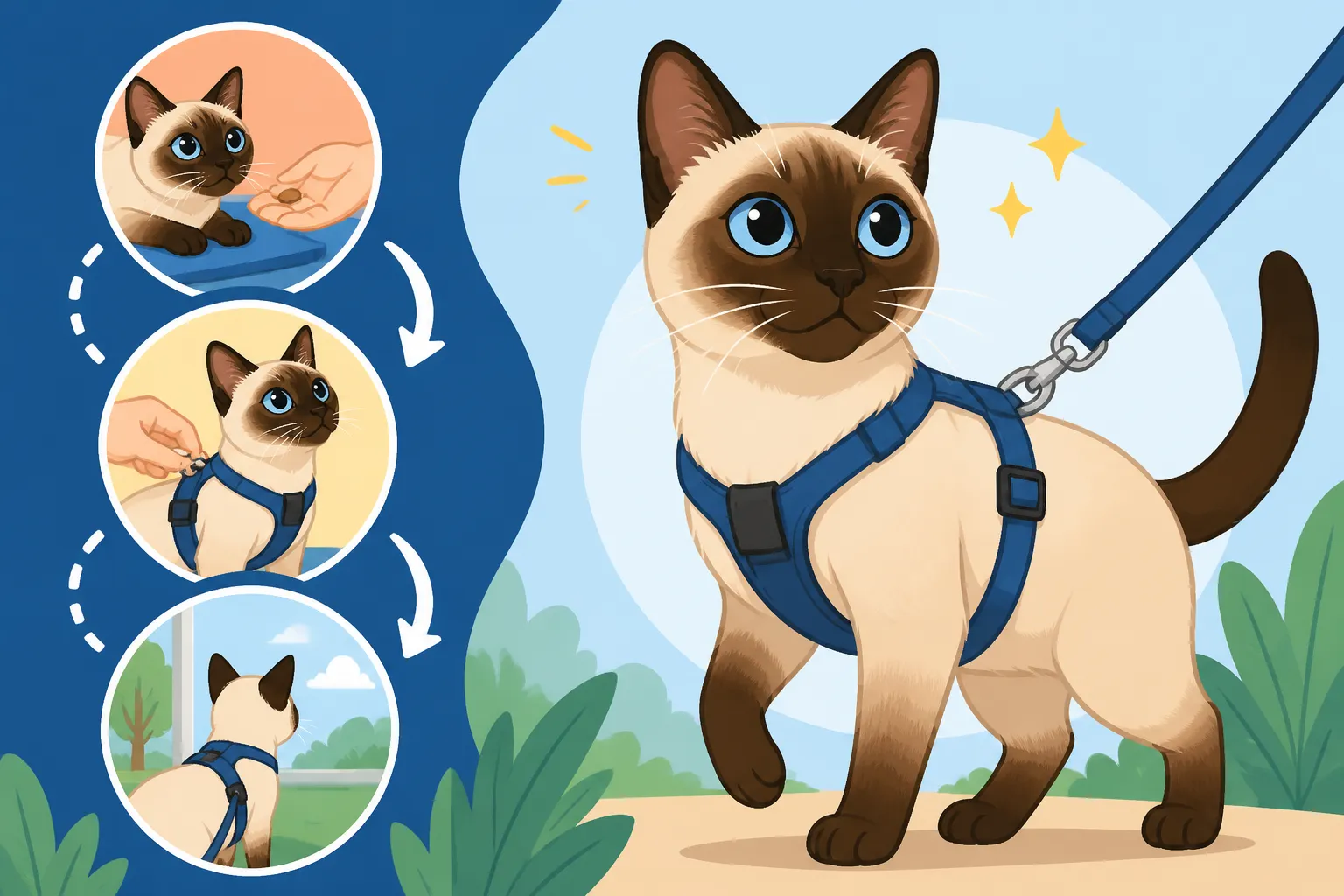
Start by simply leaving the harness out in an area your Siamese frequents – near their food bowl, favorite sleeping spot, or next to their scratching post. Let them sniff it, bat at it, and get used to its presence. Don't force anything. For a few days, every time you feed them or give them a special treat, place the harness nearby. The idea is to associate the harness with good things. You can even rub some catnip on it, if your Siamese is a fan, to make it even more appealing.
After a few days of passive exposure, try placing a treat on the harness. Let them eat it off the fabric. Then, try holding the harness while they eat. The key is to keep it low-pressure. You want them to view it as a neutral or even positive object, not a scary alien device. This initial stage might take anywhere from a few days to a week, depending on your cat's personality. Remember, a confident and inquisitive Siamese is more likely to accept new things if they feel in control.
Short, Positive Wearing Sessions Indoors
Once your Siamese seems comfortable with the harness's presence, it's time for the big step: actually putting it on. But again, keep it brief and positive. Start by gently putting the harness over their head (if it's an H-style) or wrapping it around their chest (if it's a vest). Fasten it quickly, give them a high-value treat immediately, and then let them go. The first session should be literally seconds long. Don't try to attach the leash yet.
They might freeze, flop over, or walk really strangely. This is completely normal! Resist the urge to laugh or reassure them too much, as this can inadvertently reinforce their discomfort. Just let them adjust. After a minute or two, depending on their reaction, gently take the harness off, and give them another treat and lots of praise. Repeat this process a couple of times a day, gradually increasing the duration of each session. Always end on a positive note, and always offer treats. The goal is for them to realize that wearing the harness isn't so bad, and it always leads to delicious rewards. You might find that some Siamese cats respond well to a favourite toy being introduced right after the harness goes on, distracting them into play. What Toys a Siamese Cat Actually Uses could give you some ideas.
When they are comfortable wearing the harness for a few minutes, introduce the leash. Let the leash drag freely while they walk around indoors, still in short sessions. This allows them to get used to the feel and weight of the leash without you actively pulling on it. Stay close by to prevent them from getting tangled or chewing on the leash. Once they're ignoring the leash dragging, you can start holding it and following them around indoors without applying any tension. The more you make this a positive, routine part of their day, the better.
Taking the First Steps Outside with Your Leash-Trained Siamese
Congratulations, you've made it through the indoor training! This is a huge milestone. Now comes the exciting part: supervised outdoor exploration. But just like with the harness itself, going outside needs to be a gradual, positive experience.
Practicing With the Leash Indoors
Before you even think about stepping paw outside, make sure your Siamese is completely comfortable with the leash indoors. This means they should be able to walk around with you holding the leash, and you should be able to gently guide them without them panicking or trying to escape.
Practice walking short distances in your home, gently guiding them with the leash. Use positive reinforcement: treats, praise, and gentle strokes. Don't pull or drag them. If they resist, stop, wait for them to relax, and then try again. The goal is for them to understand that leash pressure means to follow, not to fight. This indoor practice is also a great opportunity for them to learn some basic cues, like "come" or "let's go." How Well a Siamese Cat Walks on a Leash can offer further tips on this stage.
Remember, Siamese cats are super smart. They'll quickly learn what gets them rewards and what doesn't. Make sure every interaction with the harness and leash is positive, and they'll be more inclined to cooperate. If you notice any signs of distress or fear, scale back to an earlier, easier step.
Choosing the Right Environment for First Outdoor Excursions
When it's finally time to venture outside, the environment you choose is critical. Forget busy streets or bustling parks. You want somewhere quiet, enclosed, and familiar if possible. Your own backyard (if secure) or a very quiet, low-traffic green space are ideal.
The first few outdoor sessions should be incredibly short – just five to ten minutes. The goal isn't to walk a mile; it's to introduce them to the sights, sounds, and smells of the outdoors in a non-overwhelming way. Carry your Siamese outside and place them down. Let them explore at their own pace. Don't pull them along or force them to go anywhere they don't want to. Be their bodyguard, watching for anything that might startle them, like a barking dog or a loud car. If they seem overwhelmed, pick them up and bring them back inside. Always end on a good note.
Consistency is key here. Try to go out at the same time each day, if possible, when the environment is generally calm. Gradually increase the duration of your outings as your Siamese becomes more confident. Over time, you might be able to explore new, slightly busier areas, but always prioritize their comfort and safety. Think of it as building their outdoor confidence brick by brick.
Prioritizing Safety During Outdoor Adventures
Even with a perfectly fitted harness, outdoor adventures always come with risks. Your vigilance is paramount. Always double-check that the harness is snug before leaving the house. Consider getting an identification tag for the harness, just in case the unthinkable happens and they do slip away.
Be acutely aware of your surroundings. Keep an eye out for dogs, other cats, or anything that might spook your Siamese. If you see a potential threat approaching, pick your cat up or steer them away. Remember, they are a prey animal, and their instincts will kick in if they feel threatened. Never tie your cat's leash to a stationary object and leave them unattended, not even for a second. They can easily get tangled or choke.
Always bring water, especially on warmer days, and offer it frequently. Pay attention to the weather – extreme heat or cold can be dangerous for cats, especially the short-coated Siamese. Supervised outdoor time with a harness can be incredibly enriching for your Siamese, but it requires your full attention and commitment to their safety. It’s a partnership, and you’re their guide and protector in the big wide world.
Disclaimer
This article is for general informational purposes only and does not constitute professional advice. Laws, prices and regulations vary by location and change over time. Consult a qualified professional for guidance on your specific situation.