The Age Wool Sucking Starts in a Siamese Cat
One of the most perplexing and often frustrating behaviors a Siamese cat owner might encounter is wool sucking. It starts innocently enough, perhaps with a soft blanket, but can quickly escalate, leaving you wondering if your precious feline friend has an insatiable appetite for your favorite cashmere sweater or even your couch cushions. This guide is here to shed light on exactly when this unique behavior typically emerges, why it happens, and what you can do to help your Siamese navigate this sometimes challenging quirk.
Understanding Wool Sucking in Siamese Cats
Wool sucking, or pica, is a fascinating but often concerning behavior where cats compulsively suck, chew, or even ingest non-food items, particularly soft, fibrous materials like wool, blankets, clothing, or even plastic. It’s not just a cute habit; it can be a sign of underlying issues, and in severe cases, can lead to serious health problems like intestinal blockages. Many Siamese cat owners find themselves perplexed, watching their elegant felines turn into fabric-shredding machines.
What Exactly Is Wool Sucking?
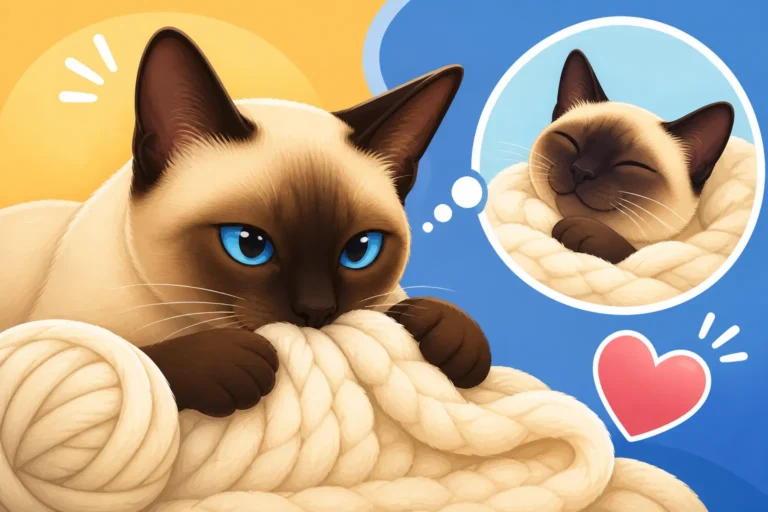
At its core, wool sucking is a displacement behavior. Think of it like a human biting their nails or twirling their hair when stressed or bored. For Siamese cats, this oral fixation is believed to be a carryover from kittenhood, specifically relating to nursing behaviors. They're not necessarily trying to eat your sweater for dinner; rather, they are seeking comfort, simulating the natural act of suckling on their mother. The texture of wool and similar fabrics can mimic a mother cat's fur, providing a soothing sensation.
It's a common misconception that all fabric chewing is wool sucking. True wool sucking involves a rhythmic, almost trance-like suckling motion, often accompanied by kneading, drooling, and purring, much like a kitten nurses. Chewing and shredding without the suckling might be more indicative of boredom or a need for dental stimulation. Recognizing the difference is key to addressing the behavior effectively. You might wonder, Why a Siamese Cat Sucks Wool? It's a question many of us grapple with.
Is It Always a Problem?
Initially, a little bit of wool sucking might seem harmless, even endearing. A tiny kitten gently suckling on a soft toy isn't usually cause for alarm. However, the line between harmless comfort and problematic compulsion can be thin. The main concern arises when the cat actually ingests pieces of the fabric. Undigested fabric can accumulate in the stomach or intestines, leading to a foreign body obstruction, which is a serious, life-threatening condition requiring immediate veterinary intervention and often costly surgery.
Beyond the physical risks, persistent wool sucking can indicate emotional distress, anxiety, or a lack of proper enrichment. It's a signal from your cat that something isn't quite right in their world. Addressing it isn't just about saving your sweaters; it's about ensuring your Siamese cat's overall well-being and preventing future health complications.
The Age Wool Sucking Typically Starts
For many Siamese cats, wool sucking isn't a behavior that suddenly appears out of nowhere in adulthood. It usually has its roots in their early developmental stages, often manifesting during kittenhood or adolescence. Understanding these timelines can help owners recognize the signs early and intervene before it becomes a deeply ingrained habit.
The Kitten Years: Early Emergence
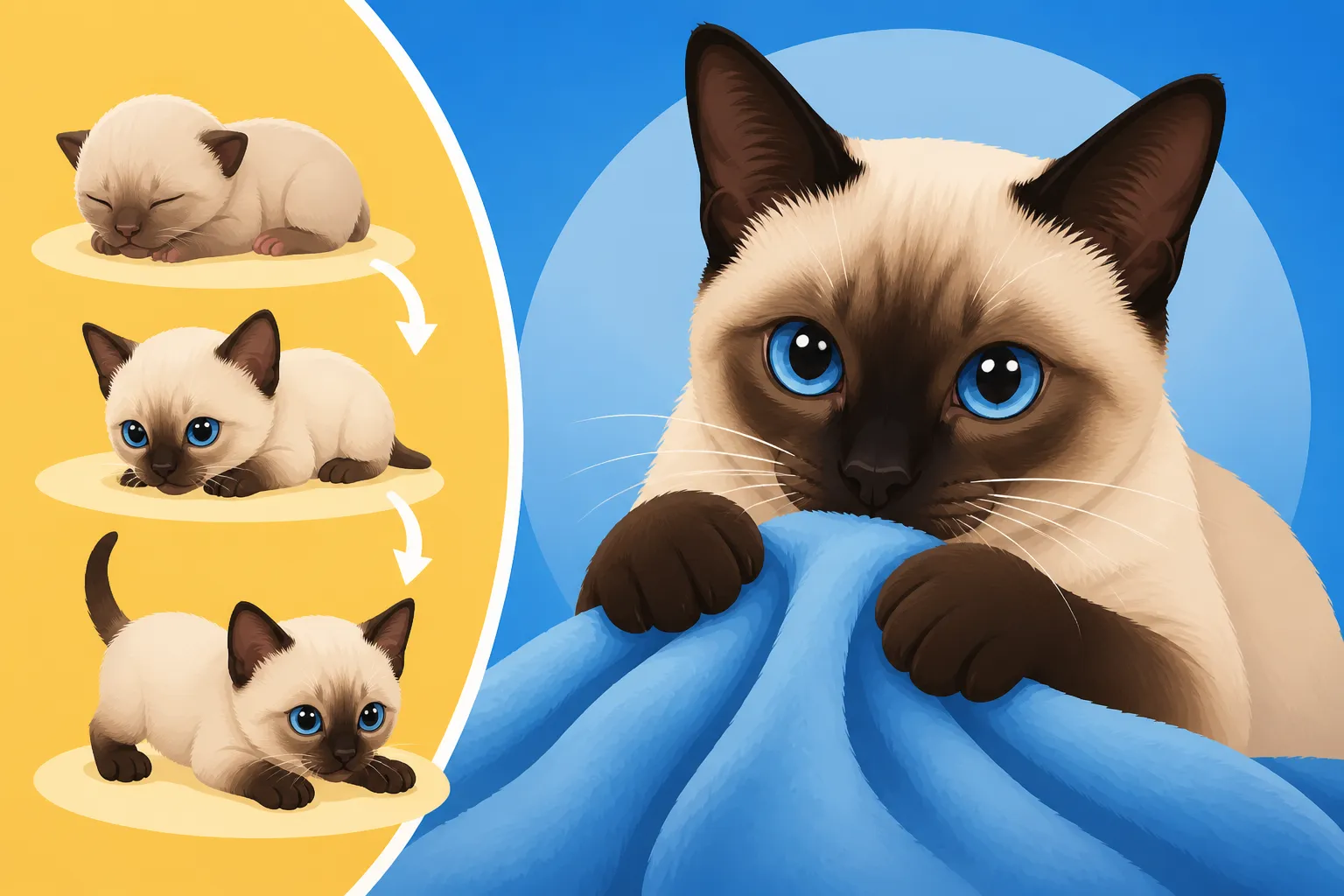
The vast majority of Siamese cats who develop wool sucking tendencies will start exhibiting the behavior during their kittenhood. This can be as early as 2-3 months of age, soon after or even during the weaning process. Kittens naturally have a strong suckling instinct, and if they are weaned too early, or if their mother doesn't provide sufficient comfort and nursing, they might redirect this instinct onto soft objects in their environment.
It’s a deeply instinctual behavior. Imagine a tiny Siamese kitten, perhaps taken from its mother a little too soon, feeling a deep-seated need for the comfort and security that nursing provides. When that primary source of comfort is absent or insufficient, they might turn to the next best thing: a soft, yielding blanket that feels somewhat like their mother's belly. This early onset is crucial because it often points to a potential emotional gap that needs to be filled through enriched environments and consistent, loving interaction.
Adolescent Tendencies and Intensification
While it often begins in kittenhood, wool sucking can sometimes become more pronounced or even start anew during a Siamese cat's adolescent period, roughly between 6 months and 2 years of age. This is a time of significant physical and behavioral development, and like human teenagers, adolescent cats can experience heightened stress, anxiety, or boredom if their needs aren't met. A new home, a change in routine, or even just the boundless energy of youth with insufficient outlets can trigger or intensify the behavior.
During adolescence, a Siamese cat's personality truly blossoms, and their intelligence and need for interaction become very evident. If they're not adequately challenged or given enough attention, that simmering energy can manifest in destructive or compulsive behaviors, including wool sucking. It's a critical period for establishing good habits and providing ample mental and physical stimulation to prevent the behavior from becoming a lifelong coping mechanism. For more on this, consider The Age Wool Sucking Starts in a Siamese Cat.
The Genetic Predisposition in Siamese Cats
It's not just a coincidence that Siamese cats, along with some related Oriental breeds, are disproportionately affected by wool sucking. While environmental factors and early experiences play a significant role, there's a strong genetic component that makes this breed inherently more susceptible to developing the behavior. This genetic link is a key piece of the puzzle for understanding and managing wool sucking.
Why Siamese Cats are Prone
Researchers and veterinarians have long observed that wool sucking and other forms of pica are significantly more common in Siamese cats and their close relatives, like the Oriental Shorthair and Burmese. This suggests a genetic predisposition, meaning they are simply "wired" differently when it comes to oral compulsions. It's thought to be an inherited trait, possibly linked to genes that regulate serotonin or other neurotransmitters in the brain, influencing anxiety and compulsive behaviors.
Think of it like certain human families having a predisposition to particular traits or conditions. For Siamese cats, this inherent tendency means that even with the best care, some individuals may still exhibit wool sucking if other contributing factors are present. It's not a flaw in your cat; it's part of their unique genetic makeup that makes them who they are – vocal, intelligent, and yes, sometimes prone to specific behaviors. Understanding this genetic link can help owners approach the problem with patience and empathy, rather than frustration. Whether Wool Sucking in a Siamese Cat Is Genetic delves deeper into the inherited aspects of this behavior.
Other Breeds and Similar Behaviors
While Siamese cats are poster children for wool sucking, they aren't entirely alone. Other breeds, particularly those within the Oriental lineage, also show higher rates of pica. This reinforces the idea of a genetic component that extends beyond just the Siamese. However, even among these breeds, the presentation can vary. Some might fixate on specific fabrics, others on plastics or even non-edible plants.
It's important to differentiate this from general cat curiosity or play. Almost any cat might bat at a loose thread or briefly mouth an interesting texture. The distinction for breeds like the Siamese lies in the compulsive, often comfort-seeking nature of the behavior, frequently coupled with the rhythmic suckling motion. If you have multiple cats of different breeds, you might observe your Siamese engaging in this behavior while your Ragdoll or Maine Coon shows no interest in your knitted throw.
Environmental Factors and Triggers
While genetics provide the predisposition, environmental factors are often the direct triggers that cause wool sucking to manifest or worsen. A Siamese cat's highly intelligent and sensitive nature means they are particularly susceptible to changes in their environment, routine, or emotional state. Identifying these triggers is crucial for successful management.
Early Weaning and Stress
One of the most frequently cited environmental factors contributing to wool sucking is early weaning. If a kitten is separated from its mother or denied adequate nursing time before its suckling instinct naturally wanes (typically around 12-14 weeks), it may redirect that unmet oral need towards other objects. This isn't always the breeder's fault; sometimes circumstances dictate early separation, or a mother cat simply rejects her litter prematurely.
Beyond weaning, any form of stress or anxiety can trigger or exacerbate wool sucking. Siamese cats are highly sensitive to their environment. Moving to a new home, the arrival of a new pet or baby, a change in an owner's work schedule, or even loud noises can be significant stressors. For an anxious Siamese, the rhythmic act of wool sucking can be a self-soothing mechanism, a way to cope with their emotional discomfort. It's their equivalent of a security blanket. Many owners notice their cat intensifying the behavior during times of household upheaval. Why a Stressed Siamese Cat Licks Itself Bald highlights how stress can manifest in other compulsive behaviors.
Boredom and Lack of Enrichment
Siamese cats are incredibly intelligent, active, and social creatures. They thrive on interaction, mental stimulation, and physical activity. A bored Siamese cat is a mischievous, and often destructive, Siamese cat. If their environment doesn't provide enough outlets for their sharp minds and energetic bodies, they can easily become under-stimulated, leading to frustration and anxiety. This is where boredom often steps in as a major trigger for wool sucking.
Imagine a Siamese cat confined to a quiet apartment all day with no toys, no window perches, and minimal human interaction. Their active minds will seek something to do, and if that something is your favorite wool scarf, then that's what they'll do. Providing ample enrichment – interactive toys, climbing structures, puzzle feeders, and dedicated playtimes – is vital to preventing boredom-induced behaviors. A cat that's engaged and entertained is far less likely to turn to compulsive habits. For tips on keeping their minds active, check out Enrichment for a Siamese Cat That Gets Bored in an Hour.
Managing Wool Sucking: Practical Strategies
Once you understand why your Siamese cat is sucking wool, the next step is to implement effective management strategies. This usually involves a multi-faceted approach, combining environmental changes, behavioral modification, and sometimes even dietary adjustments or veterinary consultation. Patience and consistency are your best friends here.
Environmental Enrichment
The first line of defense against wool sucking, especially when boredom is a factor, is to enrich your cat's environment. Think about what a Siamese cat needs: mental challenge, physical activity, and social interaction.
Here's a table of ideas:
| Enrichment Type | Examples | Benefits |
|---|---|---|
| Interactive Play | Feather wands, laser pointers (with a catch!), chase toys, catnip toys, play tunnels. | Burns energy, provides mental stimulation, strengthens the bond with you. Aim for at least two 15-minute sessions a day. |
| Puzzle Feeders | Toys that dispense treats or kibble when manipulated. Available from retailers like Amazon. | Engages their problem-solving skills, slows down eating, prevents boredom, and mimics hunting behavior. This is particularly good for intelligent Siamese cats who get bored easily with a simple bowl. |
| Vertical Space | Tall cat trees, wall-mounted shelves, window perches. | Allows climbing, observing their territory from a safe vantage point, and provides new perspectives, which is great for their curious nature. A good cat tree can be a worthy investment, and many are available on Amazon. |
| Window Gazing | Bird feeders outside a window, a comfortable perch from which they can observe the world. | Provides passive entertainment, stimulating their hunting instincts and offering a mental escape, especially for indoor cats. |
| Rotation of Toys | Don't leave all toys out all the time. Rotate them every few days to keep things fresh and exciting. | Prevents habituation and maintains interest. A "new" toy every few days can feel like a treat, even if it's one they've seen before. |
You also need to address the actual objects being sucked. Can you remove the favorite wool blanket? Replace it with cat-safe alternatives like durable rubber chew toys or specific cat grass. How to Cat Proof a Home for a Siamese Cat provides excellent strategies for minimizing access to tempting items.
Behavioral Modification and Distraction
Beyond enriching the environment, you'll need to actively work on modifying the behavior itself. This largely involves redirection and positive reinforcement. When you see your Siamese starting to wool suck, don't punish them – this can increase anxiety. Instead, gently interrupt the behavior and redirect them to an appropriate activity.
Offer a suitable chew toy, engage them in a play session, or use a puzzle feeder. The goal is to make the desirable behavior (playing with a toy) more rewarding than the undesirable one (sucking wool). Consistency is key. Everyone in the household needs to be on board with the same approach. Some owners find that a strong verbal "no" or a loud clap can break the trance, immediately followed by offering an alternative. For some cats, a bitter-tasting spray applied to the target items might deter them, but use this cautiously as some cats simply ignore it or find new targets. Consider if Whether a Chew Toy Redirects a Siamese Cat is effective for your particular feline.
Dietary Changes and Supplementation
Sometimes, dietary factors are believed to play a role in pica, including wool sucking. Some theories suggest that a lack of fiber or certain nutrients might contribute to the behavior. Increasing dietary fiber, either through specific high-fiber cat foods or by adding a small amount of pureed pumpkin or psyllium husk (always consult your vet first!), might help some cats. The idea is that increased bulk in the digestive system might create a feeling of fullness or satiety.
Another area of interest is supplementation, particularly with B vitamins or other calming supplements. While evidence is largely anecdotal, some owners and vets have explored the use of L-Tryptophan or Zylkene, which are designed to promote relaxation. Again, any significant dietary change or supplement introduction should always be discussed with your veterinarian to ensure it's safe and appropriate for your cat's specific health needs. Whether More Fiber Stops a Siamese Cat's Pica is a relevant consideration here.
When to Seek Veterinary Advice
While many cases of wool sucking can be managed at home with behavioral and environmental changes, there are definitely times when professional veterinary intervention is necessary. Knowing when to call the vet can be crucial for your cat's health and your peace of mind.
Distinguishing Normal From Problematic
It’s one thing for a kitten to occasionally mouth a blanket, but it’s another for an adult Siamese to be compulsively ingesting fabric. The key differentiator is often ingestion and its frequency. If your cat is consistently consuming fabric, if the behavior is escalating, or if they seem distressed or overly compulsive about it, it’s time to seek veterinary advice. A vet can help rule out underlying medical conditions that might be contributing to the pica, such as nutritional deficiencies, gastrointestinal issues, or even neurological problems, although these are less common.
They can also assess the severity of the behavior and help you develop a tailored management plan. In some severe cases, where anxiety is a primary driver and behavioral modifications aren't enough, your vet might discuss anti-anxiety medications. These are typically used as a last resort and in conjunction with behavioral therapies, not as a standalone solution. Whether Medication Helps a Siamese Cat's Pica is a discussion worth having with your vet if other methods fail.
Signs of an Intestinal Blockage
This is the most critical reason to involve your vet immediately. If your Siamese cat is ingesting fabric, there's a real risk of an intestinal blockage. This is a life-threatening emergency. Knowing the signs is vital for prompt action.
Watch out for these symptoms:
- Repeated Vomiting: Especially after eating or drinking.
- Loss of Appetite: Refusing food, even favorite treats.
- Lethargy: Unusual tiredness, lack of energy, reduced playfulness.
- Abdominal Pain or Tenderness: Your cat may vocalize or resist being touched around their belly.
- Straining to Defecate or No Stool: An obstruction can prevent normal bowel movements.
- Hiding or Changes in Behavior: An unwell cat often tries to hide their discomfort.
If you observe any of these signs, do not wait. Contact your veterinarian immediately. An intestinal blockage requires urgent diagnosis, usually through X-rays or ultrasound, and often surgical removal of the foreign material. Signs a Siamese Cat Has Swallowed Fabric should be at the forefront of any wool-sucking owner's mind, as early detection can make a life-saving difference. The costs associated with such emergencies, including What a Wool Sucking Siamese Cat Costs in Surgery, can be substantial, making prevention and early intervention all the more important.
Disclaimer
This article is for general informational purposes only and does not constitute professional advice. Laws, prices and regulations vary by location and change over time. Consult a qualified professional for guidance on your specific situation.