Why a Siamese Cat Chews Plastic Bags
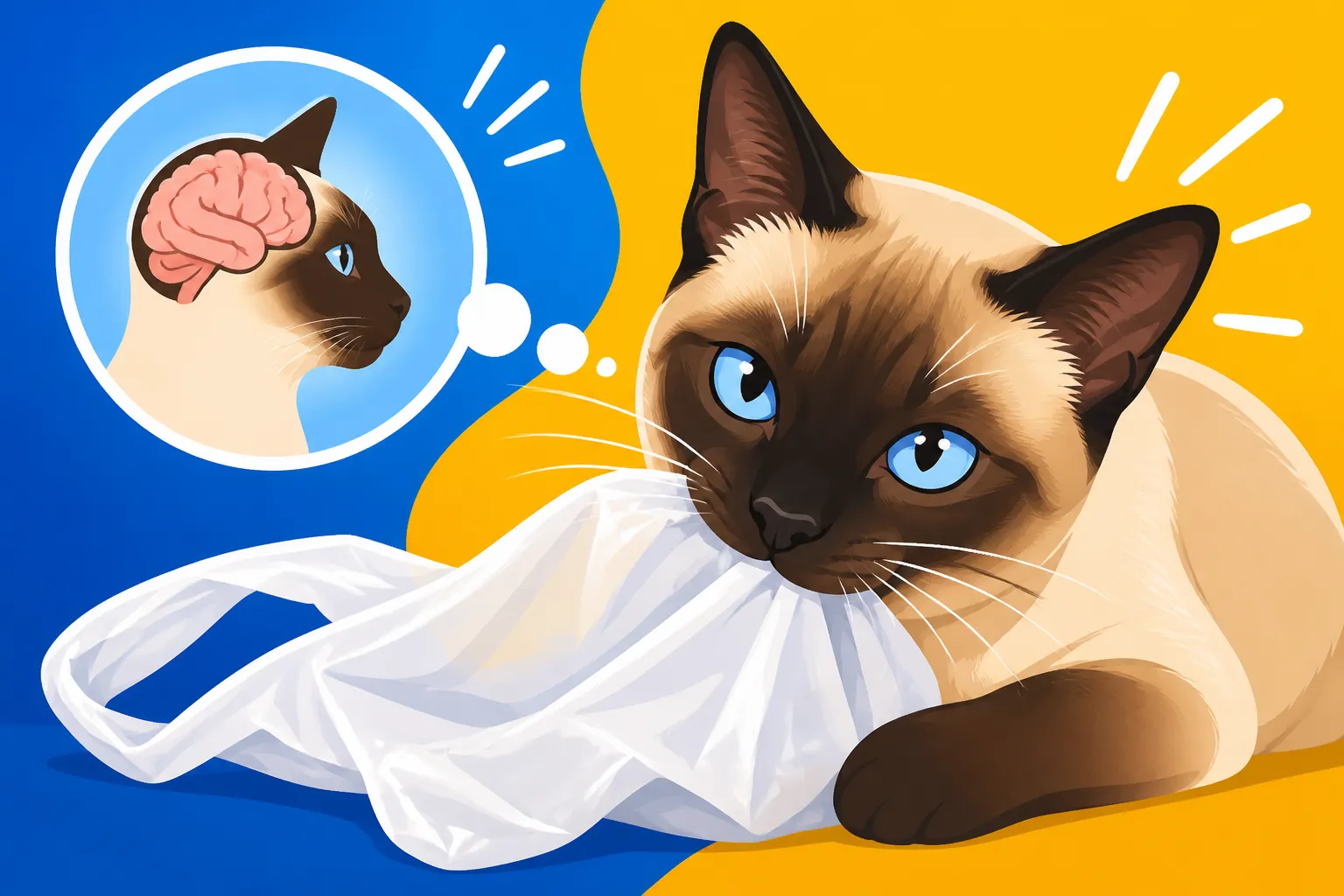
It's incredibly frustrating, and honestly, a little scary, to walk into a room and find your beloved Siamese cat intently chewing on a plastic bag. We all know how much mischief these clever felines can get into, but plastic bags present a unique set of worries, from choking hazards to intestinal blockages. If you've ever wondered why your elegant Siamese has developed this rather un-elegant habit, you're not alone. This guide will help you understand the various reasons behind this perplexing behavior and offer practical steps to keep your inquisitive cat safe and satisfied.
The Allure of Plastic for a Siamese Cat
To us, a plastic bag is often just rubbish, something to be discarded. But for a Siamese cat, it can be a multifaceted marvel, engaging several of their keen senses in ways that are deeply rooted in their feline nature. It's not just random; there's often a compelling reason behind their plastic obsession.
The Sensory Experience: Sound, Texture, and Smell
Imagine a tiny hunter stalking through tall grass or rustling leaves. That's a sound that’s been hardwired into their instincts for millennia. A plastic bag, with its crinkly, rustling sound, can uncannily mimic these environmental cues. When your Siamese bats at a bag or pushes their face into it, that distinct crinkle can be incredibly stimulating. It’s like their own personal sonic toy, a symphony of perceived movement that suggests prey hiding just out of sight. This auditory feedback can be deeply satisfying, much like the sound of rustling prey underfoot.
Beyond the sound, there's the unique texture. Plastic bags are thin, flexible, and sometimes have a slightly slick or crinkly feel in their mouth that differs from typical toys or fabric. Some cats seem to enjoy the tactile sensation of the plastic against their teeth and gums, especially if they have any dental discomfort (though this is less common with plastic). It’s a novel sensation, distinct from chewing on a durable toy or a soft blanket, offering a different kind of oral fixation. Think about how children explore the world with their mouths; cats do something similar. A Siamese cat's mouth is full of nerve endings, and novel textures can be a source of intense interest.
And let's not forget the olfactory appeal. While we might not detect much, a cat's sense of smell is far superior to ours. Plastic bags often carry residual scents from their previous contents – perhaps groceries, food packaging, or even the faint smell of chemicals from manufacturing. Even a minuscule trace of something interesting, like the faint scent of a takeaway meal, a bit of moisture, or residual oil from production, can be an irresistible draw. It might smell like a potential food source, or simply something intriguing that their natural curiosity demands investigation. This scent-driven curiosity can be a major factor in why a specific bag, perhaps one that once held bread or meat, becomes a target, while others are ignored.
Mimicking Prey and Play
Siamese cats, as you know, are incredibly intelligent and active. They possess a strong prey drive and a need for mental and physical stimulation. A plastic bag, with its light weight and erratic movement, can easily become an impromptu "prey item" in their eyes. A gentle breeze or even the air currents from your walking past can make a bag flutter and dance, triggering their hunting instincts. They might stalk it, pounce on it, "kill" it with their hind feet, and then, yes, try to chew on it. The soft, pliable nature of the plastic makes it easy to grab and "subdue," which is a rewarding sensation for a predator.
This behavior can often escalate if your Siamese isn't getting enough appropriate playtime. If they're bored, restless, or feeling under-stimulated, they'll seek out their own entertainment. A plastic bag lying innocently on the floor or dangling from a doorknob becomes an irresistible invitation to play, and in the absence of suitable toys that mimic prey, a plastic bag might just fit the bill. They might not intend to ingest it, but in the heat of a play session, a bit of chewing can quickly turn into swallowing. This highlights the importance of keeping them mentally and physically engaged with toys designed for their hunting instincts. Without enough outlets for their energy, they can become destructive, and a plastic bag is an easy target. Providing plenty of enriching activities helps redirect these natural behaviors into safe channels. If you're looking for more ideas, check out Enrichment for a Siamese Cat That Gets Bored in an Hour.
Pica and the Siamese Cat: Is It More Than Just a Bad Habit?
When a cat eats non-food items, it's called pica. While occasionally gnawing on a plastic bag might seem like quirky cat behavior, persistent or intense plastic chewing, especially if followed by ingestion, moves into the territory of pica, and for Siamese cats, this can be a particular concern.
Understanding Pica in Felines
Pica is defined as the craving and chewing of non-nutritive substances. It's a behavioral disorder that can be driven by a variety of factors, ranging from underlying medical issues to psychological distress. In felines, common targets for pica include wool, fabric, cardboard, electrical cords, and, yes, plastic bags. Siamese cats, along with their Oriental relatives, are often noted for a genetic predisposition to pica, particularly wool sucking or fabric chewing. It seems to be part of their unique physiological makeup, a kind of oral fixation that can be triggered more easily than in other breeds. So, if your Siamese is chewing plastic, it's worth considering it within the broader context of their breed's tendencies. This isn't just a random act; it could be part of a deeper, breed-specific behavioral pattern. This predisposition means that what might be a fleeting curiosity in another cat could become a deeply ingrained habit, or even an obsession, for a Siamese. For a deeper dive into another common pica behavior, you might find Why a Siamese Cat Chews Wool and Swallows It helpful.
It's important to distinguish between playful mouthing and genuine pica. A cat batting a plastic bag around for a few minutes and giving it a light chew before moving on is likely just playing. However, if your Siamese is repeatedly seeking out plastic bags, meticulously chewing pieces off, and swallowing them, that's when you should be concerned about pica. It's a continuum, and recognizing where your cat's behavior falls on that scale is crucial for intervention. Pica can lead to serious health issues, as swallowed plastic can cause blockages, perforations, or other digestive traumas that require emergency veterinary attention.
Potential Medical and Nutritional Deficiencies
While many cases of pica have behavioral roots, it's always wise to rule out any underlying medical causes, especially if the behavior is new or sudden. Though less common for plastic chewing specifically, certain nutritional deficiencies have been linked to pica in general. For example, some cats with anemia might crave unusual substances due to low iron. Similarly, a lack of certain vitamins or minerals could theoretically lead a cat to seek out non-food items, although commercial cat foods are typically well-balanced. However, if your cat is on a restricted diet or has digestive issues that prevent proper nutrient absorption, this could become a factor.
More broadly, other medical conditions can manifest through unusual behaviors, including pica. Dental pain, gastrointestinal discomfort, inflammatory bowel disease, hyperthyroidism, or even brain tumors could, in rare instances, alter a cat's behavior and create unusual cravings or discomfort that they attempt to soothe by chewing. A visit to your veterinarian can help rule out these possibilities. They can perform a thorough examination, including blood tests if necessary, to ensure there isn't a hidden health problem driving the plastic-chewing habit. It's always best to be cautious and eliminate potential physical causes before solely focusing on behavioral interventions. Your vet can provide guidance and, if needed, recommend specific dietary supplements or changes.
Behavioral Roots: Stress, Anxiety, and Boredom
For many Siamese cats, chewing on plastic bags often stems from emotional or mental states rather than physical needs. These highly intelligent, sensitive, and social creatures need constant engagement and reassurance. When these needs aren't met, destructive behaviors can emerge.
The Role of Stress and Anxiety
Siamese cats are famously sensitive. They form deep bonds with their human companions and thrive on routine and stability. This makes them particularly susceptible to stress and anxiety when their environment or routine changes. Anything from a new piece of furniture, a change in your work schedule, the arrival of a new pet or baby, or even just a noisy neighbor, can be a source of significant stress for your Siamese. They are creatures of habit, and disruptions can be genuinely unsettling for them. For more on their bonding tendencies, consider reading How Attached a Siamese Cat Gets to One Person.
When a Siamese cat feels anxious or stressed, they often look for ways to self-soothe. Chewing is a natural, albeit sometimes inappropriate, coping mechanism. Just as a child might suck their thumb or a person might bite their nails, a stressed Siamese might turn to chewing on items like plastic bags. The act of chewing can release endorphins, which have a calming effect. It’s a way for them to exert some control in an environment where they feel overwhelmed or unsure. If you notice the plastic chewing behavior coincides with a recent change in your household, it's highly likely stress is a contributing factor. This anxiety can manifest in many ways, and chewing is just one. Another common stress-induced behavior is overgrooming, as detailed in Why a Stressed Siamese Cat Licks Itself Bald. Observing other subtle signs of stress, such as changes in appetite, litter box habits, or vocalizations, can help confirm if anxiety is at play.
Under-Stimulation and Boredom
Let's be real: Siamese cats are brainy. They are often described as having dog-like personalities, eager to learn, and incredibly playful. This high intelligence means they need a lot of mental and physical stimulation to stay happy and out of trouble. A bored Siamese cat is a mischievous Siamese cat. If they're not given enough appropriate outlets for their energy and intellect, they'll create their own fun, and sometimes that "fun" involves tearing into things they shouldn't, like plastic bags. They are incredibly clever and curious, as explored in How Clever a Siamese Cat Is.
Imagine being stuck in a house all day with nothing to do. You'd likely start looking for ways to entertain yourself, right? Your Siamese cat is no different. If they don't have enough interactive toys, regular play sessions with you, or stimulating environments (like cat trees, window perches, or puzzle feeders), they're going to find the most interesting thing available. A crinkly, easily manipulable plastic bag can seem like the ultimate toy to a bored cat. They’ll chew it, shred it, and perhaps ingest pieces of it purely because it’s something to do. Ensuring they have a rich and engaging environment is paramount to preventing these destructive behaviors. They need to 'hunt' and 'play' every day.
Practical Solutions to Keep Your Siamese Cat Safe
Once you've identified why your Siamese cat might be chewing plastic bags, the next step is to implement practical solutions. This usually involves a multi-pronged approach of prevention, enrichment, and sometimes, veterinary consultation.
Eliminating Access to Temptation
The most immediate and critical step is simply removing all plastic bags from your cat's reach. This might seem obvious, but it's surprising how easily they find their way into our homes and how quickly a determined Siamese can find them. Think like your cat:
- Secure Storage: Don't leave grocery bags lying on the floor or counter, even for a moment. Designate a specific, cat-proof cabinet or container for all plastic bags. Consider using reusable canvas bags for shopping to reduce the number of plastic bags brought into the house.
- Beyond Grocery Bags: Be vigilant about other plastic items that might tempt them. Bread bags, plastic wrap, plastic produce bags, dry cleaning bags, and even the plastic lining of cereal boxes can be appealing. Some cats are even drawn to shower curtains or plastic tablecloths.
- Trash Cans: Ensure all trash cans in your home have tight-fitting lids. A Siamese can be remarkably adept at knocking over or getting into open bins. Even small bathroom trash cans can contain tempting plastic wrappers.
Making your home a "plastic-free zone" for your cat is the first line of defense. It's about proactive safety and removing the opportunity for the behavior to occur.
Enhancing Environmental Enrichment
A bored cat is a destructive cat, and a Siamese cat needs more mental and physical engagement than many other breeds. To redirect their chewing instinct and satisfy their intelligent minds, focus on enriching their environment:
- Interactive Toys: Invest in a variety of toys that mimic prey. Wand toys with feathers or furry attachments are excellent for interactive play sessions where you can mimic the erratic movements of prey. Solo toys that roll, crinkle, or dispense treats can also keep them occupied. What Toys a Siamese Cat Actually Uses can give you some great ideas. Rotate toys frequently to keep things novel and exciting. You can find a vast array of high-quality, cat-safe interactive toys on platforms like Amazon.
- Puzzle Feeders: These are fantastic for stimulating a Siamese cat's mind and slowing down their eating. Instead of just putting food in a bowl, a puzzle feeder makes them "work" for their meal, engaging their problem-solving skills and satisfying their hunting drive. This can be particularly effective if their chewing is linked to hunger or a desire for oral stimulation. Whether a Puzzle Feeder Occupies a Siamese Cat dives deeper into this topic.
- More Play Sessions: Aim for at least two to three dedicated play sessions a day, each lasting 10-15 minutes. This consistent interaction helps burn off excess energy, reduces stress, and strengthens your bond. If you need a refresher on ideal playtime, see How Many Play Sessions a Siamese Cat Needs a Day. These sessions should ideally mimic a hunt: stalk, chase, pounce, "kill," and then reward with a small treat.
- Vertical Space and Scratching Posts: Siamese cats love to climb and observe their territory from a height. Tall cat trees, shelves, or window perches give them a sense of security and a vantage point, reducing boredom. Ensure you have sturdy scratching posts, both vertical and horizontal, as scratching is another important outlet for their energy and helps keep their claws healthy. Cheap, wobbly cat trees won't cut it for a nimble Siamese, as explored in Why a Siamese Cat Destroys Cheap Cat Trees.
- Companion Cat: If your Siamese is particularly lonely or has separation anxiety, considering a companion cat might be beneficial, especially if you work long hours. Another active, playful cat can provide the consistent social interaction and play that a Siamese craves. However, this is a big decision and needs careful consideration to ensure compatibility. You can learn more about this in Whether a Siamese Cat Needs a Companion Cat.
Veterinary Consultation and Dietary Adjustments
If despite your best efforts, your Siamese continues to chew and ingest plastic, or if the behavior is intense and sudden, it's definitely time for a visit to your veterinarian.
- Rule Out Medical Issues: As mentioned earlier, a vet can perform a thorough examination to rule out any underlying medical conditions, such as dental problems, gastrointestinal issues, or nutritional deficiencies that might be contributing to the pica. They might recommend blood tests or other diagnostics to get a complete picture of your cat's health.
- Dietary Review: Discuss your cat's diet with your vet. While rare, certain deficiencies can trigger pica. In some cases, increasing dietary fiber might be recommended, as it can help some cats feel fuller and reduce cravings for non-food items. There's a whole discussion on this in Whether More Fiber Stops a Siamese Cat's Pica. Your vet can advise on appropriate fiber sources or specific therapeutic diets if needed.
- Addressing Anxiety: If stress or anxiety is identified as a primary cause, your vet might suggest various strategies. These could include calming supplements, pheromone diffusers (like Feliway, which are readily available on Amazon), or, in more severe cases, anti-anxiety medication. Behavior modification techniques, often guided by a veterinary behaviorist, can also be highly effective in managing anxiety-related pica. Never give your cat human anxiety medication; always follow your vet’s advice.
By combining environmental management, enrichment, and professional veterinary guidance, you can usually curb this concerning habit and ensure your Siamese cat lives a happy, healthy, and plastic-free life.
| Reason for Chewing Plastic Bags | Potential Underlying Cause | Recommended Solution |
|---|---|---|
| Sensory Appeal | Sound, texture, smell fascination | Remove access to plastic, offer crinkly cat toys, scent enrichment with catnip/silvervine. |
| Mimicking Prey / Play | Strong prey drive, lack of appropriate outlets | Daily interactive play, puzzle feeders, varied cat-safe toys. |
| Pica Predisposition | Genetic tendency in Siamese/Oriental breeds | Comprehensive enrichment, vet consultation to rule out medical. |
| Nutritional Deficiency | Rare, but possible lack of vitamins/minerals | Vet check-up, dietary review and potential adjustments under vet guidance. |
| Stress/Anxiety | Changes in routine/environment, separation | Identify stressors, provide secure spaces, calming aids, increased consistent interaction. |
| Boredom/Under-stimulation | High intelligence, insufficient mental activity | Increase play sessions, interactive toys, climbing structures, consider a companion. |
Disclaimer
This article is for general informational purposes only and does not constitute professional advice. Laws, prices and regulations vary by location and change over time. Consult a qualified professional for guidance on your specific situation.