Whether a Siamese Cat Grieves a Lost Companion
Losing a beloved pet is one of the hardest experiences in life, and often, in our own sorrow, we forget that our remaining furry family members might be feeling it too. When a cherished companion, whether human or animal, leaves a Siamese cat's life, it's natural to wonder if they understand the absence and if they mourn. This guide will delve into how Siamese cats process loss, what signs to look for that indicate they are grieving, and most importantly, how you can lovingly support them through such a difficult time.
Do Siamese Cats Truly Grieve a Loss?
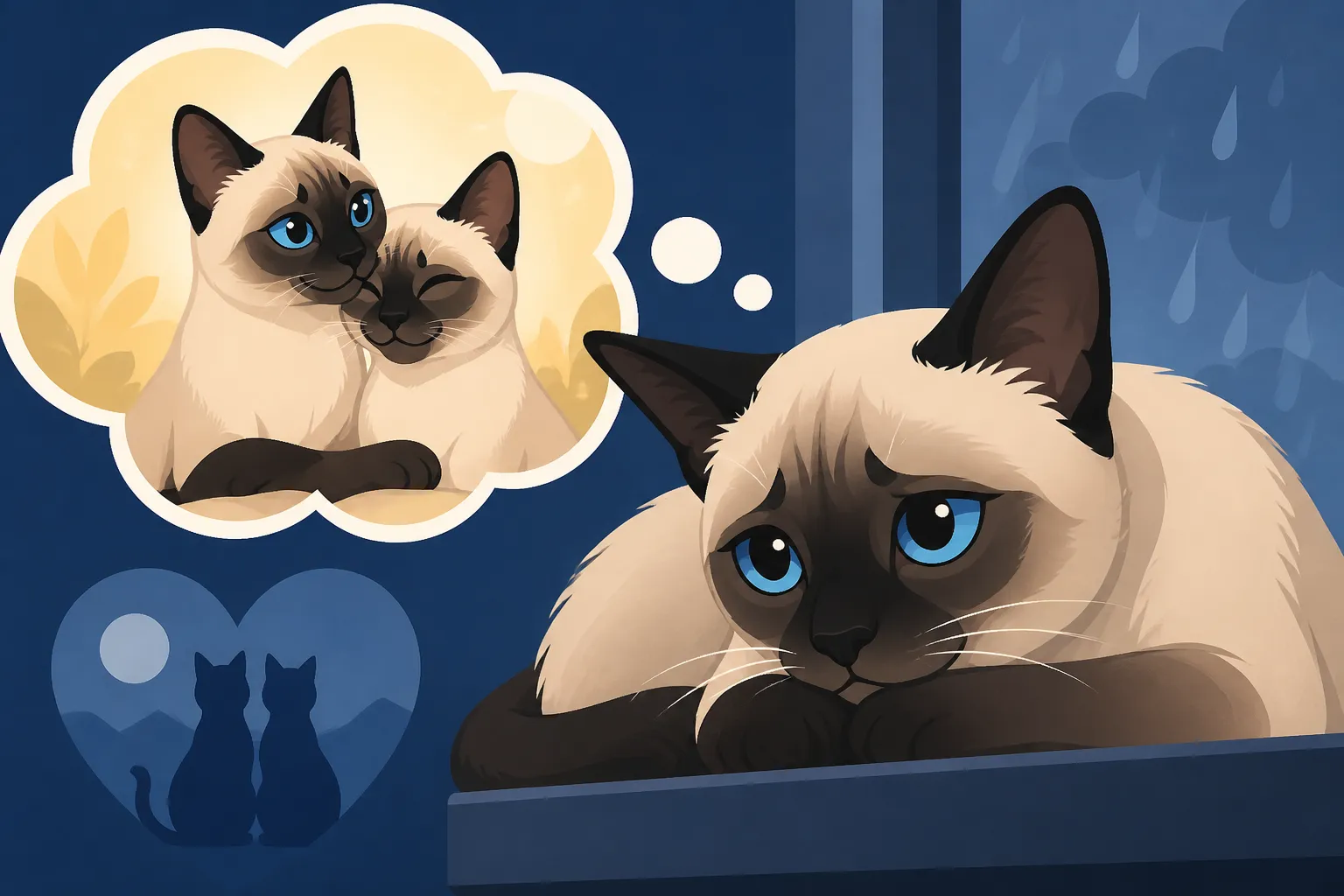
It's a question many pet parents grapple with: do animals truly understand death and experience grief in the same way humans do? While we can't definitively measure a cat's emotional state with human scales, decades of anecdotal evidence and observations from animal behaviorists strongly suggest that Siamese cats, with their deeply social and intelligent nature, absolutely do grieve the loss of a companion. They form incredibly strong bonds, not just with their human families, but often with other pets in the household, creating complex social structures that are deeply felt when disrupted.
When a companion disappears, whether through death or relocation, a Siamese cat doesn't just "forget" them. They recognize the absence and the profound change in their daily routine and social dynamics. Imagine waking up one morning and your best friend, who you've shared every meal, every nap, and every conversation with for years, is just… gone. The world feels different, quieter, and profoundly empty. This is akin to what your Siamese might be experiencing. Their world has been fundamentally altered, and their reactions are a direct response to that void.
The Science and Observation of Feline Grief
While we don't have definitive scientific proof of a cat feeling "grief" in the exact human sense, studies and widespread observations point to strong emotional responses to loss. Cats are creatures of habit and routine, and the sudden removal of a familiar presence creates a significant disruption. This isn't merely a change in routine; it's the loss of an integral part of their social fabric, a playmate, a co-sleeper, a wrestling partner, or even just a silent, comforting presence. Many owners report distinct behavioral shifts in their surviving cat after a death, changes that persist beyond a few days, indicating something deeper than simple confusion. These behaviors mirror what we often associate with mourning in other species, including ourselves.
A Siamese cat, known for its intense loyalty and emotional depth, is particularly susceptible to these feelings. They are incredibly sensitive to changes in their environment and the emotions of their human companions. If you're grieving, your Siamese will pick up on your sadness, which can compound their own feelings of distress. This intertwined emotional state often means your cat's grief can feel even more palpable, as they respond to both the absence of their friend and your own sorrow.
Identifying Signs of Grief in Your Siamese Cat
It's crucial to be attuned to your Siamese cat's behavior after a loss, as their expressions of grief can be subtle or, conversely, quite pronounced. Just like people, every cat grieves differently, and their reactions can vary depending on their personality, the strength of the bond they shared with the lost companion, and the overall household environment. Some might withdraw completely, while others become overly clingy. Understanding these signs is the first step toward providing them comfort and support.
Here are some common indicators that your Siamese cat might be grieving:
Behavioral Changes and Withdrawal
One of the most immediate and noticeable signs of grief in a Siamese cat is a significant change in their usual behavior. They might become lethargic, sleeping much more than usual, or in places they rarely frequented before. Conversely, some cats might become restless, wandering the house as if searching for their missing friend. You might notice them losing interest in activities they once loved, like playing with their favorite toys or engaging in their regular interactive play sessions with you. This withdrawal can manifest as hiding more often, avoiding interaction, or simply sitting in silence for long periods. They may also stop greeting you at the door, a behavior many Siamese are known for.
For a Siamese cat, whose typical temperament includes being incredibly social and communicative, a sudden quietness or lack of engagement is a huge red flag. They're usually front and center, demanding attention and conversation. If your normally vocal Siamese suddenly goes silent, it's a profound indicator that something is deeply wrong. You might observe them going to the usual sleeping spots or feeding areas of their lost companion, sniffing intently, as if expecting them to reappear.
Changes in Appetite and Grooming Habits
Another common sign of grief involves a cat's basic physiological functions. A grieving Siamese might experience a drastic change in appetite, either eating significantly less or, less commonly, much more. Loss of appetite is particularly worrying, as prolonged refusal to eat can lead to serious health issues like hepatic lipidosis, especially in cats. Keep a close eye on their food bowl and water intake. Similarly, their grooming habits can change dramatically. Some grieving cats might stop grooming themselves altogether, leading to a dull, unkempt coat. Others might over-groom, licking themselves excessively to the point of creating bald patches or skin irritation, often a sign of extreme stress or anxiety. This can be similar to Why a Stressed Siamese Cat Licks Itself Bald.
It's important to distinguish these changes from other health issues. While a change in appetite or grooming can indicate grief, they are also symptoms of various medical conditions. If these changes persist for more than a few days, or if you notice any other signs of illness, a visit to the vet is highly recommended to rule out any underlying physical problems. This is especially true if you notice general Signs a Siamese Cat Is Unwell.
Increased Vocalization or Silence
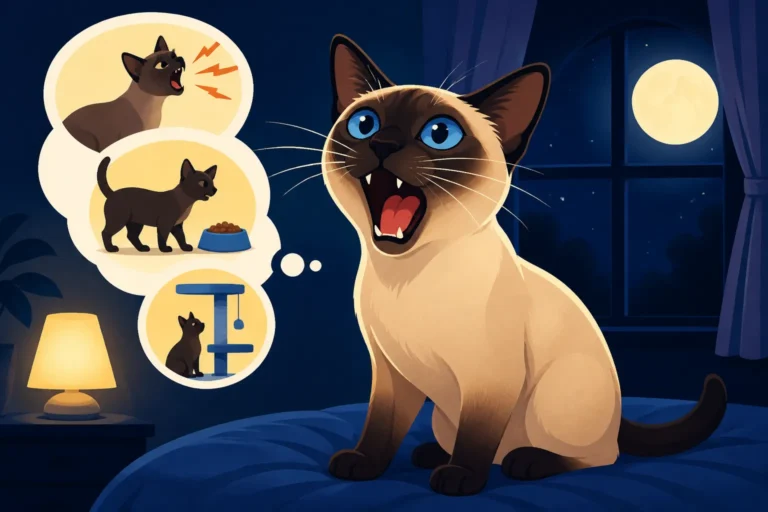
Siamese cats are famous for their vocal nature, their distinct "Meezer yowl" a staple of their personality. Grief can manifest in their vocalizations in contrasting ways. Some Siamese cats might become unusually quiet, ceasing their regular conversations and chirps, which is a stark change for such a talkative breed. This silence can be heartbreaking for owners who are used to their cat's constant chatter. On the other hand, some might become more vocal, emitting mournful yowls, crying out more frequently, or meowing incessantly, as if calling for their lost friend. This might be particularly common at night, creating restless nights for both you and your cat.
They might sit by windows or doors and yowl, or simply pace through the house making these plaintive sounds. This increased vocalization is often a plea for comfort, an expression of confusion, or a desperate search. Pay attention to the tone and frequency of their meows; a sudden shift from their norm is a strong indicator of distress. Understanding What a Siamese Cat's Temperament Is Really Like can help you recognize when their vocalizations indicate distress rather than just their usual chattiness.
Here's a quick comparison of grief signs versus other common issues:
| Symptom | Likely Grief Sign | Potential Other Issue (Consult Vet) |
|---|---|---|
| Appetite Change | Sudden decrease or increase after loss | Dental disease, kidney issues, hyperthyroidism |
| Lethargy | More sleeping, less playing, withdrawal | Arthritis, fever, systemic illness |
| Increased Clinginess | Follows owner constantly, demands more attention | New insecurity, territorial changes |
| Hiding | Seeking solitude, avoiding interaction | Pain, fear, feeling unwell |
| Over-grooming | Licking bald spots, skin irritation | Allergies, parasites, anxiety not related to grief |
| Lack of Grooming | Unkempt coat, dull fur | Arthritis (can't reach), depression, severe illness |
| Vocalization | Mournful yowls, constant calling, or sudden silence | Pain, hunger, litter box issues, old age dementia |
| Restlessness | Pacing, searching, unable to settle | Hyperthyroidism, pain, anxiety |
| Inappropriate Urination | Only if extreme stress, loss of routine | UTI, kidney disease, litter box aversion, territorial marking |
Supporting Your Grieving Siamese Cat
Knowing that your Siamese cat is hurting is tough, especially when you're going through your own grief. However, your presence and proactive support are the most important tools you have to help them navigate this difficult period. There's no magic cure, and it will take time, but consistent, loving care can make a huge difference in their healing process.
Maintaining Routine and Providing Comfort
One of the most powerful things you can do for a grieving Siamese cat is to maintain as much of their regular routine as possible. Cats thrive on predictability, and sticking to established feeding times, play schedules, and bedtime rituals can provide a sense of security in a suddenly changed world. Even if they don't seem interested, offer food at the usual times and try to engage them in their favorite games. Predictability helps them feel safe and reassures them that not everything has changed. Consider keeping the lost companion's bed or favorite blanket around for a while, as the familiar scent can offer comfort. Don't rush to clean everything away.
Beyond routine, active comfort is key. Spend extra time with your Siamese cat, offering gentle strokes, quiet conversation, and just being physically present. How Attached a Siamese Cat Gets to One Person highlights their need for deep bonds, and right now, they need that connection with you more than ever. If they are usually social, let them curl up on your lap or sleep in your bed more often. Physical closeness can be incredibly soothing. You might also find comfort products helpful, such as a calming diffuser (available on Amazon) that releases synthetic feline pheromones to help reduce stress and anxiety in the home.
Encouraging Play and Enrichment
Even if your Siamese cat seems uninterested, try to gently encourage play and mental stimulation. Play is a natural stress reliever for cats and can help redirect their focus from their sadness, even if only for short bursts. Use interactive toys like feather wands or laser pointers, or try puzzle feeders to engage their minds. Initially, they might not respond with their usual enthusiasm, but persistence and patience can eventually spark their interest again. Remember, a bored Siamese is often a destructive or anxious one, so continued enrichment is vital. This is also key for What a Siamese Cat Does While You Are Out when they are left alone.
Consider introducing new toys or rotating existing ones to keep things fresh. You can find a wide variety of engaging toys on Amazon that cater to a Siamese cat's high intelligence and energy levels. If their lost companion was their primary playmate, you might need to step up your game to fill that void. Even short, frequent play sessions can contribute significantly to their well-being.
Considering a New Companion
This is a sensitive topic, and there's no right or wrong answer for everyone. For some Siamese cats, especially those who had a very close bond with their lost companion and relied heavily on feline companionship, the introduction of a new friend might eventually be beneficial. However, this is a decision that should not be rushed. Both you and your grieving cat need time to heal. Introducing a new cat too soon can add more stress and even resentment. If you do consider it, look for a cat with a similar temperament and energy level to provide good companionship. This also ties into discussions around When a Siamese Cat Needs a Second Cat or Whether a Siamese Cat Is Happier in a Pair.
When the time feels right, a careful and slow introduction process is paramount. Ensure the new cat is quarantined initially and introduced gradually through scent swapping, sight, and supervised interactions. The goal is to find a compatible companion who can share affection and play, helping to fill the social void, but never to "replace" the lost friend. Always remember that the new cat is a distinct individual with their own personality.
When to Seek Professional Help
While grief is a natural process, there are times when your Siamese cat's reactions might be severe enough to warrant professional intervention. It's important to recognize these signs and not hesitate to reach out for help. Just like humans, some pets need extra support to cope with profound loss.
Persistent Health Concerns
As mentioned, changes in appetite, grooming, and energy levels can be signs of grief, but they can also indicate underlying medical issues. If your Siamese cat's refusal to eat or drink persists for more than a couple of days, or if they show other worrying symptoms like vomiting, diarrhea, extreme lethargy, or signs of pain, it's absolutely crucial to see your veterinarian immediately. Prolonged stress can also weaken a cat's immune system, making them more susceptible to illness. Your vet can rule out medical conditions and, if grief is the primary cause, offer advice on appetite stimulants or anti-anxiety medications that might help them through the initial, most intense period of mourning.
Sometimes, seemingly minor physical changes can be compounded by stress. For example, if your Siamese cat has underlying dental issues, the stress of grief might exacerbate their pain, leading to complete food refusal. A thorough check-up is always the safest course of action to ensure your cat's physical health isn't deteriorating alongside their emotional state.
Extreme Behavioral Problems
While some behavioral changes are expected, extreme or destructive behaviors are a sign that your Siamese cat is struggling significantly. This could include excessive aggression, house soiling outside the litter box, severe over-grooming leading to skin lesions, or constant, inconsolable vocalization that disrupts their and your quality of life. If you've tried all the support measures and still see no improvement after several weeks, or if the behaviors worsen, consulting a veterinary behaviorist can be invaluable. These specialists have advanced training in animal psychology and can help develop a tailored plan to address your cat's specific needs.
They might recommend specific environmental modifications, behavioral therapies, or even discuss pharmaceutical interventions to help manage severe anxiety or depression in your cat. It's not about "drugging" your cat, but rather providing a temporary bridge to help them cope and return to a more stable emotional state, similar to how humans sometimes need support for grief. These experts can also differentiate between grief and other issues like Signs a Siamese Cat Has Separation Anxiety, which can sometimes present similarly.
Your Own Grief Impact
It's also important to acknowledge your own grief. Your Siamese cat is incredibly perceptive and will pick up on your emotions. If you are struggling intensely with the loss, your cat may reflect or even absorb some of your distress. While it's impossible to hide your feelings entirely, try to maintain a calm and reassuring demeanor around your cat as much as possible. Seeking support for your own grief, whether through friends, family, or a professional counselor, can indirectly benefit your cat by creating a more stable emotional environment in the home.
Remember, your Siamese cat needs you to be their rock during this challenging period. By taking care of yourself, you'll be better equipped to provide the consistent love and support they desperately need to heal. Your bond is a powerful tool in their recovery, and by being present and understanding, you can guide them back to a place of peace and happiness.
Disclaimer
This article is for general informational purposes only and does not constitute professional advice. Laws, prices and regulations vary by location and change over time. Consult a qualified professional for guidance on your specific situation.