Why a Siamese Cat Greets You at the Door
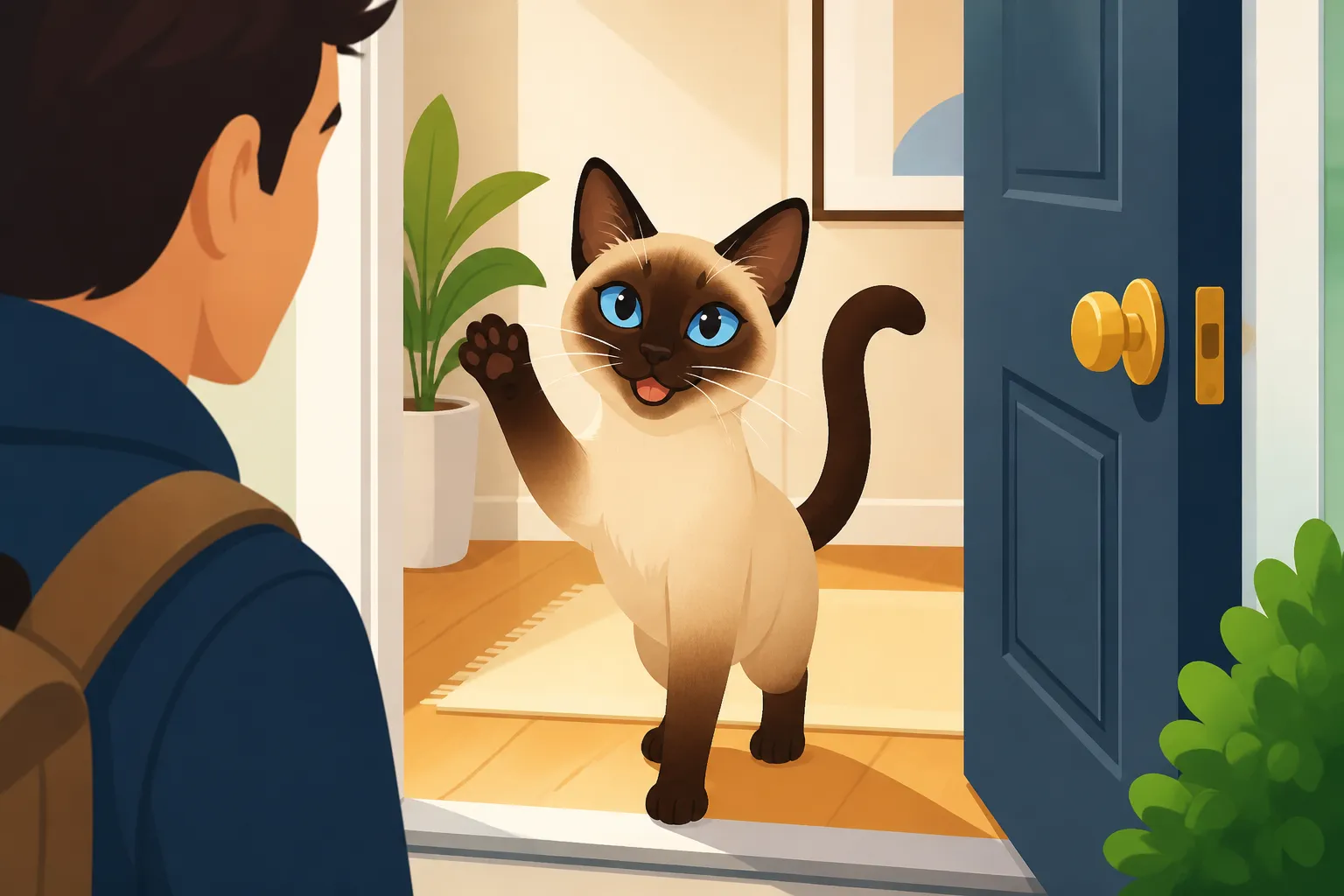
Many Siamese cat owners experience that enthusiastic, often vocal, greeting the moment they walk through the door. It's more than just a casual "hello"; it's a full-on welcome committee, complete with chirps, meows, and a whirlwind of tail wags and leg rubs. While it’s utterly endearing, it often leaves us wondering, "Why my Siamese? Do other cats do this? What's going on in that clever head of theirs?" This guide is here to dive deep into the fascinating reasons behind your Siamese cat's devoted door-side vigil, exploring their unique personality, communication styles, and how you can best respond to this special bond.
The Siamese Cat's Deep Social Bond and Why It Manifests at the Door
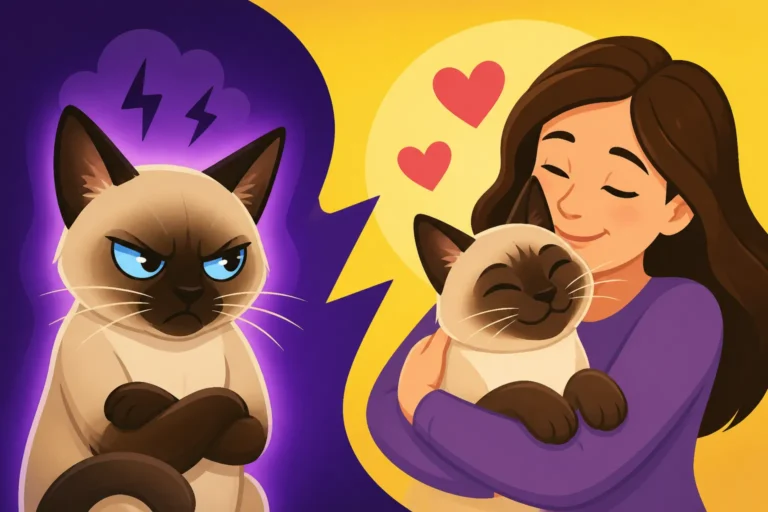
Siamese cats aren't just pets; they're family members who embed themselves into your life with an intensity that's truly unmatched by many other breeds. Their greeting at the door isn't a random act; it's a direct expression of their profound social nature and the strong attachment they form with their humans.
A Breed Built for Connection
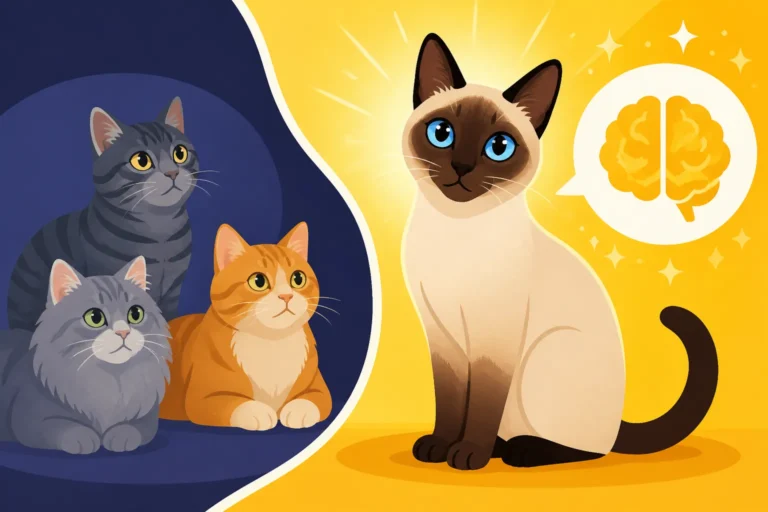
Unlike some more independent feline breeds, the Siamese cat thrives on interaction and connection. They were historically revered as companions and even guardians in their homeland, a heritage that has seemingly been woven into their very DNA. This isn't a cat that's content to merely co-exist with you; they want to be with you, involved in your daily life, and the separation during your absence is keenly felt.
When you walk through that door, to your Siamese, it’s not just you returning; it's their world being restored. Imagine being a small, highly intelligent creature whose favorite person suddenly vanishes for hours. When you reappear, it's a cause for celebration. This deep-seated need for companionship means they've often been waiting, listening, and anticipating your return. It's why they often follow you room to room, supervising your activities – they just love being near their chosen people.
This isn't merely a habit; it’s an intrinsic part of who they are. Their emotional investment in their human companions is significant, making them highly attuned to your presence and absence. The moment you cross that threshold, you're not just entering your home; you're re-entering their sphere of influence, their comfort zone, and they want to make sure you know how important your return is to them. For more on their personality, check out What a Siamese Cat's Temperament Is Really Like.
The Anticipation of Your Return
Siamese cats are incredibly intelligent and routine-oriented. They're like little detectives, constantly observing your patterns and learning your schedule. They quickly pick up on the subtle cues that signal your impending arrival: the particular sound of your car turning into the driveway, your unique footsteps on the walkway, the familiar jingle of your keys outside the door, or even the distinct way your bag hits the floor.
These aren't just random noises to them; they're precise indicators that their person is coming home. Their internal clock is probably more accurate than any timepiece you own, and they've likely been aware of your general return window for a while. As those familiar sounds draw closer, their anticipation builds, leading to a palpable excitement. They position themselves by the door, often pacing, twitching their tail, and listening intently.
That burst of energy and vocalization you're met with is the culmination of hours of waiting, a joyous release that you're finally home. It's their way of saying, "I knew you were coming! I've been waiting for you!" It’s a profound testament to their keen observational skills and the value they place on your presence in their lives. They haven't just been idly napping; a part of their attention has been dedicated to sensing your return.
Communication Through Greeting: What Your Siamese is Telling You
The door greeting is a complex act of communication, a rich tapestry of sounds and movements designed to convey a myriad of messages. It's not just a single "meow," but an entire dialogue if you know how to interpret it.
The Vocal Welcome
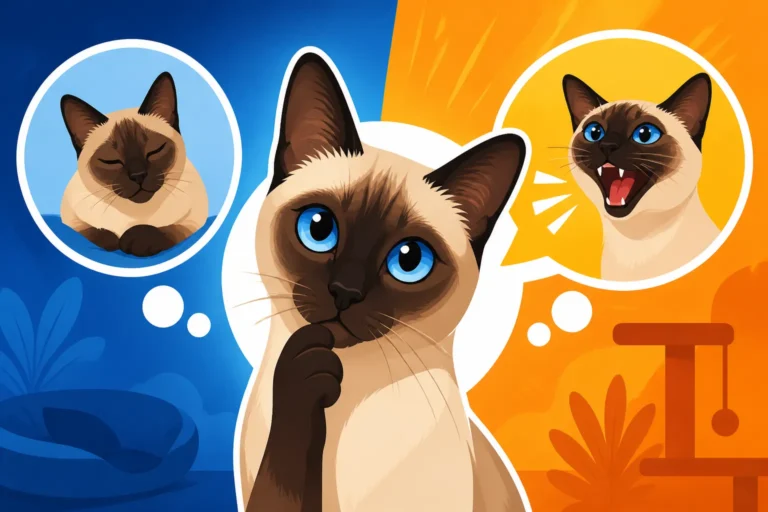
Ah, the famous Siamese voice! It's one of their most defining characteristics, and they certainly aren't shy about using it to greet you. From soft chirps and trills to insistent meows and the dramatic "Meezer yowl," their vocal repertoire at the door is extensive. Each sound carries a slightly different nuance, offering a window into their current state of mind.
A soft trill or a gentle chirp might be a sweet, pure expression of happiness to see you, a subtle "Hello, I missed you." A more insistent, drawn-out meow could be a demand for immediate attention, food, or cuddles, possibly indicating they're feeling a bit neglected or hungry. And that deep, resonant yowl? That often signifies, "Where have you been? I was so lonely! Now, pay attention to me!" It's a full-throated declaration of their feelings and needs.
They are truly conversing with you, expecting an answer in return. Many owners find themselves having full-blown conversations with their Siamese as they kick off their shoes, validating their cat's efforts to communicate. It's a key part of The Siamese Cat Talks and Expects an Answer. The volume and intensity of their vocalizations often increase if they've felt particularly bored or anxious during your absence, serving as a powerful emotional release. Want to understand more about their specific sounds? Read What a Siamese Cat's Yowl Means.
Body Language Beyond the Meow
While their voice is prominent, a Siamese cat's body language during a greeting is equally expressive and tells a comprehensive story. Their entire body becomes a dynamic message board, often communicating more than words ever could.
You'll typically see their tail held high and waving, sometimes with a slight curve at the tip, a classic sign of happiness, confidence, and pure joy at your return. A tail that's twitching or lashing vigorously might indicate excitement mixed with a touch of impatience or an urgent request for interaction. This high tail is essentially their flag of welcome.
They'll often immediately start rubbing against your legs, weaving between your ankles. This isn't just affection; it's also a potent form of scent marking. By rubbing their cheeks and flanks against you, they're reactivating their scent glands, reaffirming their bond and "claiming" you again after your absence. It's a comforting, ritualistic act that re-establishes your connection and declares to the world (or any other pets) that you are theirs.
If they're particularly overjoyed and feeling secure, they might start kneading (often called "making biscuits") your legs, your clothes, or even the floor near you. This is a leftover kitten behavior, a primal sign of extreme contentment, comfort, and feeling utterly safe, just like they would with their mother. Finally, you might see them rolling on their back, exposing their vulnerable belly. This is the ultimate sign of trust and a deep sense of security. They're telling you they feel completely safe and happy in your presence, and they might even be inviting a gentle belly rub (though always approach belly rubs cautiously, as not all cats enjoy them despite the invitation!). Observing these subtle cues alongside their vocalizations helps you understand the full depth of their greeting.
Addressing Underlying Needs: Beyond Just a "Hello"
While much of the door greeting is a joyful expression of love and connection, it can sometimes hint at deeper needs that, when met, can lead to an even happier and more balanced Siamese cat. Understanding these underlying needs is crucial for their overall well-being.
The Need for Attention and Play
Siamese cats are incredibly intelligent and possess a high level of energy. They thrive on mental and physical stimulation, and a long day spent without their favorite human often means pent-up energy, an accumulation of unused mental capacity, and a deep yearning for interaction. That intense greeting you receive can sometimes be a direct, unspoken plea for immediate play and attention, a way to release all that bottled-up zest for life.
If your Siamese seems overly demanding, frantic, or even a little bit clingy at the door, it might be a sign they need more enrichment throughout their day. Consider scheduling dedicated playtimes both before you leave for the day and immediately after you return. Interactive toys like feather wands, fishing pole toys, and even carefully supervised laser pointers can help them burn off excess energy and engage their keen hunting instincts. Puzzle feeders, which you can find easily on platforms like Amazon, are fantastic for engaging their minds, making meal times more stimulating, and preventing boredom while you're away.
This proactive approach can transform their "I need attention NOW!" greeting into a more relaxed, but equally enthusiastic, "Welcome home, friend!" It demonstrates that their needs are being met consistently, not just upon your return. For more ideas on engaging their minds, explore Enrichment for a Siamese Cat That Gets Bored in an Hour.
Here's a quick comparison of enrichment types that can help:
| Enrichment Type | Description | Benefits | How It Helps with Door Greetings |
|---|---|---|---|
| Interactive Toys | Feather wands, fishing pole toys, string, remote-controlled toys | Physical exercise, mental engagement, bonding | Drains energy, reinforces positive interaction |
| Puzzle Feeders | Dispense treats/food when solved, varying difficulty levels | Mental stimulation, slows eating, prevents boredom | Keeps mind active while alone, reduces food-related urgency |
| Vertical Space | Cat trees, wall shelves, window perches | Sense of security, observation, climbing exercise | Provides a "job" during absence, reduces anxiety |
| Foraging Toys | Hiding treats in crumpled paper, small boxes, snuffle mats | Instinctual behavior, mental challenge | Engages natural hunting drive, provides satisfaction |
Managing Separation Anxiety and Boredom
For some Siamese cats, the intense door greeting might stem from a touch of separation anxiety or profound boredom rather than just pure excitement. Their deep bond with their human means they can genuinely miss you, and being left alone for extended periods without adequate stimulation can be quite stressful for their sensitive nature. They aren't just waiting; they're sometimes enduring your absence.
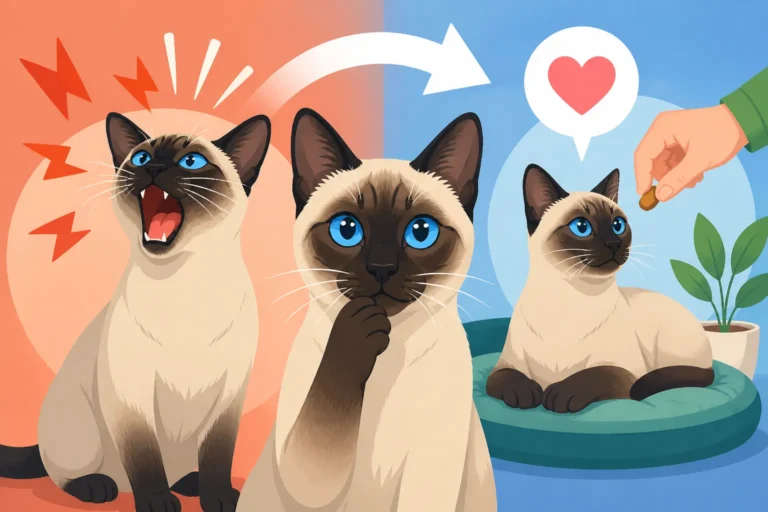
Signs of more severe separation anxiety might include excessive vocalization while you're gone (which neighbors might mention), destructive behavior directed at furniture or personal items, or even inappropriate urination or defecation outside the litter box. If you suspect this is the case, your door greeting is less about sheer joy and more about overwhelming relief and a desperate need to re-establish connection and reassurance. They're telling you, "I was worried you wouldn't come back!"
To help mitigate this, you can gradually increase the time you're away from home, starting with short intervals. Ensure they have plenty of interesting toys and activities to occupy themselves. Leaving a radio or TV on for background noise can also sometimes provide a comforting presence. A Feliway diffuser, which creates a calming feline pheromone environment and can be found on Amazon, can also be a helpful tool in creating a more relaxed atmosphere. If the problem persists and significantly impacts their well-being, consulting a feline behaviorist or your veterinarian for guidance is always a wise step. Sometimes, a compatible companion cat can even help; read When a Siamese Cat Needs a Second Cat.
Fostering a Healthy Greeting Ritual
Your Siamese cat's greeting is a deeply special and personal part of your relationship, a cherished ritual that speaks volumes about your bond. By understanding and gently shaping this interaction, you can encourage a healthy, happy greeting that benefits both you and your feline friend.
Acknowledge, Then Engage
When you first walk in, it's a completely natural instinct to want to immediately scoop up your enthusiastic Siamese, showering them with cuddles and vocal affirmations. While this is certainly heartwarming, doing so immediately, especially if they are frantically meowing or rubbing, can sometimes inadvertently reinforce overly demanding or frantic behavior. It can teach them that the most intense display of need gets the quickest response.
Instead, try this: acknowledge their presence calmly. A soft, soothing "Hello, sweetie, I'm home" or a gentle, reassuring pat as you walk by to put down your keys and bags can do wonders. The key is to convey that you see them and you appreciate their excitement, but you're not rewarding the most intense display. Then, once you've had a moment to settle your own things, you can fully engage. Sit down, offer a proper cuddle, initiate a play session, or give them their dinner.
This approach teaches them that you will give them attention and love, but on your terms, after the initial excitement has had a chance to settle slightly. It helps to differentiate between frantic "I need you now!" cries and a calmer, more respectful request for interaction. This fosters a more balanced interaction and can prevent them from becoming overly demanding the absolute second you step inside. Consistency in this calm acknowledgement before full engagement is incredibly important for them to understand the new pattern.
Create a Predictable Routine
Siamese cats, with their intelligent and often anxious tendencies, thrive on routine. They are creatures of habit, and predictability is their comfort blanket. A consistent, predictable schedule for feeding times, playtime sessions, and even your comings and goings can significantly reduce any underlying anxiety and help them better manage your absence. If they know roughly when to expect you home, and what to expect from you when you get home (for example, a dedicated play session followed by dinner), they'll feel much more secure and less stressed.
Even on weekends or days when your schedule is typically more flexible, try to maintain a somewhat regular pattern for their core activities. Sudden, drastic deviations can sometimes confuse and stress a sensitive Siamese, making them wonder if their world has shifted. Think of it like this: your routine provides a reassuring structure to their day. Knowing what's next helps them feel in control of their small world, even when you're not physically present. A routine also helps with managing their expectations, ensuring that their greeting is a celebration of your return, rather than a desperate plea for normalcy. If you know you'll be away for longer periods, consider a trusted pet sitter or a programmed automatic feeder, also easily found on Amazon, to maintain their meal schedule and a sense of routine.
Enrichment as Prevention, Not Just a Cure
Don't wait until your Siamese is showing obvious signs of boredom, anxiety, or destructive behavior to provide enrichment. Make mental and physical stimulation a regular, integrated part of their day, every single day. This proactive approach helps to keep their highly intelligent minds and athletic bodies consistently engaged and satisfied, making your absence much less impactful and their greetings less intense out of sheer pent-up need or desperation.
Regularly rotate their toys to keep things fresh and exciting, introduce new climbing opportunities with sturdy cat trees or wall shelves like a Cat Tree for a Siamese Cat, and dedicate specific time each day to interactive play. This isn't just about exhausting them; it's about fulfilling their natural instincts to hunt, stalk, and explore. Consider harness training for supervised outdoor excursions if your environment allows for it safely, as mentioned in How to Leash Train a Siamese Cat. This can provide a fantastic new sensory experience.
The more fulfilling and enriched their day-to-day life is, the less they will feel the need to rely solely on your return for their happiness and stimulation. A well-enriched Siamese is a happy, balanced Siamese, and a happy Siamese will greet you with genuine joy, calm enthusiasm, and a deep appreciation, not just a desperate outcry. This sustained engagement ensures their bond with you remains strong and healthy, built on mutual trust and understanding, rather than being fueled by anxiety or unmet needs.
The intense greeting you receive from your Siamese cat at the door is a profound reflection of their unique personality, deep attachment, and sophisticated communication. By understanding the motivations behind their enthusiastic welcome, you can not only appreciate this special bond even more but also ensure you're meeting all their needs for a happy, enriched life. It’s a privilege to be loved so completely by these magnificent felines.
Disclaimer
This article is for general informational purposes only and does not constitute professional advice. Laws, prices and regulations vary by location and change over time. Consult a qualified professional for guidance on your specific situation.