How Often a Siamese Cat’s Ears Need Cleaning
It's easy to get caught up in the idea of keeping our beloved Siamese cats perfectly groomed from nose to tail, and sometimes that includes a nagging thought about their ears. You might gaze at those magnificent, large ears and wonder, "Are they collecting dust? Should I be cleaning them regularly, like a routine chore?" The truth is, while routine checks are absolutely vital, a healthy Siamese cat's ears often need far less intervention than you might think. This guide is here to walk you through exactly when and how to approach ear cleaning, dispelling myths and empowering you to keep your Meezer's ears in tip-top shape without overdoing it.
Understanding Your Siamese Cat's Ears: More Than Just Listening Posts
Those prominent, elegant ears are a hallmark of the Siamese breed, adding to their distinctive appearance. But they're not just for looks and sharp hearing; they're also designed with their own natural maintenance system.
The Anatomy of a Siamese Ear: Why They're Different
Siamese cats are known for their striking features, and their ears are no exception. They tend to be larger and more open than those of many other domestic breeds, sometimes described as "bat-like." This structure allows for excellent sound collection, which contributes to their renowned attentiveness and vocal nature.
However, despite their openness, the internal structure of a cat's ear is quite intricate. It's not a straight shot to the eardrum. Instead, cats have an L-shaped ear canal, with both a vertical and a horizontal section. This design provides some protection for the delicate inner ear, but it also means that if debris or fluid does get in, it can be tricky for it to get out on its own. The skin lining the ear canal also naturally produces a small amount of cerumen, or ear wax, which helps trap dust and foreign particles. In a healthy ear, tiny hairs and the natural movement of the ear canal work together to gently push this wax and debris outwards, essentially self-cleaning. It's a marvel of feline engineering!
What's "Normal" for Siamese Cat Ears?
Here's the crucial bit: for most healthy Siamese cats, "normal" ears are surprisingly clean. When you gently flip back your Siamese's ear flap and peek inside, you should see clean, pale pink skin, with minimal to no visible wax or debris. There should be no strong odor whatsoever – a healthy ear smells like, well, nothing much at all.
You might see a very light, waxy film, which is perfectly normal. This is part of the ear's natural protective layer. You shouldn't see any redness, swelling, or discharge. If your Siamese is generally How Healthy the Siamese Cat Actually Is and you conduct regular wellness checks, their ears should largely take care of themselves. The urge to "clean" a healthy, clean ear can actually be counterproductive, disrupting its natural balance and potentially leading to irritation or even infection. So, before you reach for that ear cleaner, take a good, close look and trust your instincts about what looks and smells right.
When and Why Your Siamese Cat's Ears Might Need Cleaning
While a healthy Siamese cat's ears are typically self-sufficient, there are definitely times when intervention is not just helpful but necessary. Knowing the difference is key to providing appropriate care.
Signs That Indicate a Need for Cleaning (and Potential Problems)
The first step in knowing when to clean is knowing what to look for. Your Siamese cat, being the expressive creature they are, will often give you clues if something isn't quite right with their ears. Keep an eye out for these signs:
- Excessive Wax or Discharge: This is perhaps the most obvious sign. While a tiny bit of light-colored wax is normal, dark brown, black, yellow, or green discharge is not. It might be thick, crusty, or sticky. This could indicate anything from excessive wax production to ear mites or bacterial/yeast infections.
- Strong Odor: If you notice a distinct, unpleasant smell emanating from your cat's ears – anything yeasty, sweet, or foul – it's a huge red flag. Healthy ears should be practically odorless.
- Redness or Swelling: The skin inside the ear flap and canal should be pale pink. If it looks inflamed, red, or swollen, this points to irritation or infection.
- Scratching or Pawing at Ears: If your Siamese is constantly scratching at their ears, rubbing their head on furniture, or pawing at their ear area, they're clearly uncomfortable.
- Head Shaking or Tilting: Frequent head shaking or persistently tilting their head to one side can be a sign of discomfort or pain deep within the ear.
- Pain When Touched: If your cat flinches, cries out, or resists when you try to examine or touch their ears, it's a strong indicator of pain or sensitivity.
- Changes in Behavior: Sometimes, ear discomfort can manifest as more general changes, such as irritability, loss of appetite, or lethargy. It’s important to pay attention to Signs a Siamese Cat Is Unwell beyond just the ears.
It’s important to understand that many of these signs – especially strong odor, redness, and dark discharge – are more indicative of an infection or mites than just "dirty" ears. In such cases, a trip to the vet is absolutely essential before you attempt any cleaning yourself. Cleaning an infected ear without proper diagnosis can push debris deeper, exacerbate the problem, or simply delay the treatment your cat truly needs.
Factors That Can Increase Ear Wax or Debris
So, why might some Siamese cats develop ear issues when others don't? Several factors can play a role:
- Environmental Allergies: Just like people, cats can suffer from environmental allergies. Pollen, dust mites, or certain ingredients in their food can trigger an allergic response that manifests as inflamed, itchy skin – and the ears are a common target. When the ear canal becomes irritated, it can produce more wax and become more susceptible to secondary infections. Keeping their living environment clean and addressing potential allergens can sometimes help manage this. For example, knowing What Triggers a Siamese Cat's Asthma can give you clues about other airborne irritants that might affect their ears.
- Ear Mites: These tiny parasites are a common cause of itchy, dirty-looking ears, especially in kittens or cats who have spent time outdoors or in shelters. They cause a characteristic dark, crusty, coffee-ground-like discharge. These require specific veterinary treatment and home cleaning alone won't solve the problem.
- Bacterial or Yeast Infections: These can be primary issues or secondary to allergies, mites, or even over-cleaning. They often cause a strong odor and various types of discharge. Again, a vet visit is paramount for diagnosis and prescription medication.
- Excessive Grooming or Over-cleaning: Ironically, trying to keep ears too clean can sometimes backfire. Over-cleaning can irritate the delicate skin in the ear canal, leading to inflammation and increased wax production as the body tries to protect itself.
- Anatomical Peculiarities: While Siamese ears are generally well-ventilated due to their size, individual cats might have slightly narrower canals or more hair within the canal, predisposing them to wax buildup. However, this is less common than in some floppy-eared breeds.
The Right Way to Clean a Siamese Cat's Ears (When Necessary)
If your vet has given you the green light to clean your Siamese cat's ears – either as part of a treatment plan or because they simply have a bit of benign wax buildup – here’s how to do it safely and effectively. Remember, gentleness and patience are your best tools.
Gathering Your Supplies: What You'll Need
Before you even think about approaching your cat, get everything ready. This minimizes stress for both of you and makes the process smoother.
- Vet-Approved Ear Cleaner: This is non-negotiable. Do NOT use water, hydrogen peroxide, rubbing alcohol, or human ear drops. These can be irritating, damaging, or ineffective for feline ears. Your vet can recommend a specific feline ear cleaner that is pH-balanced and designed to break down wax and debris gently. You can often find these specialized cleaners at your vet's office, or through reputable online pet supply retailers like Chewy or Amazon.
- Cotton Balls or Soft Cotton Pads: These are ideal for wiping the outer ear and accessible parts of the ear canal. Avoid using cotton swabs (Q-tips) for anything other than the very outer folds of the ear, as they can push debris deeper into the ear canal and potentially damage the eardrum.
- Towels: A soft towel can be used to gently wrap your cat, providing a sense of security and preventing them from wiggling away too easily.
- Treats and Praise: Essential for positive reinforcement! Make this a positive experience, even if it's a bit uncomfortable.
- A Calm Space: Choose a quiet area where you and your cat won't be disturbed.
A Step-by-Step Guide to Gentle Ear Cleaning
Once you have your supplies and your cat is relatively calm, you can begin the process. If your cat is particularly resistant, consider enlisting the help of another person to gently hold them.
- Prepare Your Cat: Gently hold your Siamese cat in a comfortable position. You might want to wrap them loosely in a towel if they tend to be squirmy. Speak to them in a calm, reassuring voice. Give them a treat and a cuddle.
- Examine the Ear: Carefully fold back the ear flap (pinna) to expose the opening of the ear canal. Take another look to confirm there's no severe redness, swelling, or signs of pain that might warrant stopping and calling the vet.
- Apply the Cleaner: Hold the ear flap up and instill the recommended amount of ear cleaner into the ear canal. Follow the instructions on the cleaner bottle or your vet's specific advice. Don't be shy – you need enough liquid to really flush the canal.
- Massage the Base of the Ear: This is a crucial step! Gently massage the base of your cat's ear for about 20-30 seconds. You should hear a squishy sound as the cleaner moves around in the ear canal, breaking up wax and debris. Your cat might shake their head during this step, which is fine – it helps dislodge the gunk.
- Wipe Away Debris: Allow your cat to shake their head. Then, take a fresh cotton ball or pad and gently wipe away any visible cleaner, wax, and debris from the outer ear and the opening of the ear canal. Only clean as far as your finger can comfortably reach; never insert anything deep into the ear canal. You might need to use several cotton balls until they come out relatively clean.
- Repeat (if necessary): If both ears need cleaning, repeat the process on the other ear.
- Reward and Praise: Once finished, shower your Siamese with praise, gentle strokes, and their favorite treats. You want them to associate this experience with positive outcomes, which can make future cleaning sessions much easier. Many cats can be quite tolerant once they realize it doesn't hurt and it comes with rewards! For comprehensive grooming tips, check out Grooming a Siamese Cat Takes Five Minutes a Week.
What to Avoid When Cleaning Your Siamese Cat's Ears
Just as important as knowing what to do is knowing what not to do.
- Never Use Cotton Swabs (Q-tips) Inside the Ear Canal: This is probably the biggest mistake owners make. Cotton swabs can easily push wax and debris deeper into the ear, creating a blockage or impacting the eardrum. They can also scratch the delicate lining of the ear canal, leading to pain and infection. Stick to cotton balls or pads for wiping the accessible outer parts.
- Don't Use Household Products: As mentioned, avoid hydrogen peroxide, rubbing alcohol, vinegar, or even plain water. These can be irritating, cause dryness, or even promote bacterial growth by altering the ear's natural pH.
- Don't Over-Clean: If your cat's ears are consistently clean, don't clean them just for the sake of it. Over-cleaning can strip the ear of its natural protective oils and lead to irritation. Follow your vet's advice on frequency.
- Don't Force It: If your cat is in pain, extremely agitated, or aggressive, stop immediately. Forcing the issue will only make them more resistant in the future and could lead to injury. It’s better to reschedule or consult your vet for sedation if absolutely necessary.
- Don't Ignore Signs of Infection: If you see any of the red flags discussed earlier (strong odor, severe redness, unusual discharge), do not attempt to treat it yourself with cleaning. Always get a veterinary diagnosis first.
Preventing Ear Problems and Maintaining Ear Health
The best approach to ear care for your Siamese cat is often preventative. By staying vigilant and creating a healthy environment, you can minimize the need for frequent deep cleaning.
Regular Checks Are Key: Building a Routine
The cornerstone of good ear health for your Siamese is regular visual inspection. This doesn't mean cleaning every time, but simply taking a moment to look and smell.
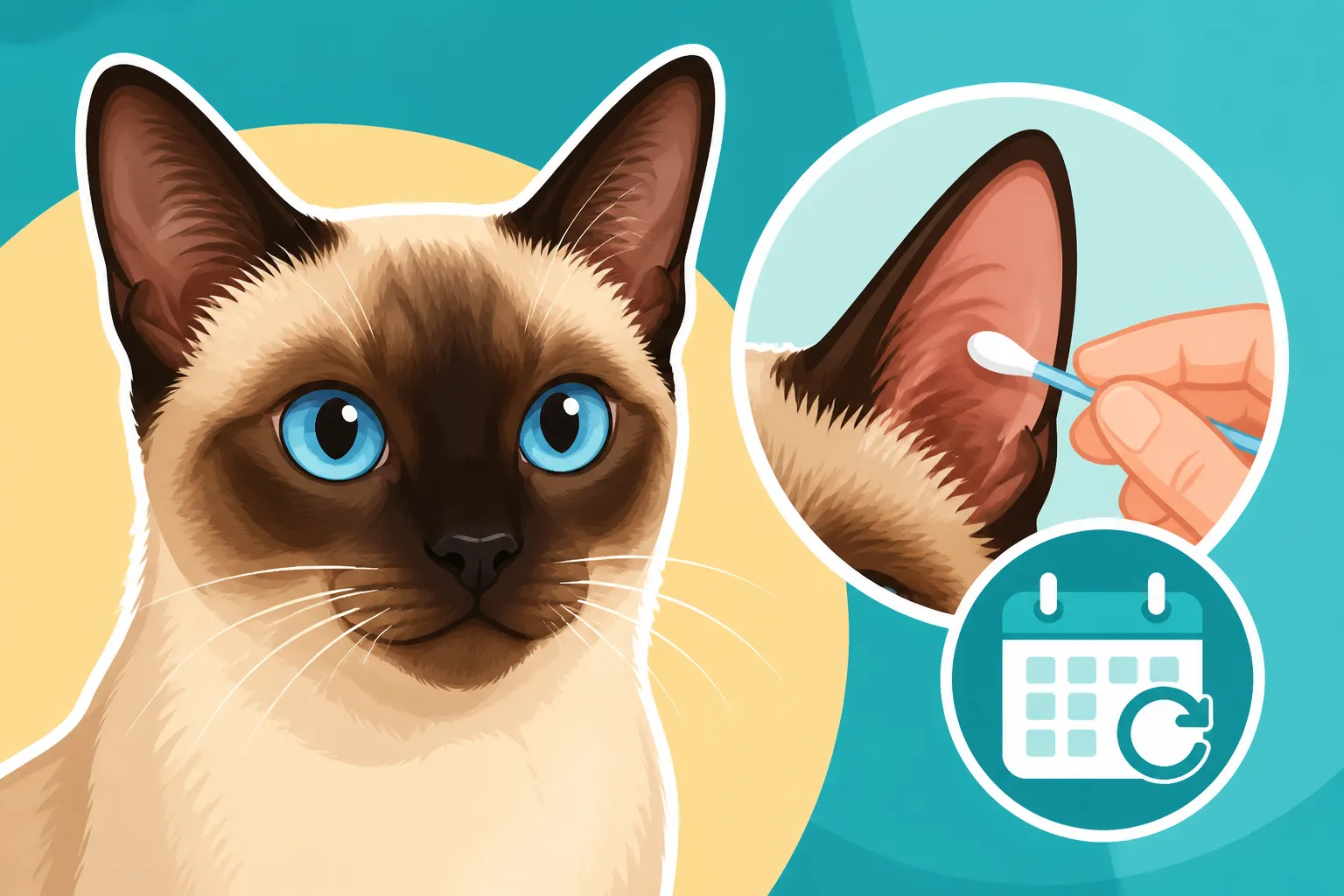
Aim for a quick ear check at least once a week. This can be incorporated into your regular petting routine. Gently lift their ear flaps, peer inside, and take a sniff. Get familiar with what a healthy ear looks and smells like for your individual cat. This way, you’ll quickly spot any subtle changes before they become major problems. If you notice any redness, unusual discharge, or a funky smell, that's your cue to investigate further or consult your vet.
It’s also incredibly helpful to get your Siamese cat used to having their ears handled from a young age. Start by gently touching their ears during cuddle sessions, rewarding them with treats and praise. This desensitization can make any future examinations or cleanings much less stressful for both of you. Regular How Often a Siamese Cat Needs a Wellness Exam at the vet will also include a professional ear check, which is invaluable. Discussing What a Siamese Cat's Yearly Bloodwork Should Cover with your vet also ensures you're on top of their overall health, which can sometimes impact ear health.
Environmental Management and Diet's Role
The environment your Siamese lives in and the food they eat can indirectly impact their ear health.
- Minimize Dust and Allergens: Since environmental allergies can contribute to ear issues, keeping your home as dust-free as possible can be beneficial. Regular vacuuming (especially with a HEPA filter), using air purifiers, and avoiding strong chemical cleaners or air fresheners can reduce airborne irritants. If your cat suffers from asthma, which can also be triggered by environmental factors, you'll already be familiar with managing these elements.
- Quality Nutrition: A healthy diet supports a robust immune system and healthy skin and coat, including the delicate skin inside the ears. High-quality cat food provides essential nutrients that can help reduce inflammatory responses and promote overall wellness. While specific foods don't “clean” ears, a cat struggling with food allergies might develop skin and ear inflammation. If you suspect food allergies, work with your vet to identify and eliminate trigger ingredients.
- Preventing Pests: If your cat has outdoor access, or if you have other pets, regular flea and parasite prevention is important. Ear mites are highly contagious and can quickly spread among pets. Consistent preventative measures can keep these tiny invaders at bay.
By being proactive with inspections, making your home a healthy haven, and providing excellent nutrition, you're setting your Siamese cat up for a lifetime of comfortable, healthy ears. And remember, when in doubt, your veterinarian is always your best resource. For more on general grooming, you might find How Often a Siamese Cat Needs Brushing helpful, as many of these principles apply across the board for maintaining your cat's well-being.
Ear Health Indicators: When to Clean vs. When to See a Vet
Knowing the subtle differences in what you observe can save you a lot of worry and ensure your Siamese cat gets the right care. Here's a quick guide to help you decide when a DIY cleaning might be appropriate and when it's definitely time to call the vet.
| Indicator | Healthy Ear (No Cleaning Needed) | Mild Debris (Cleaning Might Help) | Problematic Ear (Vet Visit Essential) |
|---|---|---|---|
| Appearance | Pale pink, clean, no visible discharge | Very light, sparse, yellowish/light brown wax | Red, swollen, crusty, dark brown/black, yellow, or green discharge |
| Odor | No discernible smell | No odor | Strong, foul, sweet, or yeasty odor |
| Cat's Behavior | Calm, no scratching, head shaking | No distress, occasional light pawing | Frequent scratching, head shaking, tilting, pain on touch, lethargy |
| Temperature/Swelling | Normal temperature, no swelling | Normal temperature, no swelling | Warm to the touch, visible swelling |
| Response to Touch | Tolerant, enjoys gentle petting | Tolerant, might twitch slightly | Painful, cat pulls away, hisses, cries |
| Action to Take | Maintain regular checks | Gentle cleaning with vet-approved solution | Contact your veterinarian immediately |
It's truly empowering to understand your Siamese cat's needs and how to best care for them. Those beautiful, large ears are usually quite self-sufficient, a testament to their natural design. Remember, the goal isn't to constantly "fix" something that isn't broken, but rather to be observant, proactive, and ready to act when real signs of trouble appear. Regular checks, a clean environment, and good nutrition form the foundation of healthy ears. When in doubt, always err on the side of caution and reach out to your veterinarian. They are your best partner in ensuring your cherished Siamese cat enjoys a long, healthy, and happy life, full of clear hearing and comfortable ears. As your Siamese cat ages, you might notice subtle changes in their overall health, so understanding What Changes in a Siamese Cat After Twelve can also provide broader context for care.
Disclaimer
This article is for general informational purposes only and does not constitute professional advice. Laws, prices and regulations vary by location and change over time. Consult a qualified professional for guidance on your specific situation.