Why a Siamese Cat’s Belly Stays Pale
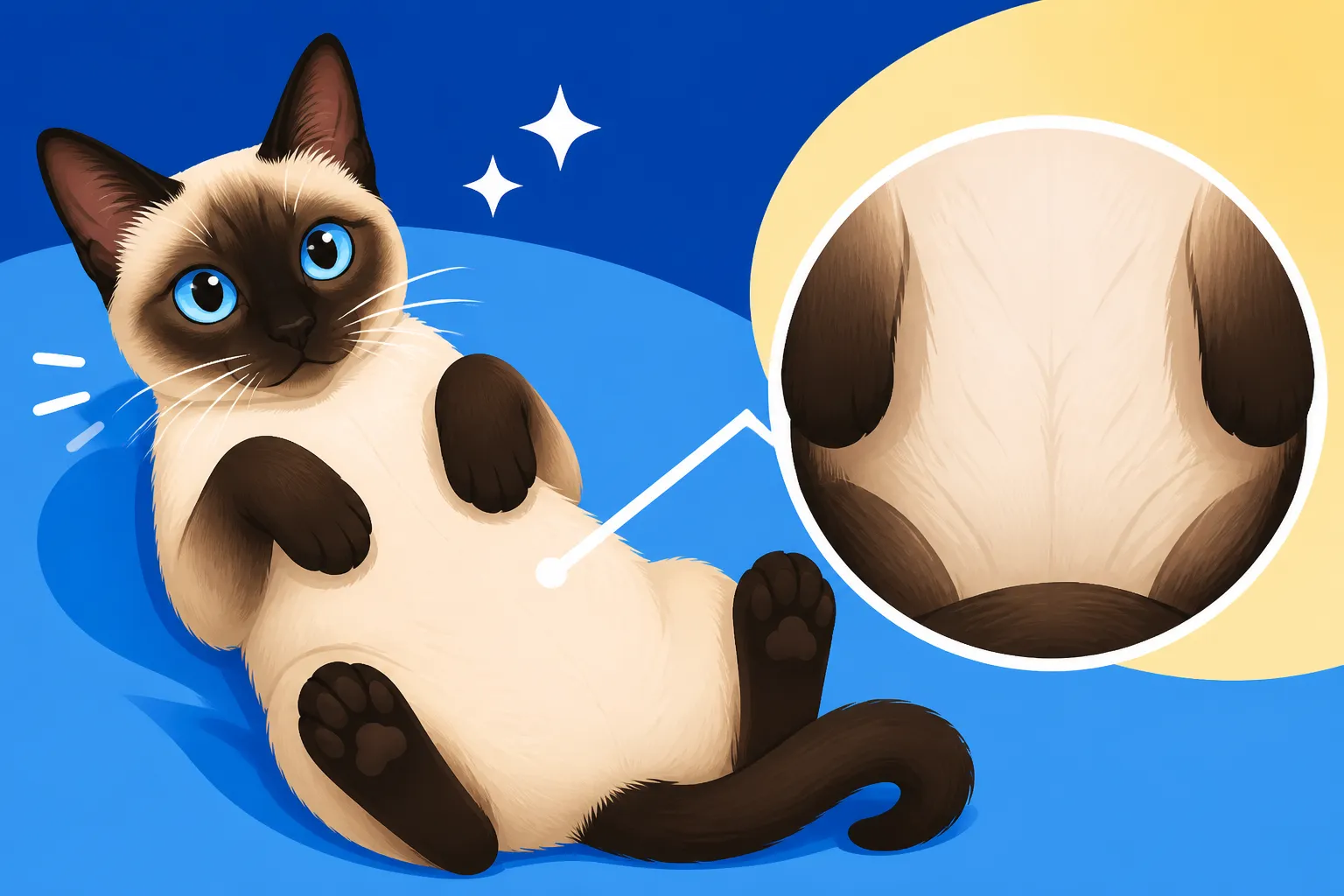
It’s a common sight for Siamese cat owners: those striking dark points on their ears, paws, tail, and face, contrasting beautifully with a surprisingly pale, almost pristine white belly. If you've ever found yourself wondering why your elegant feline's tummy remains so stubbornly light while the rest of them toasts to a richer hue, you're not alone. This guide will dive deep into the fascinating genetics and biology behind this unique Siamese characteristic, giving you a full understanding of your cat's captivating coloration.
The Marvel of Melanin: How Siamese Cat Coloration Works
The distinctive coat pattern of a Siamese cat, known as point coloration, isn't just a random genetic lottery; it's a beautiful scientific marvel. It’s all down to a very specific gene mutation that affects how melanin, the pigment responsible for fur color, is produced. This isn't just about color; it's about temperature.
The Temperature-Sensitive Enzyme at Play
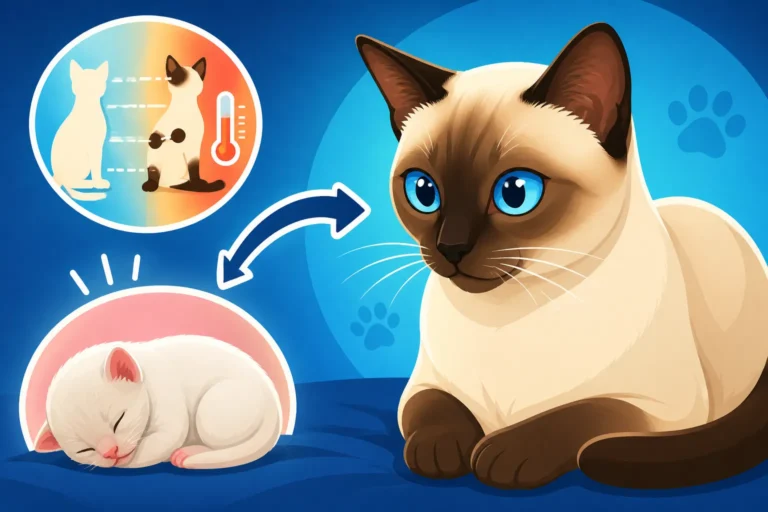
At the heart of a Siamese cat's unique color scheme is a temperature-sensitive enzyme called tyrosinase. Now, that might sound like a mouthful, but think of it as a tiny, internal little artist responsible for painting your cat's fur. In most cats, this enzyme works pretty consistently throughout their body, producing melanin regardless of the surrounding temperature. But in Siamese cats, this tyrosinase enzyme has a quirky little secret: it only functions efficiently in cooler temperatures.
Imagine a paint factory that only produces dark paint when the workshop is chilly. If the workshop gets too warm, the paint production slows down, or even stops altogether. That's essentially what's happening inside your Siamese. In the warmer parts of their body, this enzyme is largely inactive, meaning very little to no dark pigment is produced. In the cooler extremities, however, it springs to life, laying down those gorgeous dark points we all adore. It’s a genetic blueprint that literally responds to the environment of your cat’s own body.
Why Siamese Kittens Are Born White
This temperature sensitivity explains one of the most adorable phenomena in the Siamese world: Why a Siamese Cat Kitten Is Born White. When a Siamese kitten is developing inside its mother's womb, it's nestled in a wonderfully warm environment. The mother's internal body temperature keeps the entire kitten warm, which means that temperature-sensitive tyrosinase enzyme is switched off everywhere.
Because the enzyme isn't active, no dark pigment is produced during gestation, and the kitten is born with a surprisingly light, often creamy white coat. It's truly a blank canvas! It's only after they are born and exposed to the cooler air of the outside world that their points begin to gradually develop. You'll start to see those tell-tale darker hues emerge on their ears, nose, paws, and tail as those cooler areas stimulate the enzyme to start producing melanin. It’s a slow reveal, usually becoming quite noticeable by a few weeks old.
Belly vs. Extremities: The Core Temperature Divide
So, we know the tyrosinase enzyme loves the cold. But why does that translate to a pale belly and dark points? It all boils down to your cat's internal thermostat and how heat is distributed throughout their body.
The Warm Core and Exposed Extremities
Think about your own body on a cold day. What gets cold first? Your fingers, toes, and nose, right? Your core, your torso, stays relatively warm thanks to vital organs and more muscle and fat insulation. The same principle applies to your Siamese cat. Their internal organs, their muscle mass, and even a layer of insulating fat maintain a consistent, warmer temperature around their belly and torso. This internal warmth keeps the tyrosinase enzyme inactive, or at least highly inefficient, in these core regions.
The points—ears, paws, face, and tail—are different. These are the extremities, the parts of the body with less muscle and fat, and often more exposed to the ambient air. They naturally run at a slightly cooler temperature than the main body. It’s in these cooler zones that the tyrosinase enzyme can finally do its job effectively, producing the melanin that gives us those beautiful, contrasting dark points. This stark difference in temperature across the body is the key to their iconic pattern, giving them that stunning, shadowed look. This is a perfect example of How Temperature Controls a Siamese Cat's Color.
Blood Flow and Heat Regulation
Another factor contributing to the pale belly is blood flow and overall heat regulation. Blood circulation plays a crucial role in maintaining body temperature. In areas with high blood flow and active metabolism, like the torso and belly where vital organs reside, heat is constantly generated and maintained. This consistent warmth ensures the tyrosinase enzyme remains largely suppressed.
Conversely, areas with less robust circulation or greater surface area exposed to cooling, such as the tips of the ears or the tail, will naturally be a few degrees cooler. This slight temperature difference is enough to activate the pigment-producing enzyme. It’s a delicate balance, and any slight deviation in internal or external temperature can subtly influence the depth and spread of their point coloration. It’s truly amazing how finely tuned their genetics are to their physiological environment, making each Siamese uniquely patterned.
Beyond the Belly: Factors Influencing Overall Coloration
While the pale belly is a constant, the overall depth and spread of your Siamese's point coloration can vary throughout their life and depending on their environment. It’s not just about a white tummy; it’s about the whole picture.
The Natural Darkening with Age
One of the most noticeable changes you'll observe in your Siamese cat is How Dark a Siamese Cat Gets With Age. As they mature, many Siamese cats experience a gradual darkening of their entire coat, not just their points. This isn't usually due to a change in core body temperature, but rather a slight shift in the efficiency of the tyrosinase enzyme over time, or even minor changes in insulation as their fur thickens.
An older Siamese might have a much richer, browner body color compared to the creamy white of their youth, even on their belly, though the belly will almost always remain significantly paler than their darkest points. This natural aging process means your cat's appearance will evolve, becoming even more distinguished with each passing year. It's one of the charming aspects of owning this breed, watching their colors deepen and mature.
Environmental Impact: Cold Houses and Shaved Patches
The environment your Siamese lives in can also play a role in their overall color. Cats kept in consistently cooler homes might develop slightly darker body coats over time than those living in very warm environments. It’s a subtle effect, but noticeable enough that some owners swear their cat darkens more in winter. You can read more about Why a Siamese Cat Darkens Every Winter.
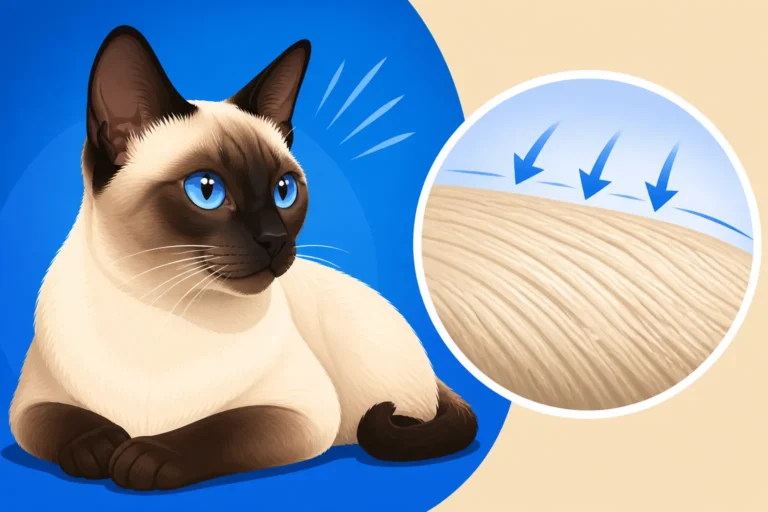
Perhaps the most dramatic demonstration of the temperature-sensitive gene comes from shaved patches. If your Siamese ever needs surgery or a blood draw, and a patch of fur is shaved, you might be surprised to see the fur grow back a much darker shade than the surrounding body hair. This is because the shaved skin, exposed to the cooler ambient air, activates that dormant tyrosinase enzyme, causing the new fur to grow in dark. Don't worry, The Shaved Patch That Grows Back Dark on a Siamese Cat will usually fade back to match the body color as the fur grows longer and provides insulation, warming the skin underneath.
Understanding and Caring for Your Siamese's Coat
Knowing the science behind your Siamese's pale belly is more than just trivia; it helps you appreciate their unique beauty and understand certain aspects of their care. Rest assured, a pale belly is a sign of a perfectly healthy Siamese!
Normal Variation and What to Expect
It’s completely normal for your Siamese to have a pale belly. In fact, it's one of the hallmarks of the breed! The exact shade of their body fur, from a creamy white to a light fawn or even a pale brown, can vary depending on their specific point color (Seal, Blue, Chocolate, or Lilac Point), their age, and their individual genetics. Each cat is a little bit different, and that's part of what makes them so special.
As your cat ages, expect their body color to deepen. A Seal Point, for instance, might go from a pale cream body as a kitten to a warm fawn or light brown as an adult, with their belly remaining the palest part. There's a wide spectrum of normal when it comes to Siamese coloration, and their consistently pale belly is just one fascinating piece of that puzzle.
Keeping Your Siamese Comfortable and Warm
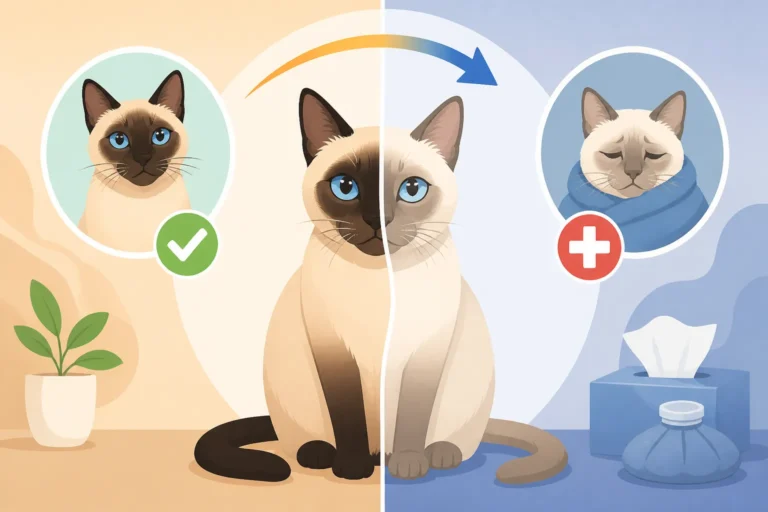
Because their unique coloration is linked to temperature, Siamese cats are often perceived as feeling the cold more than other breeds. While this isn't strictly true in terms of their core body temperature regulation, they do lack an insulating undercoat, which can make them seek out warmer spots. You might notice your Siamese gravitating to sunbeams, snuggling under blankets, or perching on warm electronics.
Ensuring your home is kept at a comfortable temperature for them, especially in cooler months, is a kind gesture. Offering soft, warm beds or even a safe, low-wattage heated pet bed (you can find great options on Amazon or Chewy) can make a huge difference in their comfort. While it won't drastically alter their genetically programmed belly color, a warm environment makes for a happy, cozy cat. Don't try to change your cat's appearance, just keep them comfortable. Keeping a Siamese Cat Warm is always a good idea.
When to Consult Your Vet About Coat Changes
While a pale belly is normal, drastic or sudden changes in your cat's overall coat color or texture can sometimes be an indicator of an underlying health issue. For example, a sudden, unexplained lightening of the fur all over, or patches of dull, brittle hair, could suggest nutritional deficiencies or certain illnesses.
It's also worth noting that stress or illness can sometimes affect coat quality and even, in rare cases, pigmentation. If you notice any unusual changes in your Siamese's coat that are not explained by age or a recent shave, such as a sudden loss of pigment in their points, or a generally unhealthy-looking coat, it's always best to consult your veterinarian. They can help rule out any medical conditions and ensure your beloved feline is in tip-top shape. You might discuss their diet, potentially exploring high-quality foods that can support overall coat health, but always with professional guidance.
Here's a quick overview of how temperature affects different parts of your Siamese's body:
| Body Part | Typical Temperature | Tyrosinase Activity | Resulting Pigmentation |
|---|---|---|---|
| Belly / Torso | Warm (Core Body Temp) | Low / Inactive | Pale / Cream |
| Ears | Cooler (Extremity) | High | Dark |
| Paws | Cooler (Extremity) | High | Dark |
| Tail | Cooler (Extremity) | High | Dark |
| Face / Muzzle | Cooler (Exposure to Air) | High | Dark |
| Shaved Area | Cooler (Exposed Skin) | High (Temporary) | Darker New Growth |
Understanding these fascinating biological quirks helps us appreciate the Siamese cat even more. Their pale belly isn't a mystery; it's a testament to their unique genetic heritage, making them one of the most visually distinctive and endlessly captivating cat breeds.
Disclaimer
This article is for general informational purposes only and does not constitute professional advice. Laws, prices and regulations vary by location and change over time. Consult a qualified professional for guidance on your specific situation.