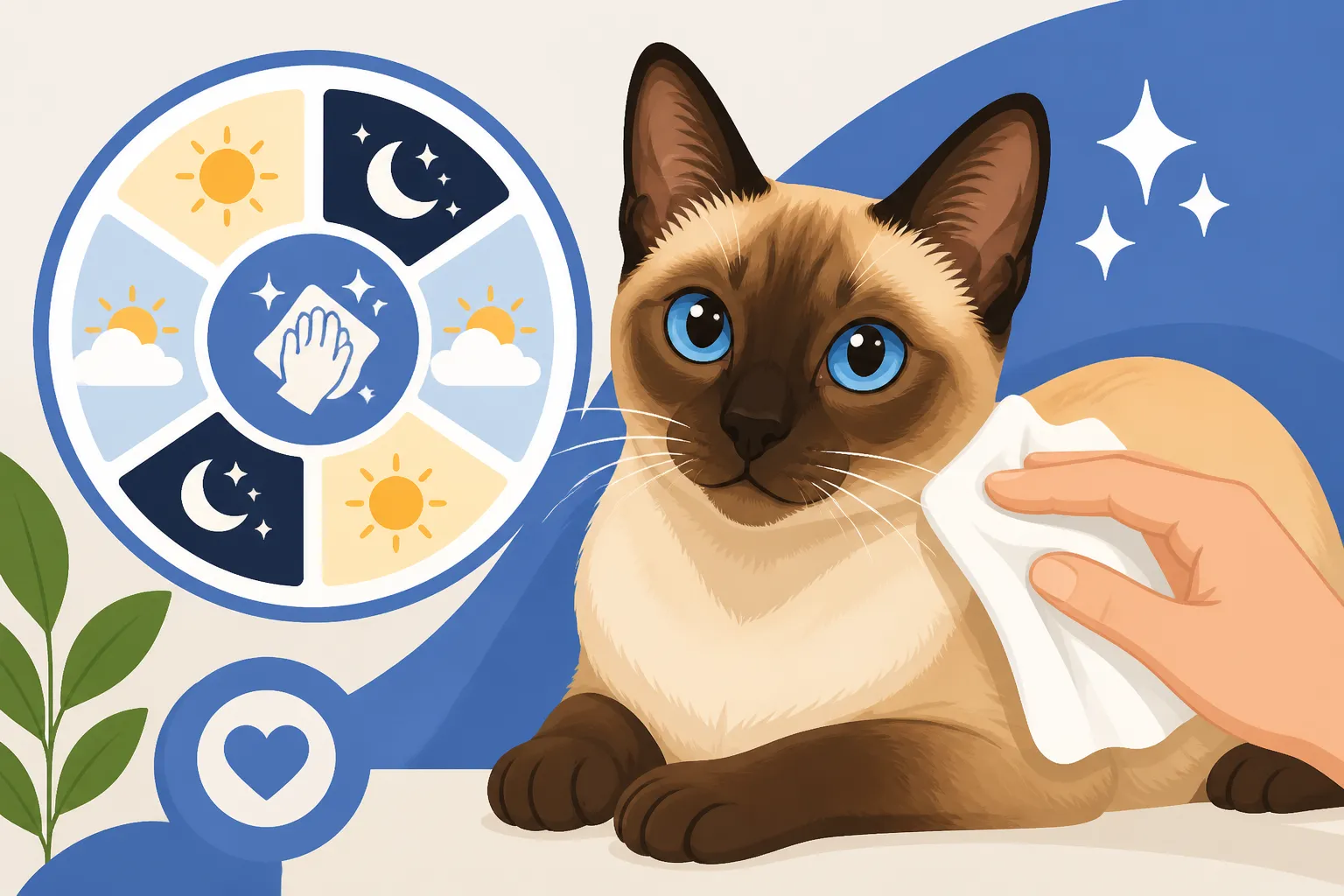
How Often a Siamese Cat Should Be Wiped Down
One of the most common questions I get from new Siamese cat parents, and even seasoned ones, is about grooming – specifically, how often do these sleek beauties actually need a wipe-down? It's a valid concern, because while Siamese cats are generally low-maintenance in the fur department, life happens, and sometimes a simple bath feels like wrestling a greased lightning bolt. This guide will help you navigate the ins and outs of keeping your Siamese cat clean and comfortable with just a wipe, addressing those tricky situations where a full bath is just too much.
The Siamese Cat Coat: A Self-Cleaning Marvel (Mostly)
Let's be real, one of the many joys of owning a Siamese cat is their absolutely stunning, short, and incredibly fine coat. It's like silk, isn't it? Unlike some of their fluffier feline cousins, Siamese cats aren't known for being heavy shedders, and their natural grooming habits are usually top-notch. They're meticulous creatures, spending a significant portion of their waking hours keeping themselves pristine. This means that, for the most part, your Siamese cat is doing an excellent job of self-cleaning.
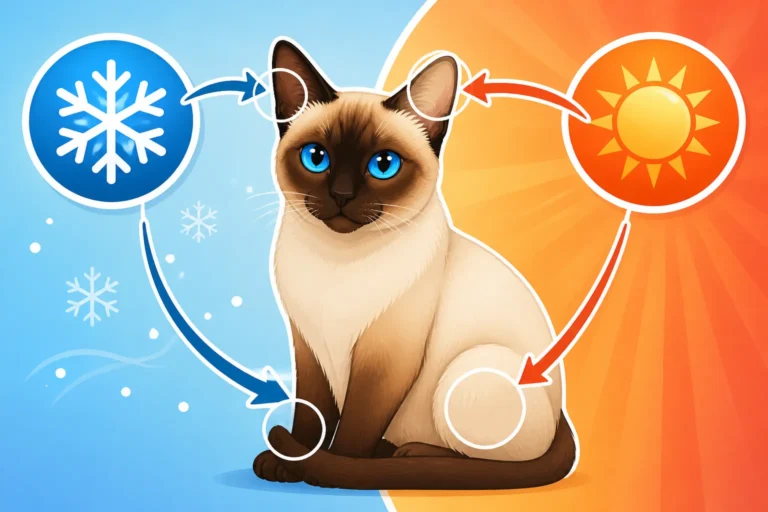
Their short hair means less tangling, fewer mats, and generally, less mess. They don't have that thick, insulating undercoat that many other breeds possess, which contributes to their sleek appearance and their tendency to feel the cold more. Why a Siamese Cat Has No Undercoat is a fascinating read on this topic. This also means that dirt and debris don't get as easily trapped deep within their fur, making any necessary cleaning a much simpler affair. A healthy Siamese cat with a balanced diet will often have a glistening coat that needs very little human intervention beyond a regular brush.
However, "mostly" is the key word here. While they are self-sufficient groomers, there are definitely times when our human assistance becomes not just helpful, but necessary. Think of it less as daily upkeep and more as targeted intervention. We’re not talking about scrubbing them down every other day, but rather being prepared for those moments when their self-grooming falls short or life throws a little extra something their way.
When a Wipe-Down Becomes Necessary for Your Siamese Cat
Even the most fastidious Siamese cat can encounter situations that warrant a quick wipe-down. These aren't just about aesthetics; sometimes, it's about hygiene, comfort, or even preventing more serious issues. Knowing when to intervene can save you and your feline friend a lot of stress down the line.
Post-Litter Box Mishaps
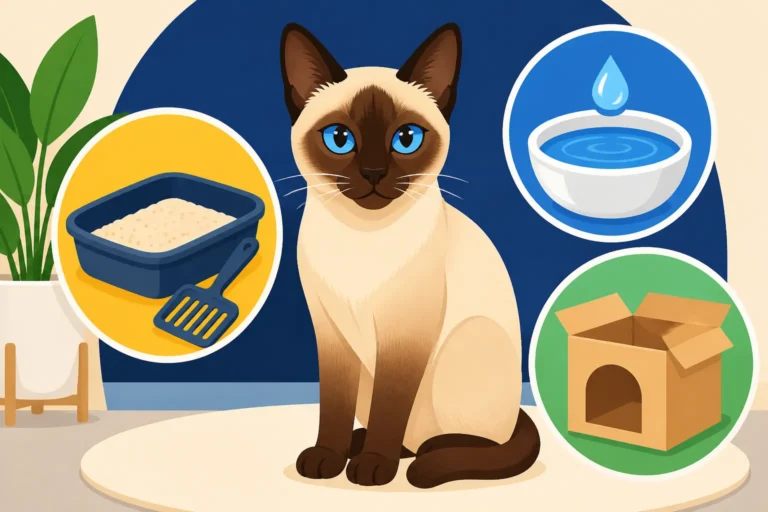
Ah, the joys of the litter box. Most Siamese cats are impeccably clean with their toilet habits, but occasionally, things get a little… messy. Whether it's a bit of damp litter clinging to their paws after a particularly enthusiastic digging session, or a slightly less than perfect exit strategy resulting in some residual clinging to their hindquarters, a quick wipe can prevent tracking and maintain hygiene. Kittens and older cats are particularly prone to these kinds of accidents.
Imagine your Siamese, fresh from the litter box, suddenly zooming across your freshly cleaned floor. If there's anything clinging to their paws, it's going to spread. A gentle wipe with a pet-safe wipe can address this immediately. For a senior cat, whose flexibility might be declining, or a kitten still learning the ropes, these little clean-ups become even more crucial to prevent skin irritation or infections from prolonged contact with waste. Caring for an Old Siamese Cat often involves paying closer attention to these details.
Outdoor Adventures and Curious Explorations
While many Siamese cats live happily as indoor-only pets, some enjoy a supervised outdoor stroll on a leash, or a secure catio. Others might just get into something they shouldn't while exploring a dusty corner of your home or investigating a leaky pipe. From tracking in mud and pollen to brushing against something sticky or dusty, the outside world (or even just the "unseen" parts of your home) presents plenty of opportunities for them to pick up grime.
A Siamese cat who's just had an adventure in the garden might come in with dusty paws or a faint film of pollen on their coat. A quick wipe-down helps remove these irritants before they can be ingested during self-grooming or spread throughout your home. Think of it as a little pre-grooming service that keeps them cleaner and your home tidier. It's a proactive step that aligns with their natural fastidiousness.
Managing Allergies and Skin Sensitivities
For Siamese cats with allergies or sensitive skin, regular wiping can be a gentle way to remove environmental allergens like pollen, dust, or dander from their coat. These irritants can cause itching, excessive licking, and discomfort, leading to a miserable cat. A full bath might be too harsh or stressful, making targeted wiping a preferred alternative.
Using a damp cloth or specialized hypoallergenic pet wipes can physically remove these microscopic particles from their fur. This is especially helpful during allergy season, or if you notice your Siamese is scratching more than usual after spending time near an open window or a dusty area. It's a simple, non-invasive way to provide relief and support their skin health without resorting to more intensive bathing. You can find a good selection of pet wipes on Chewy or Amazon, specifically looking for fragrance-free, alcohol-free options.
Senior Cat Care and Reduced Mobility
As our beloved Siamese cats age, their agility and flexibility often decline. This can make their once-impeccable self-grooming a bit challenging. They might struggle to reach certain areas, particularly their hindquarters or the base of their tail, leading to matted fur, dander buildup, or even unpleasant odors. This is a common and heartbreaking issue for many senior cat owners.
Regular, gentle wipe-downs become an essential part of their senior care routine. You'll want to pay special attention to areas they might be neglecting, like around their tail and lower back. This not only keeps them clean and comfortable but also provides an opportunity for you to check their skin for any lumps, bumps, or irritations that might otherwise go unnoticed. What Changes in an Aging Siamese Cat's Coat delves deeper into the specific grooming needs of older Siamese.
The Art of Wiping Down Your Siamese Cat
Wiping down your Siamese cat isn't just about rubbing a cloth on them; there's a gentle art to it that ensures their comfort and effectiveness. The goal is to make it a positive experience, or at least a neutral one, rather than a wrestling match.
Choosing Your Tools Wisely
When it comes to wiping, you have a few options:
- Plain Water and a Soft Cloth: For most general clean-ups, a soft microfiber cloth dampened with warm water is perfectly adequate. It's gentle, chemical-free, and won't leave any residue. Make sure the cloth is clean and soft; anything too rough could irritate their delicate skin.
- Pet-Safe Grooming Wipes: These are incredibly convenient for quick clean-ups. Look for wipes specifically formulated for cats, ensuring they are fragrance-free, alcohol-free, and pH-balanced. Brands like Earthbath or Burt's Bees have good options available on Chewy or Amazon. Avoid baby wipes, as they often contain ingredients not suitable for feline skin or ingestion.
- Hypoallergenic Solutions: If your Siamese has particularly sensitive skin or allergies, you might opt for wipes or a spray-and-wipe solution containing soothing ingredients like aloe vera or oatmeal, as long as they are vet-approved and safe for cats.
Always have your chosen wiping tools ready before you approach your cat. There's nothing worse than fumbling for a wipe while your cat is already wary.
The Gentle Technique
Approach your Siamese cat when they are calm and relaxed. Start with gentle strokes in areas they are usually comfortable with, like their back or chest, before moving to more sensitive spots.
- Start Slow and Gentle: Use a soft, damp cloth or a pet wipe. Begin by gently wiping the most affected area, or if it's a general clean-up, start with their back. Use light, even strokes in the direction of hair growth.
- Paws and Legs: For dirty paws, gently hold each paw and wipe away any debris from the pads and between the toes. This is often where they pick up the most dirt, especially if they've been outside or in the litter box.
- Hindquarters and Tail Base: This area is crucial, especially for older cats or post-litter box clean-ups. Be very gentle and thorough. Lift the tail slightly to access the area around the anus, wiping away any dried fecal matter or litter. How to Clean a Siamese Cat's Big Ears is another specific grooming task that requires a gentle touch.
- Face and Ears (if needed): For their face, use a separate, very lightly dampened cotton ball or corner of a cloth. Gently wipe around their eyes to remove any tear stains and clean their chin. Avoid getting water directly into their ears.
- Positive Reinforcement: Offer treats and praise throughout the process. Make it a positive experience. If your cat gets stressed, stop and try again later. Consistency and patience are key to building their tolerance.
Remember, a little goes a long way. You're not trying to give them a full bath with a wipe; you're spot-cleaning and refreshing.
How Often to Wipe Down Your Siamese Cat
The truth is, there's no fixed schedule for wiping down a Siamese cat like there might be for a daily brushing routine. It's truly on an as-needed basis.
| Scenario | Recommended Wiping Frequency | Notes |
|---|---|---|
| Post-Litter Mess | Immediately after incident | Prevents tracking and skin irritation. Essential for kittens and seniors. |
| Outdoor Exposure | After each outdoor session | Removes dirt, pollen, and environmental allergens. Focus on paws and lower body. |
| Allergy Flare-ups | Daily or every other day | Helps remove allergens from the coat, reducing itching. Use hypoallergenic wipes. |
| Senior Cat Neglect | 2-3 times a week (or as needed) | Focus on hindquarters, tail base, and any areas they struggle to reach. Combines with checking for skin issues. |
| Sticky/Dirty Spots | Immediately after discovery | Prevents matting, ingestion of foreign substances, and spread of grime. |
| General Freshening | Once a week (optional, if desired) | Some owners enjoy a light wipe-down for a fresh scent or to remove loose hair, but not strictly necessary for most. |
For most healthy, adult Siamese cats living indoors, a wipe-down is a rare event, only needed if they genuinely get into something messy. Don't feel pressured to wipe them if they don't need it. Over-wiping can strip their natural oils and irritate their skin. It's about responding to their needs, not adhering to a strict timetable. Grooming a Siamese Cat Takes Five Minutes a Week is usually focused on brushing, which is more frequent than wiping for most.
Beyond the Wipe: Complementary Grooming for Your Siamese
While wiping is a fantastic spot-cleaning solution, it's just one tool in your overall Siamese cat care kit. A holistic approach to grooming will ensure your feline companion stays happy, healthy, and looking their best.
Regular Brushing Sessions
Even with their short coats, Siamese cats benefit immensely from regular brushing. This isn't just about removing loose fur; it's a wonderful bonding experience, stimulates their skin, and helps distribute natural oils for a healthy, shiny coat. A soft rubber brush or a fine-toothed comb used once or twice a week is usually sufficient.
Brushing helps remove dead hair before they can ingest it, reducing hairballs. It also allows you to check their skin for any abnormalities, fleas, or dry patches. How Often a Siamese Cat Needs Brushing can give you more insights into setting up a good routine. Plus, a well-brushed coat simply feels better for them and looks better to us!
Occasional Baths (When Absolutely Necessary)
Most Siamese cats do not need regular baths. In fact, many actively despise water, making bath time a high-stress event for everyone involved. How Rarely a Siamese Cat Needs a Bath is a sentiment most Siamese owners can attest to. However, there are rare occasions when a wipe-down simply won't cut it. If your Siamese cat gets covered in something toxic, extremely sticky, or pungent that can't be spot-cleaned, a full bath with a cat-specific shampoo might be unavoidable.
In these extreme cases, choose a shampoo specifically designed for cats, available at pet stores like Chewy or on Amazon. Ensure it's gentle, non-toxic, and rinse thoroughly to avoid skin irritation. Always make sure the water is lukewarm, and work quickly but calmly. Having a second person to help can make a world of difference.
Environmental Cleanliness
Preventative measures go a long way in reducing the need for frequent wipe-downs. Keeping your home clean, especially the areas your Siamese cat frequents, can minimize how much dirt and dust they pick up. Regularly vacuuming, dusting, and cleaning their litter box meticulously helps.
Consider the type of litter you use. Low-dust, unscented litter can significantly reduce the amount of dust clinging to their paws and fur, which in turn means less need for wiping. Good litter management is key to preventing those post-litter box messes in the first place.
Final Thoughts: Prioritizing Comfort and Health
At the end of the day, how often you wipe down your Siamese cat comes down to their individual needs, lifestyle, and your watchful eye. They are, by nature, very clean animals, and often, less is more when it comes to human intervention in their grooming. Trust your instincts, observe your cat, and intervene with a gentle wipe whenever they need a little help staying pristine.
Remember to always prioritize their comfort and well-being. If a wipe-down is causing undue stress, re-evaluate your approach, try different tools, or consult with your vet or a professional groomer for advice. Your Siamese cat relies on you to understand their unique needs, and a thoughtful approach to grooming is a big part of that loving care. If you ever notice signs that your cat is unwell, such as a sudden change in grooming habits or a persistent messiness, it's always best to consult your veterinarian. Signs a Siamese Cat Is Unwell can provide further guidance on recognizing distress signals.
Disclaimer
This article is for general informational purposes only and does not constitute professional advice. Laws, prices and regulations vary by location and change over time. Consult a qualified professional for guidance on your specific situation.