Which Landrace the Siamese Cat Was Bred From
It's easy to get swept up in the striking blue eyes and insistent chatter of a Siamese cat, instantly recognizing them for their unique beauty and personality. But have you ever stopped to wonder where these amazing felines truly came from, long before they became the pedigreed showstoppers we know today? This guide dives deep into the ancient origins of the Siamese cat, exploring the very landrace that gave birth to this beloved breed, and helping you understand the deep roots of their distinctive traits.
Understanding "Landrace" in the Context of Cats
When we talk about the origins of any animal, especially domesticated ones, the term "landrace" comes up a lot. But what does it really mean, and why is it so important for understanding the Siamese cat?
What Exactly is a Landrace?
Imagine a group of cats living in a specific geographical area for centuries, adapting to their local environment, climate, and available resources without much human interference in their breeding. This is essentially what a landrace is: a naturally occurring, locally adapted population of animals. Unlike a pedigreed breed that has been meticulously developed and maintained by humans through selective breeding for specific traits, a landrace develops organically through natural selection and random mating within a localized gene pool.
These cats aren't "designed" for a particular look or temperament by a breeder. Instead, their characteristics emerge from what helps them survive and thrive in their particular niche. Over generations, shared traits that are advantageous in that environment become more common, leading to a distinct, recognizable type of cat that is genetically diverse and often incredibly robust. Think of it like a hardy wild plant that grows perfectly in its native soil – it's resilient because it's precisely suited to its surroundings. This natural, unforced evolution is what makes landraces so fascinating; they represent a living history of adaptation.
Distinguishing Landrace from Modern Pedigreed Breeds
The distinction between a landrace and a modern pedigreed breed is crucial, especially when discussing a cat like the Siamese. While the Siamese we see in cat shows today has a very specific "standard" for its appearance, temperament, and even movement, its ancestors were a landrace. Modern pedigreed breeds, developed through the efforts of dedicated breeders, are characterized by:
- Controlled Breeding: Mating pairs are carefully selected to amplify desirable traits and eliminate undesirable ones.
- Closed Studbooks: Typically, only cats registered within the breed can be bred, limiting the gene pool and maintaining purity.
- Defined Standards: Detailed descriptions outline the ideal physical and often temperamental characteristics of the breed.
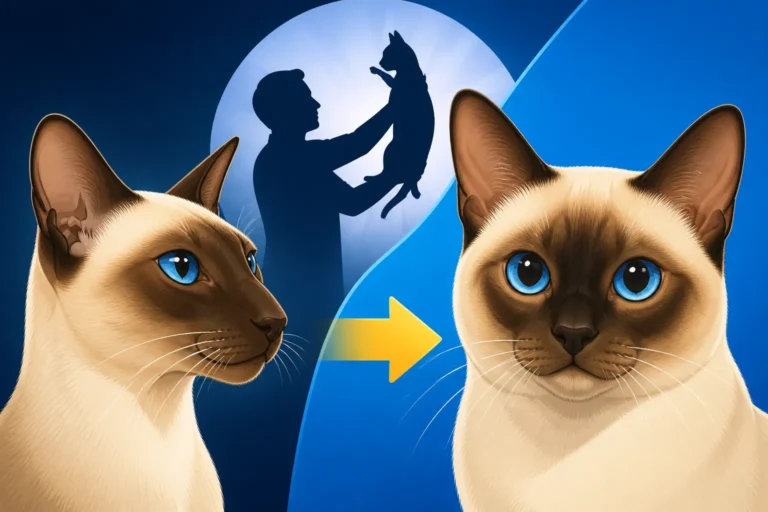
The shift from a landrace to a pedigreed breed involves a dramatic increase in human intervention. For the Siamese, this meant breeders in the West began to select for specific features, like an increasingly slender body, larger ears, and a more wedge-shaped head, which slowly diverged from the appearance of their original landrace ancestors. This is why you sometimes hear people talk about "traditional" or "applehead" Siamese cats versus the "modern" or "wedge-headed" varieties. Both share the same Wichianmat landrace heritage, but they represent different points in the breed's journey through human selection. While selective breeding can produce stunning and consistent aesthetics, it can also, unintentionally, reduce genetic diversity and sometimes lead to the amplification of certain genetic predispositions or health challenges.
The Ancient Origins: The Cats of Siam
To truly understand the Siamese cat, we must travel back in time to the kingdom of Siam, now known as Thailand. This ancient land is where their story begins, long before they charmed their way into Western homes and cat shows.
The Historical Landscape of Siam (Modern-Day Thailand)
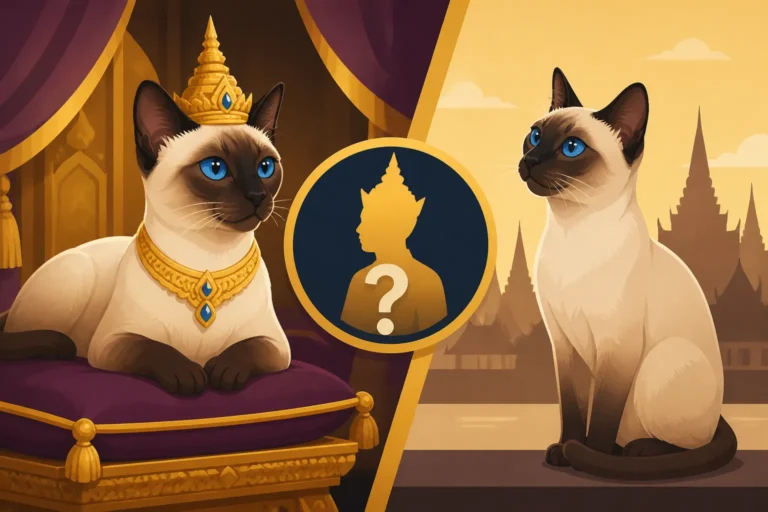
Ancient Siam was a vibrant, culturally rich kingdom, strategically located as a hub for trade and spiritual practices in Southeast Asia. Here, cats weren't just common animals; they were woven into the fabric of daily life and revered with a certain mystique. They often found homes in temples and royal palaces, not only for their companionship but also for their crucial role in keeping rodent populations in check, protecting valuable scrolls and food stores. These cats were not merely pets; they were guardians and symbols, deeply integrated into the cultural and spiritual landscape.
The climate of Siam – warm and humid for most of the year, with distinct wet and dry seasons – shaped the felines that lived there. They were typically lean and agile, traits beneficial for navigating their environment. Cats with unique or striking appearances were often held in high esteem, believed to bring good fortune or possess special spiritual significance. It's in this rich historical context that the distinctive Wichianmat landrace emerged and thrived. Evidence of these special cats comes to us through ancient texts like the Tamra Maew manuscripts, which are cat poems and illustrations dating back centuries, clearly depicting felines with the very traits we associate with the Siamese today. These manuscripts are invaluable, offering a window into how these cats were viewed and valued in their homeland, long before any Western breed standards were ever conceived.
The Wichianmat Landrace: The Direct Ancestor
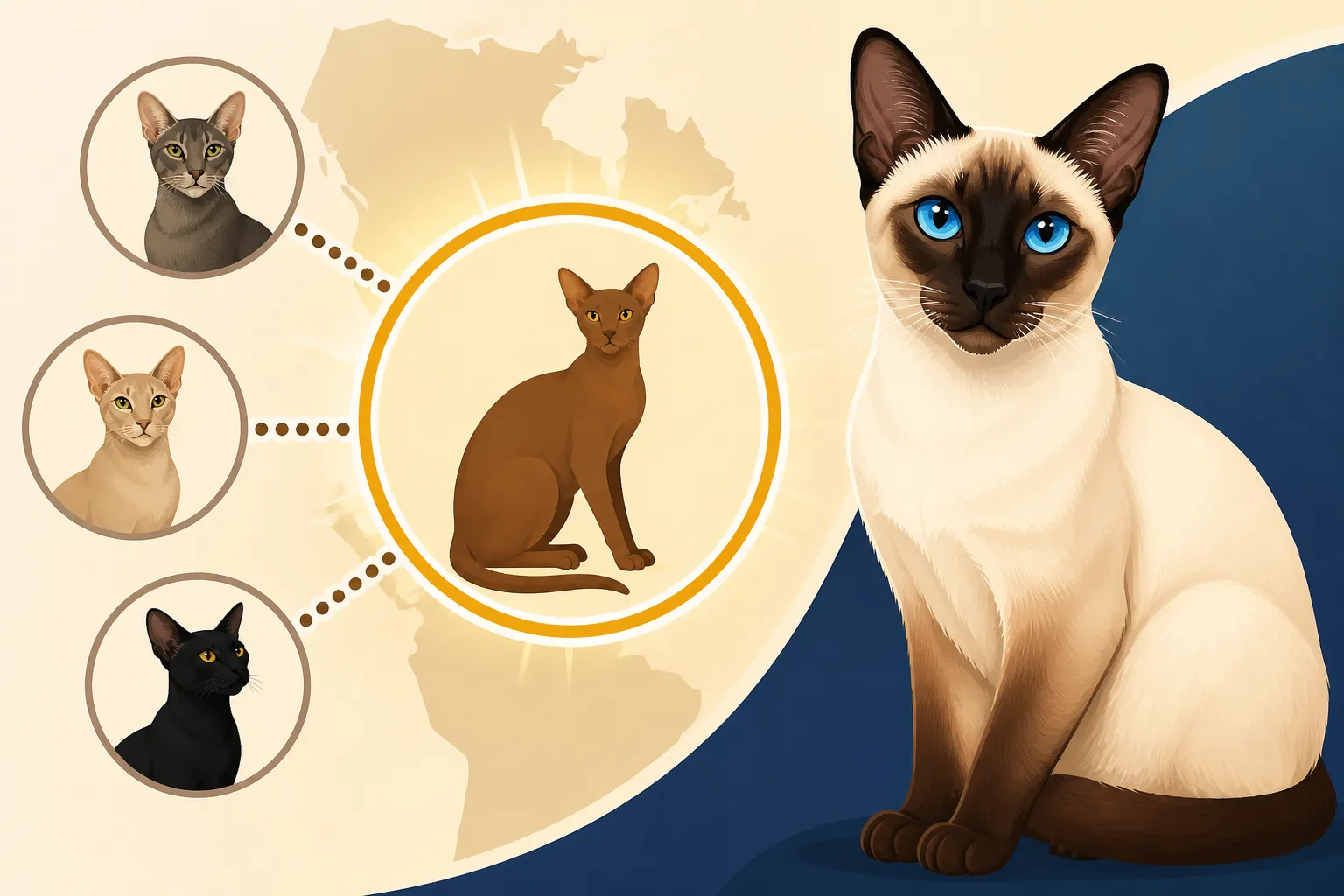
The term Wichianmat (pronounced wee-chee-un-mat) refers to the specific landrace that is the direct ancestor of the modern Siamese cat. If you were to encounter a Wichianmat cat in ancient Siam, you would immediately recognize many features that define today's Siamese. They possessed that striking point coloration – darker extremities on a lighter body – and those piercing blue eyes that are so characteristic. They were typically sleek, muscular, and incredibly vocal, with a communicative nature that set them apart from other felines.
The name Wichianmat itself is telling, often translated as "moon diamond" or "diamond gold." This moniker reflects the high regard in which these cats were held, seen as precious and beautiful. They weren't just ordinary street cats; their unique appearance made them stand out, securing them a place in royal courts and sacred temples. While they weren't subjected to the structured breeding programs we see today, their distinct traits were naturally maintained within the localized population. It was these very cats, treasured and distinctive, that caught the eye of Western diplomats and travelers in the late 19th century. When these exotic felines were brought to Europe and America, they quickly became sensations, paving the way for their formal development into the pedigreed Siamese breed we cherish today. They carried with them not just a unique genetic blueprint, but also centuries of history and cultural significance from their homeland.
Traits Inherited from the Landrace Ancestry
Many of the traits that make the Siamese cat so recognizable and beloved are not recent developments but deeply rooted characteristics inherited from their Wichianmat landrace ancestors.
The Pointed Coat and Blue Eyes
Perhaps the most iconic features of the Siamese cat are its striking pointed coat pattern and brilliant blue eyes. These aren't just aesthetic preferences that breeders cultivated; they're direct genetic inheritances from the Wichianmat landrace. The point coloration is due to a form of temperature-sensitive albinism. This means that the pigment-producing enzyme only functions effectively in cooler temperatures. That's why the coolest parts of the cat's body – the ears, paws, tail, and face – develop darker pigment, while the warmer core remains lighter.
This fascinating genetic quirk explains Why a Siamese Cat's Points Are Made by Temperature and also beautifully illustrates Why a Siamese Cat Kitten Is Born White. Kittens are born completely white or cream because they develop in the uniform warmth of their mother's womb. Only after birth, as they are exposed to the cooler ambient air, do their points gradually start to develop and darken. Furthermore, the gene responsible for this point coloration is pleiotropic, meaning it affects multiple traits. One of these associated traits is the lack of pigment in the iris, which results in the characteristic stunning blue eyes. This isn't just a pretty coincidence; it's a fundamental part of their genetic makeup, a vibrant legacy from their ancient lineage in Siam.
Body Type, Vocalization, and Intelligence
Beyond their captivating coloration, other core Siamese traits also have their origins in the Wichianmat landrace. Their lean, svelte, and muscular body type, for instance, wasn't merely a Western breeding preference; it reflects the natural athleticism and agility of their wilder ancestors in Siam. These were cats built for movement and survival in a varied environment. While modern breeders have accentuated this slim elegance, the underlying structure and innate grace were already present.
And then there's the voice – oh, that voice! The legendary Siamese vocalization isn't a modern development or a quirk; it's a deeply ingrained trait. The Wichianmat cats were known for their distinctive and often loud "meezer" yowls, which likely served as an effective communication tool in their environment, both with other cats and with humans. If you've ever wondered What the Siamese Cat's Meezer Yowl Sounds Like, you know it's not a subtle sound, and it's certainly not new. This intense vocal communication probably helped them get attention, express needs, and solidify their bond with their human companions in ancient times, just as it does today. Their intelligence and profound curiosity are also inherited. These were smart, adaptable cats that learned quickly, a necessary trait for thriving alongside humans in bustling temples and palaces. They're not just beautiful; they're bright, engaging, and have always been so.
Health Considerations and the Landrace Link
While landraces are generally known for their robustness and broad genetic diversity, the transition from a naturally evolving landrace to a selectively bred pedigreed cat can sometimes highlight or even exacerbate certain genetic predispositions. It's a complex balance. The Wichianmat cats, as a landrace, would have possessed a diverse gene pool, allowing for natural selection to favor healthier individuals. However, as humans began to selectively breed for specific aesthetic traits, often using a smaller number of foundation cats, some genetic vulnerabilities that were once rare or mildly expressed within the broader landrace could become more prevalent in specific breeding lines.
For instance, while generally considered hardy, the modern Siamese cat can be prone to certain inherited conditions. For a deeper dive into the overall health picture, you might explore How Healthy the Siamese Cat Actually Is. Conditions like Amyloidosis Is the Disease That Kills Young Siamese Cats or the genetic propensity for Why a Siamese Cat's Eyes Cross and Its Tail Kinks may have subtle roots within the broader Wichianmat gene pool. These traits, while not necessarily widespread problems in the ancient landrace, became more concentrated or noticeably expressed through focused breeding practices in the West. This highlights the delicate balance between preserving ancient lineages and the challenges that can arise from directed breeding, making health screening and responsible breeding practices even more critical for today's Siamese cats. To ensure your Siamese cat gets the best start, researching reputable breeders who prioritize health is key. Online pet supply retailers like Chewy often provide detailed product information and reviews for specialized diets and supplements that support overall feline well-being, including options recommended for specific health concerns.
The Evolution from Landrace to Pedigreed Breed
The journey of the Wichianmat cat from the ancient temples of Siam to the pedigreed show rings of the West is a fascinating tale of discovery, adaptation, and human influence.
Early Western Development of the Siamese Cat
The first Wichianmat cats began to arrive in Western countries, primarily England, in the late 19th century. These exotic felines were often brought back by diplomats or presented as gifts from the King of Siam, creating an immediate sensation. Their striking appearance, vivid blue eyes, and intense vocalizations were unlike anything most Westerners had ever seen. Initially, they were simply known as "Royal Cats of Siam" or "Siamese cats," valued for their novelty and unique beauty.
These early imports were the foundation stock for what would become the pedigreed Siamese breed. People were captivated, and soon, dedicated enthusiasts began to establish breeding programs. Cats like Who Pho and Mia the Siamese Cats Were, brought to England in 1884, played a pivotal role in establishing the breed in the West. This period was marked by a great deal of experimentation and learning. Early breeders faced challenges with understanding the specific dietary and environmental needs of these tropical cats, as well as managing the limited gene pool of the initial imports. Slowly but surely, breed standards began to be formalized, outlining the desired physical traits and setting the stage for the Siamese cat's future as a recognized and cherished breed.
Diversification and the "Old Style" vs. "Modern" Debate
As the Siamese cat gained popularity, different breeding philosophies emerged, leading to a significant diversification in their appearance. Over the decades, breeders began to select for more extreme features, gradually shifting the breed's aesthetic. This is where the distinct types emerged, leading to what we now refer to as "old style" or "traditional" Siamese, and the "modern" or "wedge-headed" Siamese.
The traditional or "applehead" Siamese, with its rounder head, sturdier body, and less extreme features, is thought to closely resemble the original Wichianmat landrace cats. This style was prevalent in the early days of the breed's establishment in the West. However, over time, a preference for a more elegant, elongated look developed. Breeders began to select for cats with a distinctly wedge-shaped head, large ears set wide apart, a very slender, tubular body, and long, tapering legs and tail. This selective breeding gradually transformed the breed, as detailed in discussions like How the Siamese Cat's Head Changed Shape in Fifty Years.
It's important to understand that both the traditional and modern Siamese types trace their ancestry back to the same Wichianmat landrace. They simply represent different evolutionary paths influenced by human aesthetic choices. Today, while the modern wedge type dominates the show ring, many enthusiasts and breeders champion the preservation of the traditional Siamese, believing it embodies the true spirit and original look of their ancient Siamese ancestors. Regardless of preference, understanding this divergence highlights the powerful impact selective breeding can have on a breed's appearance, even when starting from the same ancient genetic roots. When looking for food or enrichment for your Siamese, whether traditional or modern, remember that reputable online stores like Chewy cater to all feline needs, offering everything from high-protein diets to interactive toys that stimulate their bright, ancient minds.
Comparing Landrace and Modern Siamese Characteristics
To further illustrate the journey of the Siamese cat from its landrace origins to its modern form, let's look at some key characteristics side-by-side.
| Characteristic | Wichianmat Landrace (Ancient Siam) | Modern Pedigreed Siamese Cat (Western Standard) |
|---|---|---|
| Head Shape | More rounded or "applehead," balanced, proportional. | Distinctly wedge-shaped, forming a triangle from nose to ear tips. |
| Body Type | Lean, muscular, athletic, medium build. | Long, slender, tubular body; fine-boned but muscular. |
| Ears | Medium to large, set in proportion to the head. | Very large, wide at the base, tapering to a point, set wide. |
| Eyes | Almond-shaped, deep blue, often with a slight cross-eye. | Almond-shaped, brilliant blue, typically uncrossed (though still occurs). |
| Coat Length | Short, fine, lying close to the body. | Very short, fine, sleek, close-lying. |
| Point Coloration | Natural temperature-sensitive albinism, often darker overall due to climate. | Strong, distinct point coloration, specific colors recognized (Seal, Blue, Chocolate, Lilac). |
| Vocalization | Known for distinct, loud, demanding "meezer" voice. | Highly vocal, known for persistent and varied "meezer" yowls and chirps. |
| Temperament | Intelligent, active, highly social, demanding of attention. | Intelligent, curious, extremely social, often described as "dog-like." |
| Breeding Focus | Natural selection, survival of the fittest in local environment. | Artificial selection for specific aesthetic standards and traits. |
Disclaimer
This article is for general informational purposes only and does not constitute professional advice. Laws, prices and regulations vary by location and change over time. Consult a qualified professional for guidance on your specific situation.