Whether a Siamese Cat Hides From Guests
It's a common scenario for many Siamese cat owners: you've got friends coming over, and while you're excited for the company, a little knot forms in your stomach wondering how your vocal, opinionated feline will handle it. Will they be the charming host, greeting everyone at the door with a purr and a chat, or will they vanish into the deepest recesses of your home the moment the doorbell rings? This guide is here to unravel the mystery of Siamese cat behavior around guests, helping you understand their unique social dynamics and offering practical advice to ensure both your cat and your visitors have a comfortable experience.
The Siamese Cat's Social Nature: It's Complicated
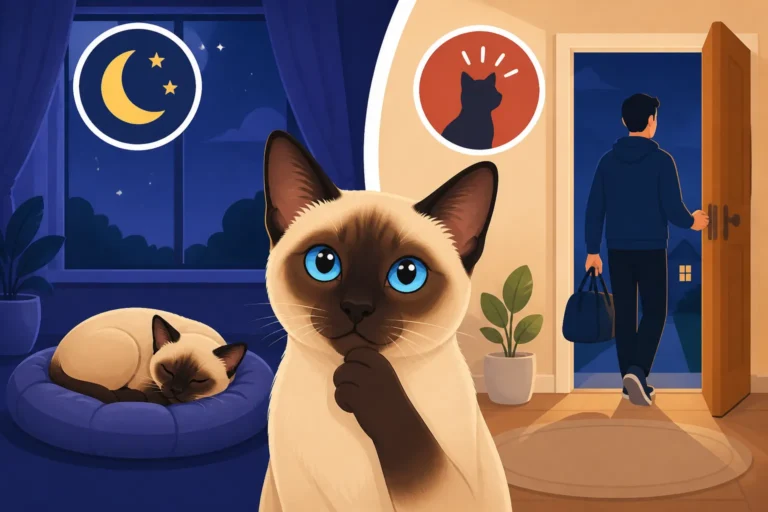
Siamese cats are legendary for their outgoing personalities, their incessant chatter, and their uncanny ability to form deep bonds with their human companions. You might expect such a cat to revel in the spotlight, charming every guest who walks through the door. But the truth is, a Siamese cat's social nature is often a double-edged sword when it comes to visitors. They are highly sensitive creatures, incredibly attuned to changes in their environment and routines, and new faces can sometimes trigger a very different reaction than you might anticipate. Their intense connection to their people doesn't always translate to an automatic love for all people.
Why Some Siamese Are Social Butterflies
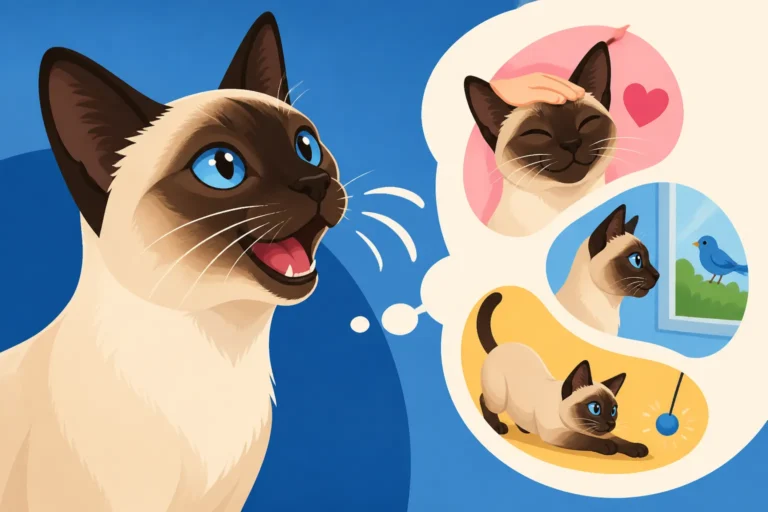
It's absolutely true that some Siamese cats are the life of the party. These are the ones who will greet your guests at the door, weave through their legs, and demand attention with a loud, insistent meow. They thrive on novelty and extra petting, soaking up any new source of affection and interaction. This outgoing behavior often stems from early socialization during their kittenhood; if they were exposed to many different people, sounds, and experiences in a positive way when they were young, they're more likely to develop into confident adults who see strangers as potential new friends or, at the very least, interesting new things to investigate. Think of the Siamese who happily perches on a guest's lap, purring like a motor, accepting ear scratches from anyone willing to offer them. They genuinely enjoy the extra stimulation and the new smells and sounds that guests bring into their familiar territory. It's an extension of their naturally curious and engaging nature, meaning they're not merely tolerating the new person, but actively seeking out interaction.
The Root of Siamese Shyness
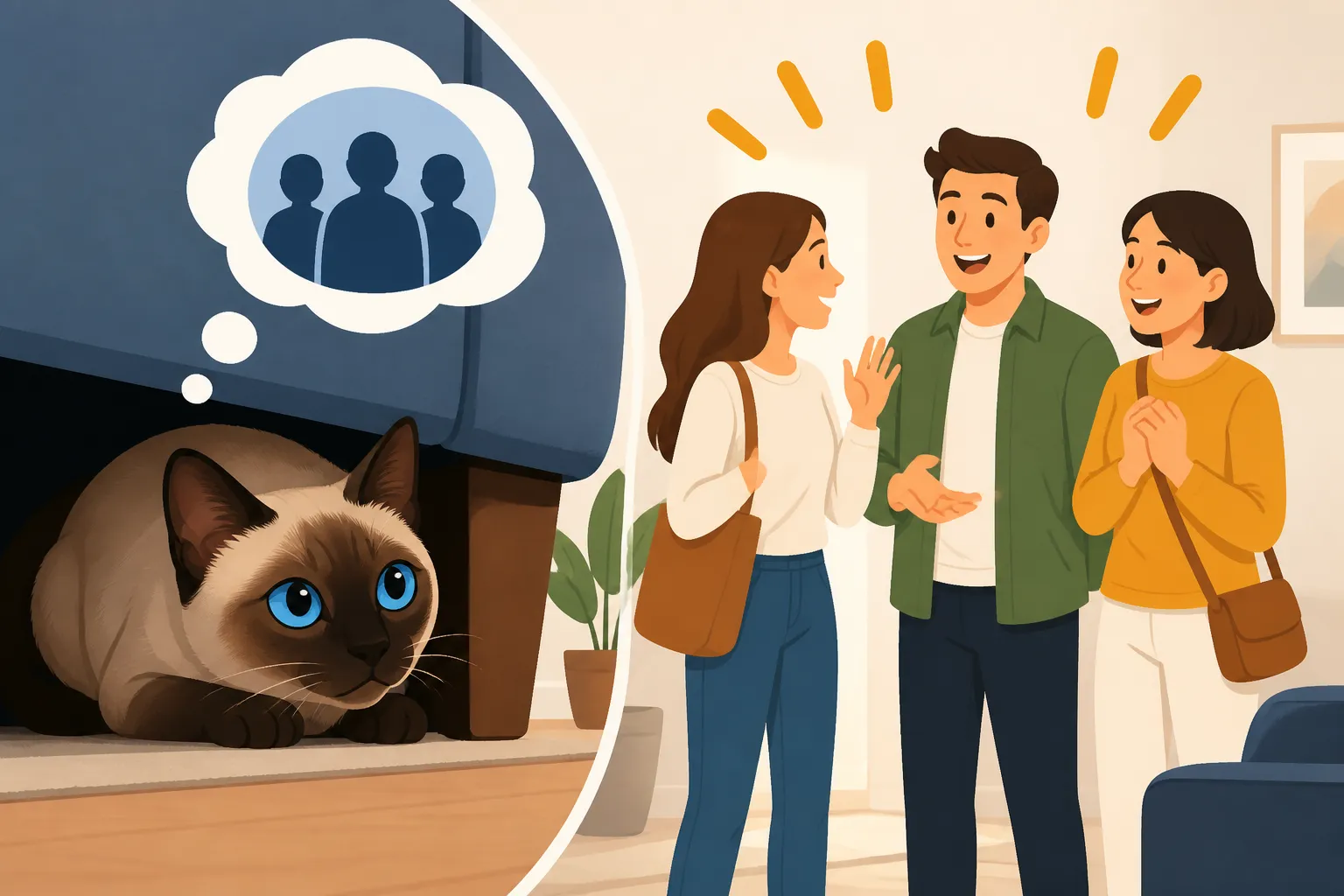
On the flip side, many Siamese cats, despite their vocal and affectionate nature with their chosen humans, can be incredibly shy or even fearful around guests. This isn't a sign of a "bad" cat, but rather a reflection of their sensitive temperament and strong territorial instincts. A Siamese cat's world revolves around their family and their home, and any disruption to that can be unsettling. Loud voices, sudden movements, unfamiliar scents, or even just the presence of someone new occupying their space can be perceived as a threat, or at least a cause for concern.
Imagine a typically bold Siamese like Luna, who normally demands constant attention and follows her owner, Sarah, from room to room. When Sarah's boisterous brother visits, bringing his own unique energy and scent into the house, Luna might suddenly transform. She won't come out from under the bed, even for her favorite treats. This shyness can stem from a lack of early positive exposure to different people, or it can simply be an inherent personality trait. Some Siamese are just naturally more reserved or easily startled, and no amount of socialization will turn them into a party animal. It's crucial to respect this innate predisposition and understand that their hiding isn't an insult; it's a coping mechanism. A sudden change in routine or a perceived intrusion can feel like a genuine threat to their sense of security.
Signs Your Siamese Is Stressed by Guests
Recognizing the signs of stress in your Siamese cat is paramount, especially since cats are masters at hiding their discomfort. It's not always as obvious as a hiss or a growl, which you might associate with fear in other animals. For a Siamese, stress can manifest in much more subtle ways, or even in behaviors that seem completely out of character. If your typically vocal Siamese suddenly goes silent, that's a red flag. Or, if they're usually affectionate but now refuse to be touched, or even actively try to avoid you while guests are present, something is amiss.
Look for physical cues: flattened ears, dilated pupils, a tense body posture, or a tail tucked tightly between their legs are all indications of fear or anxiety. Some cats might try to make themselves as small as possible, hunkering down in a corner or under furniture. Behavioral changes can also signal distress. Anxious licking, excessive grooming leading to bald patches (a condition known as Psychogenic Alopecia in a Siamese Cat), or even house-soiling outside the litter box are all desperate cries for help. If your Siamese usually enjoys playtime but ignores their favorite toy or seems uninterested in their regular routine when guests are around, they're likely feeling overwhelmed. Understanding these subtle signals allows you to intervene and provide comfort, rather than inadvertently adding to their stress. They're telling you, in their own quiet way, that they need space and reassurance.
Creating a Sanctuary for Your Siamese During Visits
Whether your Siamese is a social butterfly or a timid shadow, having a designated safe space is a game-changer when guests come over. It gives them the option to retreat and feel secure, which is far more comforting than forcing them to interact or leaving them to fend for themselves in a bustling environment. Think of it as their personal refuge, a place where they can truly relax and feel in control, even when their world outside that space feels a bit chaotic. This is especially important if your cat is prone to anxiety or if your guests are particularly loud or energetic.
Designating a Safe Space
The first step is to establish a truly private and quiet zone in your home. This could be a spare bedroom, a quiet office, or even a large closet that you can make comfortable. The key is that it's a place where guests won't go. Before your visitors arrive, make sure this room is fully equipped with everything your Siamese needs: a fresh litter box, a bowl of water, their usual food, and a cozy bed or favorite blanket. Place a "do not disturb" sign on the door if necessary to ensure no one accidentally opens it. This isn't just a place to hide; it's a strategic retreat where your cat can monitor the situation from a safe distance, feeling secure in the knowledge that they can return to it whenever they need.
Consider a multi-level cat tree or a cozy cat cave from a brand like Amazon, which can offer both elevated perches for observation and enclosed spaces for deep hiding. The idea is to give them choices, allowing them to decide how much or how little they want to engage with the sounds and smells of your guests. It’s not about isolating them completely, but empowering them with the option of solitude. When they know they have a reliable escape route and a comfortable sanctuary, their overall stress levels tend to drop significantly, even if they choose to venture out occasionally.
Essential Comforts for a Hiding Spot
Once you've chosen the spot, fill it with items that are deeply familiar and comforting to your cat. Their favorite bed, a blanket that smells like them (or you!), and a few well-loved toys can make a huge difference. Don't forget their food and water bowls, and a clean litter box. Adding a Feliway diffuser can also provide a continuous calming pheromone that can help reduce anxiety. These diffusers release synthetic feline facial pheromones that mimic the natural ones cats use to mark their territory as safe and secure. For a Siamese that thrives on routine and predictability, these familiar scents and objects can be incredibly reassuring.
Think about what your cat truly values. If they love high perches, ensure there's a sturdy cat tree or a shelf where they can survey their domain from above. If they're burrowers, a soft cave bed or a pile of blankets will be perfect. The goal is to replicate their ideal comfort zone, making it a place they want to be, rather than a place they are forced to be. Some owners even put a worn piece of their own clothing in the hiding spot; your scent can be profoundly comforting to an anxious Siamese. This thoughtful preparation tells your cat, in a language they understand, that you've got their back.
Managing Guest Interactions
If your Siamese decides to venture out from their safe haven, it's crucial to manage interactions with your guests carefully. Remind your guests to let your cat approach them on their own terms. There's nothing worse for a shy cat than a well-meaning but overzealous guest who tries to scoop them up or force attention. Ask guests to offer a hand for sniffing, allowing the cat to initiate contact. Gentle voices and slow movements are key. If your Siamese tolerates petting, instruct guests to keep it to the head and neck, avoiding the belly or tail, which can be sensitive areas.
A fantastic way to build positive associations is through play or treats. Ask a guest to toss a favorite toy for your cat, or offer a small, high-value treat. This creates a positive connection between the guest's presence and something enjoyable for the cat. Remember, your Siamese will often look to you for cues. If you're relaxed and happy, they are more likely to feel safe. If they do retreat, reassure your guests that it's normal and not a rejection. Emphasize that your cat just needs time and space. Over time, with consistent positive experiences, even the shyest Siamese might start to warm up, perhaps not to every guest, but certainly to those who respect their boundaries. If your Siamese is particularly prone to stress or A Siamese Cat Will Not Be Ignored, proactive management of guest interactions is vital.
Encouraging Positive Associations with Visitors
Turning a potentially stressful situation into a positive one for your Siamese cat requires patience, understanding, and a dash of strategic thinking. The aim isn't necessarily to transform every shy Siamese into a social butterfly, but rather to help them feel comfortable and secure enough to coexist peacefully with visitors, or even to enjoy their presence. Building positive associations is about showing your cat that guests can bring good things, not just scary changes.
The Power of Gradual Introductions
If you know you'll have a frequent visitor, or if your Siamese is particularly sensitive, gradual introductions are your best friend. Start by having the guest sit quietly in a room where your cat is present but not forced to interact. Perhaps they can read a book or watch TV, ignoring the cat completely. The idea is to allow your Siamese to observe them from a distance, becoming accustomed to their scent, sound, and presence without any pressure. Over several short visits, this can help desensitize your cat.
Another technique is to have your guest leave a small, highly appealing treat near your cat's safe spot or in a common area before they even arrive. When your cat discovers the treat, they begin to associate the upcoming arrival of the guest with something positive. You can also apply a calming spray (like Feliway) to a blanket your cat enjoys before the guest arrives, enhancing their sense of security. The goal is to make the experience less of a sudden shock and more of a slow, predictable integration. This might seem like a lot of effort for a cat, but for a sensitive Siamese, it's about building trust and minimizing anxiety. This method works wonders, much like how you might How to Prepare a Siamese Cat for a Return to the Office after a long absence.
Treats, Toys, and Gentle Engagement
Once your Siamese seems comfortable in the presence of a guest, you can move on to gentle engagement. This is where treats and toys become powerful tools. Have your guest offer a favorite treat from a safe distance, perhaps by gently placing it on the floor a few feet away, rather than trying to hand-feed. This gives your cat control over the interaction. If your cat approaches, the guest can then slowly extend a hand, allowing the cat to sniff.
Interactive toys are also fantastic. A laser pointer or a feather wand can allow a guest to play with your cat without direct physical contact, which can be less intimidating for a shy cat. The joy of play and the reward of the treat create strong positive associations with the guest. Remember, short, positive interactions are far better than long, stressful ones. If your cat shows any signs of discomfort, back off immediately. It’s always better to end on a good note than to push too far and undo all your hard work. Think of it as a delicate dance, where your cat leads the way, and the guest follows their cues.
Long-Term Strategies for a Confident Cat
Building confidence in your Siamese cat around guests is a long-term project that involves consistent reinforcement and a deep understanding of their individual personality. For some Siamese, guests will always be a source of mild anxiety, and that's okay. Your role is to provide them with the tools and environment to cope. Continuing to provide a safe retreat, even for the most social Siamese, is always a good idea. It's their option, their choice, and that control is empowering.
Regular playtime, especially interactive sessions that mimic hunting, can help burn off nervous energy and build overall confidence. Puzzle feeders from brands like Amazon can also provide mental stimulation and a positive distraction during times of stress. If your cat's shyness is severe, or if you're noticing stress-related behaviors like overgrooming or inappropriate urination, consulting with a feline behaviorist can offer tailored strategies. They might suggest enrichment techniques or even calming supplements to help your Siamese feel more secure. Remember, a confident cat is a happy cat, and while your Siamese may never be the life of every party, with your support, they can learn to navigate the world of human visitors with greater ease. Considering What a Siamese Cat's Temperament Is Really Like can help you set realistic expectations for your particular cat.
Here’s a quick overview of how Siamese cats might react to guests and what you can do:
| Siamese Behavior | Possible Interpretation | What You Can Do |
|---|---|---|
| Greets guests at the door, vocalizes, rubs legs | Confident, curious, seeking attention | Encourage gentle interaction, supervise playtime, ensure cat isn't overwhelmed |
| Watches from a distance, then approaches slowly | Cautious curiosity, assessing the situation | Let the cat initiate contact, offer treats or interactive toys |
| Hides immediately, comes out only when guests leave | Shy, fearful, overwhelmed by novelty or noise | Provide a secure, quiet retreat, ensure all necessities are in the safe space |
| Hides but occasionally peeks out | Anxious but curious, wants to know what's happening | Maintain a calm environment, avoid loud noises, ensure safe path to retreat |
| Shows signs of stress (flat ears, dilated eyes) | Feeling threatened, highly anxious | Move cat to safe space, reduce stimulation, consider pheromone diffusers |
| Overgrooms, urinates outside box, becomes aggressive | Severe stress, needs intervention | Consult vet or behaviorist, minimize guest visits, provide extra comfort |
Ultimately, whether your Siamese cat hides from guests or greets them with a loud yowl often comes down to their individual personality, early experiences, and how well you manage the environment. By understanding their needs and providing them with the security they crave, you can help your beloved Siamese navigate the sometimes-daunting world of human visitors with grace and comfort.
Disclaimer
This article is for general informational purposes only and does not constitute professional advice. Laws, prices and regulations vary by location and change over time. Consult a qualified professional for guidance on your specific situation.