How Much a Siamese Cat Sheds
It's a common misconception that Siamese cats don't shed, or at least, don't shed much. Many prospective owners are drawn to this idea, often hearing they're "hypoallergenic" or "low-shedding," only to be surprised by the reality of finding their beautiful Meezer's fine fur around the house. This comprehensive guide will demystify Siamese cat shedding, explain what truly influences it, and provide actionable tips to manage it effectively in your home.
The Reality of Siamese Cat Shedding
Let's cut right to the chase: Siamese cats absolutely do shed. The idea that they don't is one of those persistent myths that just won't go away, perhaps because their shedding pattern is often different from that of more heavily coated breeds. If you've ever owned a fluffy Persian or a dense-coated Maine Coon, the amount of fur a Siamese sheds might seem minimal in comparison. However, "minimal" doesn't mean "non-existent," and it certainly doesn't mean you won't find those fine, short hairs on your dark clothes or across your furniture.
Dispelling the "Non-Shedding" Myth
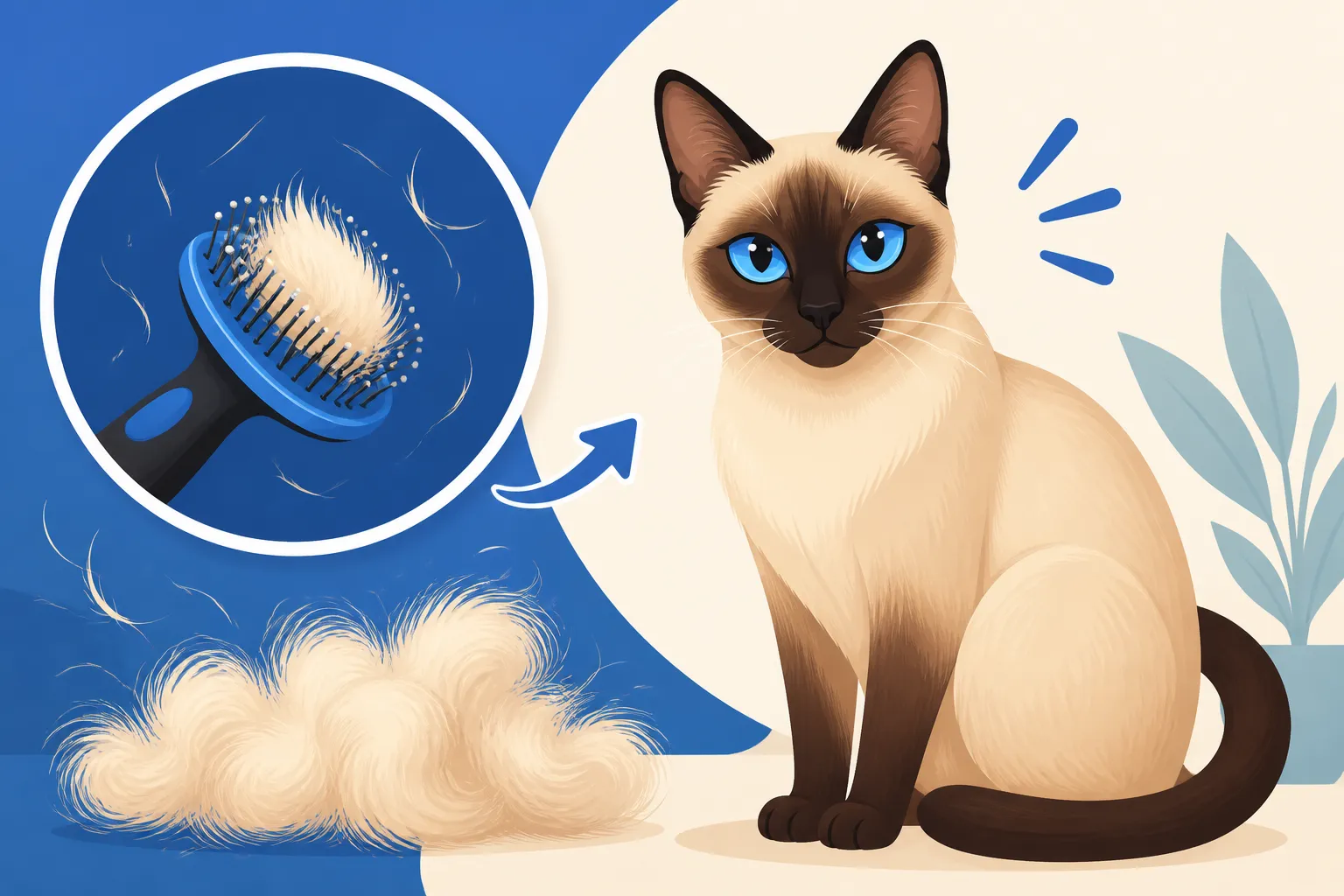
The myth likely stems from a few key factors. Firstly, Siamese cats have a single coat with no undercoat, which is quite distinct from many other breeds. This single layer of fur is short, fine, and lies very close to their body. When they shed, these hairs are less noticeable than the thick, fluffy undercoat hairs of a double-coated cat. You won't typically find large clumps of fur rolling across your floor like tumbleweeds; instead, it's more of a continuous, fine scattering.
Another reason for the myth is the "hypoallergenic" label often wrongly attached to them. No cat is truly hypoallergenic, as all cats produce Fel d 1 protein, the primary allergen, found in their skin, saliva, and urine. Some breeds, like the Siberian or Balinese, might produce less of this protein, but even they are not allergen-free. While the Siamese's short coat might distribute allergens less widely than a long-haired cat, they still produce them and still shed the hair that carries them. It's about perception and expectation, which can lead to real disappointment for those hoping for a truly fur-free existence.
Understanding the Siamese Coat Structure
To truly understand Siamese shedding, we need to appreciate their unique coat. Unlike many domestic cats that have a dense outer guard coat and a softer, insulating undercoat, the Siamese possesses only a single layer of guard hairs. These hairs are short, sleek, and close-lying, giving them that famously elegant and refined appearance. How Short a Siamese Cat's Coat Is is a topic often discussed by new owners. This single-coat structure means they don't have the seasonal "blow-outs" of fur that breeds with undercoats experience, where huge amounts of fluff are shed at once to adapt to changing temperatures.
Instead, Siamese cats shed continually, year-round, at a relatively consistent rate. Each individual hair follicle goes through its own growth cycle – a period of active growth, a resting phase, and then shedding. Because they lack an undercoat, their shedding is less about bulk and more about constant, individual hair turnover. This fine hair can be deceptively pervasive; it might not be as visible in large quantities, but it can weave its way into fabrics and cling to surfaces more stubbornly than you'd expect. Understanding this continuous shedding cycle is crucial for setting realistic expectations and developing an effective management strategy.
How Siamese Shedding Compares to Other Breeds
When you compare a Siamese to, say, a Persian, a Maine Coon, or even a domestic shorthair with a thick double coat, the difference is stark. Breeds with a dense undercoat will often "blow" their coat, leading to dramatic periods of heavy shedding, especially in spring and fall. During these times, you might brush out literal handfuls of fur daily, and your vacuum cleaner becomes your best friend. The fur from these breeds tends to be fluffier and more visible, often forming hairballs that roll under furniture.
The Siamese, with its fine, single coat, sheds less in terms of sheer volume and density. You won't typically be filling a brush with enough fur to knit a sweater every week. However, the nature of their shedding is different. Their short, fine hairs can be quite sharp and easily embed themselves into upholstery, carpets, and clothing, making them sometimes harder to remove than the fluffier hairs of other breeds. It's less about the quantity of fur and more about the quality and omnipresence of those shed hairs. While some may ask How Much a Siamese Cat Sheds a Year, it's more accurate to think of it as a steady trickle rather than a seasonal deluge.
What Influences How Much Your Siamese Sheds
While all Siamese cats shed, the exact amount can vary from cat to cat, and even for the same cat throughout the year. It's not a static phenomenon, and understanding the factors that play a role can help you anticipate changes and manage their coat health more effectively. Think of it as a delicate balance influenced by both internal and external forces.
The Role of Seasons and Climate
Even without an undercoat, Siamese cats are still affected by seasonal changes, albeit in a more subtle way than their double-coated cousins. While they won't experience a dramatic "coat blow," you might notice slightly increased shedding during certain times of the year, often aligning with changes in temperature and daylight hours. For instance, Whether a Siamese Cat Sheds More in Spring is a common question, and generally, they do tend to shed a bit more as the weather warms up, preparing their bodies for the heat of summer.
Conversely, in colder months, their bodies might produce a slightly denser coat to help with insulation, though this is still a far cry from the thick undercoat of other breeds. The temperature inside your home can also play a role. If your home is consistently warm and stable, their shedding might remain more uniform year-round. However, if your home experiences temperature fluctuations, your Siamese's body will respond by subtly adjusting its coat, which can manifest as variations in shedding. It's their body's way of trying to maintain optimal comfort.
The Impact of Diet and Nutrition
What goes into your Siamese's bowl has a profound impact on the health and quality of their coat, and by extension, how much they shed. A cat's fur is primarily made of protein, and a diet lacking in high-quality animal protein can lead to a dull, brittle coat that sheds excessively. Think of it like this: if the building blocks aren't strong, the structure won't hold up. Essential fatty acids, particularly Omega-3 and Omega-6, are also vital for skin and coat health. These fats help maintain the skin's barrier function, keeping it moisturized and reducing dryness and flakiness, which can contribute to shedding.
A diet rich in these nutrients promotes a strong, healthy hair shaft that is less prone to breakage and premature shedding. Conversely, a diet with poor quality ingredients, fillers, or allergens can cause skin irritation, leading to more scratching and hair loss. Many premium cat food brands focus on balanced nutrition with high protein and essential fatty acids. Even good quality dry kibble or wet food from brands available at Chewy can make a huge difference compared to generic, low-quality options. Investing in good food isn't just about their internal health; it's also reflected visibly in their lustrous coat.
Health, Stress, and Hormonal Changes
A Siamese cat's shedding can also be a significant indicator of their overall health and well-being. Any underlying medical condition, from parasites like fleas to more serious issues like thyroid imbalances or kidney disease, can manifest as excessive or abnormal hair loss. For example, conditions that cause itchy skin will lead to increased scratching, licking, and grooming, which in turn pulls out more hair. Internal illnesses can also divert nutrients away from non-essential functions like coat maintenance, resulting in a duller, weaker coat that sheds more easily. Signs a Siamese Cat Is Unwell can often include changes in coat quality or shedding patterns.
Stress and anxiety are also major culprits. Just like humans can lose hair during periods of high stress, cats can too. A sudden change in environment, the introduction of a new pet, or even a disruption in their routine can lead to stress-induced shedding. Hormonal changes, such as those experienced by unspayed females or intact males, can also influence shedding patterns. For example, pregnant or lactating queens may shed more due to hormonal fluctuations and the physiological demands on their body. Keeping a close eye on your Siamese's shedding can often give you an early warning sign that something might be amiss with their health or emotional state, prompting a visit to the vet if necessary.
Practical Strategies for Managing Siamese Shedding
Even though Siamese cats shed continuously, there's a lot you can do to manage it effectively. It's not about stopping shedding entirely – that's impossible and unhealthy for your cat – but rather about minimizing the amount of loose hair that ends up on your furniture and in the air, while also promoting a healthy, vibrant coat for your feline friend.
Establishing an Effective Grooming Routine
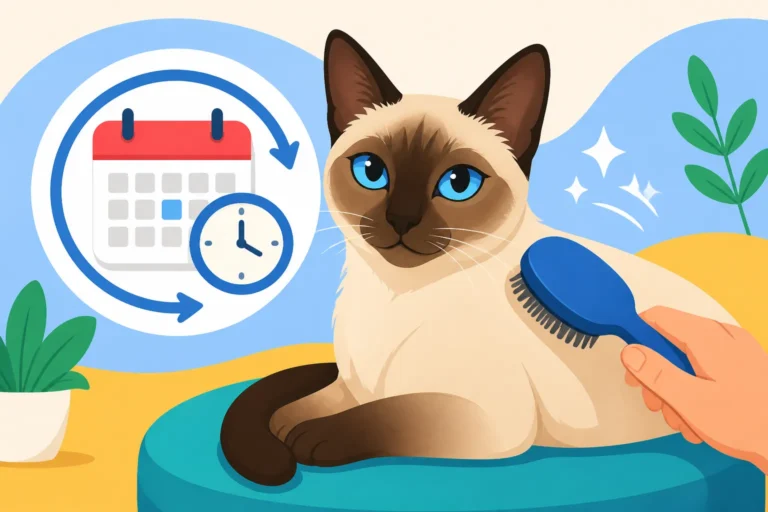
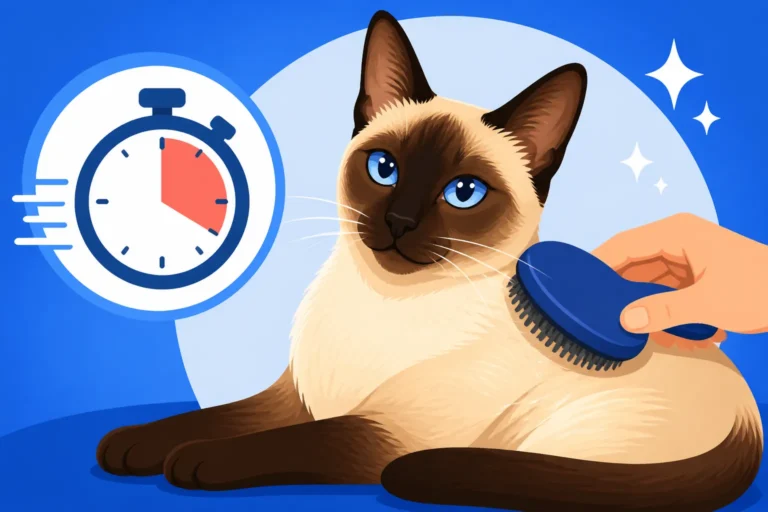
Regular grooming is your best friend when it comes to managing Siamese shedding. Because their hair is short and fine, it's easy to overlook, but that doesn't mean it isn't building up. Aim for a quick grooming session a few times a week, or even daily if your cat enjoys it and you notice more shedding. These sessions don't need to be long, perhaps just five to ten minutes. The goal is to remove loose hair before it has a chance to fall out naturally onto your home surfaces. Grooming a Siamese Cat Takes Five Minutes a Week is a good guideline, but don't be afraid to do more if needed.
Regular brushing also has numerous benefits beyond just shedding control. It stimulates blood circulation to the skin, which promotes healthy hair growth, and distributes natural skin oils throughout the coat, giving it that characteristic sheen. It can also be a wonderful bonding experience for you and your cat, helping them feel loved and attended to. If you start grooming from a young age, most Siamese cats will learn to tolerate and even enjoy these sessions, purring contentedly as you work.
Choosing the Right Grooming Tools
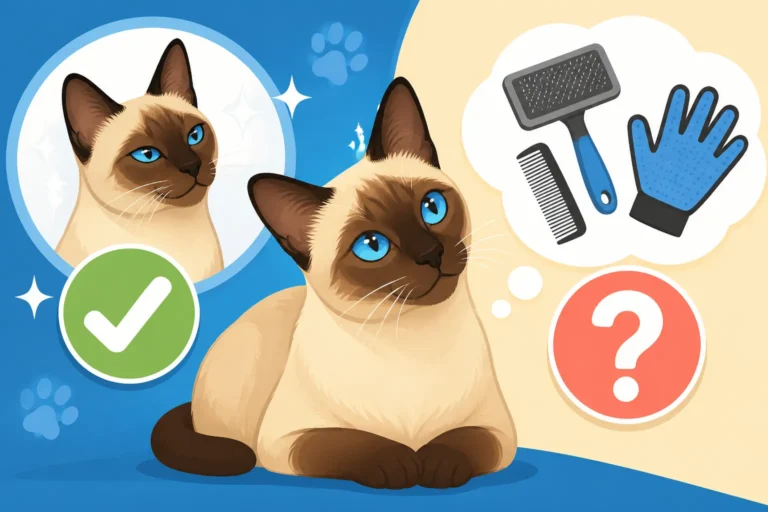
Selecting the correct grooming tools is paramount for a Siamese cat's fine, short coat. You don't need heavy-duty de-shedding tools designed for double-coated breeds, as these can be too harsh and even irritate their delicate skin. Instead, focus on gentle tools that effectively capture loose hair without pulling or scratching. Here's a quick guide to what works best:
| Tool Type | Description | Best For | Pros | Cons |
|---|---|---|---|---|
| Rubber Curry Brush / Grooming Glove | Soft rubber nubs gently massage the skin and pick up loose hair. | Everyday light shedding, distributing oils, massaging. | Gentle, enjoyable for most cats, good for short coats, easy to clean. | May not remove very deeply embedded loose hairs. |
| Fine-toothed Comb / Flea Comb | Metal comb with very closely spaced teeth. | Removing fine loose hairs, checking for fleas/debris. | Excellent for catching the fine Siamese hairs, good for precision grooming. | Can pull if used too aggressively, some cats dislike the feel of metal teeth. |
| Soft Bristle Brush | Natural or synthetic bristles, very gentle. | Polishing the coat, surface loose hair removal, bonding. | Very gentle, good for sensitive cats, leaves coat shiny. | Less effective at removing substantial loose hair compared to other options. |
| Damp Cloth | A simple, slightly damp cloth or grooming wipe. | Quick wipe-downs, especially for surface dust and dander. | Very gentle, no special tools needed, good for cats sensitive to brushes. | Doesn't penetrate coat, limited effectiveness for heavy shedding. |
A simple rubber curry brush or a grooming glove from Amazon or Chewy is often ideal, as it massages the skin while gathering loose hairs. Many Siamese cats adore the sensation of being gently massaged. A fine-toothed comb can also be very effective for catching those fine, short hairs that other brushes might miss. Experiment with a few options to see what your particular Siamese prefers. Which Brush a Siamese Cat Needs often depends on individual preference and sensitivity.
Supporting Coat Health Through Diet
As mentioned earlier, diet is a cornerstone of coat health and plays a direct role in how much your Siamese sheds. Providing a high-quality, nutritionally complete diet is one of the most proactive steps you can take. Look for cat foods that list real meat (chicken, turkey, salmon) as the first ingredient, indicating a high protein content, which is essential for healthy hair growth. Avoid foods with excessive fillers, artificial colors, or by-products, as these offer little nutritional value and can sometimes trigger skin sensitivities.
Incorporating foods rich in Omega-3 and Omega-6 fatty acids is particularly beneficial. These can be found in fish oils or certain specially formulated cat foods. Some owners choose to supplement their cat's diet with a small amount of fish oil, but always consult your vet before adding any supplements to ensure proper dosage. Many fresh and premium foods are formulated to support skin and coat health. A well-nourished Siamese cat will naturally have a stronger, shinier coat with less breakage and, consequently, less excessive shedding. Feeding a Lean Siamese Cat That Burns Everything is also important to consider as their high metabolism can mean they need a nutrient-dense diet.
Maintaining a Clean Home with a Shedding Siamese
Even with the most diligent grooming and the best diet, some Siamese cat fur will inevitably end up in your home. It's part and parcel of living with these wonderful companions. The good news is that managing household fur, especially the fine, short hairs of a Siamese, is entirely achievable with a few consistent cleaning habits and strategies.
Everyday Cleaning Tips
When you live with a shedding feline, a proactive approach to cleaning is far more effective than trying to tackle large accumulations of fur all at once. Daily or every-other-day light cleaning can make a huge difference. Investing in a good quality vacuum cleaner, especially one designed for pet hair, is non-negotiable. Look for models with strong suction and specialized attachments for upholstery. Robot vacuums can be a game-changer, programmed to run daily, picking up those fine hairs before they settle deeply into carpets.
Another simple but effective tool is a damp microfiber cloth. Lightly dampen the cloth and wipe down hard surfaces like floors, tables, and windowsills. The dampness helps to attract and capture the fine hairs rather than just pushing them around. For quick clean-ups on furniture or clothes, a lint roller is always handy to keep within reach. Establishing a routine, even just five minutes a day, will prevent fur from becoming overwhelming.
Furniture and Fabric Care
Siamese cats love to be close to their humans, which often means snuggling on the sofa, curling up on beds, and lounging on armchairs. This means your furniture and fabrics are prime targets for collecting their shed fur. While you can't stop them from enjoying these spots, you can make managing the fur easier. Consider using washable throws or blankets on your cat's favorite lounging areas. These can be easily removed and tossed into the washing machine, which will be far simpler than deep cleaning upholstery every week.
For fabrics like velvet or microfiber, which tend to attract and hold fur, rubber gloves can work wonders. Simply put on a dry rubber glove and wipe your hand across the fabric; the friction will ball up the fur, making it easy to pick up. Regular vacuuming of upholstery with a specific pet hair attachment is also crucial. If you're furnishing a new space or replacing items, choosing materials like leather, faux leather, or tightly woven fabrics can be more fur-resistant than open weaves or plush textures.
Air Quality and Allergen Management
Shed hair isn't just a visual nuisance; it also carries dander, which is the primary source of cat allergens. These microscopic skin flakes become airborne and can trigger allergic reactions in sensitive individuals. Therefore, managing air quality is an important part of living with a shedding Siamese, especially if anyone in your household has allergies. How Much Dander a Siamese Cat Produces is a factor to consider for allergy sufferers.
High-efficiency particulate air (HEPA) filters are your allies here. Ensure your home's HVAC system has a good quality HEPA filter and change it regularly according to the manufacturer's recommendations. Additionally, consider using standalone air purifiers with HEPA filters in rooms where your Siamese spends a lot of time, particularly bedrooms. Products available on Amazon can circulate and clean the air, significantly reducing the amount of airborne dander and fine hairs. Regular dusting with a damp cloth also helps to remove settled allergens, contributing to a cleaner, healthier indoor environment for everyone.
When Shedding Becomes a Cause for Concern
While some level of shedding is perfectly normal for a Siamese cat, there are instances when hair loss can signal a deeper issue. It's important for owners to be observant and recognize the difference between routine shedding and something that warrants a closer look by a veterinary professional. Your cat's coat is often a window into their overall health.
Recognizing Abnormal Hair Loss
Normal shedding in a Siamese typically involves a consistent, fine distribution of individual hairs that are replaced by new growth. The skin underneath should appear healthy, free from redness, scabs, or irritation. The remaining coat should still look sleek and shiny. Abnormal hair loss, on the other hand, often presents with distinct characteristics. You might notice bald patches appearing, either symmetrical or in random spots, where the skin is visible or sparse. The hair might break off easily, feel brittle, or appear dull and unkempt.
Another red flag is excessive localized shedding, where your cat is losing a disproportionate amount of hair from a specific area, often accompanied by intense scratching, licking, or biting at that spot. You might also find large tufts of hair coming out when you pet them, or see an overall thinning of the coat that seems unusual for your cat. Any sudden, dramatic increase in shedding, especially if it's not tied to a seasonal change, should definitely catch your attention.
Common Health Issues Linked to Excessive Shedding
A variety of health problems can lead to abnormal or excessive shedding in Siamese cats. Parasites are a very common culprit; fleas, mites, or even ringworm (a fungal infection) cause intense itching, leading your cat to scratch, lick, and chew their fur until it falls out or breaks. Allergies, whether to food, environmental factors (like pollen or dust mites), or even certain grooming products, can also cause skin irritation and subsequent hair loss.
Beyond external irritants, internal conditions can play a significant role. Hormonal imbalances, such as hyperthyroidism (which is more common in older cats), can lead to a dull, greasy, and shedding coat. Nutritional deficiencies, often from a poor-quality diet or an inability to properly absorb nutrients, will directly impact coat health. Autoimmune diseases, kidney disease, or even certain cancers can manifest with skin and coat changes, including increased hair loss. Even stress or anxiety, as mentioned before, can lead to psychogenic alopecia, where a cat compulsively over-grooms to the point of causing bald patches. Psychogenic Alopecia in a Siamese Cat is a real concern for highly sensitive Meezers.
When to Consult Your Veterinarian
If you observe any of the signs of abnormal hair loss—bald patches, skin irritation, excessive scratching, dull or brittle fur, or a sudden, unexplained increase in shedding—it's time to consult your veterinarian. Don't try to self-diagnose or treat the issue at home, as many conditions can look similar but require very different approaches. For example, a rash could be from allergies, parasites, or a fungal infection, and each requires a specific treatment plan.
Your vet will conduct a thorough physical examination, ask about your cat's diet, routine, and any recent changes. They might recommend diagnostic tests such as skin scrapings to check for mites, blood work to assess organ function and hormone levels, or allergy testing. Early diagnosis and intervention are key to successfully treating the underlying cause and restoring your Siamese's coat health. Remember, your vet is your best resource for keeping your beloved Meezer healthy and happy throughout their The Fifteen to Twenty Years a Siamese Cat Gets.
Disclaimer
This article is for general informational purposes only and does not constitute professional advice. Laws, prices and regulations vary by location and change over time. Consult a qualified professional for guidance on your specific situation.