Which Point Color Shows Up First on a Siamese Cat
One of the most captivating aspects of bringing a Siamese kitten into your home is watching their unique coloration develop. If you've ever gazed at a tiny, almost white bundle of fur and wondered how they'll transform into that striking, dark-pointed beauty you see in older Siamese cats, you're not alone. It’s a common question among new owners: which of those famous point colors actually appears first? This guide will dive deep into the fascinating genetics and environmental factors that orchestrate this transformation, helping you understand the magical process your little Meezer goes through.
The Magic of Siamese Cat Coloration: Why Kittens Are Born White
It’s truly one of nature’s most charming secrets, isn't it? You get this tiny, squirming, pure cream or white kitten, and you’re told it’s a Siamese. How can this be? Where are those iconic dark points? The answer lies deep within their genetics and the fascinating way their bodies produce pigment. It’s not just a cute quirk; it’s fundamental to their breed.
The Tyrosinase Enzyme and Temperature Sensitivity
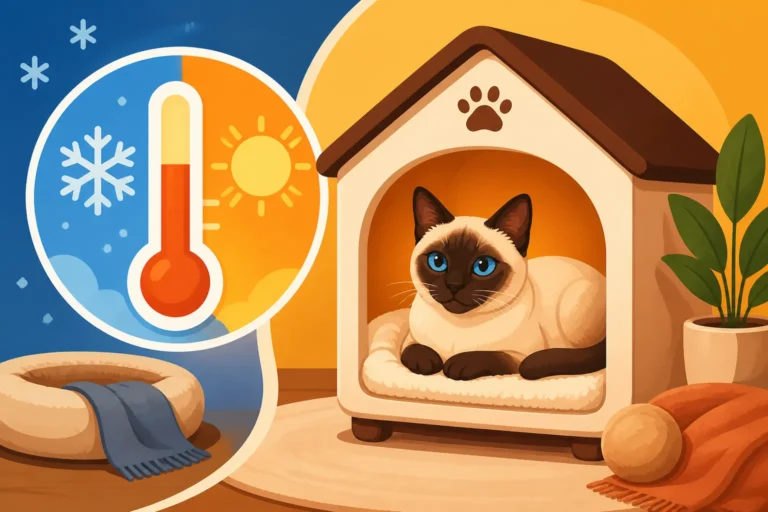
At the heart of a Siamese cat’s unique coat pattern is a specific genetic mutation that affects the enzyme tyrosinase. This enzyme is crucial for producing melanin, the pigment that gives hair its color. In Siamese cats, this tyrosinase enzyme is temperature-sensitive. Think of it like a tiny, biological thermometer built right into their cells. When the temperature is warm, the enzyme isn't very active, and little to no pigment is produced. When it’s cooler, the enzyme kicks into high gear, producing lots of melanin, resulting in darker fur. This is why Siamese cats have A Siamese Cat's Points Are Made by Temperature.
During their time in the womb, kittens are kept wonderfully warm and cozy by their mother's body temperature, which is consistently high. This internal warmth means that the tyrosinase enzyme isn't working much, so the kittens don't produce significant amounts of pigment. As a result, every single Siamese kitten, regardless of its eventual point color, is born a creamy white or very pale off-white. It’s a blank canvas, patiently waiting for the world to cool it down enough to reveal its true colors. You can learn more about this by reading Why a Siamese Cat Kitten Is Born White.
The Gradual Appearance of Points
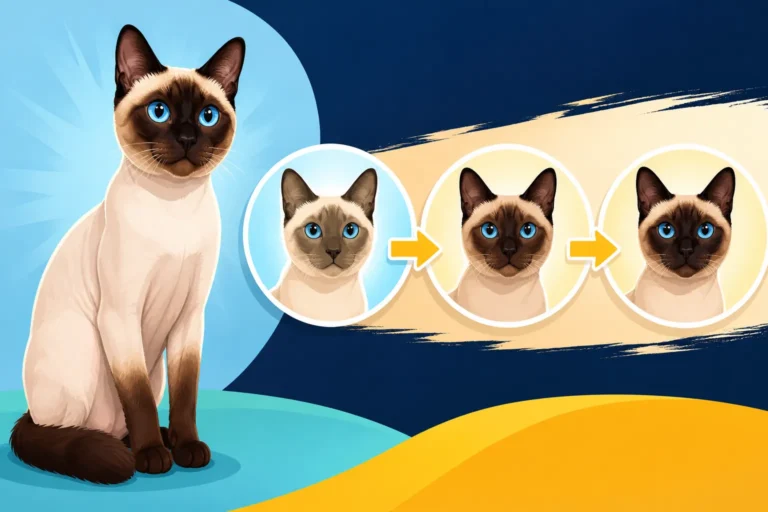
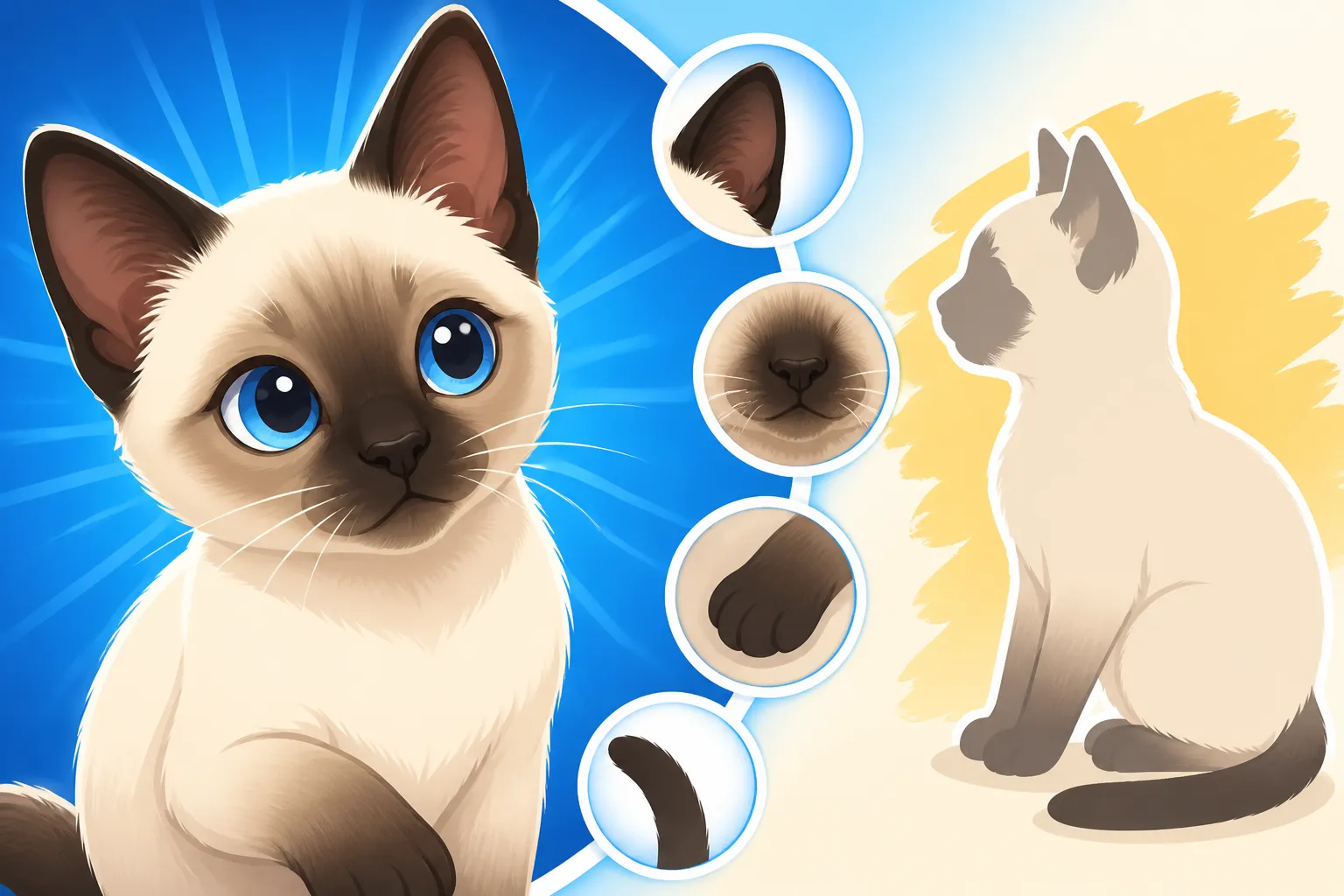
Once a Siamese kitten is born and enters the cooler outside world, the temperature-sensitive tyrosinase enzyme starts to do its job. The extremities of their body—the ears, nose, paws, and tail—are naturally the coolest parts. This is where the enzyme becomes most active, and melanin production begins in earnest. It’s a gradual process, not an overnight switch, which is part of the fun of watching them grow.
You might notice the very tips of their ears and noses starting to show a faint hint of color first. Then, perhaps, the tiny pads of their paws will start to darken, followed by the tail. This development usually begins within the first few days to weeks of life. However, it’s not an instant splash of color. It’s a slow, subtle deepening, like watching a photograph develop in a darkroom. The overall coloration also deepens as the kitten ages, becoming more pronounced over several months. This is why it’s hard to predict Whether a Siamese Cat Kitten's Final Color Can Be Predicted at birth.
Unpacking the Point Colors: Which One Develops First?
While all Siamese kittens are born pale, the speed and visibility of their point development can actually vary depending on their specific point color. This isn't just about how dark the points eventually become, but how readily that initial pigment-producing reaction occurs in those cooler extremities.
The "Default" Point Color: Seal Point
When we talk about which point color shows up first, the Seal Point often takes the lead. Seal Point Siamese cats have the most concentrated pigment, resulting in very dark, almost black-brown points. Because their genetics dictate such a rich pigment, the tyrosinase enzyme in a Seal Point kitten starts producing noticeable color relatively quickly once exposed to cooler temperatures. You might see the first faint smudges of color on their ear tips or nose within a few days, certainly within the first week or two.
This isn't to say other colors don't show any change, but the higher density of melanin in Seal Points makes those initial changes more apparent. If you're looking at a litter, and one kitten's ears seem to be tinting even slightly darker than the others early on, it's often a good indicator that they might be a Seal Point. Understanding What a Seal Point Siamese Cat Is helps appreciate this early visibility.
Other Point Colors and Their Development Sequence
Other point colors follow a similar principle but with variations in pigment density and hue. Here’s a general idea of how they tend to appear:
| Point Color | Pigment Density | Initial Visibility | Notes on Development |
|---|---|---|---|
| Seal Point | Highest | Earliest & clearest | Darkest brown/black points; often visible within days to 2 weeks. |
| Chocolate Point | High | Early | Rich, warm brown points; might appear slightly later or be less distinct than seal points initially, around 1-3 weeks. |
| Blue Point | Medium-High | Moderate | Slate grey points; often takes a bit longer to become clearly defined, visible around 2-4 weeks. |
| Lilac Point | Lowest | Latest & palest | Frosty grey/pinkish points; the most delicate color, often takes 3-6 weeks to discern clearly. |
As you can see, the darker the ultimate point color, the earlier you're likely to spot the initial hints of it. Blue Points, for example, have a diluted black pigment, which results in a slate grey. This dilution means less pigment is produced even when the enzyme is active, so the initial signs might be fainter or take a little longer to become noticeable compared to a Seal Point. You can learn more about these beautiful variations with articles like What a Blue Point Siamese Cat Is, What a Chocolate Point Siamese Cat Is, and What a Lilac Point Siamese Cat Is. Remember that these are general guidelines, and individual kittens can surprise you!
Factors Influencing Point Development in Siamese Kittens
It's not just genetics that play a role; the environment a Siamese kitten grows up in can significantly impact how quickly and intensely their points develop. It's a dance between nature and nurture, or in this case, nature and temperature.
Environmental Temperature and Its Impact
The ambient temperature of the kitten's surroundings is a huge factor. A kitten kept in a very warm environment, say a cozy nursery or a well-heated home, might experience slightly delayed or lighter point development because their extremities aren't getting quite as cool. Conversely, a kitten in a slightly cooler room might show their points sooner and they might develop more intensely. This is directly related to How Temperature Controls a Siamese Cat's Color.
Imagine a scenario: you have two Seal Point kittens from the same litter. One lives in a sun-drenched, perpetually warm living room, while the other is in a slightly cooler, air-conditioned bedroom. It’s entirely possible the kitten in the cooler room will develop its points faster and perhaps even a shade darker in the first few weeks than its sibling. Breeders often observe these subtle differences in their litters based on where the kittens spend most of their time. This environmental influence continues throughout the cat's life; you might notice Why a Siamese Cat Darkens Every Winter or lightens in summer.
Individual Genetics and Pigment Expression
While the general rule of "darker points show up sooner" holds true, there can be subtle individual variations even within the same litter of kittens with the same point color. Just like people have different hair shades or skin tones, each kitten has its own unique genetic blueprint that influences how much pigment their body produces. Some Seal Points might simply be predisposed to producing a tiny bit more pigment right out of the gate, making their points visible a day or two earlier than a littermate.
The specific gene responsible for the Siamese color pattern is known as the Himalayan gene, a form of albinism where pigment production is only partial. There might also be modifying genes at play that subtly influence the intensity or speed of color development. This is part of the fascinating complexity of Which Gene Makes a Siamese Cat's Points. So, while the broad strokes are clear, the fine details can be a delightful surprise with each kitten. It's why observing them daily is such a joy.
What to Expect as Your Siamese Kitten Grows
The journey of your Siamese kitten’s coat transformation is a marathon, not a sprint. Their points will continue to evolve, deepening and spreading slightly as they mature. It’s a dynamic process that reflects their environment and age.
Observing Your Kitten's Color Journey
As your kitten grows, you'll love watching their points deepen. Those faint ear tips will become a richer shade, their mask around the nose will expand, and their paws will solidify in color. Their tail will also become more distinctly colored. You'll notice the contrast between their body color and their points becoming much more pronounced over the first few months. This process is truly a testament to the wonder of nature.
It’s worth noting that the body color itself also changes. While born white, the body often darkens with age, especially in cooler climates. An old Siamese cat will often have a much darker body than a young one, sometimes taking on a smoky or tan hue that wasn't present in its youth. Providing cozy bedding and warm spots, perhaps even a heated bed, can influence how light their body stays. You can find excellent options for pet beds and other supplies on sites like Chewy or Amazon.
When to Be Patient: Full Color Takes Time
It’s important to remember that a Siamese cat’s points are not fully developed until they reach maturity, which can be anywhere from 1 to 2 years of age. Some cats continue to deepen in color even beyond that. The initial appearance of points is just the beginning of their colorful journey. Don't expect your kitten to have their full, rich coloration at just a few months old. It's a slow burn, a beautiful evolution that unfolds over time.
So, while you might see those first hints of color within days or weeks, the true depth and final shade of your Siamese cat’s points won't be settled for quite a while. Enjoy every stage of this transformation! You can expect How Long a Siamese Cat's Points Take to Finish to be a gradual process, offering ongoing delight as your beloved companion grows.
Disclaimer
This article is for general informational purposes only and does not constitute professional advice. Laws, prices and regulations vary by location and change over time. Consult a qualified professional for guidance on your specific situation.