How Long a Siamese Cat’s Points Take to Finish
One of the most exciting, and sometimes confusing, parts of bringing a Siamese kitten into your home is watching their beautiful coat develop. Many first-time Siamese owners are surprised to find their adorable little furballs are born almost entirely white, leading to a lot of head-scratching about when those distinctive dark points will finally make their grand appearance. It can feel like a mystery, but understanding the science behind their unique coloration helps you appreciate the journey. This guide will delve into the fascinating timeline of Siamese cat point development, explaining how long it truly takes for those iconic colors to fully emerge and what influences their stunning final look.
The Marvel of Siamese Point Coloration: How It Works
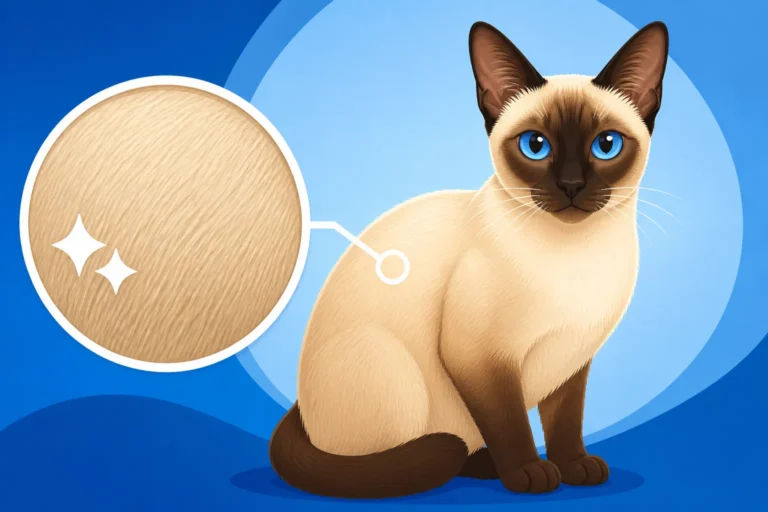
The hallmark of the Siamese cat breed is undoubtedly its striking point coloration – the darker fur on their ears, face, paws, and tail. This isn't just a random genetic quirk; it's a fascinating biological phenomenon directly linked to temperature. Understanding this mechanism is key to appreciating why your kitten starts off looking like a snowdrift and gradually transforms into the elegant Siamese you know and love.
The Tyrosinase Enzyme and Temperature Sensitivity
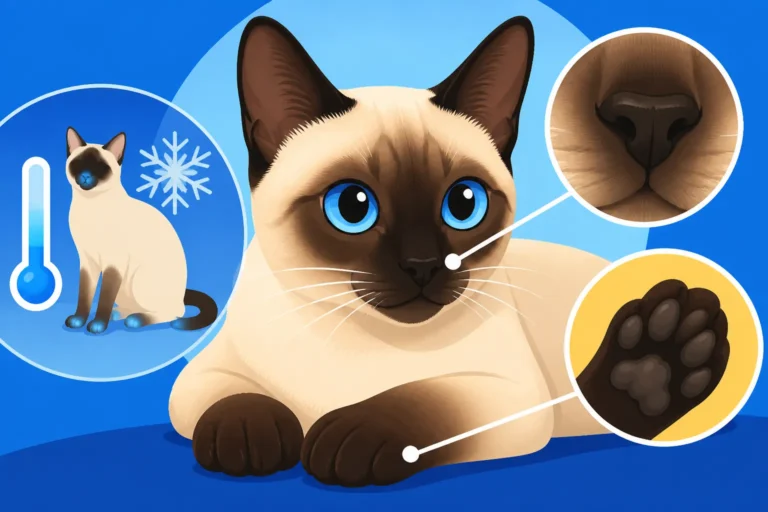
At the heart of Siamese point coloration is a special enzyme called tyrosinase. In most mammals, tyrosinase is responsible for producing melanin, the pigment that gives fur, skin, and eyes their color. However, Siamese cats, along with other pointed breeds, carry a specific gene mutation that makes their tyrosinase enzyme temperature-sensitive. This means the enzyme only functions effectively and produces pigment when the body temperature is cooler.
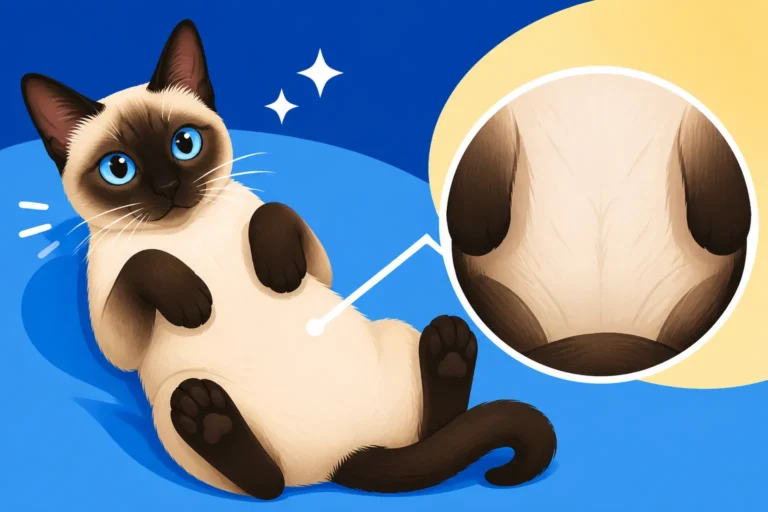
Think of it like this: in the warmer parts of their body, like their torso and belly, the enzyme is essentially "switched off" or greatly inhibited, leading to very little or no pigment production, hence the pale cream or white base coat. But in the cooler extremities – the tips of their ears, nose, paws, and tail – the temperature drops just enough for the enzyme to become active, allowing melanin to be produced. This is What Point Coloration in a Siamese Cat Is in a nutshell, and it’s why a Siamese cat's coloring is so dynamic and responsive to its environment. This unique genetic trait explains Why a Siamese Cat's Pigment Only Works When Cool. It's a natural marvel that makes each Siamese cat's coat a living thermometer.
The Initial Blank Canvas: Why Kittens are Born White
When a Siamese kitten is born, they emerge from the womb almost entirely white or a very pale cream. This often catches new owners off guard, especially if they’ve never had a pointed cat before. You might wonder, "Where are the points?" The reason for this pristine white start is simple: the womb environment is uniformly warm. While developing inside their mother, the kitten's entire body temperature is consistently high, which prevents the temperature-sensitive tyrosinase enzyme from activating anywhere.
It's similar to how a photographic negative looks before it's developed – full of potential, but not yet revealing the full picture. The pigment-producing cells are there, ready to go, but the conditions haven't been right for them to start their work. As soon as the kitten is born and exposed to the cooler ambient air, the process begins. The extremities, being naturally cooler, start producing pigment first, initiating the slow, beautiful reveal of their true point color. This phenomenon is a perfect example of Why a Siamese Cat Kitten Is Born White and truly highlights the special nature of their genetics.
Key Milestones in Point Development from Kittenhood to Adulthood
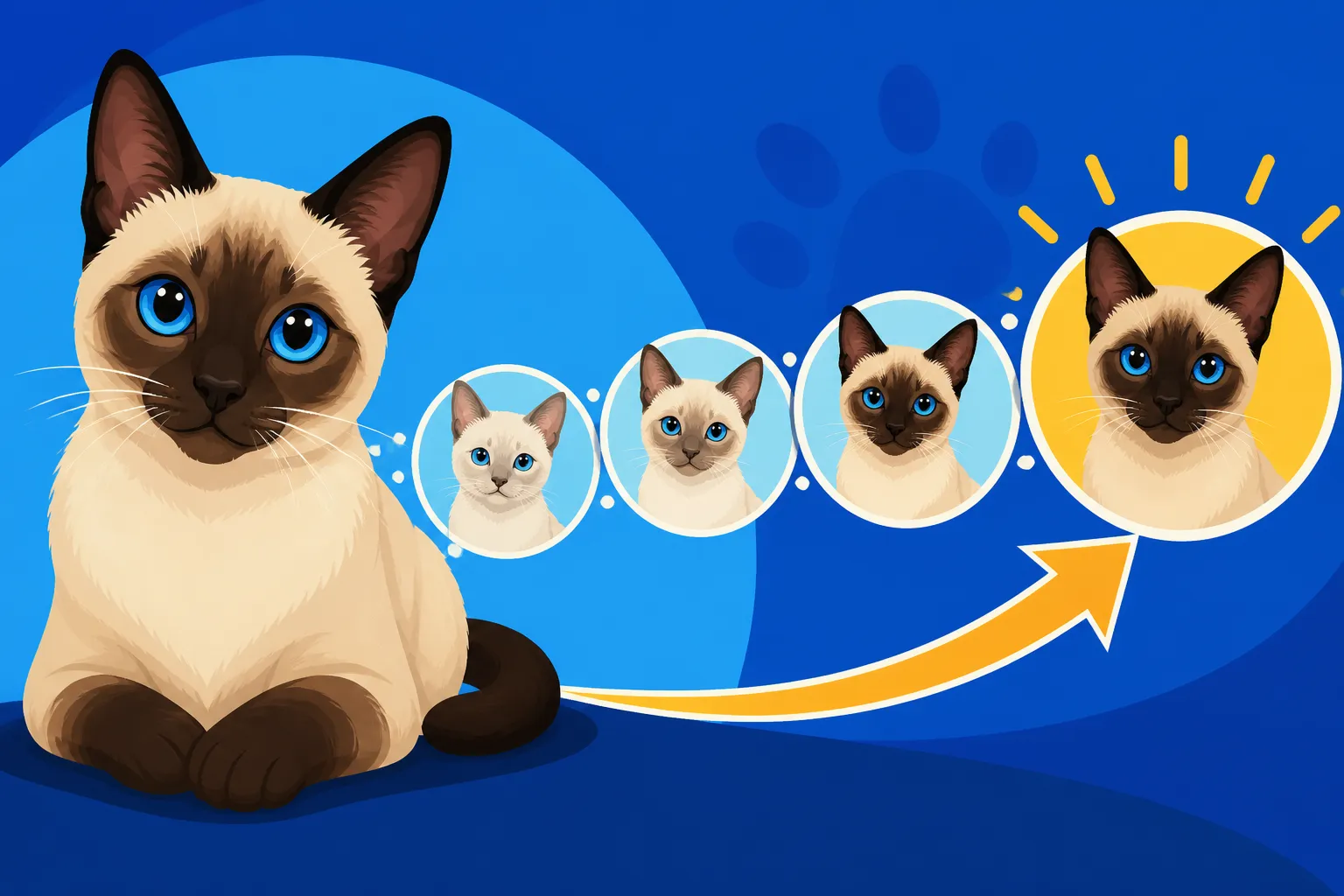
The journey from a pristine white newborn to a fully pointed adult Siamese cat is a gradual and enchanting one. It doesn't happen overnight, and watching the colors slowly deepen is a unique experience for any Siamese owner.
Early Whispers: The First Weeks of Color Emergence
You won't have to wait long after birth to see the first hints of your Siamese kitten's future colors. Typically, within the first few days to a week, you'll start to notice very faint smudges of color appearing on the tips of their ears and around their tiny noses. These are the earliest "whispers" of their points, often a pale gray or tan, depending on their genetic predisposition. For instance, a kitten destined to be a Seal Point might show very light charcoal gray, while a Lilac Point might first reveal the barest hint of pinkish-gray.
As the weeks progress, these areas will become more defined. By the time the kitten is 2-3 weeks old, the ears, nose leather, and paw pads will have a more noticeable hue. This is the stage where you can often make a more confident guess at their final point color, even if it's still much lighter than what you expect in an adult cat. This is truly How Old a Siamese Cat Kitten Is When Points Show, and it's a delight to witness these first transformations. This initial development is particularly visible in areas that are consistently exposed to the lowest body temperatures.
Teen Cat Transformation: Point Intensification Through the First Year
The most significant and exciting period of point development often occurs from about one month of age up through their first birthday. During this time, the points will continue to darken and spread. You’ll see the color creeping further down their ears, along their tail, and starting to fill in on their lower legs and paws. The mask on their face will also become more pronounced, starting around the nose and eyes, gradually extending outwards.
Different point colors darken at different rates. Seal Points, which are the darkest, tend to develop faster and reach a richer hue sooner. Chocolate Points follow, then Blue Points, and finally Lilac Points, which mature the slowest and remain the palest. This explains Which Point Color Shows Up First on a Siamese Cat and why some colors seem to “finish” earlier than others. As your kitten grows, becomes more active, and spends more time outside the immediate warmth of their mother and littermates, their body's overall temperature regulation matures, allowing for more consistent pigment production in the cooler zones. You might find yourself constantly checking their paws and tail, marveling at the daily changes. Providing a nutritious diet can support overall healthy development, including a beautiful coat.
Full Radiance: When Points Reach Their Mature Depth
While you'll see a great deal of point development within the first year, it’s important to understand that a Siamese cat’s points don't truly "finish" developing until they are fully mature, which is typically between 18 months and 2 years of age. Some cats might even continue to deepen in color very subtly beyond this, especially in their overall body shading.
At this point, the contrast between their pale body and dark points will be well-established and striking. The color will be rich and consistent across the designated point areas. It's not just about reaching a certain shade; it's also about the clarity and definition of those points. Owners often find that even if their cat’s points are "done," factors like environmental temperature and age will continue to influence their coat throughout their life. The Age a Siamese Cat Starts Darkening on its body, for instance, is a separate but related process, where the cooler body core gradually accumulates more pigment over many years, causing the overall body color to deepen.
Here's a general overview of the point development timeline:
| Age Range | Key Development | Notable Changes |
|---|---|---|
| Birth – 1 Week | Born white/pale cream | Faint smudges appear on ear tips and nose. |
| 2 – 4 Weeks | Points become slightly more visible | Ears and nose show clearer color; paw pads may start to darken. |
| 1 – 3 Months | Rapid darkening of ears, paws, tail | Facial mask begins to form; color spreads down legs. |
| 4 – 6 Months | Points intensify significantly | Good contrast between body and points; full tail color often visible. |
| 7 – 12 Months | Continued deepening and spreading of points | Approaching adult coloration; body color remains pale. |
| 18 Months – 2 Years | Points typically reach their mature depth and clarity | Full contrast established; subtle deepening may continue for some. |
Factors Influencing the Speed and Intensity of Point Development
While genetics lay the groundwork, several factors can influence how quickly and intensely your Siamese cat's points develop. It's a dynamic process, and understanding these influences can help you appreciate the unique beauty of your feline companion.
Genetic Blueprint: The Role of Specific Point Colors
As mentioned, not all Siamese point colors develop at the same pace or achieve the same intensity. The specific genetic variant your cat carries for their point color significantly impacts the timeline.
- Seal Points (darkest brown/black points) often show noticeable color earliest and reach their full dark potential relatively quickly.
- Chocolate Points (milk chocolate points) develop a rich, warm brown but typically take a bit longer than Seal Points to deepen completely.
- Blue Points (slate gray points) are known for their cool, steely gray, and while they darken steadily, they don't achieve the same dramatic contrast as Seal Points.
- Lilac Points (pinkish-gray points) are the lightest of the traditional four colors and often take the longest to fully mature. Their color is subtle and can appear almost silvery in certain lights.
It’s important to remember that these are generalizations. Every individual cat is unique, and there can be variations even within litters. If you're curious about the genetic background, a reputable breeder will be able to provide information on the lineage and expected color development, but the individual journey is always a bit of a surprise!
Environmental Warmth: Keeping Your Cat Cozy
Because the tyrosinase enzyme is temperature-sensitive, the ambient temperature of your home environment plays a direct role in your Siamese cat's overall coloration, including the depth of their points. A Siamese living in a consistently warmer environment may develop points that are slightly lighter or take longer to reach their deepest shade compared to a cat living in a cooler climate. Conversely, a cat regularly exposed to cooler temperatures might develop darker, more pronounced points.
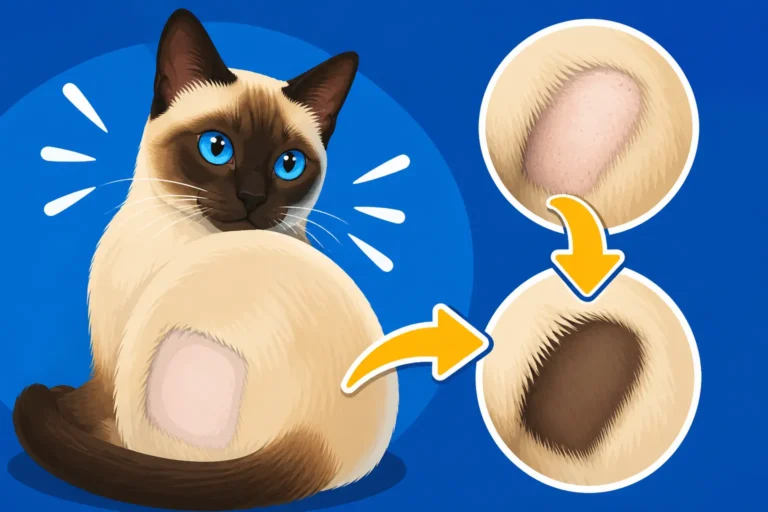
This also applies to local temperature variations on their body. For example, if your Siamese cat loves to curl up on a heated cat bed or spend a lot of time lounging in a warm sunbeam, those areas might develop slightly lighter coloration over time. Conversely, if they enjoy exploring cooler spots, you might see a more intense darkening in those areas. This is particularly noticeable if a patch of fur is shaved for a medical procedure; the new fur often grows back darker because the skin underneath was exposed to cooler air. How Temperature Controls a Siamese Cat's Color is a captivating aspect of their care. You can find many cozy heated beds for your cat on Chewy or Amazon to keep them comfortable and influence their coat ever so slightly.
Overall Health and Nutrition's Impact
A Siamese cat's overall health and nutritional status also play a role in coat quality and, by extension, the vibrancy and health of their points. A well-nourished cat with a healthy immune system is more likely to develop a full, lustrous coat with strong, clear coloration. Conversely, cats experiencing illness, stress, or nutritional deficiencies might display a duller coat or less intense point coloration.
Ensuring your Siamese cat receives a high-quality diet, rich in essential fatty acids and proteins, supports not just their coat but their entire well-being. Regular veterinary check-ups are crucial to address any underlying health issues that could impact their coat. How Much an Adult Siamese Cat Eats is also a factor, as proper caloric intake supports growth and metabolism, both contributing to a healthy coat. While diet doesn't change their genetic color, it can certainly help them achieve the best expression of that color.
Common Questions and What to Expect if Your Cat's Points Vary
It's natural to have questions, especially when observing the fascinating and sometimes unpredictable nature of Siamese point development. Many owners wonder if their cat's color is "normal" or if something is amiss if their points don't look exactly like another Siamese they've seen.
What if My Siamese's Points Seem Slow to Develop?
If your Siamese kitten's points seem to be developing slowly, or if they appear lighter than you expected, don't immediately jump to conclusions. First, consider their specific point color. As discussed, Lilac Points naturally develop slower and are much paler than Seal Points. It might just be the genetic hand they were dealt! Second, think about your home environment. Is your house kept particularly warm? A consistently warm environment will naturally slow down pigment production.
Another factor is simply individual variation. Just like humans, every cat is an individual. Some cats might just take a bit longer to "bake" their colors, while others are quick to show off their full potential. If your kitten is otherwise healthy, active, eating well, and playful, a slower point development is usually nothing to worry about. However, if you have any concerns about their overall health, it's always best to consult your veterinarian. They can confirm that your kitten is thriving and rule out any underlying issues.
Observing Point Color Changes Over a Lifetime
The development of a Siamese cat's points isn't necessarily a one-and-done deal. Their coat can continue to change subtly throughout their lives, responding to age, health, and environmental factors. For example, as a Siamese cat ages, it’s quite common for their body fur, which started as a pale cream or white, to gradually darken. This is due to a lifetime of cumulative exposure to cooler temperatures, allowing the temperature-sensitive enzyme to slowly produce more pigment even in the warmer parts of their body. Why an Older Siamese Cat's Body Goes Brown is a phenomenon many long-time Siamese owners observe.
You might also notice seasonal changes. In colder winter months, your Siamese cat's points and even their body color might deepen slightly, while in warmer summer months, they could lighten up a bit. This fascinating responsiveness to temperature means your Siamese will always be a work in progress, a beautiful canvas that subtly shifts and evolves with time and environment. How Much a Siamese Cat Changes Color in Winter is often quite noticeable. This continuous process is part of the enduring charm of owning one of these magnificent, intelligent felines.
Disclaimer
This article is for general informational purposes only and does not constitute professional advice. Laws, prices and regulations vary by location and change over time. Consult a qualified professional for guidance on your specific situation.