How Long a Shaved Siamese Cat Stays Dark
It’s a scenario many Siamese cat owners have faced: your beautiful Meezer needs a patch of fur shaved for a medical procedure, a difficult mat, or even just a particularly enthusiastic grooming session, and then, to your surprise, the fur grows back a much darker shade. This sudden change can be alarming, making you wonder if your beloved cat's color is permanently altered or if something is wrong. This guide is here to walk you through exactly why this happens, how long you can expect those dark patches to linger, and what you can anticipate as your cat's natural coloration makes its gradual return.
The Science Behind Your Siamese Cat's Color Change After Shaving
Understanding why a shaved patch on your Siamese grows back darker is truly fascinating, and it all comes down to a unique genetic quirk that makes these cats so distinctive in the first place. It's not just a random occurrence; it's pure biology at play, directly linked to what gives your Siamese their beautiful 'points'.
Understanding the Siamese Cat's Temperature-Sensitive Gene
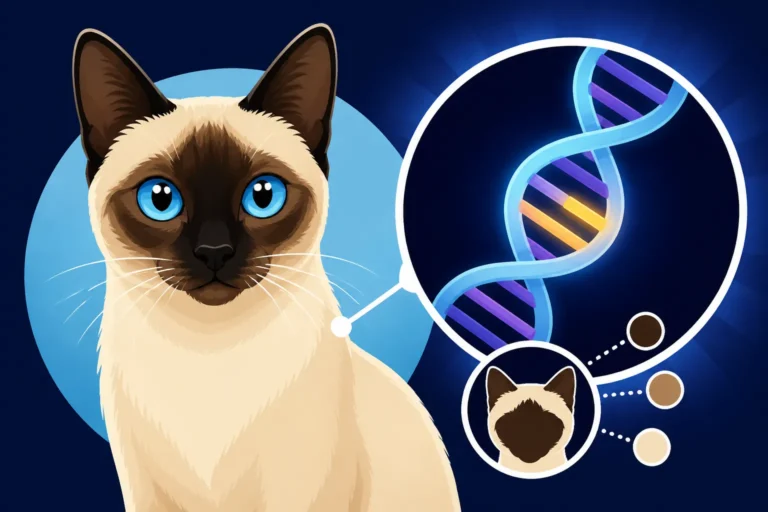
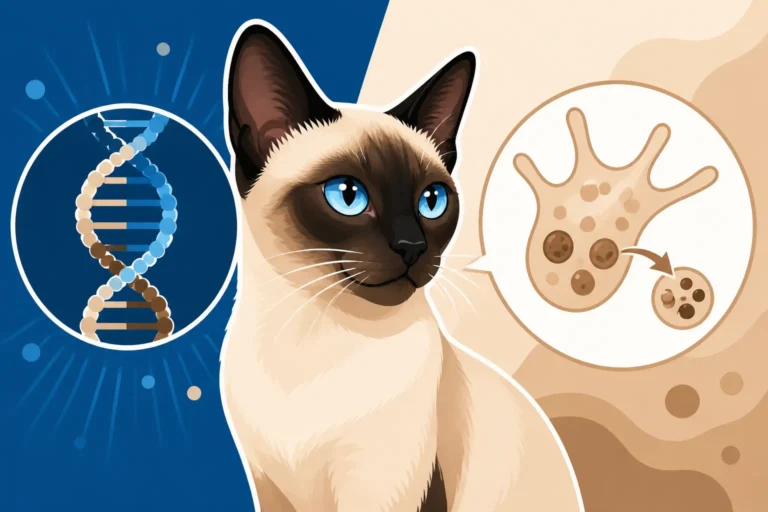
Siamese cats possess a specific genetic mutation, a form of partial albinism, that results in what we call "point coloration." This isn't just a pretty aesthetic; it’s a direct consequence of a faulty enzyme called tyrosinase. This enzyme is crucial for producing melanin, the pigment responsible for fur color. The thing is, in a Siamese, this tyrosinase enzyme only works efficiently at cooler body temperatures.
Think of it like a delicate machine that only operates when it’s a bit chilly. In the warmer parts of your Siamese cat's body – their torso, belly, and back – the enzyme is mostly inactive, resulting in lighter, creamier, or even white fur. But in the cooler extremities, such as their ears, nose, paws, and tail – the "points" – the enzyme kicks into gear, producing more melanin and leading to those rich, dark hues we all adore. This is why a Siamese cat kitten is born white; their entire body is warm in the womb, preventing pigment development. As they are exposed to the cooler air outside, their points gradually begin to darken. You can learn more about this unique trait in A Siamese Cat's Points Are Made by Temperature.
Why Shaved Areas Grow Back Darker
Now, let's connect this back to shaving. When a patch of your Siamese cat's fur is shaved, several things happen. Firstly, you're removing the insulating layer of fur that helps keep that part of the body warm. Without that natural insulation, the skin underneath is exposed to the ambient air temperature, which is almost always cooler than their internal body temperature. This localized cooling of the skin reactivates the temperature-sensitive tyrosinase enzyme in that specific area.
As a result, when the new fur begins to grow back, the reactivated enzyme starts producing melanin. This leads to the new fur appearing significantly darker than the surrounding, unshaved coat. This phenomenon is particularly noticeable after a veterinary procedure where a leg might be shaved for an IV, or a belly for an ultrasound. Owners are often surprised to see a dark "sock" on a formerly pale leg or a dark "tummy patch." It's a completely normal, genetically-driven response, and nothing to be worried about in terms of your cat's health. It simply means their unique coloration gene is doing its job! In fact, a similar darkening can happen if your Siamese cat gets a cold injury, which also lowers the skin temperature.
How Long Those Dark Patches Typically Last
The good news is that these dark patches are almost never permanent. They're a temporary side effect of the shaving and temperature change. The exact duration, however, can vary quite a bit, depending on a few key factors and your cat's individual biology.
Factors Influencing the Fading Process
Several things play a role in how quickly those dark patches will fade back to your Siamese cat's original coloration. It’s not a one-size-fits-all timeline, and patience is definitely a virtue here.
- Ambient Temperature of Your Home: This is perhaps the most significant factor. If your home is kept very warm, the shaved area will warm up faster, which can help the tyrosinase enzyme become inactive again, allowing lighter fur to grow in. Conversely, if your home is on the cooler side, the area might remain dark for longer as the enzyme continues to produce pigment. You can see how significant temperature is to their coat color in How Much a Siamese Cat Lightens in a Warm House.
- Hair Growth Cycle: Just like humans, cats have hair growth cycles. The fur has to grow out and be replaced by new, unpigmented fur. This isn't an overnight process. The speed at which your cat's fur grows, which can be influenced by age, nutrition, and overall health, will impact how quickly the dark patch diminishes. Older cats, for instance, sometimes have slower fur growth.
- Original Point Color: Some Siamese cats naturally have darker points (like a Seal Point) compared to others (like a Lilac Point). It stands to reason that an area on a cat with naturally darker genetics might appear even more intensely dark when shaved and regrown, potentially taking a bit longer to blend back in. This also ties into how much your Why a Siamese Cat Darkens Every Winter.
The Timeline: From Dark Patch to Faded Hue
Generally speaking, you can expect a shaved patch to remain noticeably darker for several weeks to a few months. It's a gradual process, not a sudden transformation.
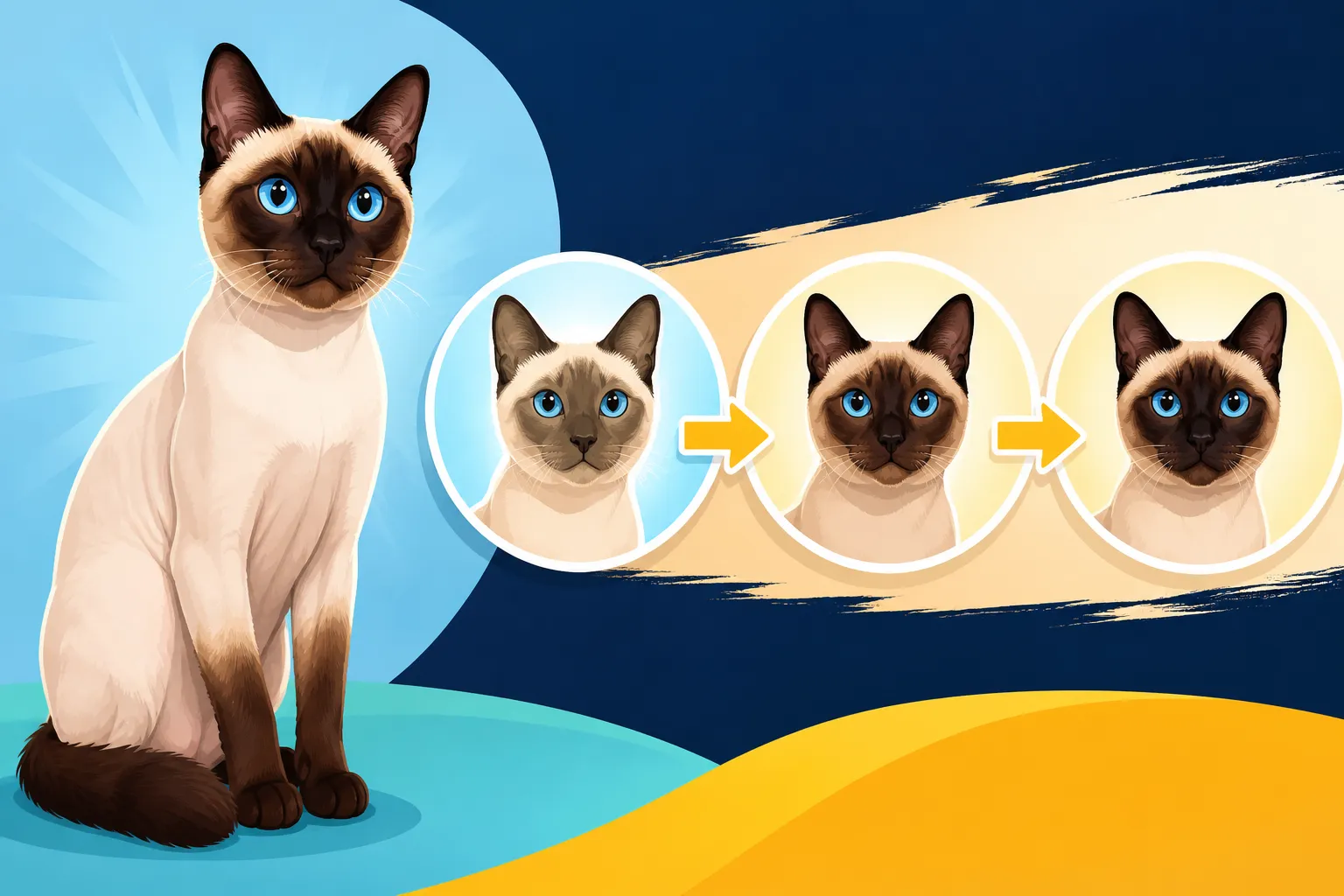
- Initial Darkening: Within a few weeks of shaving, as the stubble starts to grow, you'll see the color come in much darker. This is when the "oh no!" moment often happens for owners.
- Peak Darkness: The darkest phase might last for a month or two, especially if the area was shaved extensively or if your home is cooler.
- Gradual Fading: As the new fur continues to grow, and especially if the area warms up (either through natural body heat, re-insulation by longer fur, or warmer ambient temperatures), the tyrosinase enzyme will gradually become less active. This means the subsequent new hairs will start growing in lighter. The dark patch won't just vanish; it will slowly lighten and blend with the surrounding fur over the course of several months. For some cats, particularly those with very dark points or living in cooler climates, it might take a full growth cycle, which can be anywhere from four to six months, or even longer, for the area to fully match the original coat color. Rest assured, in almost all cases, the fur will return to its normal color over time.
| Factor | Impact on Darkness Duration |
|---|---|
| Ambient Room Temperature | Cooler rooms = longer dark patch |
| Cat's Body Temperature | Lower local skin temp = longer dark patch |
| Length of Shaved Fur | Shorter shave = more exposure = darker, longer |
| Individual Hair Cycle | Faster growth = quicker return to normal color |
| Original Point Color | Naturally darker points = potentially more intense, longer-lasting dark patch |
| Cat's Age | Older cats sometimes have slower hair growth |
What You Can Do (and What to Expect) While Waiting for the Color to Return
It's natural to feel a bit concerned or even a little silly about a fur color change, but remember, this is a hallmark of the Siamese breed! While you can't magically reverse the process, there are a few things you can do to potentially encourage the fur to lighten up a bit faster, and most importantly, what to expect as you wait.
Providing a Warm Environment to Encourage Lighter Fur
Since the darkening is directly tied to cooler skin temperatures, creating a warmer environment for your Siamese cat can theoretically encourage the shaved area to warm up and the enzyme to become less active. This, in turn, can promote the growth of lighter fur.
- Heated Beds: A heated cat bed is a fantastic way to provide localized warmth. Many cats adore these, especially a Siamese who naturally seeks out warm spots due to their single coat and love for coziness. You can find a wide variety of heated beds on platforms like Amazon or specialized pet supply sites like Chewy. Look for options with low wattage and safety features to ensure your cat is comfortable and safe. Remember, the goal is gentle warmth, not intense heat. You might find some excellent options when searching for When a Siamese Cat Needs a Heated Bed.
- Warm Rooms and Blankets: Simply ensuring your home is kept at a comfortable, consistent temperature can help. Providing plenty of soft, warm blankets or cat beds in sunny spots can also encourage your cat to relax in areas that will help their skin temperature normalize. A Siamese cat really does feel the cold more than many other breeds, so a cozy environment is always appreciated. How Warm a Siamese Cat's House Should Be has more tips.
- Gentle Clothing (with caution): For very small shaved areas, or if your cat is generally tolerant, a very lightweight, breathable cat shirt might help retain body heat in the shaved area. However, most cats dislike clothing, and forcing it can cause stress, which is never good. Always prioritize your cat's comfort and do not leave them unsupervised in clothing they are not accustomed to.
Patience and Managing Expectations
The most important thing you can do is simply be patient. Your Siamese cat isn't harmed by this color change; it's purely cosmetic.
- It's Normal and Harmless: Reassure yourself that this is a common and completely normal occurrence for Siamese cats. It's a visible testament to their unique genetics and doesn't impact their health or happiness. Your cat is still the same wonderful companion, just with a temporary fashion statement.
- Avoid Harsh Treatments: Do not attempt to scrub, bleach, or use any harsh chemicals or treatments on your cat's fur to try and lighten it. This can be incredibly dangerous, causing skin irritation, chemical burns, or even systemic illness if ingested. Let nature take its course.
- Focus on Overall Well-being: Continue with your regular grooming routine for the rest of their coat. A healthy diet, regular exercise, and plenty of affection will keep your Siamese cat in top condition, which in turn supports a healthy hair growth cycle. While the texture of a Siamese cat's coat is naturally quite fine, it's still good to keep an eye on it. You can read more about What a Siamese Cat's Coat Feels Like.
- Talk to Your Vet: If you're particularly worried or have questions, don't hesitate to mention it to your veterinarian during your cat's next check-up. They can confirm that the darkening is indeed just a normal color change and not indicative of an underlying skin issue. It's always a good idea to chat with your vet if you're unsure about any aspect of your cat's health, even if it seems minor. Sometimes, vets will even give you a heads-up about this phenomenon before shaving, as discussed in Whether a Vet Should Warn a Siamese Cat Owner Before Shaving.
When a Dark Patch Might Signal Something Else
While a darker regrown patch on a Siamese cat is almost always a benign genetic phenomenon, it's essential to be a vigilant pet parent. There are rare instances where a change in skin or fur might indicate a problem that isn't related to the temperature-sensitive gene. Knowing the difference can save you a lot of worry and ensure your cat gets prompt attention if needed.
Distinguishing Normal Color Change from Skin Issues
The key difference lies in what else is happening in the shaved area. Normal color change is just that – a change in color, nothing more.
- Color Change (Normal): The skin underneath the dark fur should look perfectly healthy – no redness, no swelling, no flakiness. The fur growing back, while dark, should otherwise appear normal in texture and density for new growth. Your cat should show no signs of discomfort or itchiness in the area. This is simply your Whether a Siamese Cat's Fur Grows Back the Same Color but with a temporary color shift.
- Skin Irritation or Infection: If the shaved area is red, inflamed, bumpy, or crusty, or if there's any discharge, it's a red flag. These are signs of irritation or infection, perhaps from the shaving itself or an allergic reaction. A cat might also excessively lick, chew, or scratch the area, leading to further skin damage or even hair loss beyond the shaved patch.
- Unusual Growths or Lumps: While very uncommon to appear immediately after a shave and be mistaken for color change, any new lumps, bumps, or persistent areas of thickened skin in the shaved region should always be evaluated. These are not related to pigment changes and could indicate a dermatological issue or, in rare cases, a more serious condition.
- Patchy Hair Loss or Poor Regrowth: If the fur isn't growing back evenly, or if there are new bald patches forming outside of the shaved area, it could point to a skin condition, hormonal imbalance, or even stress-induced overgrooming, also known as psychogenic alopecia. While stress can sometimes manifest as behavioral changes, sometimes physical signs like excessive grooming or even skin issues can be linked to a cat's anxiety, especially if a cat is left alone too long or feels lonely. For this reason, Whether a Siamese Cat Can Be Left Alone is an important consideration.
Consulting Your Veterinarian
When in doubt, always err on the side of caution and consult your veterinarian. They are the best resource for distinguishing a normal, albeit aesthetically different, regrowth from an actual health concern.
- Concerned About Appearance: If the dark patch persists for an unusually long time (many months to over a year) or if you're simply finding it hard to cope with the visual change, a quick chat with your vet can provide reassurance. They can confirm the genetic basis and help manage your expectations about the timeline.
- Signs of Discomfort or Illness: If your Siamese cat is showing any other symptoms in addition to the dark fur – itching, licking, pain when touched, lethargy, loss of appetite, or other changes in behavior – a vet visit is absolutely necessary. These signs indicate a potential medical problem that requires diagnosis and treatment.
- Monitoring Overall Health: Regular wellness checks are crucial for all cats, especially a breed like the Siamese, known for specific predispositions. Keeping up with your vet appointments ensures that any underlying health issues, whether related to skin, diet, or overall vitality, are caught early. Generally, Siamese cats are considered healthy and can live long lives, but proactive care is key. How Healthy the Siamese Cat Actually Is and How Long a Siamese Cat Lives on Average can give you an idea of their general longevity and health profile.
Ultimately, the dark patch on your shaved Siamese cat is a unique characteristic of their breed, a visible reminder of their distinct genetic makeup. Embrace it as part of what makes them so special, and enjoy the gradual return of their usual beautiful coat!
Disclaimer
This article is for general informational purposes only and does not constitute professional advice. Laws, prices and regulations vary by location and change over time. Consult a qualified professional for guidance on your specific situation.