Whether a Siamese Cat’s Eye Color Fades With Age
It's a common, heartbreaking worry for us Siamese cat parents to notice changes as our beloved felines age. One question that often surfaces is whether those stunning, sapphire-blue eyes, a hallmark of the breed, actually fade over time. It’s natural to observe any shift in our cat's appearance and wonder if it's a sign of aging or something more concerning. This guide aims to thoroughly explore the science behind a Siamese cat's eye color, what truly happens as they grow older, and how you can best support their eye health throughout their life.
The Unique Blue of Siamese Cat Eyes
Let's start by appreciating what makes a Siamese cat's eyes so captivatingly blue. It's not just a pretty color; it's a direct result of their unique genetic makeup, specifically the partial albinism gene responsible for their distinct point coloration.
The Genetic Blueprint for Blue
The gene that gives Siamese cats their striking color points and blue eyes is fascinating. It's a temperature-sensitive enzyme (tyrosinase) that only produces pigment in cooler parts of the body. This is why their ears, paws, tail, and face are darker, while their core body remains lighter. For their eyes, this gene means that melanin, the pigment that gives eyes their color (like green, hazel, or brown in other breeds), is either entirely absent or present in very low amounts in the iris.
Instead of pigment, what you're seeing is light refraction. Think of how the sky is blue – it's not actually blue, but the way light scatters through the atmosphere. The same principle applies to your Siamese cat's eyes. The structure of their iris scatters light, and because there's no dark pigment to absorb other colors, the blue wavelengths are reflected back to our eyes. This is why a Siamese cat's eyes are always a shade of blue, from a pale sky blue to a deep sapphire. It's a permanent optical effect, not a pigment that can lessen or intensify based on external factors other than light itself. Why a Siamese Cat Has Blue Eyes at All
Why the Blue Stays Blue
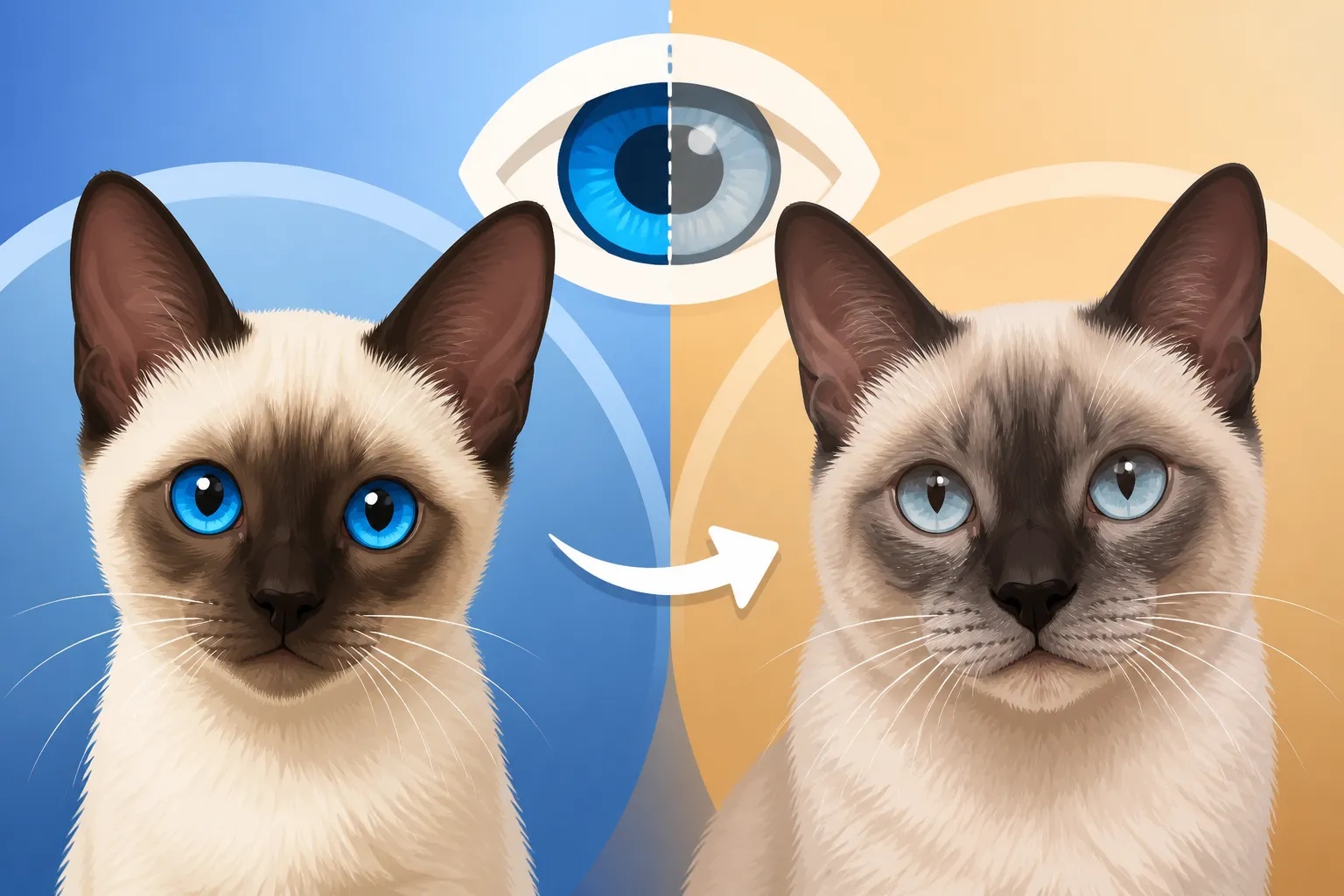
Given the genetic basis, the actual color of a Siamese cat's eyes doesn't fade in the way a painted wall might lose its vibrancy in the sun. The blue hue is a structural color, an optical illusion. This means that barring an injury or a significant health issue affecting the eye's physical structure, the fundamental blue color should remain constant throughout their life. What might change is our perception of that blue, or other age-related conditions might make the eye appear different. It's easy to jump to conclusions when we see any change in our beloved pets, but understanding the underlying biology can often bring a lot of peace of mind.
What Really Happens to a Siamese Cat's Eyes With Age
While the blue color itself isn't prone to fading, the structures within and around your Siamese cat's eyes can certainly undergo changes as they get older. These natural shifts can sometimes lead owners to believe the eye color is dulling, when in fact, it's something else entirely.
Nuclear Sclerosis: The Hazy Look
One of the most common age-related changes you might notice in your older Siamese cat's eyes is a slightly hazy or cloudy appearance in the center of the pupil. This is called nuclear sclerosis, and it's completely normal for senior cats, just as it is for aging humans. It's caused by the lens fibers compacting over time, making the lens denser.
It usually starts around 8-10 years of age, and it presents as a bluish-gray haze. Crucially, nuclear sclerosis typically doesn't impair their vision significantly, especially not in a way that impacts their daily life. They can still navigate, hunt (even if it's just for toy mice), and recognize their favorite humans. It’s more of an aesthetic change than a functional one, and it certainly doesn't affect the vibrant blue color of their iris. When you notice this, don't immediately panic that their vision is gone or their eye color has faded; it's often just a sign of a well-lived life. The Age a Siamese Cat Is Considered Senior
Cataracts: A More Serious Clouding
While nuclear sclerosis is common and mostly benign, cataracts are a more serious condition that can also make an eye appear cloudy. Cataracts involve an opacification of the lens, meaning it becomes truly opaque, preventing light from reaching the retina. This does significantly impair vision and can eventually lead to blindness.
Unlike the bluish haze of nuclear sclerosis, cataracts often appear as a denser, whiter, or more opaque cloudiness within the pupil. If your Siamese cat develops cataracts, it can certainly make their eyes look different, potentially giving the impression that the underlying blue has "faded" or been obscured. Cataracts in cats can be caused by various factors, including genetics, diabetes, inflammation, or trauma. If you observe any significant cloudiness that seems to be progressing, it's essential to have your vet check it out. Early detection can sometimes lead to treatments that can improve or preserve their quality of life. What Changes in a Siamese Cat After Twelve
Other Conditions Affecting Eye Appearance
Beyond sclerosis and cataracts, other less common conditions can affect how your Siamese cat's eyes appear as they age:
- Glaucoma: This is a painful condition where pressure builds up inside the eye, damaging the optic nerve. It can cause the eye to appear enlarged, watery, or cloudy, and the pupil might be dilated. The affected eye may look different from the healthy one.
- Uveitis: Inflammation of the uvea (the middle layer of the eye) can cause redness, squinting, light sensitivity, and a cloudy appearance.
- Retinal Degeneration: While less about the front of the eye, conditions like progressive retinal atrophy (PRA) can lead to vision loss, and sometimes the pupils may appear more dilated, giving a different overall look to the eye. What PRA Does to a Siamese Cat's Sight
In all these cases, it's not the blue color itself that's changing, but rather the health and clarity of the structures around and within the eye that can alter its overall appearance. Regular veterinary check-ups are crucial for catching these issues early.
Nurturing Your Siamese Cat's Eye Health
Even though their eye color is genetically fixed, maintaining the overall health of your Siamese cat's eyes is paramount as they age. A healthy eye is a clear eye, and proactive care can help ensure their vision remains as sharp as possible for as long as possible.
Regular Veterinary Check-ups
This is truly the cornerstone of good eye health for any cat, especially a Siamese. As your cat enters their senior years, typically around 7-10 years old, annual or even semi-annual vet visits become even more critical. During these check-ups, your veterinarian will not only perform a general physical exam but also specifically look at their eyes.
They'll check for signs of nuclear sclerosis, cataracts, glaucoma, and any other abnormalities. Catching potential issues early is key. For example, if glaucoma is detected, early intervention can often help manage pain and preserve some vision. Don't wait until you notice a drastic change; regular preventive care is always better than reactive treatment. Your vet might even recommend specific blood tests as part of their senior panel to rule out underlying systemic diseases like diabetes that could affect eye health. What a Siamese Cat's Yearly Bloodwork Should Cover
Optimal Nutrition for Overall Wellness
A well-balanced, high-quality diet plays a significant role in your Siamese cat's overall health, including their eyes. While no special diet will magically "brighten" their blue eyes, proper nutrition supports the health of all body systems, including the delicate structures of the eyes. Look for foods rich in omega-3 fatty acids, antioxidants like vitamins C and E, and taurine, which is essential for feline eye and heart health.
Many premium cat foods on the market, including fresh options, are formulated with these beneficial nutrients. If your Siamese is getting adequate nutrition, it helps their body maintain healthy tissues and supports their immune system, which in turn can help ward off infections or inflammatory conditions that might affect their eyes. Always discuss any dietary changes or supplements with your vet to ensure they're appropriate for your specific cat's needs and health status.
Hydration and Environment
Ensuring your Siamese cat stays well-hydrated is another simple yet effective way to support their overall health, which indirectly benefits their eyes. Dehydration can affect mucous membranes and overall systemic health. Many cats don't drink enough water, especially if they're on a solely dry-food diet. Consider adding wet food to their diet or investing in a water fountain, which can encourage them to drink more.
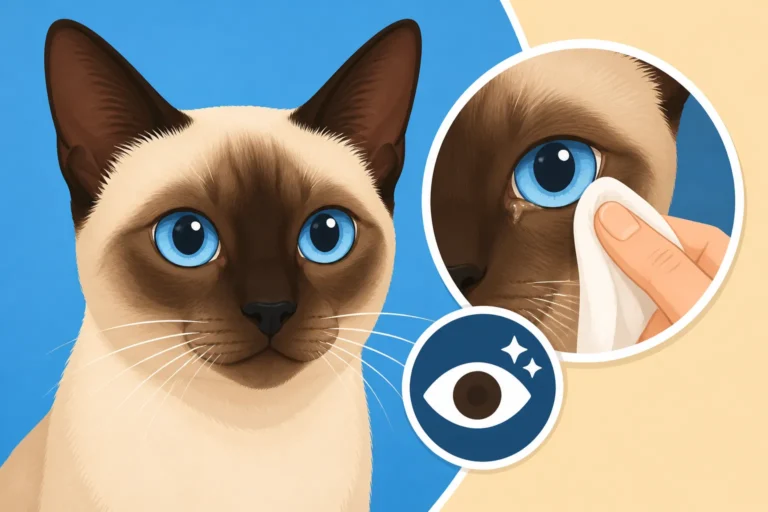
Your home environment also plays a role. Keep it clean to minimize dust and allergens that could irritate your cat's eyes. If you notice any discharge around their eyes, gently wipe it away with a soft, damp cloth or a vet-approved eye wipe. Avoid harsh chemicals or human eye drops unless specifically instructed by your vet. A clean, comfortable home free from irritants supports clear, healthy eyes.
Debunking the "Fading Eyes" Myth and Understanding Perception
The idea that a Siamese cat's striking blue eyes "fade" with age is a common misconception. While we've discussed that the actual blue color remains, it's completely understandable why an owner might perceive a change. Let's break down why this happens and what to really expect.
Contrast with Darkening Coat
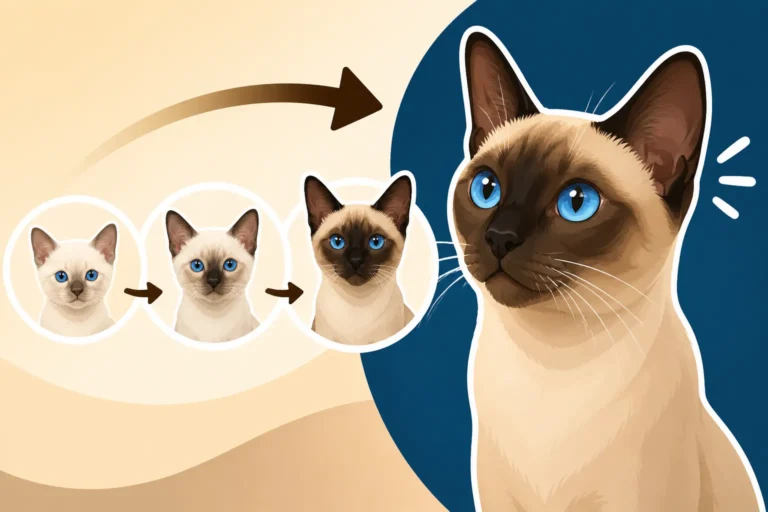
As Siamese cats age, their coats tend to darken. This is due to the same temperature-sensitive gene that gives them their points. Over time, continuous exposure to cooler temperatures (even just ambient room temperature) causes more pigment to be produced in their fur, leading to a more generalized darkening, especially on their back and sides. What an Aging Siamese Cat's Coat Looks Like
When the surrounding fur darkens, the vividness of the blue eyes can seem less pronounced by contrast. Imagine a bright blue gem set against a dark velvet background versus a lighter, dusty background. The gem itself hasn't changed, but its perceived brilliance can certainly shift. This is a purely visual effect, not an actual change in the iris color. If you've ever thought your senior Meezer's eyes looked a little less "pop," it might just be their beautiful evolving coat playing tricks on your eyes.
Lighting Conditions and Photography
Our perception of color is heavily influenced by lighting. The intensity and type of light (natural daylight, incandescent, fluorescent) can dramatically alter how we see colors, including eye color. A Siamese cat's eyes might look brilliantly bright in direct sunlight but appear deeper and less vibrant in dim, indoor lighting.
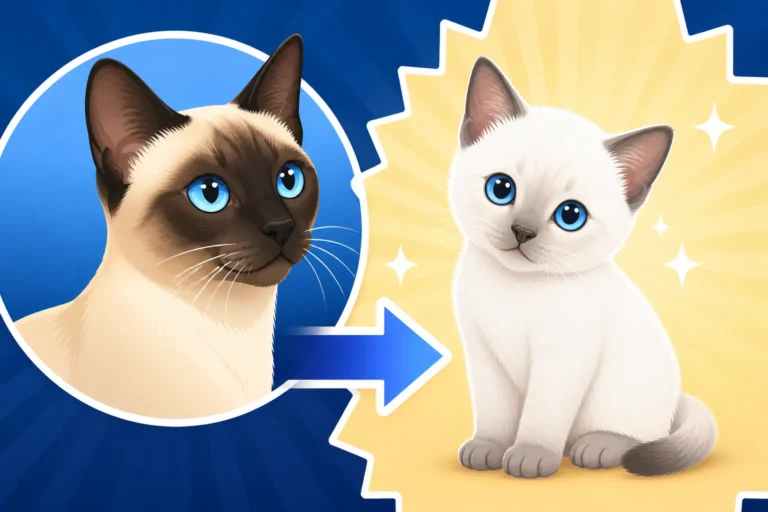
Similarly, photographs can be deceiving. Camera settings, flash, and post-processing can all affect how eye color appears in an image. If you're comparing old photos of your cat as a kitten to recent ones, differences in lighting or photographic technique might make it seem like their eye color has faded, even if it hasn't. It's easy to second-guess ourselves based on photos, but remember they don't always capture reality perfectly.
The Impact of Overall Health and Energy Levels
An unwell or lethargic cat might simply look less vibrant overall, and this can extend to their eyes. If your Siamese cat is suffering from an illness, experiencing pain, or is just generally feeling under the weather, their eyes might appear duller or less alert. This isn't a change in eye color, but rather a reflection of their current state of health. Their pupils might be slightly different, their gaze less focused, or their third eyelid might be partially visible, all contributing to an altered appearance.
This is where your keen observation as a cat parent comes in. If you notice a general dullness or any other signs that your cat isn't feeling their best, consult your vet. Early intervention for underlying health issues can often bring back that spark in their eyes (and their step!). How a Siamese Cat Hides Pain or Signs a Siamese Cat Is Unwell are great resources if you're concerned about changes in your cat's demeanor.
Here's a quick comparison of common age-related eye changes:
| Characteristic | Nuclear Sclerosis | Cataracts | Eye Color Fading |
|---|---|---|---|
| Appearance | Bluish-gray haze in pupil center | Opaque, whitish cloudiness | No actual change in blue pigment |
| Impact on Vision | Minimal to none | Significant impairment, can lead to blindness | None, color remains structural |
| Causes | Natural aging of lens fibers | Genetics, diabetes, trauma, inflammation | Not applicable, a myth |
| Progression | Slow, gradual | Can be slow or rapid | Does not occur |
| Treatment | None needed, benign | Surgery (if appropriate), management of underlying cause | Not applicable |
Ultimately, the gorgeous blue of your Siamese cat's eyes is there to stay, a beautiful genetic gift. While their bodies and health will change with the graceful march of time, their eye color is one aspect that you can rest assured will remain true. Focus on regular vet care, good nutrition, and an attentive eye for any actual health changes, and those stunning blue eyes will continue to captivate you for years to come.
Disclaimer
This article is for general informational purposes only and does not constitute professional advice. Laws, prices and regulations vary by location and change over time. Consult a qualified professional for guidance on your specific situation.