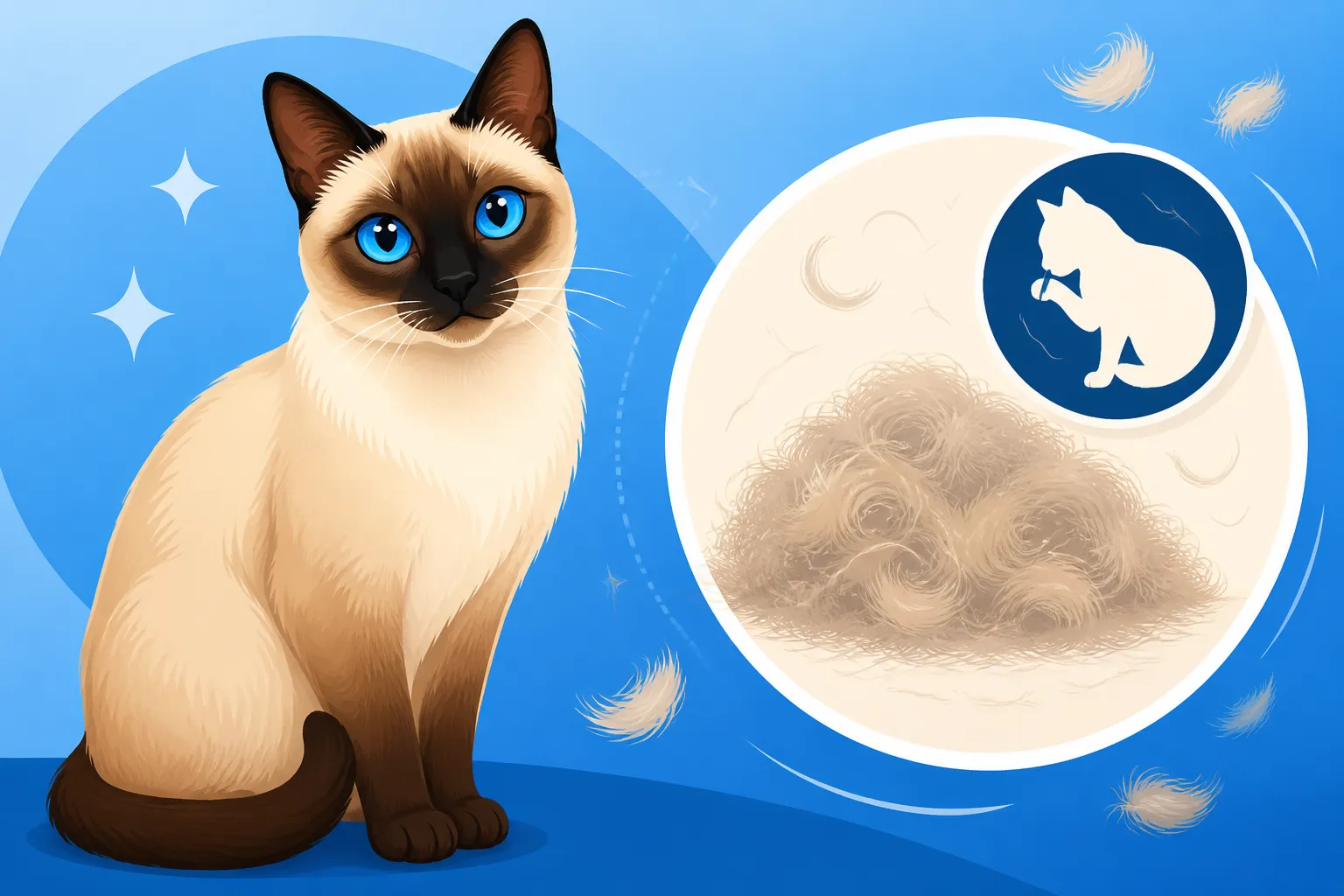
How Much a Siamese Cat Sheds a Year
It's a common misconception, isn't it? You get a beautiful Siamese cat with that sleek, short coat, and you immediately think, "Finally, a cat that won't shed!" But then you notice those fine hairs on your dark clothes, on the sofa, even in your morning coffee. The truth is, Siamese cats, like nearly all cats, do shed. They might not leave enormous clumps like some long-haired breeds, but they absolutely contribute to the furry landscape of your home. This guide will walk you through what to realistically expect from your Siamese cat's shedding, what factors influence it, and how you can manage it effectively.
Understanding Siamese Cat Shedding: Dispelling Myths
When you picture shedding, you probably think of huge tufts of fur rolling across the floor like tumbleweeds or your vacuum cleaner groaning under the strain of a Persian cat's winter coat. With a Siamese, the experience is often quite different, leading many new owners to mistakenly believe their sleek feline is a non-shedder. This simply isn't the case, and understanding how they shed is key to managing your expectations and your home.
Why a Short-Haired Cat Still Sheds
Siamese cats are known for their incredibly short, fine, and close-lying coats. Unlike breeds with thick double coats or long, flowing fur, a Siamese has a single coat. This is often why people assume they won't shed. However, every hair follicle on a cat goes through a growth cycle: it grows, rests, and then falls out to make way for a new hair. This is a natural, continuous process essential for a healthy coat. Your Siamese cat is constantly renewing its fur, meaning old hairs are always being shed, even if they aren't as visible or voluminous as those from a fluffy Maine Coon. Why a Siamese Cat Has No Undercoat goes into more detail about their unique coat structure.
Imagine wearing a dark sweater and cuddling your Siamese. Later, you'll likely find a scattering of tiny, needle-like hairs. These aren't big, fluffy strands; they're fine and discreet, but they definitely accumulate. The main difference isn't if they shed, but how much and what kind of hair they shed. It’s less of a seasonal "blowout" and more of a consistent, low-level shedding throughout the year.
The Perception Versus Reality of Siamese Shedding
The perception that Siamese cats don't shed much often comes from comparison. If you've previously owned a long-haired breed, or even a domestic shorthair with a thicker coat, your Siamese's shedding might seem negligible. You won't typically find massive dust bunnies made purely of cat hair under your furniture. Instead, you'll encounter a more insidious, pervasive layer of fine fur that seems to settle everywhere.
This can be frustrating because it's harder to see in big clumps, but easier to notice on upholstery, clothing, and dark surfaces. It's like glitter – once it's there, it's everywhere, and it's surprisingly hard to completely get rid of. While you might not spend hours brushing out tangles, you'll still be reaching for the lint roller and vacuum regularly. It's a different kind of shedding battle, but a battle nonetheless.
The Factors That Influence Your Siamese Cat's Shedding Cycle
While all Siamese cats shed, the amount can vary significantly from one cat to another, and even for the same cat throughout the year. Several factors play a crucial role in how much fur ends up floating around your home. Understanding these influences can help you anticipate heavier shedding periods and take proactive steps.
Seasonal Changes and Indoor Environment
Just like their wild ancestors, cats' coats respond to changes in temperature and daylight hours. While your indoor Siamese might not experience the full brunt of seasonal changes, their bodies still react. Typically, you might notice a slight increase in shedding in spring as they lighten their coat for warmer weather, and again in autumn as they prepare a denser layer for winter.
However, for indoor cats, this seasonal shedding can be less pronounced and more drawn out. Constant artificial lighting and stable indoor temperatures mean their bodies don't get as strong a signal to dramatically change their coat. Instead, they often shed a moderate amount year-round. If your home fluctuates in temperature or your cat spends time in a catio, their shedding patterns might align more closely with outdoor seasons. How Much a Siamese Cat Darkens in a Cold House subtly hints at the environmental influence on their coat.
Diet, Hydration, and Overall Health
What goes into your cat directly impacts the quality and health of their fur. A Siamese cat on a high-quality, balanced diet with adequate protein and essential fatty acids will generally have a healthier coat and potentially shed less excessively than one on a poor diet. Look for foods rich in omega-3 and omega-6 fatty acids, as these are vital for skin and coat health.
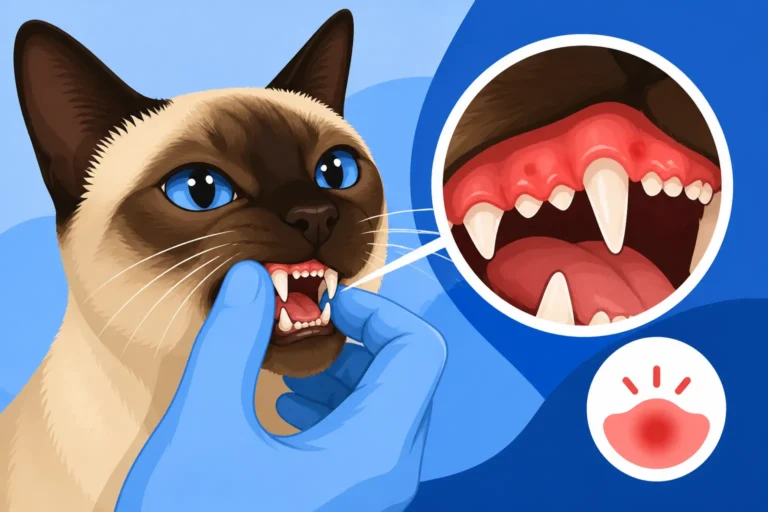
Dehydration can also lead to dry skin and a dull, shedding coat. Ensure your Siamese has constant access to fresh water, perhaps even considering a water fountain to encourage more drinking. Beyond diet, any underlying health issue can manifest in a poor coat condition and increased shedding. Stress, allergies, parasites, or more serious illnesses can all cause a cat to shed more than usual or to develop bald patches. If you notice sudden, excessive shedding or skin irritation, it's always best to consult your vet. This is part of How Healthy the Siamese Cat Actually Is, where overall health impacts many aspects, including coat quality.
Age and Stress Levels
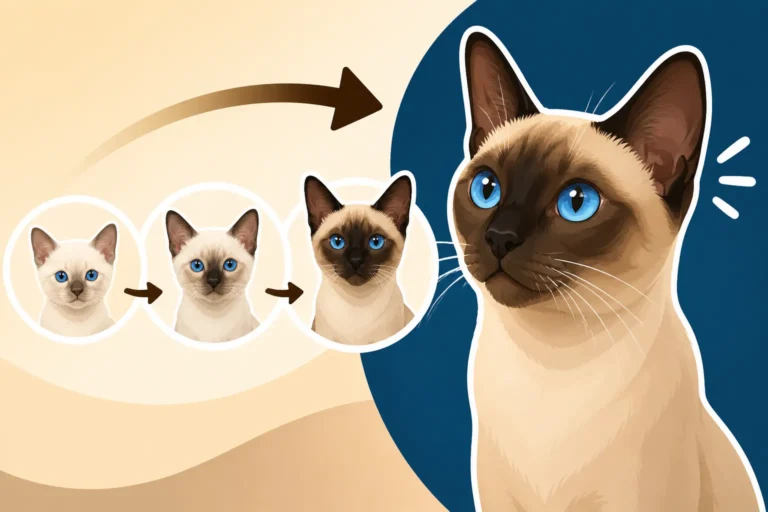
A Siamese kitten's coat is often incredibly soft and fine, and they typically shed less than adult cats. As they mature, their coat will settle into its adult texture and density, and shedding will become more consistent. Older Siamese cats, on the other hand, might experience changes in their coat health due to aging skin, nutritional absorption issues, or underlying health conditions. You might notice their fur becoming a bit coarser or thinning in places, which can affect shedding patterns. What Changes in an Aging Siamese Cat's Coat provides insights into these age-related shifts.
Stress is another significant factor. Cats are creatures of habit, and any disruption to their routine, a new pet, a house move, or even boredom can lead to stress. A stressed Siamese cat might groom excessively, leading to psychogenic alopecia (stress-induced hair loss) or simply shedding more heavily. Why a Stressed Siamese Cat Licks Itself Bald directly addresses how stress impacts their fur. Providing a stable, enriching environment is crucial for their well-being and, by extension, their coat health.
Practical Strategies for Managing Siamese Cat Shedding
Dealing with cat hair is just a part of living with our beloved felines, but it doesn't have to be an overwhelming battle. With a few consistent habits and the right tools, you can significantly reduce the amount of Siamese cat hair circulating in your home and keep your cat's coat in top condition.
Regular Grooming Routine
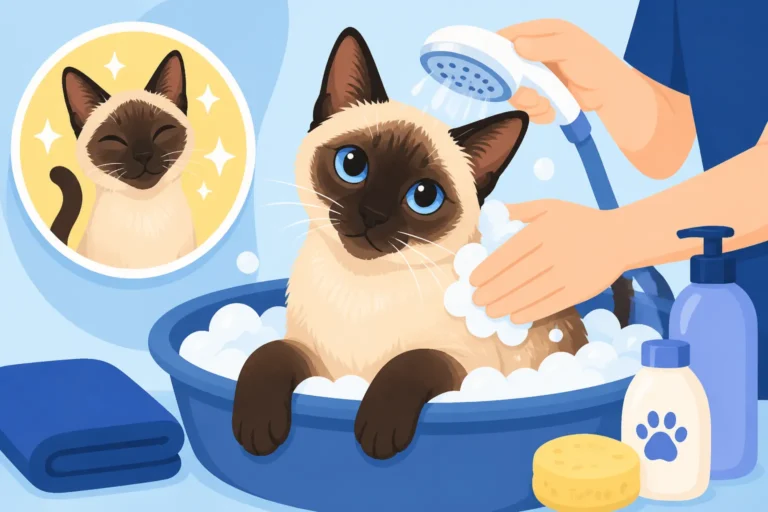
The most effective way to manage shedding is through regular grooming. Even though Siamese cats have short hair, they benefit immensely from a quick brush a few times a week. This helps remove loose hairs before they can land on your furniture, distributes natural skin oils for a healthy sheen, and provides a lovely bonding experience.
- Brushing Tools: A soft rubber curry brush or a grooming glove is excellent for Siamese cats. These tools are gentle on their skin and effective at catching loose, fine hairs. You might also find a fine-toothed comb helpful for areas like their tail or legs. Avoid harsh deshedding tools that are designed for thick undercoats, as these can be too aggressive for a Siamese's single coat. Many options are available on Chewy or Amazon, allowing you to find the perfect fit for your cat's comfort and your budget.
- Frequency: Aim for 2-3 times a week, or even daily during perceived heavier shedding seasons. It only takes a few minutes. Grooming a Siamese Cat Takes Five Minutes a Week isn't an exaggeration – consistency is key.
Nutritional Support and Hydration
As mentioned earlier, a healthy diet is paramount for a healthy coat. Ensure your Siamese cat is eating high-quality cat food that lists meat as the primary ingredient. Look for formulas that specifically promote skin and coat health, often enriched with omega fatty acids. If you're unsure about your cat's diet, discuss it with your vet.
Supplementation can also be beneficial, but always consult your veterinarian before adding anything new to your cat's diet. Fish oil (omega-3 fatty acids) is a popular choice for improving skin and coat health, which can in turn reduce excessive shedding.
Hydration is equally important. Cats, especially those on a dry kibble diet, can sometimes struggle to drink enough water. Using a water fountain, adding a little water or low-sodium broth to wet food, or incorporating more wet food into their diet can help keep them well-hydrated, promoting healthy skin and a less brittle coat. How Much an Adult Siamese Cat Eats and Which Food Suits a Siamese Cat offer more dietary insights.
Environmental Control and Cleaning Tips
Beyond direct grooming, creating a clean environment helps minimize the impact of shedding. Regular cleaning is your best friend.
- Vacuuming: Invest in a good quality vacuum cleaner, ideally one designed for pet hair, and use it frequently on carpets, rugs, and upholstery.
- Lint Rollers: Keep lint rollers handy near doors, in your car, and where you get dressed. They're indispensable for quick touch-ups on clothing before you head out.
- Washing Bedding: Wash your cat's bedding, blankets, and any removable covers on furniture regularly. This removes accumulated hair and dander.
- Air Purifiers: While not directly stopping shedding, an air purifier can help capture airborne dander and fine hairs, improving overall air quality in your home.
Here's a quick comparison of common grooming tools for Siamese cats:
| Tool Type | Best For | Pros | Cons |
|---|---|---|---|
| Rubber Curry Brush | Gentle daily/weekly deshedding, massage | Soft on skin, easy to clean, stimulates blood flow, good for bonding | May not remove deepest loose hair, less effective on matted fur (which Siamese rarely get) |
| Grooming Glove | Hands-on petting, catching loose hair | Mimics petting, cats often tolerate it well, good for sensitive areas | Less efficient than a brush for large amounts of hair, can get messy |
| Fine-Toothed Comb | Targeted removal of loose hair, polishing coat | Effective for detailed grooming, helps smooth coat, good for tail | Can pull if not used carefully, some cats dislike the sensation |
| Lint Roller | Quick clean-up on clothes and furniture | Instant hair removal, portable, easy to use | Does not address the root cause of shedding, can be wasteful (disposable sheets) |
Ultimately, living with a Siamese cat means accepting a certain amount of shedding. It's a small price to pay for their affectionate, talkative, and entertaining companionship. By understanding their unique coat, addressing influencing factors, and implementing a consistent grooming and cleaning routine, you can keep both your cat happy and your home reasonably fur-free.
Disclaimer
This article is for general informational purposes only and does not constitute professional advice. Laws, prices and regulations vary by location and change over time. Consult a qualified professional for guidance on your specific situation.