Whether a Siamese Cat Sheds More in Spring
Many Siamese cat owners wonder if their sleek, short-haired companions truly shed, or if it's just a myth that these particular felines don't leave much fur behind. The truth is, all cats shed, and your beloved Siamese is no exception. While they might not blanket your home in fluffy tumbleweeds like some long-haired breeds, they absolutely do experience seasonal shedding cycles, particularly as the days grow longer in spring. This guide will delve into what influences your Siamese cat's coat cycles, how to tell if their shedding is normal, and practical ways to manage it.
The Unique Nature of the Siamese Cat Coat
The Siamese cat's coat is one of its most striking features, but it's also a bit different from many other cat breeds, which directly impacts how they shed. Understanding this unique coat is the first step in understanding their shedding patterns.
Why Siamese Cats Have a Single Coat
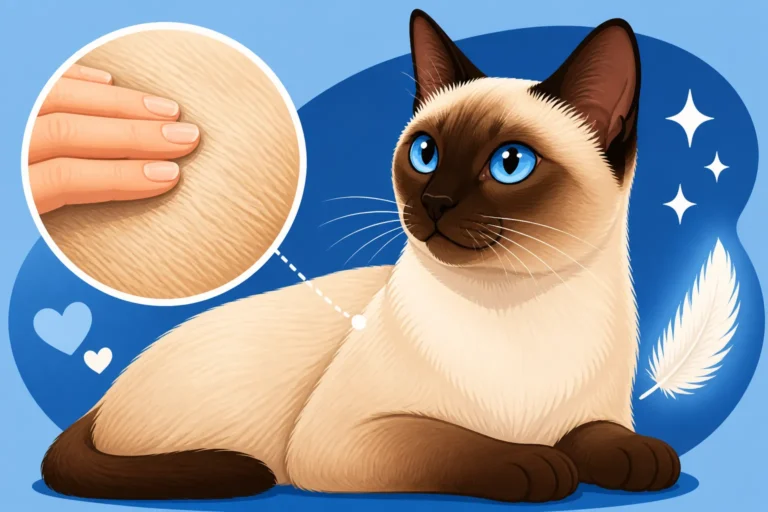
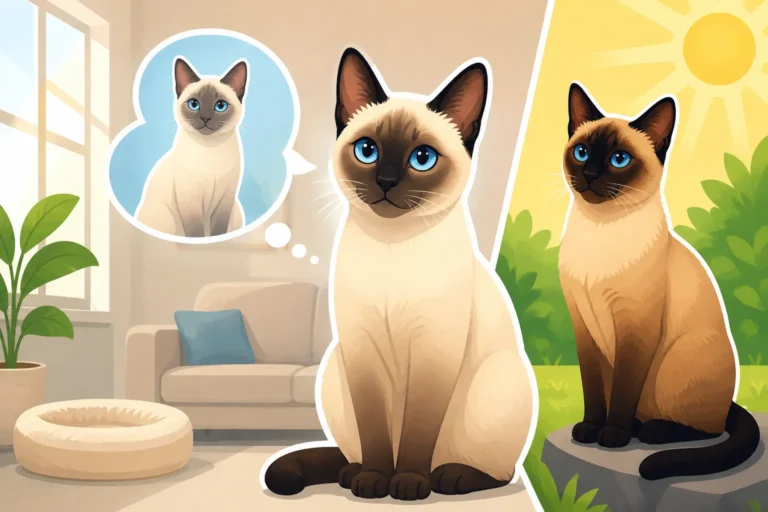
Unlike many breeds that boast a thick, insulating double coat with a dense undercoat, Siamese cats have a single coat. This means their fur is uniformly short and lies very close to their body, with no woolly layer underneath. This sleek, fine texture is part of their elegant appearance and contributes to their famously silky feel. This lack of an undercoat is a significant factor in how and how much they shed. Without that thick layer to "blow" or release in large clumps, their shedding tends to be more subtle and constant, rather than dramatic seasonal dumps. Why a Siamese Cat Has No Undercoat dives deeper into this characteristic.
The Purpose of Their Coat in Temperature Regulation
The Siamese cat's single coat is surprisingly effective at regulating their body temperature, despite its lack of bulk. This sleek fur allows for efficient heat dissipation in warmer climates, which reflects their ancestral origins. However, it also means they don't have the same built-in insulation against the cold that double-coated breeds do. This is why you often find your Siamese snuggled deep under blankets or curled up on a warm lap, especially in cooler weather. Because their coat is less about insulation and more about overall protection and sensory input, the seasonal changes in light and temperature trigger a more subtle shedding response aimed at maintaining optimal comfort. A Siamese Cat's Points Are Made by Temperature also touches on how sensitive their coat is to environmental factors.
Seasonal Shedding: What to Expect in Spring
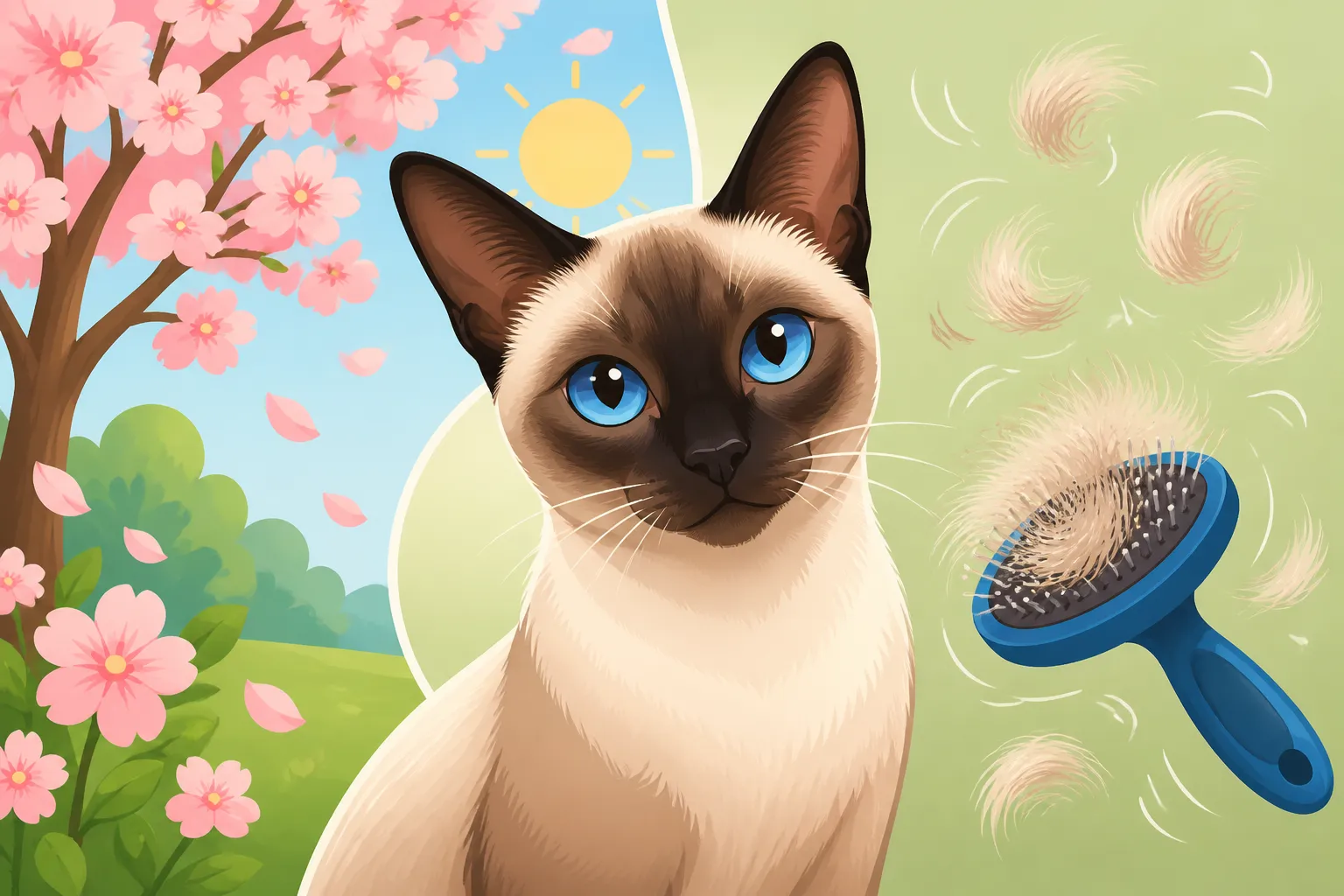
Yes, your Siamese cat will shed more in spring. While it might not be the deluge you'd expect from a Maine Coon or a Persian, the lengthening days and warming temperatures signal to their bodies that it's time to lighten up their coat.
How Light and Temperature Influence Shedding Cycles
The primary driver for seasonal shedding in most animals, including your Siamese cat, is photoperiod – the amount of daylight they're exposed to. As spring dawns and the days grow noticeably longer, your cat's endocrine system receives signals that trigger hormonal changes. These changes tell their hair follicles to release old fur and prepare for a lighter, thinner coat better suited for warmer weather. Even though indoor cats are less exposed to extreme temperature fluctuations, their bodies still largely respond to the natural light cycles. If your Siamese spends time near windows, they're absorbing those signals just like their outdoor counterparts. You might notice little wisps of fur on your furniture or clothing more often, a clear sign that nature is taking its course.
The Appearance of Spring Shedding in a Siamese
Don't expect your Siamese to suddenly look bald or for huge tufts of fur to come off with every pet. Because of their fine, single coat, spring shedding in a Siamese is usually characterized by a gradual increase in the amount of loose, fine hairs. You might find more fur on their favorite sleeping spots, or notice a slight increase when you pet them. It's often a much less dramatic affair than with breeds that "blow" their undercoats. The old hairs are simply replaced by new, slightly thinner ones. It's their body's way of adapting to the upcoming summer heat, ensuring they stay comfortable. Regular grooming during this period can help manage this increased shedding and keep their coat healthy. For more insights on general shedding, check out How Much a Siamese Cat Sheds.
Comparing Spring Shedding to Other Seasons
While spring is often the most noticeable shedding period due to the shift from winter's slightly thicker coat, Siamese cats do shed year-round. In autumn, as days shorten, they might shed a bit to make way for a slightly denser winter coat, though again, this is subtle. During summer and winter, shedding tends to be more consistent and minimal. The indoor environment also plays a role; constant artificial light and stable indoor temperatures can somewhat dampen the intensity of seasonal shedding, leading to a more consistent, low-level shed throughout the year rather than pronounced seasonal surges.
Factors Influencing Shedding Beyond Season
While seasonal changes are a big player, a variety of other factors can influence how much your Siamese cat sheds, sometimes making it seem like an endless battle against fur.
Nutritional Impact on Coat Health
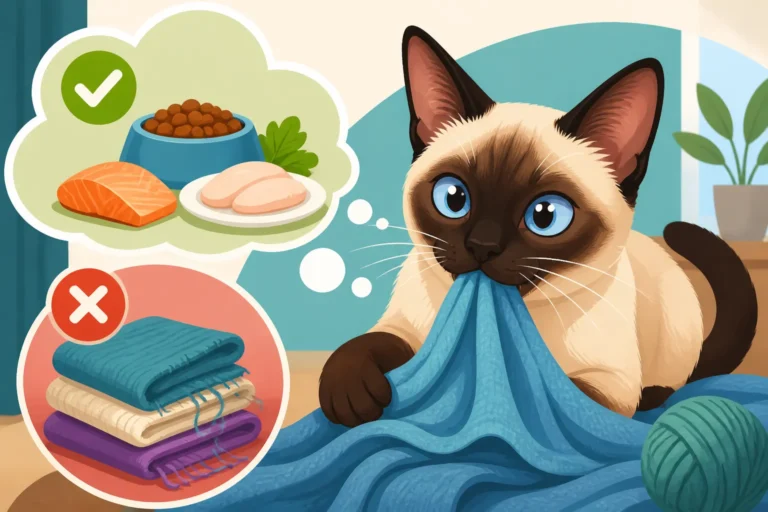
What goes into your Siamese's bowl directly impacts the health and integrity of their coat. A diet lacking in essential nutrients can lead to dull, brittle fur that sheds excessively or poorly. High-quality protein is crucial for strong hair follicles, and omega-3 and omega-6 fatty acids (found in fish oils, for example) are vital for skin health and a shiny, healthy coat. If your Siamese isn't getting enough of these, you might notice more shedding than usual, and their coat might appear less lustrous. Many premium cat food brands prioritize these ingredients. For instance, many premium brands highlight their protein sources and fatty acid content, which can make a real difference. Which Food Suits a Siamese Cat provides excellent details on dietary choices.
Stress, Anxiety, and Over-Grooming
Siamese cats are known for their intelligence and sensitivity. This means they can be quite susceptible to stress and anxiety, which can manifest in various physical ways, including excessive shedding or even psychogenic alopecia (stress-induced hair loss). A stressed Siamese might over-groom themselves, constantly licking and pulling at their fur, leading to patches of thinning hair or increased shedding. Changes in routine, new pets, moving house, or even a lack of sufficient mental and physical stimulation can trigger these behaviors. If you notice your Siamese suddenly shedding a lot more, especially in conjunction with other behavioral changes, stress might be a hidden culprit. Consider their environment and routine to identify potential stressors. What Psychogenic Alopecia Does to a Siamese Cat goes into this in more detail.
Underlying Health Conditions
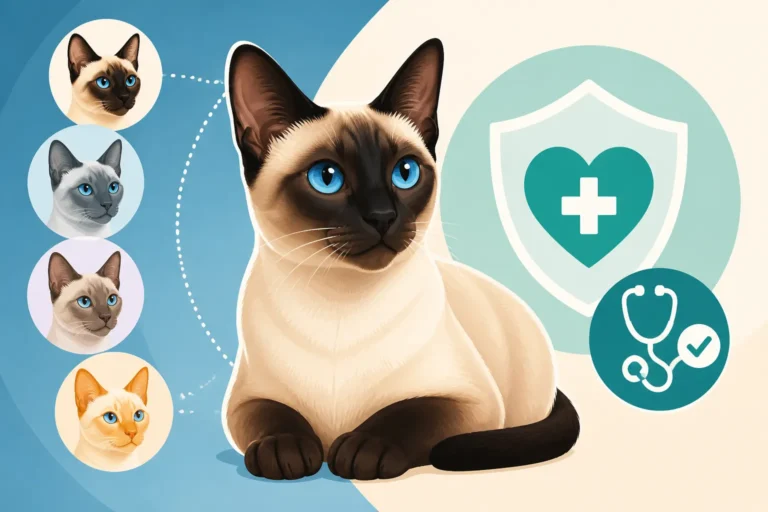
Sometimes, an increase in shedding isn't just about the season or diet; it can be a red flag for an underlying health issue. Skin allergies, parasites (like fleas or mites), fungal infections (ringworm), hormonal imbalances (like hyperthyroidism in older cats), or even systemic diseases can all lead to poor coat quality and increased hair loss. If the shedding is accompanied by other symptoms like skin irritation, bald spots, lethargy, changes in appetite or thirst, or excessive scratching, a vet visit is definitely in order. They can rule out medical problems and ensure your Siamese is healthy. Always be vigilant for Signs a Siamese Cat Is Unwell.
Age and Medications
Just like humans, a Siamese cat's body changes with age, and this can include their coat. Older Siamese cats might experience changes in hair density and texture, sometimes leading to more shedding. Their skin also becomes less elastic, and grooming habits might decline, leading to more loose fur. Additionally, certain medications can have side effects that impact hair growth and shedding. If your Siamese is on any long-term medication and you notice a change in their coat, it's worth discussing with your vet.
Managing Shedding in Your Siamese
While you can't stop your Siamese cat from shedding entirely – it's a natural process after all – you can certainly manage it effectively, keeping both your home and your cat happier.
Regular Grooming Routine
This is hands down the most effective way to manage shedding. Even with their short coats, a consistent grooming routine for your Siamese will remove loose hairs before they end up on your furniture or clothing. A short, daily brushing session is ideal, especially during spring. Not only does it help with shedding, but it also promotes blood circulation, distributes natural oils for a healthy shine, and allows you to bond with your cat.
Here’s a simple grooming guide:
- Choose the Right Tool: Opt for a soft bristle brush, a rubber grooming mitt, or a fine-toothed comb specifically designed for short-haired cats. Brands often carried on Amazon or Chewy offer a wide selection of these. A rubber mitt is fantastic for massaging the skin and grabbing loose hairs without irritating their delicate skin. Which Brush a Siamese Cat Needs can help you pick.
- Establish a Routine: Try to brush your Siamese at the same time each day, turning it into a positive experience with treats and praise. Start gently and gradually increase the duration as they get comfortable.
- Focus on Problem Areas: Pay special attention to areas they might not reach well themselves, like their back and the base of their tail.
- Wipe Down: After brushing, a quick wipe with a damp cloth can pick up any remaining loose hairs and leave their coat extra sleek.
Regular grooming not only helps with shedding but also allows you to inspect their skin for any abnormalities or parasites. For more general grooming tips, refer to Grooming a Siamese Cat Takes Five Minutes a Week.
Diet and Supplements for a Healthy Coat
As we touched on earlier, nutrition is paramount for a healthy coat. Ensure your Siamese is on a high-quality cat food with easily digestible proteins and a good balance of omega fatty acids. Sometimes, even with a great diet, an older cat or one with specific needs might benefit from supplements.
Consider these dietary additions:
- Omega Fatty Acid Supplements: Fish oil or other omega-3 and omega-6 supplements can significantly improve skin and coat health, reducing dryness and excessive shedding. These often come in liquid form to add to food or in soft chews.
- Probiotics: A healthy gut often correlates with overall health, including skin and coat condition. Probiotic supplements can aid digestion and nutrient absorption.
- Moisture-Rich Foods: Incorporating wet food into their diet can help with hydration, which is essential for healthy skin and fur. Fresh, human-grade ingredients can also contribute to overall wellness, including a glowing coat.
Always discuss any supplements with your veterinarian before introducing them, especially if your cat has existing health conditions.
Environmental Control and Hygiene
Your home environment can also play a role in managing shedding. Keeping things clean helps, but also consider other factors.
- Regular Cleaning: Vacuuming frequently, especially on their favorite resting spots, will pick up loose hairs and keep your home tidier.
- Air Purifiers: While primarily for allergies or respiratory issues like Asthma in a Siamese Cat, a good air purifier can also help reduce airborne dander and loose fur, which can be beneficial for everyone in the household.
- Dusting: Regularly dusting surfaces will remove accumulating cat hair.
- Climate Control: Maintaining a comfortable, consistent indoor temperature can help mitigate extreme seasonal changes that might trigger more intense shedding. However, it won't eliminate it entirely, as light cycles are still a major factor.
By combining these strategies, you can effectively manage your Siamese cat's shedding, keeping their beautiful coat healthy and your home cleaner throughout the year, even during the spring shedding season.
Disclaimer
This article is for general informational purposes only and does not constitute professional advice. Laws, prices and regulations vary by location and change over time. Consult a qualified professional for guidance on your specific situation.