How Rarely a Siamese Cat Mats
One common concern for cat owners is dealing with matted fur, those tight, tangled knots that can be uncomfortable or even painful for our feline friends. But if you're a Siamese cat parent, you've likely noticed that this isn't a problem you face very often, if at all. This guide will delve into why Siamese cats are so blessedly low-maintenance in the matting department and what you can do to keep their sleek coats in top condition.
The Silky Truth: Why Siamese Cats Rarely Mat
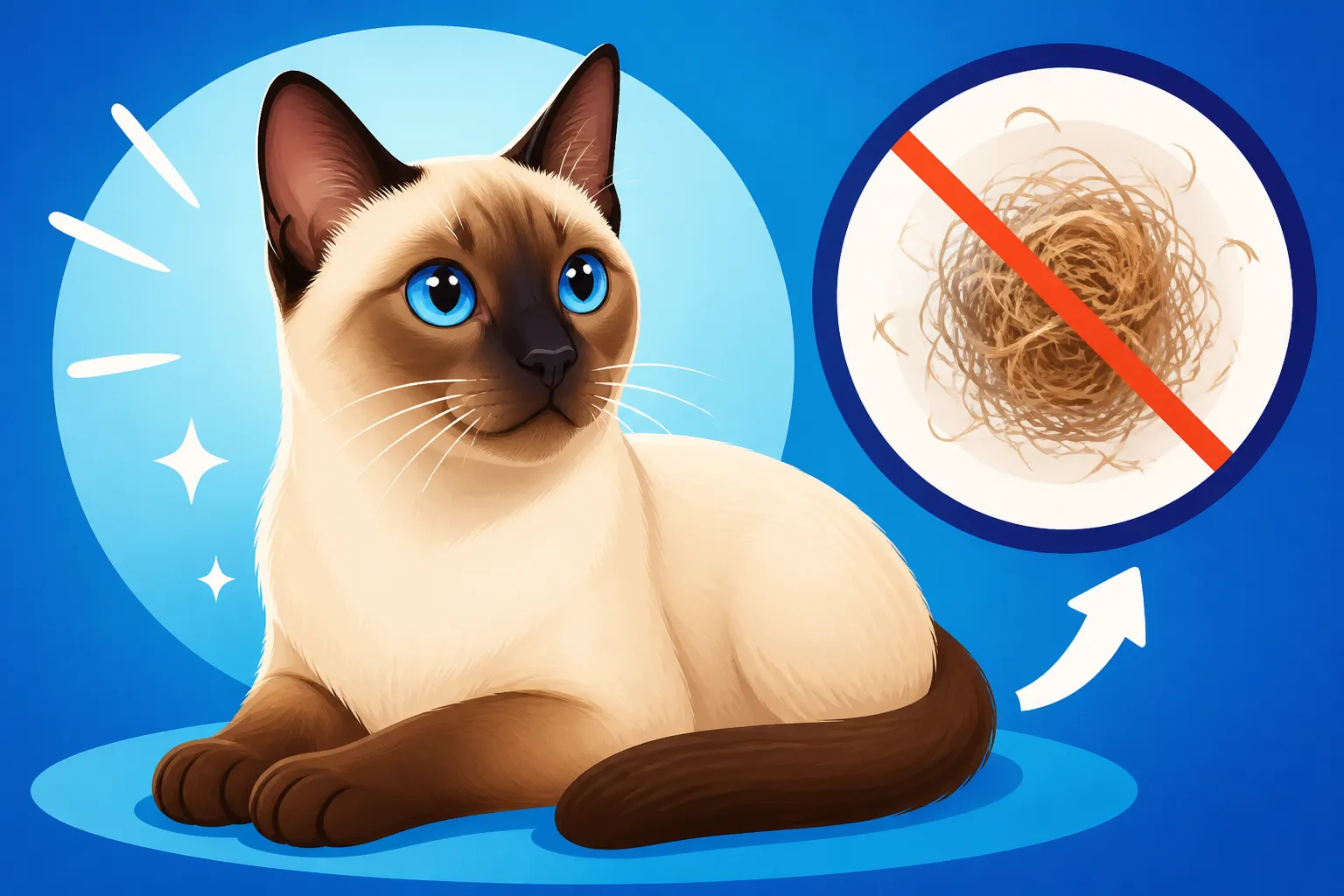
The reality is, Siamese cats are not prone to matting, and this is one of the many reasons they're such a joy to live with. Unlike many other breeds, you'll rarely find yourself wrestling with stubborn tangles on your Meezer. Their unique coat structure is the secret behind this low-maintenance luxury.
The Short, Single Coat Advantage
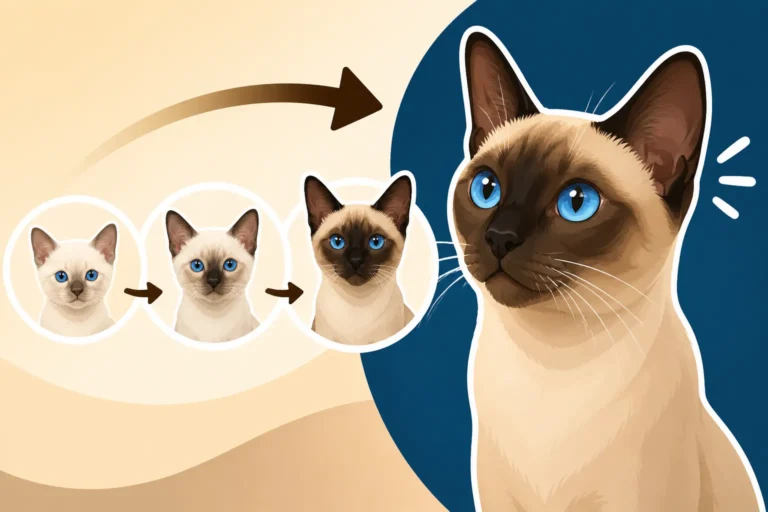
Siamese cats are known for their short, fine, and incredibly sleek coats. They simply don't have the long, fluffy, or dense undercoats that often lead to matting in breeds like Persians or Maine Coons. Imagine trying to tie a knot in a strand of silk versus a thick woolen thread – the silk just slips away. That's essentially what happens with a Siamese cat's fur.
Their coat is often described as a "single coat," meaning it lacks the soft, downy underlayer found in many other breeds. This undercoat is typically what traps loose hairs and dead skin, creating the perfect environment for mats to form, especially if not regularly brushed. Without this dense undercoat, shed hairs tend to fall out easily or are removed by the cat's own diligent self-grooming. It’s why you might still find How Much a Siamese Cat Sheds around the house, but rarely tangled on the cat itself.
The Fine Texture and Close-Lying Hair
Beyond being short, the texture of a Siamese cat's fur is incredibly fine and lies close to their body. This combination reduces friction between individual hairs, making it difficult for them to interlock and form mats. Think of it like a perfectly smooth, polished surface where nothing can really snag or cling. This is why when you stroke a Siamese, their fur feels almost like velvet or silk – there’s no coarseness or bulk to grab onto.
This sleekness also means that any loose fur has fewer anchor points to cling to, and the natural oils produced by their skin can easily distribute across the entire coat, keeping it healthy and less prone to tangles. The minimal amount of static electricity, compared to longer, thicker coats, also plays a role in preventing hairs from attracting and binding together.
When the Unexpected Happens: Factors That Could Lead to Matting in a Siamese
While it's highly unusual, even a Siamese cat can develop a mat under certain circumstances. It's important to understand these rare situations so you can identify and address them if they ever arise. No cat is entirely immune to every possible issue, and sometimes life throws a curveball.
Health Issues and Reduced Grooming
The most common reason a Siamese cat might develop a mat is if they are unwell or experiencing pain that hinders their ability to self-groom. Cats are meticulous groomers by nature, and a sudden decrease in grooming behavior is often one of the first Signs a Siamese Cat Is Unwell. Conditions that might lead to this include:
- Arthritis or joint pain: Especially common in older Siamese cats, stiff joints can make it difficult for them to reach certain areas of their body, like their back, hindquarters, or behind their ears. Imagine trying to contort yourself when every movement causes discomfort – it's just not going to happen. You might find a small mat forming in a hard-to-reach spot if your senior Siamese is struggling.
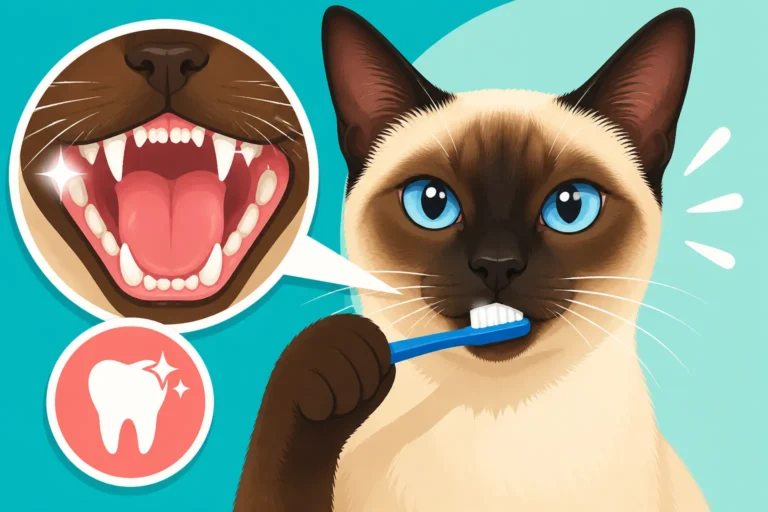
- Dental disease: If your Siamese has Dental Disease in a Siamese Cat or other oral pain, grooming can become uncomfortable. They might avoid licking themselves because of the pain in their mouth. This can lead to a general decline in coat maintenance.
- Obesity: A Siamese cat that becomes overweight (though they are naturally very lean, it can happen if their diet isn't managed) might find it hard to bend and reach all parts of their body.
- Serious illness: Any chronic or acute illness can zap a cat's energy and reduce their desire or ability to groom. If your cat is lethargic, eating less, or showing other signs of illness, a slight neglect of their coat might be an early indicator. This is why keeping an eye on their overall health and grooming habits is so crucial, especially as you're Caring for an Old Siamese Cat.
Environmental Factors and Specific Situations
Occasionally, external factors can also contribute to a rare mat in a Siamese.
- Sticky substances: If your cat gets into something sticky like sap, chewing gum, or certain household products, it can quickly bind their fine fur together. Even a small amount can create a localized mat that’s hard for them to remove themselves. This is less about their natural coat and more about an unfortunate incident.
- Prolonged wetness without drying: While not typical for their short coats, if a Siamese cat somehow gets thoroughly soaked and is unable to dry themselves properly, especially in a cold environment, the fur could clump. However, given their short hair, this is usually a very temporary issue, unlike in long-haired breeds where it can be a real problem.
- Lack of stimulation/stress: Although not a direct cause, extreme stress or boredom can sometimes manifest in over-grooming (leading to bald patches, known as psychogenic alopecia) or, conversely, a complete lack of grooming. If a cat is truly despondent or depressed, their self-care might suffer.
It's also worth noting that if you have a Siamese mix with longer hair from another breed, the likelihood of matting increases significantly. This guide, however, focuses on the purebred Siamese with its characteristic short, sleek coat.
Keeping That Coat Pristine: Routine Care for Your Siamese
Even though Siamese cats rarely mat, a little routine care goes a long way in keeping their coat glossy, their skin healthy, and your bond strong. Think of it less as a chore to prevent mats and more as a delightful daily ritual to enhance their well-being.
Gentle Brushing for Shine and Health
Brushing a Siamese cat isn't primarily about detangling; it's about stimulating their skin, distributing natural oils, and removing loose hairs before they end up on your furniture. Plus, most Siamese cats absolutely adore the attention and physical contact!
- Frequency: A few times a week, or even daily if you both enjoy it, is perfect. It's truly a "five minutes a week" job, as mentioned in Grooming a Siamese Cat Takes Five Minutes a Week.
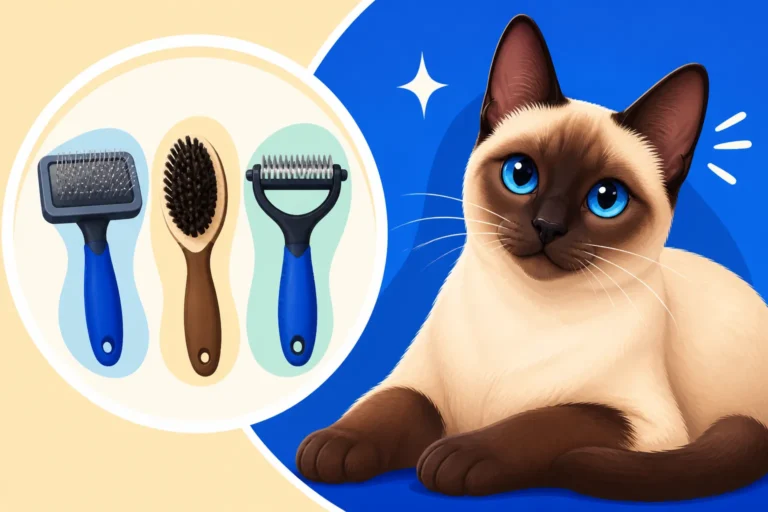
- Tools: You don't need anything fancy. A soft rubber grooming mitt or a fine-toothed curry brush (often designed for horses, but perfect for short-haired cats) works wonders. These tools gently massage the skin, lift loose hairs, and leave the coat gleaming. You can find excellent options on platforms like Chewy or Amazon. Even a simple lint roller can be effective for a quick pass.
- Technique: Use light, even strokes, moving in the direction of hair growth. Pay special attention to their back, sides, and belly. This isn't a wrestling match; it's a pampering session.
The Role of Diet and Hydration
A healthy coat truly starts from within. What your Siamese eats and drinks directly impacts the quality of their skin and fur.
- High-quality nutrition: Ensure your Siamese is on a balanced, high-quality diet rich in essential fatty acids. These nutrients are crucial for skin barrier health and a lustrous coat. Cheap fillers and low-grade ingredients can lead to dull fur and dry, flaky skin, which, while not causing mats directly, can make the coat feel less “silky.” For standard cat food, Chewy and Amazon offer a vast selection, and it's always wise to discuss dietary changes with your vet.
- Ample hydration: Proper hydration is vital for overall health, including skin elasticity and coat quality. Ensure your Siamese has constant access to fresh water. Many cats prefer moving water, so a feline water fountain can be a great investment. Learn more about How Much Water a Siamese Cat Should Drink to ensure they're getting enough. Well-hydrated skin means a healthier coat, less shedding of dry flakes, and a better overall look.
Regular Health Checks
Because health issues are the most likely culprit for matting in a Siamese, regular veterinary check-ups are paramount. Your vet can spot early signs of arthritis, dental problems, or other conditions that might impede grooming. Catching these issues early can prevent discomfort and maintain your cat's self-care habits. Additionally, simply petting your cat regularly isn't just for affection; it's a chance for you to feel for any lumps, bumps, or tender spots that might indicate an underlying problem.
Addressing a Mat: What to Do (and Not Do)
Let's say, against all odds, your Siamese has managed to acquire a tiny mat. Don't panic! The approach for a Siamese cat's rare mat is different from that of a long-haired breed. The key is gentle intervention and knowing when to call in the professionals.
Gentle Detangling (If Truly Necessary)
For a very small, loose mat, you might be able to gently tease it out.
- Assess the situation: First, determine how big and how tight the mat is. Is it near the skin? Is your cat in pain when you touch it?
- Gather your tools: A wide-toothed comb or a specialized detangling comb designed for cats can be helpful. You might also want a sprinkle of cornstarch or a pet-safe detangling spray (check the ingredients carefully!).
- The gentle approach: Isolate the mat. If using cornstarch, sprinkle a small amount on the mat and work it in to absorb oil and provide slip. Then, using your fingers, gently try to pull apart the larger sections of the mat. Work from the outside edges inwards. Never pull hard, as this will cause pain and could injure your cat's delicate skin. If the mat is tight against the skin, stop immediately.
- Patience is key: This isn't a race. Take breaks if your cat becomes agitated. Keep the experience positive with treats and praise.
When to Seek Professional Help
More often than not, if a mat has formed on a Siamese, it's best to let a professional handle it.
- Tight or large mats: If the mat is tight, large, or close to the skin, attempting to cut or pull it out yourself can be incredibly dangerous. Cat skin is very thin and tears easily, and it's shockingly easy to cut them with scissors. Blades can also cause "razor burn" if used incorrectly.
- Matted areas the cat can't reach: If the mat is in a sensitive area (like the armpits, groin, or belly) or a place your cat clearly cannot reach, a vet or professional groomer is the safest option. They have specialized tools and experience.
- Recurrent matting: If your Siamese is repeatedly developing mats, even small ones, it's a strong indicator that an underlying health issue might be at play. A visit to the veterinarian is crucial to investigate why their grooming habits have changed. They can check for conditions like Kidney Disease in an Older Siamese Cat or other issues that impact self-grooming.
A professional groomer or vet can often shave the mat away safely, without causing your cat unnecessary stress or injury. They might even be able to do it without sedation if the mat is small and the cat is cooperative. Remember, their comfort and safety are always the top priority.
Here's a quick comparison of Siamese coat characteristics versus a breed known for matting:
| Feature | Siamese Cat | Long-Haired, Mat-Prone Breed (e.g., Persian) |
|---|---|---|
| Coat Length | Short | Long |
| Undercoat Presence | None (single coat) | Dense, soft undercoat |
| Hair Texture | Fine, silky, smooth | Fine, woolly, sometimes coarse |
| Hair Lies | Close to the body | Stands away from the body, dense |
| Matting Tendency | Extremely rare, usually due to health issues | High, requires daily grooming to prevent |
| Grooming Needs | Minimal (light brushing a few times a week) | High (daily thorough brushing, professional grooming often) |
| Shedding | Moderate, loose hairs fall easily | Moderate to heavy, trapped in undercoat |
Disclaimer
This article is for general informational purposes only and does not constitute professional advice. Laws, prices and regulations vary by location and change over time. Consult a qualified professional for guidance on your specific situation.