Which Treats Suit a Siamese Cat
If you're a Siamese cat parent, you've probably stood in the treat aisle feeling overwhelmed, or perhaps, a little frustrated. Our Meezers are special, aren't they? They often have particular tastes, seemingly boundless energy, and sometimes, surprisingly sensitive stomachs. Figuring out which treats are not only delicious but also genuinely good for their unique physiology can feel like a puzzle. This guide is here to help you navigate the world of cat treats, understanding what truly suits a Siamese cat, and what might be better left on the shelf.
Understanding Your Siamese Cat's Unique Dietary Needs
Siamese cats aren't just stunning; they're also a breed with distinct physical and metabolic characteristics that influence their nutritional requirements, right down to their treats. You can't just pick up any bag from the grocery store and expect it to be the best fit for their lean, athletic build and often discerning palate.
The Lean Physique and High Metabolism
One of the first things you notice about a Siamese cat is their svelte, muscular build. They tend to be quite lean, often appearing almost bony, and that's usually perfectly normal for the breed. This isn't just about aesthetics; it's a reflection of their naturally high metabolism. These cats are bundles of energy, always on the go, whether they're racing through the house, scaling the tallest cat tree, or engaging you in a passionate "conversation." This constant activity means they burn through calories more rapidly than many other breeds.
Because of this high metabolism, treats for a Siamese cat should ideally support their active lifestyle without adding unnecessary bulk or empty calories. Think of them as tiny athletes; their snacks need to be functional. High-protein, low-fat options are generally superior because protein helps maintain that beautiful lean muscle mass. Giving them treats loaded with carbohydrates or fillers is like feeding a marathon runner a sugary donut during a race – it might taste good, but it won't provide the sustained energy or nutritional benefit they truly need. We want treats that complement their main diet, which should also be balanced to support their energetic nature. If you've ever wondered Why a Siamese Cat Stays So Thin, their metabolism is a big part of the answer!
Potential Sensitivities and Allergies
While not all Siamese cats will suffer from allergies, they can be prone to certain sensitivities, just like any cat. Some of the more common culprits in cat allergies include certain proteins like chicken, beef, or fish, as well as common fillers like corn, wheat, and soy. Introducing a new treat can sometimes uncover a hidden sensitivity, leading to digestive upset, skin irritation, or even respiratory issues.
When selecting treats, it's a good idea to lean towards single-ingredient or limited-ingredient options. For example, a treat made purely of freeze-dried salmon or chicken is less likely to contain a hidden allergen than a treat with a long list of ingredients. If your Siamese cat does show signs of an upset stomach – perhaps vomiting, diarrhea, or excessive gas – or if they start to itch, scratch, or even display Asthma Symptoms in a Siamese Cat after a new treat, it's wise to stop that treat immediately and consult your vet. Keeping things simple is often the safest bet for their delicate systems, allowing you to easily pinpoint any problematic ingredients.
Types of Treats That Hit the Mark for Siamese Cats
When it comes to treating your Siamese, you have a plethora of options, but some stand out as particularly beneficial for their health and happiness. We're looking for treats that not only tantalize their taste buds but also offer tangible benefits, whether it's supporting their lean physique, boosting their dental health, or stimulating their brilliant minds.
High-Protein, Low-Calorie Options
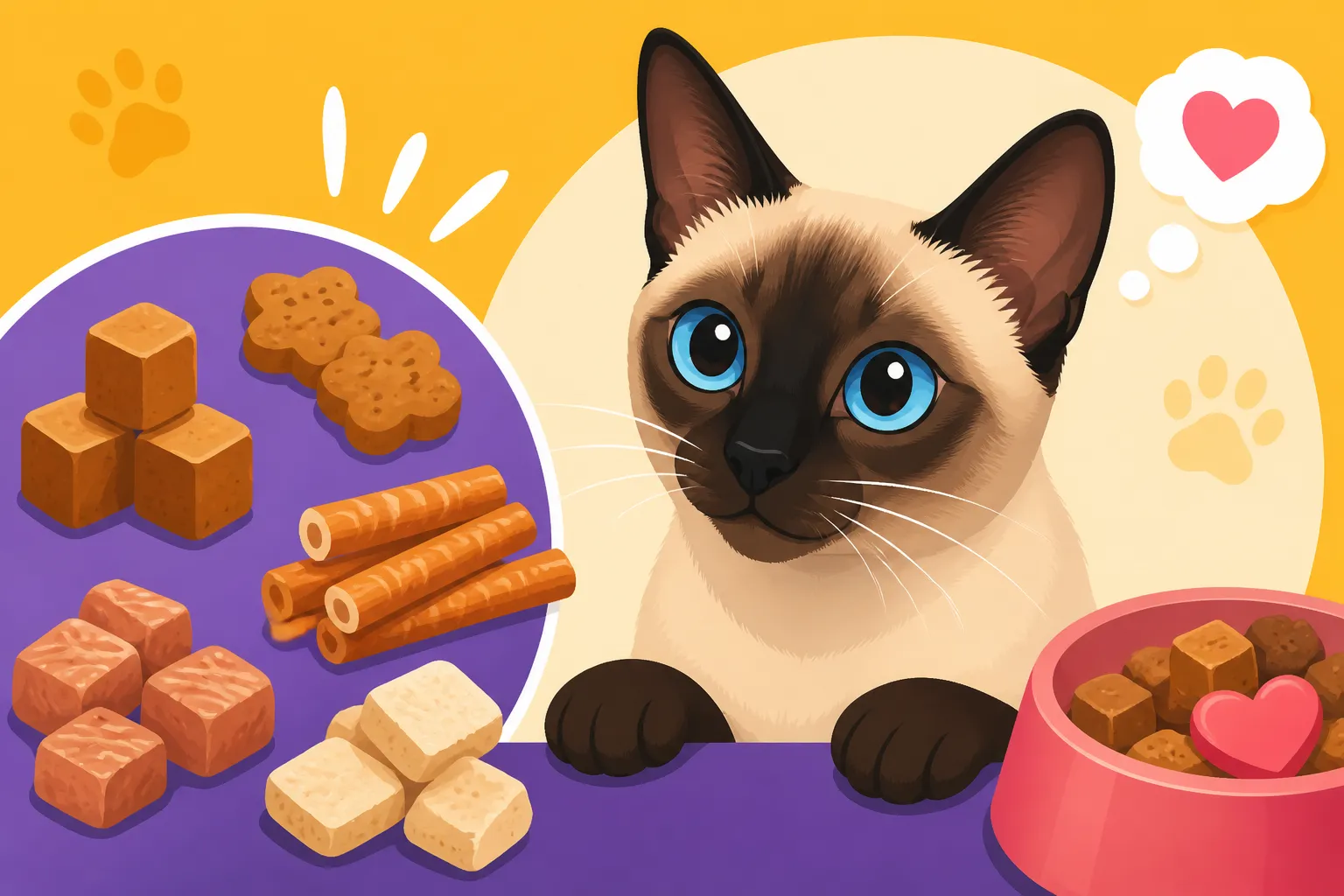
Given their high metabolism and active lifestyle, high-protein, low-calorie treats are truly a Siamese cat's best friend. These treats pack a nutritional punch without adding unnecessary fat or carbohydrates, which can be counterproductive for maintaining their ideal lean body condition. Freeze-dried meats are perhaps the gold standard here. You can find options like freeze-dried chicken breast, salmon, or even duck. These are typically single-ingredient, meaning they contain nothing but the pure protein, which is fantastic for minimizing exposure to potential allergens and fillers. They satisfy your Siamese's carnivorous instincts and provide excellent protein for muscle maintenance.
Imagine your Siamese, after a vigorous play session, eagerly crunching on a piece of freeze-dried chicken. It's a satisfying reward that directly supports their physical needs. Brands often offer these in various forms, and you can usually find a great selection on online retailers like Chewy or Amazon. When browsing, always check the ingredient list to ensure it's truly a single or limited ingredient product. Avoid anything with added sugars, artificial colors, or excessive preservatives. These treats are also generally easy to break into smaller pieces, perfect for portion control or for hiding in puzzle toys.
Dental Treats for Oral Health
Dental health is a cornerstone of overall feline well-being, and Siamese cats are unfortunately no exception – in fact, they can be particularly prone to issues like gingivitis and tooth resorption. Brushing your cat's teeth is the ideal, but let's be realistic: not every Siamese will tolerate it with grace! This is where dental treats can play a supportive role. While they are never a complete substitute for professional veterinary dental care or daily brushing, good dental treats can help reduce plaque and tartar buildup on their teeth.
Look for treats that are specifically designed for dental health and, ideally, carry the Veterinary Oral Health Council (VOHC) seal. This seal indicates that a product has met predetermined standards for plaque and tartar reduction. These treats often have a unique texture that helps to scrub the teeth as your cat chews, or they contain ingredients that help prevent tartar from adhering to tooth surfaces. Offering a few dental treats a day can be a simple way to contribute to their oral hygiene, especially if your cat is resistant to other methods. Remember, consistent dental care is crucial, as neglected teeth can lead to pain, infection, and even more serious systemic health problems. You might also want to review How Often a Siamese Cat Needs a Dental to stay on top of their professional care.
Novelty and Enrichment Treats
Siamese cats are renowned for their intelligence and insatiable curiosity. A bored Siamese is often a mischievous Siamese! This makes novelty and enrichment treats a brilliant choice for keeping their minds active and engaged. Treat-dispensing toys and puzzle feeders are excellent tools for this. Instead of simply handing over a treat, these toys require your cat to think, bat, roll, or manipulate the object to release the reward.
For these types of enrichment, small, dry, kibble-like treats or even pieces of their regular kibble work wonderfully. The goal is to make them work for their reward, simulating the hunting and problem-solving behaviors they would naturally exhibit in the wild. This isn't just about feeding them; it's about providing mental stimulation that can prevent boredom, reduce stress, and even curb destructive behaviors. Imagine your Siamese figuring out how to get a treat out of a rolling ball – the purrs of triumph are priceless! You can find a wide variety of these ingenious devices from pet supply stores or online retailers like Chewy. Beyond treats, considering Which Toys a Siamese Cat Actually Plays With can also significantly boost their daily enrichment.
Treats to Approach with Caution (or Avoid Entirely)
Just as there are beneficial treats, there are also those that can do more harm than good for your beloved Siamese. Understanding what to steer clear of is just as important as knowing what to choose. It’s all about protecting their health and ensuring longevity.
High-Carb, Filler-Heavy Treats
Many mass-produced cat treats on the market are unfortunately loaded with carbohydrates and cheap fillers like corn, wheat, and soy. While these ingredients are inexpensive for manufacturers, they offer very little nutritional value for a carnivorous animal like your Siamese cat. Cats are obligate carnivores, meaning their bodies are designed to derive nutrients primarily from animal protein and fat, not grains or plant-based fillers.
Feeding your Siamese treats high in carbohydrates can lead to several problems. Firstly, they're often calorie-dense without providing satiety or beneficial nutrients, which can contribute to unhealthy weight gain, even in active Siamese cats. Secondly, these fillers can be common allergens, as discussed earlier, leading to digestive upset or skin issues. Imagine giving your already lean and athletic Siamese a treat that's essentially the feline equivalent of a potato chip – it offers a quick crunch but no real benefit, and can potentially lead to an expanding waistline. Always scrutinize ingredient labels and opt for treats where meat is the first and primary ingredient.
Human Foods and "People" Treats
It's incredibly tempting to share a bite of your dinner with those pleading blue eyes staring up at you. However, many human foods are simply not safe or appropriate for cats, and some can even be toxic. Common offenders include chocolate, onions, garlic, grapes, raisins, and avocados. Even seemingly innocuous foods like dairy products can cause digestive upset in many cats, as most are lactose intolerant after weaning. Cooked bones, while natural, can splinter and cause internal damage.
Even human foods that are technically "safe" in tiny amounts, like cooked lean meat or certain plain vegetables, should be given with extreme caution and sparingly. The seasonings, fats, and other ingredients in human dishes can be harmful, and the caloric density can throw off your cat's carefully balanced diet. A tiny piece of unseasoned, cooked chicken is fine now and then, but a bite of your greasy burger or a piece of cheese is not. It’s far better to stick to treats formulated specifically for felines, where the ingredients and nutrient profiles are designed with their unique digestive systems in mind. Remember, a quick moment of shared food isn't worth a trip to the emergency vet.
Over-Treating and Calorie Control
This is a big one, even with the best intentions and the healthiest treats. It’s easy to get carried away when those charming Siamese meows or persistent nudges make you melt. However, treats, no matter how good their ingredients, are supplemental. They should constitute no more than 10% of your cat's total daily caloric intake. Exceeding this can lead to an imbalanced diet, where your cat is getting too many calories from treats and not enough essential nutrients from their complete and balanced main food.
Over-treating can lead to weight gain, which puts undue stress on their joints and organs, even for a naturally lean breed. It can also make your cat pickier with their main meals, holding out for the more exciting treat. Imagine if you filled up on snacks before dinner; you wouldn't be very hungry for your nutritious meal! This is especially important for understanding How Much an Adult Siamese Cat Eats in a day, and ensuring treats don't displace vital nutrition. Instead of giving treats freely, consider using them as rewards for training, for positive reinforcement during stressful situations (like vet visits or nail trims), or as part of interactive play. A single, high-value treat used wisely is far more effective and healthier than a handful given indiscriminately.
How to Introduce and Incorporate Treats Safely
Introducing new treats into your Siamese cat's routine requires a little thought and observation, especially if you have a feline friend with a sensitive stomach. Done correctly, treats can be a fantastic tool for training, bonding, and enrichment.
Gradual Introduction and Observation
Cats, Siamese cats particularly, can be creatures of habit and sometimes have sensitive digestive systems. When you decide to try a new type of treat, it’s best to introduce it gradually. Don't offer a whole bag of something new on day one. Start with just one or two pieces of the new treat. Then, observe your cat closely for the next 24-48 hours.
What are you looking for? Keep an eye out for any signs of digestive upset, such as vomiting, diarrhea, or unusual changes in litter box habits. You should also watch for signs of discomfort like excessive licking, scratching, or changes in their appetite or energy levels. If your Siamese shows any adverse reaction, discontinue the treat immediately. If they seem to tolerate it well, you can slowly increase the amount over a few days, always staying within the recommended daily treat allowance. If you have a cat prone to allergies or sensitivities, keeping a small "treat diary" can be incredibly helpful in tracking what works and what doesn't.
Timing and Training with Treats
Siamese cats are highly intelligent and often very food-motivated, making treats an excellent tool for positive reinforcement training. Whether you're trying to teach them a fun trick like "sit" – yes, cats can learn to sit! – or reinforce good behavior, treats can be incredibly effective. Small, high-value treats (meaning something they absolutely adore) work best. Offer the treat immediately after the desired behavior occurs, accompanied by verbal praise, so your cat associates the action with the reward. This immediate positive feedback helps solidify the learning. Learning How to Teach a Siamese Cat to Sit can be a fun bonding experience.
However, be mindful of when you offer treats. Avoid using them to soothe unwanted behaviors, like excessive meowing for attention, as this can inadvertently reinforce the very behavior you want to discourage. If your Siamese is being particularly vocal, you might be tempted to give them a treat to quiet them down. Instead, try to engage them in play or offer attention when they are quiet, and save the treats for times when they are calm or have performed a desired action. This way, treats become a positive reinforcement tool, not a crutch or a reward for demanding behavior. If your Siamese is a chatty one, you might find tips on How to Train a Siamese Cat to Meow Less helpful.
Storage and Freshness
Proper storage of cat treats is essential for maintaining their freshness, palatability, and safety. Just like human food, treats can go stale, lose their appeal, or even grow mold if not stored correctly. Always follow the manufacturer's storage instructions, which are usually printed on the packaging.
For most dry or semi-moist treats, an airtight container stored in a cool, dry place is sufficient. This prevents moisture absorption, keeps pests out, and preserves flavor. For freeze-dried treats, ensuring the bag is sealed tightly after each use is crucial to prevent them from absorbing ambient moisture and losing their desired texture. If you've opened a bag of wet or refrigerated treats, make sure to seal it and store it in the refrigerator, discarding any unused portion after the recommended time (usually a few days). Always check the expiration date on the package before offering any treat to your cat. Old or spoiled treats can cause digestive upset and defeat the purpose of providing a healthy snack.
| Treat Type | Benefits for Siamese Cats | Considerations |
|---|---|---|
| Freeze-Dried Meat Treats | High protein, low carb, supports lean muscle, mimics natural diet, minimal allergens. | Can be a bit pricey; ensure single-ingredient for purity. |
| Dental Treats | Helps reduce plaque and tartar, contributes to oral hygiene, good for cats prone to dental issues. | Not a substitute for brushing; choose VOHC-approved; monitor for excess calories. |
| Treat-Dispensing Toys | Mental stimulation, prevents boredom, slows eating, satisfies hunting instincts. | Treats must be small enough to fit; cat needs to be motivated to work for it. |
| Soft/Chewy Treats | Often palatable, good for older cats with dental issues (check ingredients). | Can be high in carbs/fillers; check ingredient list carefully for quality. |
| Human Food (safe options) | Can be a novel treat; strong bonding potential (cooked chicken/fish). | VERY strict portion control; must be plain, unseasoned; many human foods are toxic. |
Disclaimer
This article is for general informational purposes only and does not constitute professional advice. Laws, prices and regulations vary by location and change over time. Consult a qualified professional for guidance on your specific situation.