How Warm a Room a Siamese Cat Needs
It's a common worry for us Siamese cat parents, isn't it? You walk into a room, feel a slight chill, and immediately your mind goes to your elegant, thin-coated companion curled up on the sofa, seemingly trying to become one with the throw blanket. Siamese cats definitely seem to feel the cold more acutely than many other breeds, and it leaves us wondering: are they truly comfortable, or are they shivering in silence? This guide is going to walk you through exactly why your Siamese might be more sensitive to temperature, what the ideal room temperature really is, and how you can ensure your beloved "Meezer" stays snug and happy, no matter the season.
Why Your Siamese Cat Gets Chilly So Easily
If you've ever felt your Siamese's fur, you know it's something special – incredibly fine, soft, and sleek. But that sleekness comes with a trade-off when it comes to keeping warm. Unlike many other cat breeds that boast a thick, insulating undercoat, your Siamese simply doesn't have one. This unique coat structure is a big part of why they're so prone to feeling the cold.
Think about it like this: most cats have a double-layered coat, kind of like wearing a thick wool sweater over a t-shirt. The t-shirt is their topcoat, and the wool sweater is their dense, fluffy undercoat, designed to trap warm air close to their body. Your Siamese, on the other hand, is wearing just the t-shirt. While their short, fine fur is beautiful and low-shedding, it just doesn't offer the same level of thermal insulation. This is a common point of discussion among Siamese owners, and it truly explains Why a Siamese Cat Has No Undercoat.
Beyond their fur, we also need to remember their origins. Siamese cats hail from what was then Siam (modern-day Thailand), a region known for its warm, tropical climate. Over centuries, they evolved in an environment where keeping cool was more of a priority than fending off chilly winds. Their bodies, therefore, aren't naturally equipped for colder temperatures in the same way, say, a Maine Coon or a Siberian cat might be. This ancestral background means their comfort zone leans heavily towards the warmer end of the spectrum. You might notice, too, how their beautiful point coloration is actually a direct result of temperature – How Temperature Controls a Siamese Cat's Color. The cooler parts of their body develop darker pigment, a fascinating genetic quirk that further illustrates their sensitivity to heat and cold.
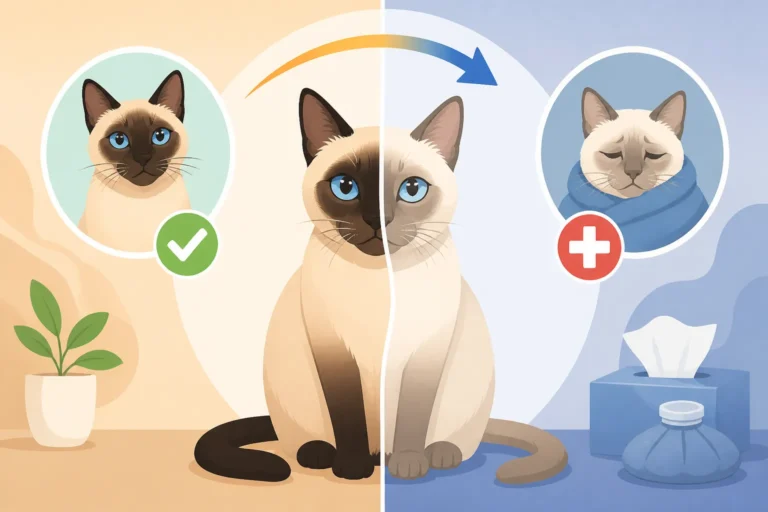
It’s not just about a preference for warmth; it’s about their physiology. Their lean, athletic build, while stunning, also means less body fat to act as insulation compared to some of their stockier feline cousins. So, when you see your Siamese shivering slightly or trying to burrow deep under a blanket, they’re not being dramatic; they’re genuinely feeling the chill. This natural predisposition is why understanding Why a Siamese Cat Feels the Cold is so crucial for their overall well-being.
Pinpointing the Perfect Temperature for Your Siamese
So, what's the magic number when it comes to room temperature for your Siamese cat? There isn't a single, universally agreed-upon figure, because every cat is an individual, and factors like age and health play a role. However, we can establish a comfortable range that generally keeps most Siamese cats happy.
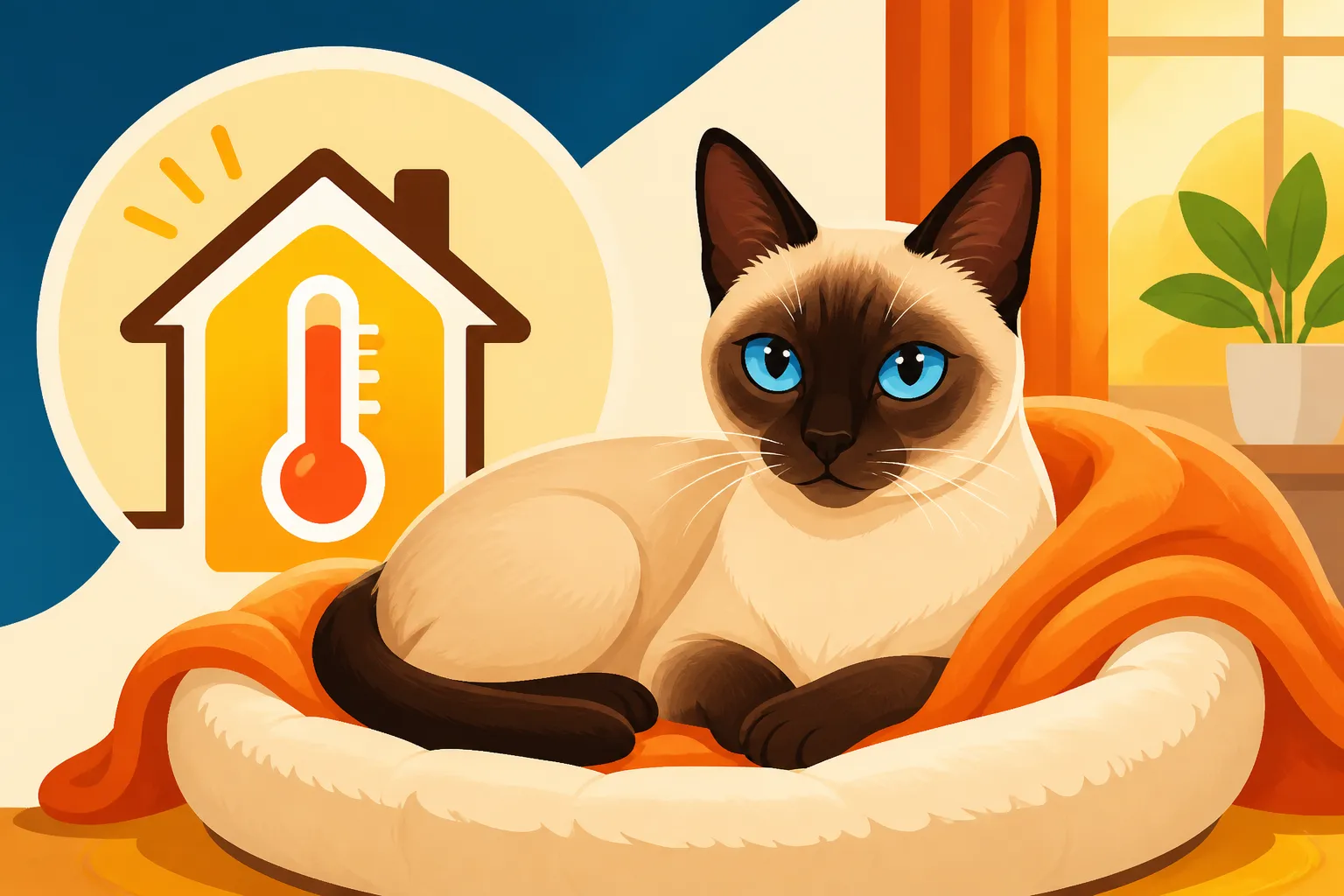
Most veterinarians and experienced Siamese owners would suggest aiming for a room temperature between 68°F and 78°F (20°C to 26°C). This range allows them to maintain their body temperature without expending too much energy. Humans often find 72°F (22°C) comfortable, and for many Siamese cats, that's a sweet spot, perhaps even a little higher.
It's vital to observe your cat's behavior to fine-tune this. If your Siamese is too cold, you might notice them doing a few things:
- Curling up tightly: They’ll pull their paws in, tuck their tail around themselves, and try to make themselves as small as possible to conserve body heat. Often, they’ll seek out the warmest spots in the house.
- Shivering or trembling: This is a clear sign. Sometimes it's subtle, a tiny quiver, other times it can be quite noticeable.
- Seeking heat sources: They'll be found glued to radiators, snuggled up against a warm laptop, or burrowed deep under blankets or your duvet, illustrating why it's not uncommon to find your Siamese cat Why a Siamese Cat Sleeps Under the Duvet.
- Becoming less active: A very cold cat might seem lethargic or reluctant to play, as their body is prioritizing warmth over activity.
Conversely, if the room is too warm for your Siamese, they’ll show different signs:
- Stretching out: They’ll spread their body out, often on a cool, hard surface like tile or wood flooring, maximizing surface area for heat dissipation.
- Panting: While less common in cats than dogs, panting can indicate overheating, especially if strenuous activity hasn't occurred. This is a sign to pay close attention to, as it can be a sign of distress.
- Excessive grooming: Some cats might groom more when hot, trying to cool themselves through saliva evaporation.
- Lethargy or reduced appetite: Similar to being too cold, extreme heat can also make them feel unwell and less energetic.
Remember, your home isn't a uniformly heated box. There are "microclimates" everywhere! A sunny spot by a window might be much warmer than the official thermostat reading, while a drafty corner or a room with poor insulation could be significantly colder. Pay attention to where your cat chooses to rest. If they're always in the sunbeam, they might be seeking warmth. If they're always on the cool kitchen floor, they might be trying to chill out.
Here's a quick comparison of general human comfort versus a typical Siamese cat's preference:
| Factor | Human Comfort Zone | Siamese Cat Comfort Zone | Behavioral Cues (Siamese) |
|---|---|---|---|
| Temperature | 68-75°F (20-24°C) | 68-78°F (20-26°C) | Too Cold: curled, shivering, seeking heat |
| Too Warm: stretched out, panting | |||
| Humidity | 30-50% | 40-60% (general cat preference) | Too Dry: static fur, dry nose |
| Too Humid: lethargy, flattened fur | |||
| Drafts | Mildly uncomfortable | Highly unwelcome | Avoids drafty areas, hides |
| Sunlight | Enjoyable | Highly desirable for warmth | Seeks out sunbeams, naps in them |
This table highlights that what feels "just right" to you might be a touch cool for your Siamese. They are generally more sensitive to drafts and appreciate a warmer environment, often gravitating towards sunny spots or cozy enclosed spaces.
Practical Steps to Keep Your Siamese Cat Cozy
Once you understand why your Siamese feels the cold and what their ideal temperature range is, the next step is to implement practical solutions to keep them comfortable. It's about creating a warmth-friendly environment that caters to their specific needs.
Providing Supplemental Heat Sources
One of the easiest and most effective ways to help your Siamese stay warm is to offer them dedicated heat sources. This doesn't mean cranking up your entire home's thermostat to tropical levels, which can get expensive and uncomfortable for humans. Instead, focus on localized warmth.
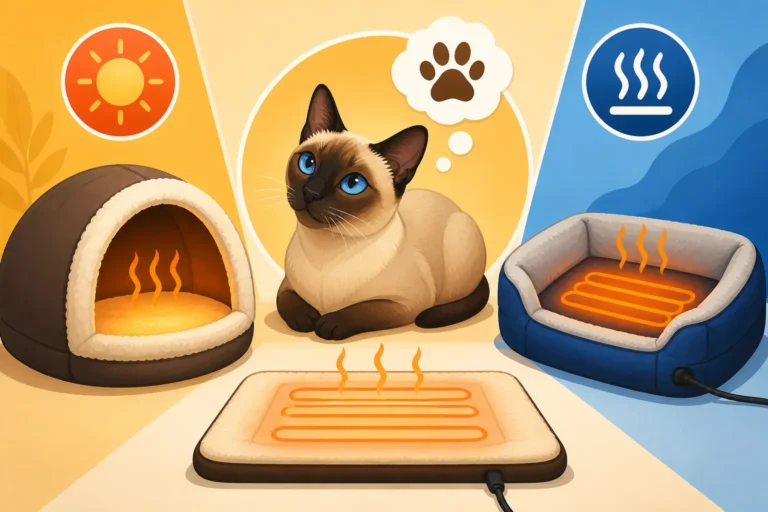
Heated pet beds are a game-changer for many Siamese owners. These beds come in various styles, from orthopedic foam pads to soft, fleece-lined cuddlers, and often have a low-wattage heating element that warms to a safe, comfortable temperature for pets. You can find a fantastic selection of these on major online retailers like Chewy or Amazon. Look for models with automatic shut-off features or temperature controls for added safety and peace of mind. Placing one of these in their favorite napping spot, or a quiet corner of the living room, can make a huge difference.
Another option is to simply provide soft, warm blankets or plush beds in strategic locations. You'll often find your Siamese burrowed deep under a blanket on the sofa, or snuggled into a donut bed. Ensuring these are in draft-free areas, perhaps elevated from a cold floor, will make them even more appealing. Consider a "cat cave" or an enclosed bed, which helps trap their body heat more effectively.
Eliminating Drafts and Cold Spots
Even if your thermostat is set to a reasonable temperature, drafts can make a room feel significantly colder, especially for a cat lounging on the floor or by a window. Take a walk around your home, paying attention to potential draft sources:
- Windows and doors: Check for gaps around frames. Weather stripping or draft stoppers can be incredibly effective. Heavy curtains or thermal blinds can also help insulate windows, keeping cold air out and warm air in.
- Unused rooms: Close doors to rooms that aren't actively heated, especially in winter.
- Pet doors: While convenient, pet doors can be a source of cold air ingress. Ensure they are well-sealed or consider a heated cat house outside if your Siamese has outdoor access (though indoor-only is generally safer for Siamese).
Remember, because of their lean build and lack of undercoat, a draft that you barely notice can feel like a biting wind to your Siamese. Keeping your home as draft-free as possible directly contributes to their comfort and helps prevent them from How Much a Siamese Cat Darkens in a Cold House due to prolonged exposure to lower temperatures.
Considering Apparel and Diet (with caution)
Some Siamese cats tolerate and even enjoy wearing sweaters, especially in very cold climates or if they are particularly sensitive to the chill, such as very young kittens or elderly cats. However, this is highly individual. Never force a cat to wear clothing if they are uncomfortable or distressed by it. If you do opt for a sweater, ensure it's made of soft, breathable material, doesn't restrict movement, and is removed regularly for grooming. Many owners wonder Whether a Siamese Cat Should Wear a Sweater, and the answer truly depends on the cat's personality and need.
Regarding diet, while it doesn't directly warm them up, a healthy, nutritious diet provides the energy their body needs to maintain its temperature. Ensure your Siamese is receiving a high-quality cat food appropriate for their age and activity level. If you're concerned about weight or energy levels affecting their ability to stay warm, consult your veterinarian. They might recommend specific dietary adjustments or supplements. Some premium pet food brands focus on optimal nutrition, which contributes to overall health.
Ultimately, keeping your Siamese cat warm is about creating an environment where they have choices. Providing various warm, cozy spots allows them to regulate their own temperature and find comfort whenever they need it.
Monitoring Your Siamese's Comfort and Adapting Over Time
The truth is, even with the best intentions and carefully set thermostats, your Siamese cat is the ultimate authority on their own comfort. It's up to us, as their dedicated humans, to pay close attention to their cues and be ready to adapt.
The Art of Observation
Cats are masters of subtle communication, especially when it comes to expressing discomfort. We've already touched on some signs of being too hot or too cold, but it's worth reiterating the importance of daily observation. Are they consistently seeking out the warmest (or coolest) spots? Are they avoiding certain areas of the house? A Siamese that suddenly starts sleeping exclusively under a pile of laundry in a far-off closet might be telling you that their usual bed isn't warm enough. Conversely, if they're sprawled on the cool tile more often than their cozy bed, they might be overheating.
Also, think about their overall demeanor. A comfortable cat is typically alert, playful (especially a Siamese!), and engages with their environment. A cat that is constantly lethargic, restless, or grumpy could be signaling that their thermal environment isn't quite right. Remember that cats are incredibly adept at hiding discomfort or How a Siamese Cat Hides Pain, so subtle shifts in behavior are often the only clues we get.
Adapting to Age and Health Changes
A crucial aspect of monitoring comfort is understanding that your cat's needs will change over their lifetime. A robust, active adult Siamese cat might handle cooler temperatures better than a tiny kitten or a senior cat.
- Kittens: Young kittens are particularly vulnerable to cold. They have less body fat and less developed thermoregulation systems. They need a consistently warm environment, often benefiting from supplemental heat sources like a heated bed, especially in their early weeks.
- Senior Cats: As Siamese cats age, their metabolism slows down, their muscle mass might decrease (making them feel more bony), and their ability to regulate body temperature can diminish. An older Siamese cat is likely to feel the cold much more intensely and will appreciate extra warmth. If you're Caring for an Old Siamese Cat, you'll find they gravitate to heated pads, sunny windows, and deep, plush beds. You might also notice What Changes in an Aging Siamese Cat's Coat, which can sometimes become thinner, further reducing insulation. This is especially true for an aging Siamese cat (Whether an Aging Siamese Cat Feels the Cold More).
Any underlying health conditions can also impact their comfort with temperature. Cats recovering from surgery, those with chronic illnesses, or those on certain medications might be more sensitive to cold or heat. Always discuss environmental needs with your veterinarian if your cat has a health issue.
Leveraging Smart Home Technology
In today's world, smart home devices can be a fantastic tool for monitoring and adjusting your home's climate for your feline friend. Smart thermostats, for instance, available through various providers and even on platforms like Amazon, allow you to program different temperatures throughout the day, or even control it remotely. This means you can ensure the house is comfortably warm before you arrive home, or dial it down slightly when the sun is beaming in, without having to manually adjust it multiple times a day. Some even learn your habits over time. While not specifically designed for pets, these can create a more stable and comfortable environment for your Siamese, reducing drastic temperature swings that might cause them discomfort.
Ultimately, your Siamese cat relies on you to create a comfortable home. By understanding their unique needs, observing their behavior, and being willing to make adjustments, you can ensure your elegant companion enjoys a warm, cozy, and happy life right by your side.
Disclaimer
This article is for general informational purposes only and does not constitute professional advice. Laws, prices and regulations vary by location and change over time. Consult a qualified professional for guidance on your specific situation.