How Young to Start Brushing a Siamese Cat’s Teeth
One of the most common worries for any loving Siamese cat owner is keeping those pearly whites healthy. It's easy to overlook dental care, especially when your kitten is tiny and seems perfectly fine. However, waiting until problems arise can lead to painful, expensive issues down the road. This guide will walk you through exactly how young you can and should start brushing your Siamese cat's teeth, offering practical advice to make it a positive experience for both of you.
The Unsung Hero: Why Early Dental Care is Crucial for Your Siamese Kitten
You might think dental care is just for older cats, but that couldn't be further from the truth. Starting early with your Siamese kitten isn't just a good idea; it's a foundational step that can prevent a lifetime of discomfort and significant veterinary bills. Their mouths might be small, but the habits you establish now will have enormous payoffs.
Setting the Stage for a Lifetime of Oral Health
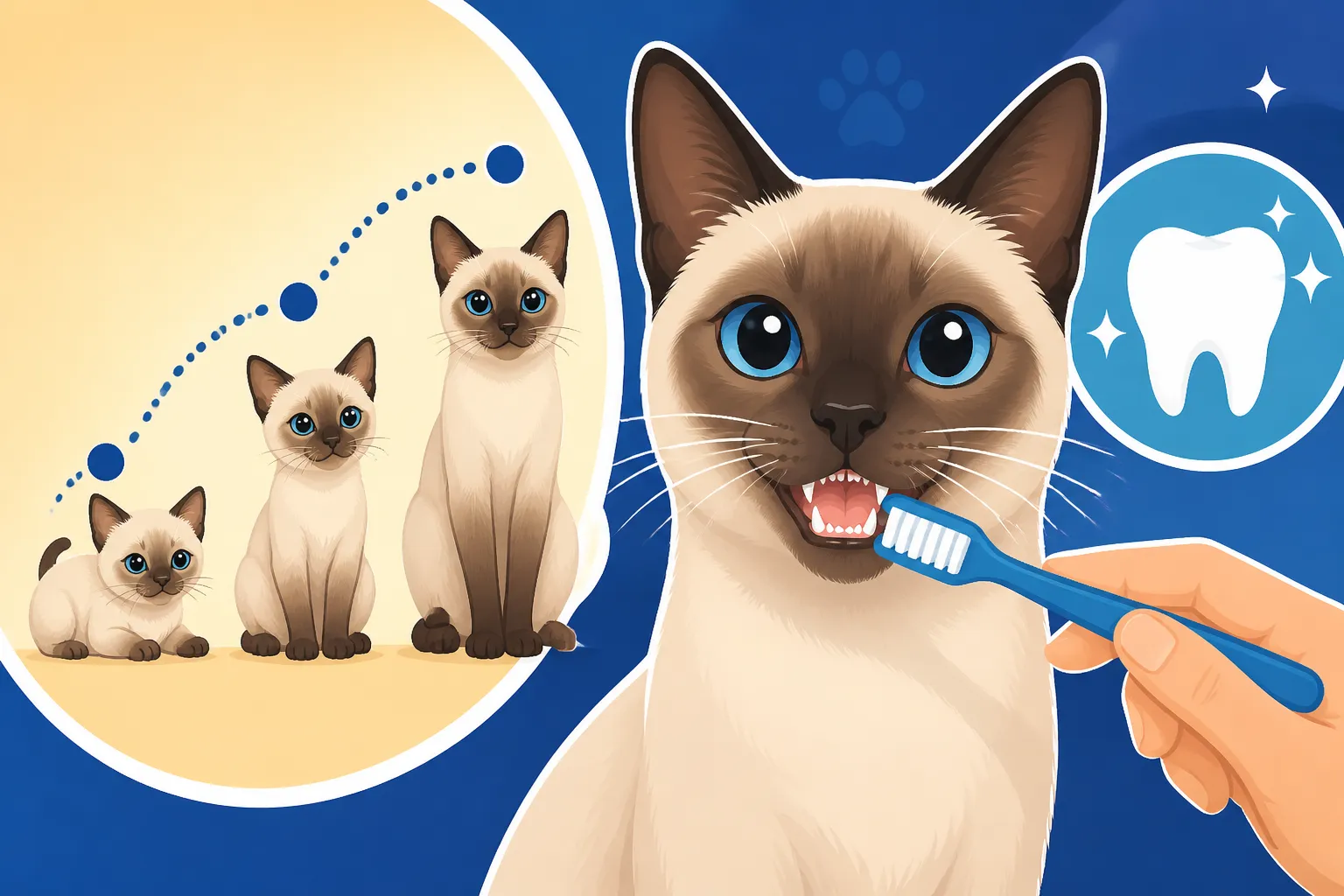
Think of your Siamese kitten's baby teeth as a training ground. While these temporary teeth will eventually fall out, the gums and underlying adult teeth are already developing. Getting your kitten accustomed to having their mouth handled and a brush near their teeth sets a precedent. It teaches them that this isn't a scary or painful experience, but rather a normal part of their routine, like mealtime or cuddle sessions. If you wait until they're older, with ingrained habits and possibly already experiencing some Dental Disease in a Siamese Cat, it becomes a much harder battle. Their trust in you will be crucial, and building that trust around their mouth when they're young and curious is far easier than trying to introduce a foreign object into an adult cat's sensitive mouth.
Addressing the Unique Dental Needs of Siamese Cats
Siamese cats, with their elegant, often slender build, are not immune to dental issues. In fact, some studies suggest certain breeds might be more prone to specific dental problems. While we can't definitively say Siamese cats are more susceptible to every single dental issue than other breeds, their distinct jaw structure and genetic predispositions mean we should be proactive. Even if they don't have unique challenges, they absolutely deserve the best preventative care. Starting early helps to remove plaque before it hardens into tartar, which is the root cause of gingivitis and eventually periodontal disease. This early intervention is key because once tartar forms, it can only be removed by a professional dental cleaning under anesthesia, which is a significant procedure that we all want to avoid if possible. Regularly brushing helps maintain healthy gums and strong teeth, reducing the chances of them developing issues like gingivitis or even tooth resorption later in life. You can read more about how often they need professional cleanings in How Often a Siamese Cat Needs a Dental.
Building a Foundation of Trust and Acceptance
When you bring home a Siamese kitten, you're not just getting a pet; you're welcoming a new family member into your life. Building a strong bond of trust is paramount. Imagine trying to force an adult cat, who's never had their teeth touched, to accept a toothbrush. It's likely to be a wrestling match, creating stress for both of you and potentially damaging your relationship. By contrast, introducing brushing gently and consistently when your Siamese is still a curious, impressionable kitten allows them to associate it with positive attention and treats. This early exposure helps them view the experience as non-threatening, even pleasant. It’s about creating a ritual that they come to expect and tolerate, rather than dread. This early positive association can make a world of difference not just for dental care, but for other grooming and health checks throughout their long lives.
Getting Your Paws Wet: Introducing Brushing to Your Siamese Kitten
Okay, so we know why it's important to start young. Now, how do we actually do it without turning it into a feline wrestling match? The key is patience, positive reinforcement, and a step-by-step approach. You wouldn't expect a baby to run before they crawl, and the same applies to teaching your Siamese kitten good dental hygiene habits.
Gathering Your Arsenal: Toothbrushes and Toothpastes
Before you even think about putting something in your kitten's mouth, you need the right tools. This isn't a "one-size-fits-all" situation.
First, forget human toothpaste. It contains fluoride and other ingredients that are toxic to cats if swallowed, and your Siamese will swallow it. You need enzymatic pet toothpaste, which is specifically formulated to be safe and often comes in flavors cats find appealing, like poultry or seafood. You can find a good variety on sites like Chewy or Amazon.
Next, consider the toothbrush. For a tiny kitten, a full-sized cat toothbrush might be too big. Start with a finger brush – it fits over your finger, allowing you to gently massage their gums and introduce the sensation. As they grow and become more accepting, you can graduate to a small, soft-bristled feline toothbrush, often dual-ended with different head sizes.
Here's a quick comparison of initial dental tools:
| Tool Type | Description | Best For | Pros | Cons |
|---|---|---|---|---|
| Finger Brush | Soft silicone or rubber brush that fits over your index finger. | Very young kittens, initial introduction | Gentle, good tactile feedback, less intimidating. | Can be chewed through, limited reach for back teeth. |
| Kitten Toothbrush | Small, soft-bristled brush, sometimes with an angled head. | Growing kittens, after finger brush acceptance | Better reach, more effective cleaning surface. | Still relatively small, might be rejected if not introduced gently. |
| Enzymatic Pet Toothpaste | Specially formulated with enzymes to break down plaque, cat-safe flavors. | All ages | Safe to swallow, appealing flavors, aids in plaque breakdown. | Must be used consistently for best results, flavor preference varies. |
The First Steps: Gentle Introduction and Positive Reinforcement
The very first few sessions shouldn't even involve a brush. Start by simply getting your Siamese kitten comfortable with you touching their face and mouth. While they're relaxed, perhaps purring in your lap, gently stroke their cheeks. Gradually progress to lifting their lip for a second or two, rewarding them immediately with a treat or praise. Do this for a few days until they're completely unfazed.
Once they're comfortable with that, introduce the flavored toothpaste. Let them lick a tiny bit off your finger. Most cats love the taste! This builds a positive association. After a few successful sessions of licking toothpaste, put a tiny dab on the finger brush. Gently rub it along their outer gum line and teeth for just a few seconds. The goal here isn't a deep clean, but rather to introduce the sensation and taste. Keep it super short, praise them lavishly, and give them a high-value treat immediately afterwards. Consistency and positive reinforcement are your best friends here. Don't push it; end on a good note, even if it was just for a few seconds.
Progressing to a Full Brushing Routine
Once your Siamese kitten tolerates the finger brush for longer periods (say, 15-30 seconds), you can consider transitioning to a small feline toothbrush. Again, apply a tiny bit of enzymatic toothpaste and let them lick it. Then, gently try to brush the outer surfaces of their teeth, focusing on the gum line. The outer surfaces are the most critical, as that's where plaque tends to accumulate, and the inner surfaces are often cleaned somewhat by their tongue.
Aim for a minute or two of brushing, once a day if possible, or at least a few times a week. Remember, short, positive sessions are far more effective than long, stressful ones. If they resist, go back a step. Never force them or make it a negative experience. Patience is key. Your Siamese cat is intelligent and will learn quickly if the experience is rewarding. Regular brushing, even if not perfect every time, is a huge step toward preventing serious issues later on. What a Siamese Cat's First Dental Costs will make you appreciate these early efforts even more!
Navigating the Wriggles: Overcoming Common Brushing Challenges
Even with the best intentions and the gentlest approach, your Siamese kitten might decide that tooth brushing isn't their favorite activity. It's totally normal for them to wriggle, pull away, or try to bat at the brush. The key is to understand why they might be resisting and to have a few strategies up your sleeve to make the process smoother, not a battle.
Decoding Your Siamese Cat's Resistance Signals
Siamese cats are known for being vocal and expressive, and they'll definitely let you know if they're not keen on something. Resistance can manifest in various ways: a tail flick, ears flattening, pupils dilating, hissing, or even trying to bite. These aren't signs that your cat hates you; they're signs that they're uncomfortable, scared, or simply don't understand what's happening.
Sometimes, resistance is a sign you're going too fast. Are you pushing the brush too far back? Is the toothpaste flavor not to their liking? Is the brush too hard? It's important to pay attention to these cues and adjust your approach. A common mistake is to try and "power through" their resistance, which only serves to confirm their negative feelings about the activity. Instead, interpret their signals as feedback and modify your technique or environment.
Strategies for a Smoother Brushing Experience
If your Siamese is giving you a hard time, don't despair! There are many tricks to try:
- Timing is Everything: Choose a time when your cat is naturally relaxed and mellow, perhaps after a play session or a nap. Never try to brush when they're agitated or in a playful mood.
- Location, Location, Location: Find a quiet, calm spot where you both feel comfortable. Avoid busy, noisy areas of the house. Some cats prefer being held, others prefer sitting on a counter, and some are happiest on your lap.
- The "Purr-ito" Method: For particularly squirmy kittens, gently wrapping them in a soft towel (like a burrito) can help limit movement without being restrictive. Make sure they can still breathe comfortably and aren't getting too hot. This is a last resort, as the goal is cooperation, not restraint.
- Distraction is Your Friend: Try brushing while your Siamese is distracted by something they love, like a puzzle feeder filled with a special treat or a favorite toy. A dab of Churu or similar lickable treat on the end of the toothbrush (away from the bristles) can also make it more appealing.
- Vary the Toothpaste: Just like people, cats have preferences. If your Siamese isn't keen on one flavor, try another. Brands like Virbac C.E.T. or Petrodex offer various flavors that might tempt your feline friend.
- Patience and Persistence: Consistency over intensity. A few short, positive sessions a week are better than one long, traumatic one. If you have a bad day, just try again tomorrow. Remember, your goal is to make this a lifelong habit. Caring for an Old Siamese Cat will be much easier if their teeth are still in good shape!
Knowing When to Call in the Cavalry (Your Vet!)
While daily brushing is ideal, sometimes despite your best efforts, it's just not happening. Perhaps your Siamese cat is simply too stressed by the process, or maybe they develop a sensitivity in their mouth. If you consistently encounter strong resistance, pain, or notice any signs of gum inflammation, redness, or bad breath, it's time to consult your veterinarian.
Your vet can offer personalized advice, demonstrate proper brushing techniques, and rule out any underlying dental issues that might be causing discomfort. They might also suggest alternative or supplementary dental care products if brushing isn't feasible, such as dental rinses, water additives, or prescription dental diets. While these options are rarely as effective as direct brushing, they can certainly help. Never hesitate to involve your vet if you're struggling; they are your partners in your Siamese cat's health journey.
Beyond the Brush: Complementary Dental Care for Your Siamese Cat
While regular tooth brushing is undoubtedly the gold standard for feline dental hygiene, it's not the only piece of the puzzle. A holistic approach that includes diet, appropriate dental aids, and routine veterinary check-ups creates the most robust defense against dental disease for your beloved Siamese cat.
The Role of Diet in Oral Health
What your Siamese cat eats plays a significant role in their overall health, and their dental health is no exception. Some dry kibble diets are specifically formulated as "dental diets." These kibbles often have a larger, more abrasive texture designed to scrape plaque off the teeth as the cat chews. Think of it like a mild scrub for their teeth. However, not all dry food is created equal, and many standard kibbles offer minimal dental benefits.
Wet food, while excellent for hydration and often highly palatable, generally doesn't provide the same mechanical cleaning action as a specialized dental kibble. If your Siamese cat is on a wet-food-only diet or a non-dental kibble, brushing becomes even more critical. Brands like Hills t/d or Royal Canin Dental offer veterinary-approved dental diets that can be a valuable addition, especially if brushing is challenging. Always discuss any dietary changes with your vet, particularly for Which Food Suits a Siamese Cat.
Dental Treats and Water Additives: Do They Help?
Beyond dedicated dental diets, there's a wide array of dental treats and water additives marketed for feline dental health. Do they work? The answer is: sometimes, but they are never a substitute for brushing.
- Dental Treats: Look for treats that have the Veterinary Oral Health Council (VOHC) seal of acceptance. This seal indicates that the product has met standards for reducing plaque and/or tartar. Many regular treats offer little to no dental benefit. When choosing, consider texture – harder, chewier treats are generally better. For example, some owners find their cats enjoy specific dental chews from pet food suppliers.
- Water Additives: These products contain ingredients designed to reduce bacteria in the mouth or inhibit plaque formation. They are simply added to your cat's drinking water. While they can provide some benefit, their efficacy can vary, and picky Siamese cats might refuse to drink water with an additive.
The most important thing to remember is that these are supplements to a good dental care routine. They can offer an extra layer of protection, but they won't magically solve significant dental problems or replace the mechanical action of brushing.
Maintaining Vigilance Throughout Their Lives
Even with a perfect brushing routine started in kittenhood, lifelong vigilance is essential. Your Siamese cat will age, and their dental needs might change. Regular veterinary check-ups, ideally yearly for younger cats and twice-yearly for seniors, are crucial for monitoring their oral health. Your vet will perform a dental exam, looking for signs of gingivitis, broken teeth, or other issues.
Remember that cats are masters at hiding pain, including dental pain. By the time you notice your Siamese showing signs of discomfort (like reluctance to eat, pawing at their mouth, or bad breath), the problem might be quite advanced. This is why preventative care and regular professional evaluations are so vital. Think of it as a long-term investment in their comfort and well-being. Keeping their mouth healthy throughout their The Fifteen to Twenty Years a Siamese Cat Gets is a true act of love.
Disclaimer
This article is for general informational purposes only and does not constitute professional advice. Laws, prices and regulations vary by location and change over time. Consult a qualified professional for guidance on your specific situation.