What Happened to Siam the Siamese Cat
Many cat lovers wonder about the early days of Siamese cats in the West, and perhaps no feline holds a more famous, yet often hazy, place in that history than Siam, the White House cat. Her story is one of diplomatic intrigue, presidential companionship, and ultimately, a poignant end that leaves many curious about the details of her life and what truly happened to her. This guide delves deep into the fascinating tale of Siam, the first known Siamese cat to grace the presidential residence.
Siam's Grand Entrance: A Diplomatic Gift
Imagine a time when the Siamese cat was a true rarity outside of its homeland, a creature of mystery and exotic beauty. This was the world into which Siam was born, destined for a journey that would etch her name into American history. Her arrival in the United States was no ordinary event; it was a matter of international diplomacy, elevating a simple feline to the status of a royal envoy.
The Royal Origins of the Gift
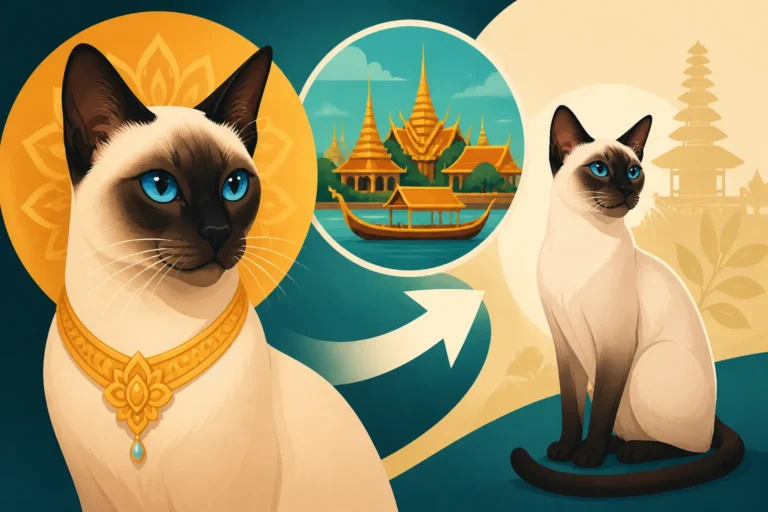
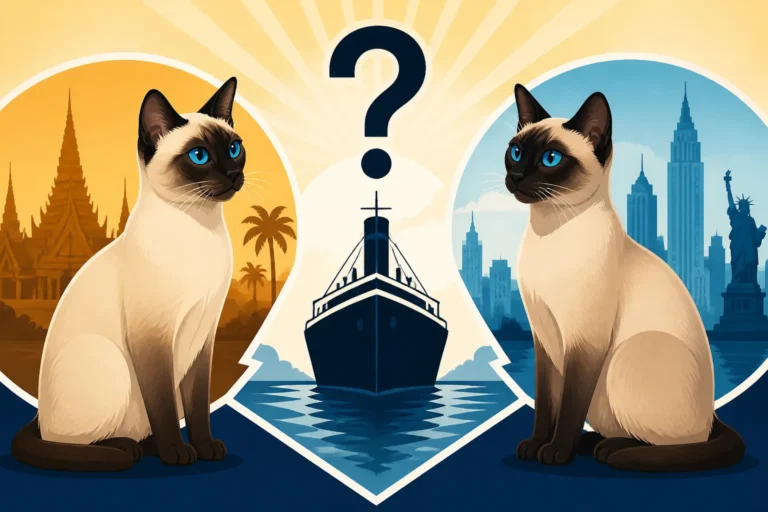
Siam's story begins in the Kingdom of Siam, modern-day Thailand, a place rich with history and unique cat breeds. For centuries, these elegant felines were cherished within royal palaces and temples, considered sacred and never given to outsiders without special permission. In fact, you might wonder Whether Only Royalty Kept the Siamese Cat. It was from this esteemed lineage that Siam was selected. In 1878, King Chulalongkorn, a visionary monarch eager to foster international relations, presented Siam as a diplomatic gift to David B. Sickels, the American Consul in Bangkok. This wasn't just any cat; it was a living symbol of goodwill and an introduction of the breed to the Western world on an official level. The sheer novelty of such a gift from a distant kingdom undoubtedly added to its allure and importance.
From Bangkok to Washington: The Journey
The journey from Bangkok to Washington, D.C., in the late 19th century was no small feat for a human, let alone a delicate kitten. Picture the long sea voyage, the various stops, and the changes in climate. For a small cat, this would have been an incredibly stressful and perhaps even perilous undertaking. Consul Sickels, understanding the significance of his charge, would have had to ensure her comfort and safety throughout the arduous trip. Upon her arrival in the United States, Siam represented a living piece of foreign culture, a testament to the diplomatic ties being forged. Her presence alone sparked curiosity about the breed, setting the stage for future interest in How Old the Siamese Cat Breed Is and its unique characteristics. She was, in essence, a pioneer, arguably Which Siamese Cat Reached America First to truly capture public attention.
A Presidential Family's New Member
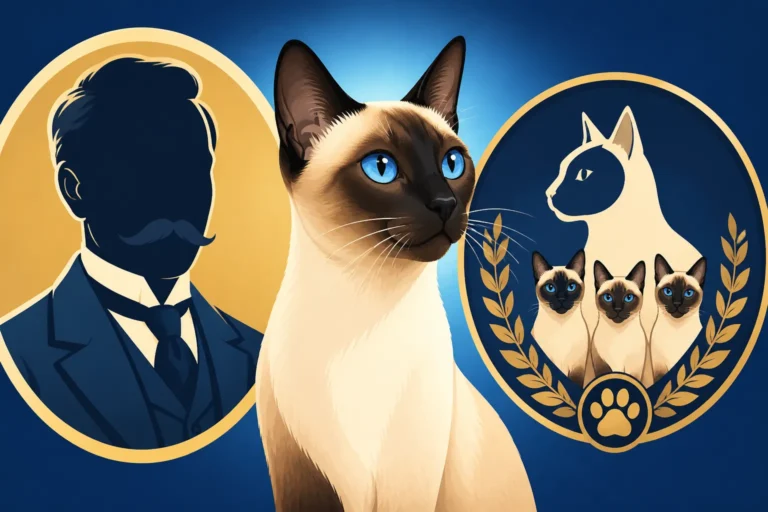
Once in the States, Siam's ultimate destination was the White House. Consul Sickels presented her to President Rutherford B. Hayes and his wife, Lucy Hayes. The Hayes family were known for their love of animals, and Siam quickly found a special place in their hearts. This wasn't merely a political gesture; it was the introduction of a unique and cherished pet into the presidential home. Imagine the excitement and novelty of having such an exotic creature roaming the halls of power! For the Hayes children, Siam must have been an endless source of fascination and companionship, a furry celebrity long before such a concept existed. She wasn't just a cat; she was the cat, arriving straight from a foreign king, destined to live in the most famous house in America.
Life as the First Feline of the White House
Life in the White House in the late 1800s was a blend of formal decorum and domesticity. For a spirited Siamese cat, it presented a unique playground and a stage upon which she would charm a nation. Siam wasn't just a quiet presence; she was an active, engaging member of the Hayes family, leaving her paw prints all over presidential history.
Making Herself at Home with the Hayes Family
Despite the grandeur of her surroundings and the formalities of the presidency, Siam quickly adapted to her new home. Cats, as we know, have a remarkable ability to make any place their own, and a Siamese, with their renowned intelligence and outgoing nature, is no exception. She would have explored every nook and cranny of the executive mansion, from opulent state rooms to cozy family quarters. The Hayes family, including President Hayes himself, found joy in her antics and presence. She wasn't confined to a back room; she was truly part of the household, a stark contrast to how many pets might have been viewed or kept in public spaces during that era. Her energetic personality would have made her a beloved, if sometimes mischievous, companion.
President Hayes's Affection for Siam
President Rutherford B. Hayes, often depicted as a serious statesman, clearly held a deep affection for his new feline friend. Records and family anecdotes suggest that Siam was more than just a novelty; she was a genuine pet that offered comfort and companionship amidst the weighty responsibilities of his office. He famously wrote of her, stating she was "a beautiful specimen of her race." This personal connection between a sitting president and such an exotic animal was groundbreaking. It humanized the presidency in a small, charming way and showcased a progressive attitude toward pets in a public sphere. His letters and mentions of her paint a picture of a cat deeply integrated into the family, often found curling up in his study or following him through the White House. This sort of bond is something many Siamese owners understand; these cats truly become members of the family, not just animals living in the house.
The Public's Fascination and Early Siamese Impressions
News of the White House's new feline resident quickly spread, captivating the American public. Siam became a topic of conversation, a symbol of America's growing connection to the wider world. Imagine the newspaper reports, the sketches, the excited chatter about this "royal cat" with her distinctive dark points and striking blue eyes. She was literally introducing the breed to a new continent, shaping the very first impressions of what a Siamese cat was like. While modern owners can easily research What a Siamese Cat's Temperament Is Really Like before bringing one home, the public then had only Siam as their reference point. Her lively, vocal, and affectionate nature undoubtedly contributed to the romantic image of the Siamese as an intelligent and charming companion, fostering a burgeoning interest in the breed that would eventually lead to its widespread popularity.
The Unfortunate Turn: Siam's Decline
Tragically, Siam's time in the White House was far shorter than anyone would have hoped. Her story took a somber turn when she fell ill, highlighting the limitations of veterinary medicine in the late 19th century and reminding us of the fragility of even the most cherished pets.
A Mysterious Illness Takes Hold
Siam's vibrant life was cut short by a mysterious illness that began to affect her in early 1880. Details from historical accounts are sparse, as medical record-keeping for pets was not what it is today. We can only imagine the worry and distress this caused the Hayes family. Unlike today, where a quick search on Chewy can bring a host of specialized foods or supplements to your door, or access to vast veterinary knowledge, options were incredibly limited. There was no internet to research symptoms, no array of diagnostic tests. It’s impossible to say definitively what afflicted her, but her rapid decline deeply saddened the presidential household. For anyone who has faced the sudden illness of a beloved pet, the helplessness the Hayes family must have felt is relatable, a timeless frustration for pet parents.
The Limits of 19th-Century Veterinary Care
In Siam's era, veterinary medicine was still in its nascent stages, particularly for companion animals. The sophisticated diagnostic tools, medications, and surgical techniques we rely on today simply didn't exist. Vets, if available, primarily dealt with livestock, and their understanding of feline specific ailments was rudimentary at best. When Siam fell ill, the remedies available would have been basic, and definitive diagnoses often impossible. This starkly contrasts with the advanced care available today, where issues like What Most Siamese Cats Die Of are better understood and often treatable, extending The Fifteen to Twenty Years a Siamese Cat Gets that these wonderful cats can share with us. The Hayes family would have had to watch their beloved cat suffer, knowing there was little effective intervention they could offer. It’s a painful thought, imagining the dedicated efforts with so few resources.
The Difficult Decision and Her Passing
Ultimately, Siam's condition worsened, and President Hayes, with the sad realization that her suffering was profound and incurable given the knowledge of the time, made the agonizing decision to have her humanely euthanized. This heart-wrenching choice, made out of compassion to end her pain, speaks volumes about the depth of their affection for her. In a letter to his wife, Hayes described the ordeal, clearly grieving the loss of their "dear little puss." Her passing marked the end of her brief but impactful life at the White House. Though short, her life highlighted that even the most cherished and well-cared-for pets can face insurmountable health challenges, especially when medical science is not yet equipped to save them.
Siam's Enduring Legacy: More Than Just a Pet
While Siam's life was tragically brief, her impact on the perception and popularity of Siamese cats in America was immense and enduring. She was not just a passing curiosity but a foundational figure in the breed's history in the Western world, setting the stage for future generations of beloved Siamese companions.
Paving the Way for Siamese Popularity in America
Siam’s presence in the White House, even for a short time, put the Siamese cat squarely in the public eye. Her exotic beauty, regal bearing, and the story of her royal origins captured imaginations. Before Siam, most Americans would have had no concept of a Siamese cat. After her, the breed became something to aspire to, a symbol of elegance and uniqueness. Her story helped to ignite a fascination that would eventually lead to the breed becoming widely recognized and desired. This initial exposure was crucial in paving the way for the Siamese to eventually climb the ranks in popularity, reaching Where the Siamese Cat Ranks Among Cat Breeds in later decades. Without Siam, it might have taken much longer for the Siamese to establish its paw-hold in American homes.
The Enduring Story of the First Presidential Cat
Siam holds a unique place in history as the first known Siamese cat to reside in the White House, and arguably, one of the earliest "first pets" to garner significant public attention. Her story is a delightful footnote in presidential history, often recounted as a charming anecdote about President Hayes and his family. This narrative adds a layer of depth to the White House's history, showcasing its role not just as a center of political power but also as a family home with its own beloved animals. Her legacy is a reminder of the timeless bond between humans and their pets, a bond that transcends political office and historical eras. Even today, mentioning "Siam the White House cat" evokes a sense of historical charm and animal companionship.
Her Physical Remains: A Glimpse into the Past
After Siam's passing, President Hayes arranged for her remains to be preserved at the Smithsonian Institution. This extraordinary act underscores the depth of his grief and his desire to commemorate her unique place in history. While some might find the idea unusual today, it was a testament to how profoundly she affected the presidential family. This preservation offers a tangible link to the past, allowing historians and curious cat enthusiasts to connect with this pioneering feline. Studying her remains could potentially offer insights into the health of Siamese cats of that era, providing a fascinating contrast to what we know about How Healthy the Siamese Cat Actually Is with modern veterinary science. It's a poignant reminder of her existence and a rare opportunity to literally look back at a key figure in the Siamese cat's journey to America.
Modern Reflections on Siamese Cat Care
Thinking about Siam’s life and untimely death brings into sharp focus just how far we've come in understanding and caring for our feline companions. The resources and knowledge available to today's Siamese cat owners are light-years beyond what was possible in the 1880s, allowing for much healthier and longer lives for these intelligent creatures.
The Evolution of Veterinary Medicine for Felines
When Siam was ill, veterinary medicine for cats was rudimentary. There were no advanced diagnostic imaging techniques, specialized feline medications, or even a widespread understanding of common cat diseases. Today, we have sophisticated blood tests, ultrasounds, X-rays, and an entire pharmacopeia dedicated to feline health. Vets undergo extensive training in companion animal care, and feline-specific specialists are increasingly common. If Siam were alive today, her mysterious illness would likely be swiftly diagnosed and treated, perhaps with a regimen of medications or specialized care that simply didn't exist in her time. This progress is a huge relief for any modern pet owner facing a sick cat, knowing that every option can be explored.
Access to Quality Nutrition and Supplies
Beyond medical care, the daily lives of Siamese cats have also seen a revolution in quality. In the 1880s, cat food was often scraps from the table, and specialized diets were unheard of. Today, we have a vast array of nutritionally balanced commercial cat foods, including options tailored for specific life stages, health conditions, and even breed-specific needs. Pet supply retailers like Chewy offer an enormous selection of high-quality kibble, wet food, and even prescription diets, making it easier than ever to provide optimal nutrition. This wasn't a luxury available to Siam. Modern owners can pick from an array of enrichment toys, comfortable beds, and safe environments, all designed to enhance a cat's well-being and keep them stimulated, preventing issues that might arise from boredom or poor diet. The concept of What a Siamese Cat Costs Over Twenty Years today includes a budget for these essential quality-of-life items.
Understanding and Managing Inherited Conditions
One of the most significant advancements lies in our understanding of breed-specific health issues. While Siamese cats are generally robust, they can be predisposed to certain inherited conditions. In Siam's time, these would have been mysterious ailments. Today, responsible breeders screen for known genetic predispositions, and veterinarians are aware of potential issues unique to the breed. While there are still challenges, like certain complex inherited diseases for which there's no perfect screening, we are far better equipped to manage conditions if they arise. This proactive approach to health, informed by decades of research and veterinary experience, contributes immensely to the longevity and quality of life for modern Siamese cats, a luxury Siam certainly didn't have.
The Enduring Allure of the Siamese Cat
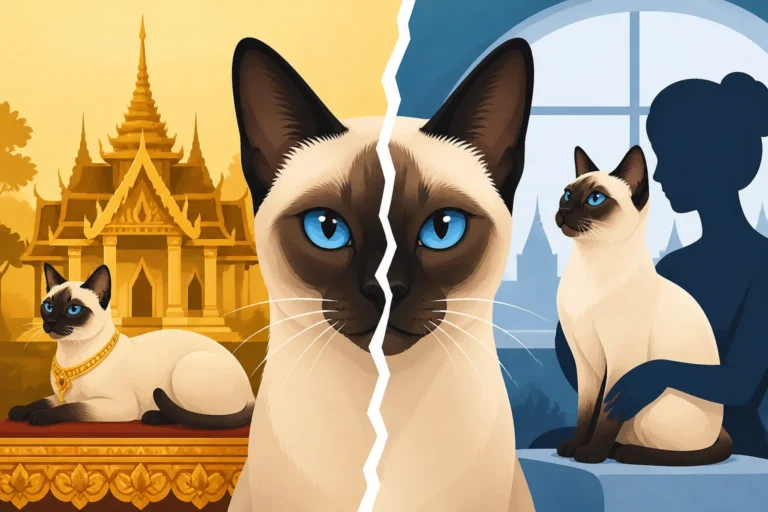
Siam's story is a vivid reminder of the Siamese cat's long and fascinating journey from royal companion in ancient Siam to beloved household member across the globe. Her brief life in the White House laid a crucial foundation, sparking interest and admiration for a breed that continues to captivate us with its beauty, intelligence, and unforgettable personality.
The Siamese Cat's Lasting Appeal
Despite the centuries and the many changes in societal norms and pet care, the Siamese cat has maintained its distinctive appeal. Their striking blue eyes, elegant physique, and vocal, interactive personalities make them stand out. From Siam's diplomatic debut to their current status as cherished family members, these cats have consistently charmed their way into human hearts. Their highly social nature and tendency to form deep bonds with their owners mean that once you've had a Siamese, it's hard to imagine life without one. They are truly conversationalists, demanding and giving affection in equal measure, making every day an adventure.
From Royal Gift to Family Member
The journey of the Siamese cat, encapsulated by Siam's story, reflects a broader shift in how we view companion animals. What was once a rare, exotic royal gift has become an accessible and cherished family member. This evolution speaks to our growing understanding of the emotional and psychological benefits of having pets. Siamese cats, with their unique needs for interaction and intellectual stimulation, thrive when they are fully integrated into the family unit. We've moved beyond merely housing animals to actively enriching their lives, providing them with everything from specialized diets (easily found on platforms like Chewy) to stimulating toys and regular veterinary check-ups. It’s a testament to the enduring power of the human-animal bond, a bond that Siam helped to forge in the highest office of the land.
A Legacy That Continues to Inspire
Siam's story isn't just a historical footnote; it's an inspiring tale of a small cat who, through circumstances of diplomacy and a loving presidential family, helped introduce an entire breed to a new world. Her legacy lives on in every Siamese cat that brings joy to a home, reminding us of the breed's rich heritage and the profound connection we share with these magnificent felines. Her life, though tragically cut short by the limitations of her time, paved the way for countless Siamese cats to find their place as beloved companions in American homes, enriching the lives of millions.
| Event | Date (Approx.) | Significance |
|---|---|---|
| Birth | Early 1870s | Born in Siam (modern-day Thailand), part of a royal lineage |
| Diplomatic Gift | 1878 | Presented by King Chulalongkorn to U.S. Consul David B. Sickels |
| Arrival in United States | Late 1878 | Arrives on American soil, one of the earliest known Siamese in the U.S. |
| Arrival at White House | Late 1878 / Early 1879 | Becomes the first known Siamese cat to reside in the presidential residence |
| Life in White House | 1879-1880 | Cherished pet of President Rutherford B. Hayes and his family, capturing public attention |
| Illness and Passing | Early 1880 | Succumbs to a mysterious illness; humanely euthanized due to lack of veterinary options |
| Preservation | Post-1880 | Remains preserved at the Smithsonian Institution, a testament to her unique place in history |
Disclaimer
This article is for general informational purposes only and does not constitute professional advice. Laws, prices and regulations vary by location and change over time. Consult a qualified professional for guidance on your specific situation.