Where the Siamese Cat Ranks Among Cat Breeds
It’s easy to get caught up in the idea of a "top dog" or, in this case, a "top cat" when you're looking at different breeds, and it can feel a little disheartening if the breed you adore doesn't seem to be as widely recognized. This comprehensive guide is here to shed light on where the magnificent Siamese cat truly stands among other beloved feline companions, delving into its historical prominence, enduring appeal, and current ranking within the diverse world of pedigree cats.
The Shifting Sands of Feline Popularity: Siamese Cat's Historical and Modern Standing
The concept of "popularity" in cat breeds is a fascinating, often subjective thing, influenced by everything from media appearances to celebrity owners to simple trends in what people find aesthetically appealing. For the Siamese cat, its journey through these popularity rankings has been quite a rollercoaster, starting from almost mythical status to a beloved, yet perhaps less universally ubiquitous, presence today.
From Royal Cat of Siam to American Darling
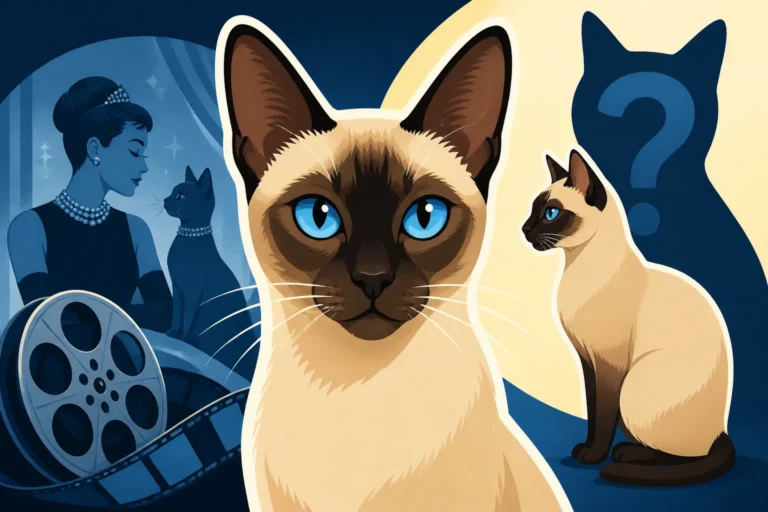
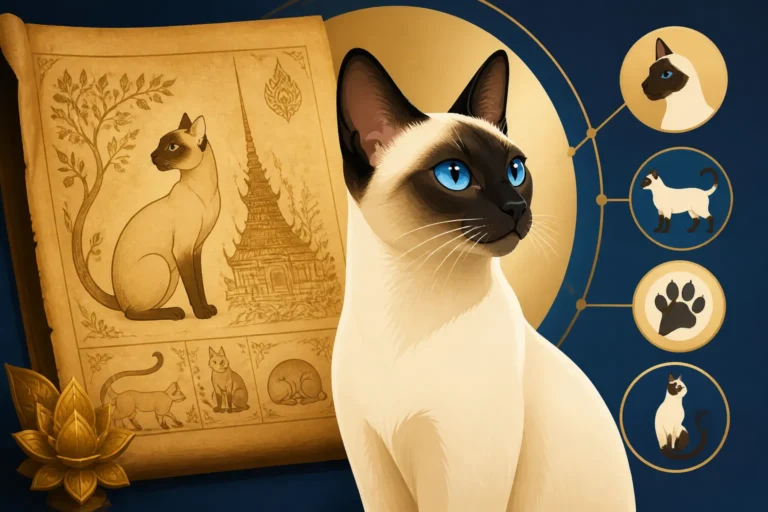
Imagine a time when the Siamese cat was practically unknown outside its homeland, revered and perhaps even considered sacred. The Siamese Cat Came From Siam, Not Thailand. When these striking felines first arrived in Western countries, they were nothing short of a sensation. Their exotic looks—those piercing blue eyes, the sleek body, the distinctive color points—combined with their incredibly vocal and intelligent personalities, captured hearts almost immediately. They weren't just pets; they were living, breathing curiosities, symbols of luxury and an intriguing distant culture.
In the early to mid-20th century, the Siamese cat exploded in popularity, especially in North America and Europe. They became the fashionable cat to own, a status symbol that appeared in movies, advertisements, and the homes of many prominent figures. It was a time when the "Meezer," as they're affectionately called, was truly at the peak of its global fame, a household name recognized by almost everyone, even those who didn't own cats. This wasn't just about their looks; their engaging, dog-like personalities made them stand out in a world where many saw cats as aloof.
Navigating the Modern Cat Landscape
Fast forward to today, and while the Siamese cat remains undeniably popular, its position in the top echelons of breed registrations has shifted. This isn't a reflection of any decline in the breed's intrinsic wonderfulness, but rather a testament to the explosion of new and diverse cat breeds that have gained recognition over the decades. Breeders have developed many new breeds, often using the Siamese as a foundation, expanding the choices available to potential cat owners.
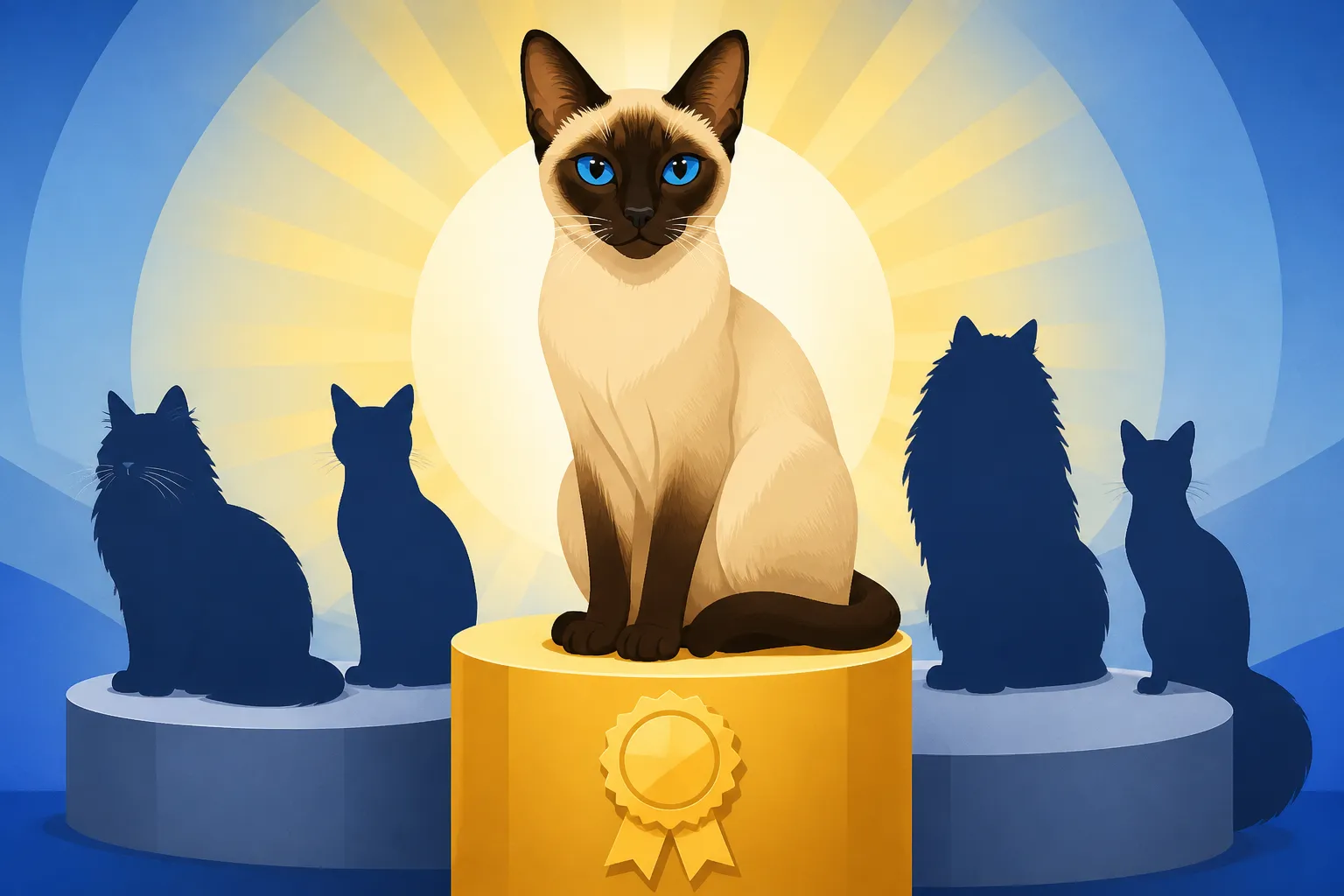
The sheer variety available now means that pet parents have an incredible array of temperaments, coat types, and looks to choose from. While the Siamese still boasts a dedicated following and consistently ranks within the top 10 or 20 breeds in major registries like the Cat Fanciers' Association (CFA) or The International Cat Association (TICA), it's no longer the undisputed queen of the cat world. This simply means the spotlight is now shared among many deserving breeds, each offering unique qualities that appeal to different lifestyles and preferences.
What Influences a Cat Breed's Popularity?
It’s not just about how cute a kitten is; a myriad of factors contribute to a breed's rise and fall in public perception and official rankings. Understanding these can help you appreciate why certain breeds become household names and others remain niche, even if equally wonderful.
Temperament and Lifestyle Fit
One of the biggest drivers of popularity is undoubtedly temperament. People are often looking for a companion that fits seamlessly into their busy lives, and a breed's general disposition plays a huge role. The Siamese cat, with its famously vocal, intelligent, and affectionate nature, appeals to those who want an interactive, communicative feline companion. The Siamese Cat Talks and Expects an Answer. They thrive on interaction and can be quite demanding, which suits some owners perfectly but might be too much for others seeking a more independent pet.
Other breeds might gain popularity for being more laid-back, better suited to apartment living, or known for being particularly gentle with children. For instance, a breed known for being quiet might appeal to someone in an apartment building, whereas the Siamese's booming "Meezer" yowl might be a dealbreaker for a neighbor. It's about finding that perfect match, and as human lifestyles change, so too do the ideal characteristics of a feline companion. This evolving preference constantly shuffles the deck of breed popularity.
Aesthetics, Health Perceptions, and Media Exposure
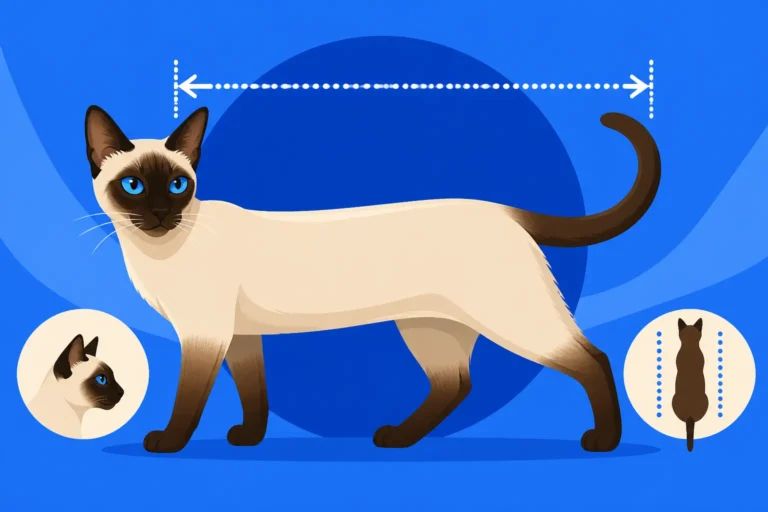
Let's be honest, appearance matters. The distinctive "points" (darker coloration on the extremities), striking blue eyes, and svelte, elegant body of the modern Siamese cat are undeniably eye-catching. However, feline aesthetics have diversified significantly. While the "wedge" head type is characteristic of today's show Siamese, there are also "applehead" or "traditional" Siamese types that appeal to those who prefer a less extreme look. How the Siamese Cat's Head Changed Shape in Fifty Years. The development of various "colorpoint" breeds, often derived from the Siamese, also offers similar beauty with slight variations, broadening the appeal.
Perceived health and longevity also play a role. While all breeds have their predispositions, a perception of robustness can boost a breed's standing. Siamese cats are generally healthy, often living long lives, The Fifteen to Twenty Years a Siamese Cat Gets, but discussions around specific genetic conditions can influence public perception, whether fairly or not. Lastly, media exposure, from animated films to social media influencers, can catapult a breed into the public consciousness, creating spikes in demand. Just think of how certain dog breeds became popular after a movie release; the same can happen for cats, though perhaps to a lesser degree.
Breeding Practices and Accessibility
The accessibility of a breed also influences its popularity. Breeds with many active, reputable breeders, or those that frequently appear in rescue organizations, are naturally more widely available. The sheer number of cats available for adoption from various sources also means that a larger number of people can acquire them, contributing to their overall presence in homes.
Moreover, the costs associated with acquiring a purebred kitten can be a barrier for some, pushing them towards more affordable options or rescue cats. What a Siamese Cat Costs to Buy in 2026. When a breed is consistently available, and breeders are active in promoting healthy lines and educating potential owners, it tends to maintain a more stable, if not always top-tier, position in popularity. Organizations like TICA and CFA play a critical role in maintaining breed standards and supporting breeders, which in turn impacts a breed's long-term viability and public perception.
Understanding Breed Registries and Their Rankings
When we talk about a cat breed's "ranking," we're often referring to data collected by various cat registries. These organizations are the backbone of the purebred cat world, maintaining studbooks, setting breed standards, and organizing cat shows. Their statistics provide the most concrete, though not exhaustive, measure of a breed's prevalence.
The Role of Major Cat Registries
Globally, several prominent cat registries track breed registrations, with the Cat Fanciers' Association (CFA) in North America and The International Cat Association (TICA) being among the largest and most influential. In the UK, the Governing Council of the Cat Fancy (GCCF) serves a similar role. These organizations collect data on new kitten registrations, which is typically what informs those "most popular breed" lists you often see.
Each registry has its own specific standards for breeds. For example, the CFA generally recognizes fewer breeds than TICA, which tends to be more inclusive of new and developing breeds. What a Siamese Cat Looks Like by the Standard. The Siamese cat, being one of the oldest and most established breeds, is recognized by all major registries. These registries also provide a framework for ethical breeding, ensuring that cats meet certain health and conformational standards, which ultimately helps maintain the integrity and appeal of the breed.
How Rankings Are Determined
Breed rankings are usually determined by the number of individual cats or litters registered within a given period, typically annually. It's a snapshot, not a definitive measure of every cat owned, but it gives us the best available insight into which breeds breeders are actively producing and which ones new owners are seeking out through official channels.
It's important to remember that these rankings reflect registered purebred cats. They don't account for the vast number of mixed-breed cats or purebreds without papers. So, while the Siamese might rank, say, 15th on a CFA list, it doesn't mean there are fewer beloved Siamese cats out there than a breed that ranks 5th. It simply means that, among registered pedigree cats, fewer Siamese kittens were formally recorded that year compared to other breeds. The long-term trend, however, often tells a more consistent story about enduring popularity.
Interpreting the Numbers
When looking at these rankings, it's helpful to consider the bigger picture. A breed might have fewer new registrations one year but still have a huge existing population of cherished pets. Also, some breeds are simply more prolific breeders than others, which can naturally inflate their numbers on a registration list. The Siamese, while not always at the very top, consistently maintains a respectable presence, indicating a strong, steady demand from those who appreciate its unique qualities.
Furthermore, breed development has diversified some of the "Siamese look" into other breeds. For instance, the Oriental Shorthair, Balinese, and Colorpoint Shorthair are all breeds derived from or closely related to the Siamese, often sharing many of its characteristics. If you combine these related breeds, the overall "Siamese family" would likely rank much higher in total registrations, showcasing the lasting genetic and aesthetic influence of this foundational breed.
Here's a simplified look at how different factors can influence a breed's perceived popularity:
| Factor | Positive Impact | Negative Impact |
|---|---|---|
| Temperament | Highly interactive, dog-like, affectionate | Demanding, very vocal, prone to separation anxiety |
| Appearance | Striking points, blue eyes, sleek body | Extreme "wedge" look not to everyone's taste |
| Health Profile | Generally long-lived, hardy | Predispositions to certain genetic conditions |
| Media Exposure | Featured in films, internet trends | Negative stereotypes, lack of exposure |
| Availability/Cost | Many reputable breeders, established lines | Higher initial cost, fewer local breeders |
| Grooming Needs | Low maintenance, short coat | Can still shed, requires regular home care |
The Siamese Cat's Enduring and Unique Appeal
Despite the fluctuating numbers in popularity contests, the Siamese cat has never truly fallen out of favor. Its distinct personality and striking appearance ensure a devoted following that values connection and charisma over transient trends.
More Than Just a Pretty Face: The Siamese Personality
Any Siamese owner will tell you that what makes this breed truly special isn't just its stunning looks, but its incredible personality. Siamese cats are often described as "dog-like" because of their loyalty, intelligence, and tendency to follow their humans from room to room. They thrive on interaction and can even be trained to do tricks like fetch or walk on a leash. How Trainable a Siamese Cat Really Is. This level of engagement is a huge draw for people who want a pet that is truly a member of the family, not just a decorative presence.
Their vocalizations are legendary, a distinctive "Meezer yowl" that can be surprisingly loud and persistent. What the Siamese Cat's Meezer Yowl Sounds Like. This isn't just random noise; Siamese cats use their voices to communicate their desires, opinions, and even their complaints. For some, this constant chatter is a delight, adding personality and humor to the home. For others, it can be a challenge, but it's an undeniable part of the Siamese charm that fosters deep bonds with their human companions.
A Breed That Demands Attention and Gives Love
A Siamese cat is not for the faint of heart, or for someone who wants a quiet, independent pet. They demand attention, and they expect to be part of every family activity. A Siamese Cat Will Not Be Ignored. If left alone for too long, they can develop separation anxiety or express their boredom through destructive behaviors. This intense need for companionship means that many Siamese owners consider getting a second cat to keep their Meezer company, especially if they work long hours. A Siamese Cat Should Not Live Alone.
However, the love and devotion they offer in return are unparalleled. A Siamese will snuggle under the covers with you, "talk" to you about their day, and greet you enthusiastically at the door. They form incredibly strong bonds with their chosen humans, often becoming "one-person cats" but still offering affection to the whole family. This deep emotional connection is why, for many, once you've had a Siamese, you're forever hooked on the breed, regardless of its standing in any popularity poll.
Iconic Looks That Stand the Test of Time
The visual appeal of the Siamese cat is undeniable. Their sleek, muscular bodies, striking color points, and captivating blue eyes are instantly recognizable. While the breed standard for show cats has evolved over time, favoring a more extreme "wedge" head, the core aesthetics remain iconic. How the Siamese Cat's Head Changed Shape in Fifty Years. This distinctive look has even inspired other breeds and continues to captivate new generations of cat lovers.
You can still find variations within the breed, with some breeders focusing on the "traditional" or "applehead" Siamese, which offers a rounder, softer facial structure while retaining the classic point coloration. This diversity ensures that there's a Siamese look for every preference, contributing to its sustained appeal. No matter the specific head type, the elegance and unique coloration of the Siamese cat make it a timeless beauty in the feline world.
Distinguishing the Siamese from Related Breeds
The Siamese cat is truly a foundational breed, often referred to as the "grandparent" of many other popular and equally stunning felines. Understanding its relationship to these breeds helps clarify its unique place and how its lineage has enriched the cat world.
The Siamese as a Foundation Breed
Many cat breeds owe a debt of gratitude to the Siamese. Its unique genetic makeup, particularly the "point" coloration gene and its distinctive vocal and social traits, have been intentionally incorporated into breeding programs to create entirely new breeds or to add specific characteristics to existing ones. The Breeds a Siamese Cat Founded. Think of it as the original blueprint that breeders have skillfully modified and enhanced over time.
For instance, the Oriental Shorthair was developed to have the same sleek body type and personality of the Siamese but in a rainbow of solid colors and patterns, rather than just the traditional points. If you love the Siamese's personality but prefer a solid black or calico cat, the Oriental Shorthair might be your ideal match. This expansion of the "Siamese look" and temperament into other coat types has arguably broadened the overall appeal of cats with Siamese heritage, rather than diminishing the original breed.
Close Cousins: Oriental Shorthair, Balinese, and Colorpoint Shorthair
Let's look at some of the most notable descendants and close relatives of the Siamese:
- Oriental Shorthair: As mentioned, this breed is essentially a Siamese without the points, coming in a vast array of colors and patterns, from solid black to spotted tabby. They share the same slender, elegant body, large ears, and an equally, if not more, vocal and demanding personality. How a Siamese Cat Differs From an Oriental Shorthair. They often rank quite high themselves, attracting those who adore the Siamese type but want more color options.
- Balinese: This breed is often called the "long-haired Siamese." It emerged from spontaneous mutations in Siamese litters, resulting in a semi-long coat that is silky and flows elegantly. They retain the Siamese's point coloration, blue eyes, and famously chatty and affectionate nature, just with a more luxurious coat.
- Colorpoint Shorthair: This breed is recognized by some registries as a distinct breed and by others as simply additional point colors within the Siamese breed itself. They are Siamese in every way, except they come in "non-traditional" point colors like Red Point, Cream Point, and Lynx Point. This breed exemplifies how the Siamese genetic palette was expanded, offering more choice while keeping the core Siamese essence.
These breeds, along with others like the Tonkinese (a hybrid of Siamese and Burmese), clearly demonstrate the profound and lasting impact of the Siamese cat on the diversity of the modern cat world. When you consider the popularity of the entire "Siamese family" of breeds, it paints an even stronger picture of its enduring influence and appeal.
Why Popularity Isn't Everything for a Siamese Owner
For those who share their lives with a Siamese cat, its ranking on a list is often irrelevant. What truly matters is the unique bond, the endless entertainment, and the deep affection that this breed offers.
The Unconditional Love of a Siamese
Any Siamese owner will tell you that their cat isn't just a pet; it's a family member, a constant companion, and a source of endless joy and sometimes, hilarious mischief. The unconditional love and unwavering loyalty they offer far outweigh any notion of commercial popularity. These cats form intense attachments, often choosing one person as their primary human but showering affection on the entire household.
Imagine coming home after a long, stressful day to be greeted by a loud, welcoming yowl and a cat weaving figure-eights around your legs, demanding pets and attention. This immediate connection, this tangible presence, is what makes the Siamese so special. It’s a reciprocal relationship: the more you give, the more they give back, making them incredibly rewarding companions for those prepared for their needs.
Enrichment and Engagement for an Intelligent Mind
One aspect that makes owning a Siamese so fulfilling is their keen intelligence. They are incredibly clever and curious, always wanting to explore, investigate, and participate. This means they need a lot of mental and physical enrichment to stay happy and prevent boredom-induced mischief. Providing puzzle feeders, interactive toys, and even teaching them tricks keeps their minds stimulated. You might find yourself on Chewy browsing for the latest and greatest brain-teaser toys, always looking for ways to keep your clever companion engaged.
A bored Siamese is often a vocal or destructive Siamese, which is why active engagement is so crucial. Owners revel in their cat's ability to learn commands, open doors, or even figure out how to get into mischief. This constant challenge and interaction forge a bond far deeper than superficial popularity could ever measure. Enrichment for a Siamese Cat That Gets Bored in an Hour. It’s a relationship built on mutual respect and shared activities, making every day an adventure.
The Cost of a Lifetime of Companionship
While the initial cost of a Siamese kitten can be significant, and ongoing care including specialized food, enrichment items, and veterinary care adds up, most owners consider it a worthwhile investment in twenty years of companionship. What a Siamese Cat Costs Over Twenty Years. From their annual check-ups to potential dental work, Why a Siamese Cat Loses Teeth and What It Costs, owning a Siamese means being prepared for a long-term commitment.
The financial aspect is just one part of the dedication. Time, patience, and a willingness to engage are equally important. For those who embrace these responsibilities, the rewards are immeasurable. The love, laughter, and unique conversations you share with your Siamese cat are priceless, solidifying their status as an invaluable part of your life, regardless of any breed ranking. Whether you're stocking up on high-quality food or that special type of scratching post your Siamese adores, places like Chewy are invaluable resources.
Looking to the Future: The Siamese Cat's Enduring Legacy
The Siamese cat has a long and storied history, and its future as a cherished companion breed is undoubtedly secure, even as the landscape of cat ownership continues to evolve.
A Breed That Continues to Adapt and Thrive
The Siamese cat has shown a remarkable ability to adapt over the centuries. From its origins as a royal cat in Siam to its transformation into a global sensation, the breed has consistently captured the hearts of cat lovers. While aesthetic preferences might shift (think of the evolution from the robust "applehead" to the sleek "wedge" Siamese), the core essence of the breed – its intelligence, vocal nature, and profound affection – remains unchanged.
Breeders continue to work diligently to maintain the health and integrity of the Siamese lines, ensuring that future generations can enjoy these magnificent creatures. Genetic health testing, responsible breeding practices, and a commitment to preserving the breed's unique characteristics are all part of this ongoing effort. This dedication helps to safeguard the Siamese's legacy and ensures that it will continue to be a beloved companion for decades to come.
The Siamese in an Ever-Changing World of Pets
As pet ownership trends change, the Siamese cat continues to find its place. In an increasingly digital world, their interactive nature makes them perfect companions for those seeking genuine connection. Their intelligence and trainability mean they can be involved in many activities, from leash walks in the park to participating in agility competitions, truly integrating into the lives of their active owners.
Moreover, the conversations around responsible pet ownership, including understanding breed-specific needs and supporting ethical breeders or rescues, only benefit breeds with such a rich history and clear profile. For anyone considering a Siamese, the wealth of information available, often facilitated by online communities and resources you might find on platforms like Chewy, helps prospective owners make informed decisions.
An Unbreakable Bond
Ultimately, the true measure of any breed's "ranking" isn't found in statistics or popularity charts, but in the unwavering devotion of its owners. For those who choose to bring a Siamese cat into their lives, they gain far more than just a pet; they gain a loyal friend, a constant conversationalist, and a source of endless entertainment and affection. The unique personality and striking appearance of the Siamese guarantee that it will always hold a special place in the hearts of cat enthusiasts, standing proud as one of the world's most iconic and beloved feline breeds.
Disclaimer
This article is for general informational purposes only and does not constitute professional advice. Laws, prices and regulations vary by location and change over time. Consult a qualified professional for guidance on your specific situation.