How a Siamese Cat’s Ruptured Liver Is Treated
The moment you realize something is terribly wrong with your beloved Siamese cat, especially when they're suddenly weak or showing signs of pain, it's terrifying. One of the most devastating and urgent medical emergencies a Siamese can face is a ruptured liver, often occurring with little to no warning, leaving you scrambling for answers and immediate help. This guide will walk you through what happens during a liver rupture, how veterinarians approach this critical situation, and the journey toward recovery, offering a realistic look at the treatment options available.
Understanding the Crisis: What Happens When a Siamese Cat's Liver Ruptures?
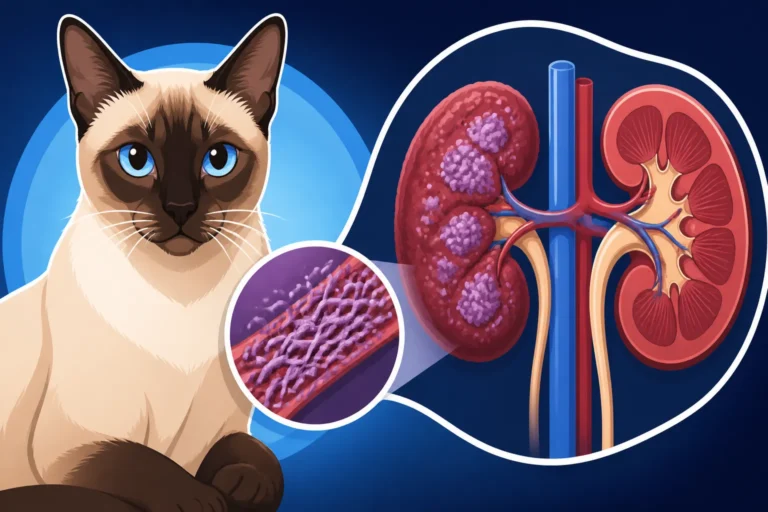
It's a horrifying thought for any cat parent: your vibrant, vocal Siamese suddenly becomes lethargic, perhaps even collapses, and you know deep down this isn't just an upset stomach. A ruptured liver is an incredibly serious event, often associated with an underlying condition called amyloidosis, which is unfortunately common in Siamese cats. This condition causes an abnormal protein, amyloid, to deposit in various organs, with the liver being a prime target. Over time, these deposits weaken the liver tissue, making it fragile and prone to tearing.
The Silent Danger of Internal Bleeding
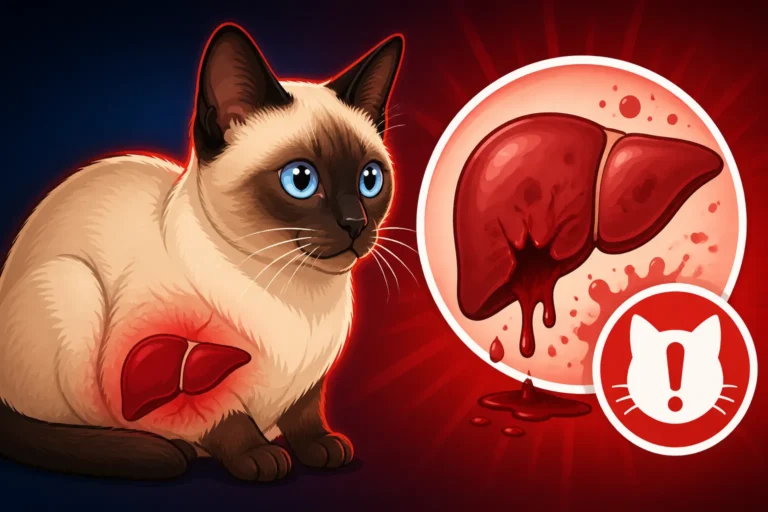
When the liver ruptures, it's not like a visible wound on the outside. Instead, blood spills into the abdominal cavity, leading to internal bleeding. This internal hemorrhage is incredibly dangerous because it can be rapid and substantial, quickly leading to hypovolemic shock – a life-threatening condition where the cat's body doesn't have enough blood to circulate effectively. The silence of this internal bleed makes it all the more insidious; you might not see blood, but the internal damage is catastrophic. The cat's body attempts to clot the blood, but if the rupture is large, or if the clotting factors are also compromised due to liver disease, it's often an uphill battle. This is part of the heartbreaking reality of Why a Siamese Cat's Liver Can Rupture Without Warning.
Recognizing the Urgent Signs of Liver Rupture
Spotting a ruptured liver requires a keen eye and understanding of your Siamese cat's unique behaviors, as they are masters at hiding pain. The initial signs can be subtle, but they escalate quickly. You might notice sudden weakness, extreme lethargy, or an unusual disinterest in food and play. As the internal bleeding progresses, your cat may become pale around the gums, indicating anemia from blood loss. Their breathing might become rapid and shallow, and their heart rate could increase as their body tries to compensate for the lack of circulating blood.
Other distressing signs include a distended abdomen, which feels taut and painful to the touch, due to the accumulation of blood. Your Siamese might refuse to move, cry out if touched, or simply curl up in a quiet, secluded spot, trying to cope with the immense discomfort. Vomiting or diarrhea can also occur, though these are less specific. If you see any combination of these symptoms, especially sudden collapse or profound weakness, it's not a "wait and see" situation. This is a dire emergency, and every second counts. Understanding Signs a Siamese Cat Has Liver Amyloidosis can sometimes give you a heads-up to potential risks, but often, the rupture is the first dramatic sign of the underlying issue.
Immediate Veterinary Care: Stabilizing Your Siamese Cat
Once you recognize the severity of the situation and rush your Siamese to the vet, the immediate focus is entirely on stabilization. Your veterinary team will leap into action, knowing that a ruptured liver means critical internal bleeding that must be addressed swiftly to save your cat's life. This initial phase is all about supporting vital functions and buying time to properly diagnose and treat the source of the hemorrhage.
The Critical Role of Emergency Triage
Upon arrival, your cat will undergo rapid triage. This isn't just a quick peek; it's a systematic assessment of their breathing, heart rate, gum color, and overall responsiveness. The vet or a vet tech will immediately check for signs of shock: weak pulses, cold extremities, rapid breathing, and a depressed mental state. They’ll quickly place an intravenous (IV) catheter, usually in a front leg, to establish a direct route for life-saving fluids and medications. This initial frantic period is crucial. They're trying to determine just How a Vet Stabilizes a Bleeding Siamese Cat and prioritize interventions to keep your cat alive in the short term. The initial shock can be overwhelming for pet parents, but trust that the emergency team is working with incredible speed and focus.
Fluid Therapy and Blood Transfusions
One of the cornerstones of stabilizing a cat with internal bleeding is aggressive fluid therapy. Large volumes of intravenous fluids are given to help increase blood pressure and support circulation. However, fluids alone cannot replace lost red blood cells, which carry oxygen. This is where blood transfusions become absolutely vital. If your Siamese is severely anemic due to significant blood loss, a transfusion of packed red blood cells or whole blood may be necessary. This can be a game-changer, providing the oxygen-carrying capacity the body desperately needs and often bringing a cat back from the brink.
Finding suitable blood can sometimes be a challenge, especially in an emergency, though many larger veterinary hospitals have blood banks or a list of donor cats. The cost of these transfusions can be significant, which is why having pet insurance like Healthy Paws can provide a huge relief during such a critical and expensive emergency. They help to make sure that the best care, including transfusions, isn't held back by financial concerns.
Pain Management and Shock Treatment
A ruptured liver is incredibly painful. Managing this pain isn't just about comfort; it's essential for stabilization. Pain causes stress, which can worsen shock and further destabilize an already critical patient. Your vet will administer strong, fast-acting pain medications, often opioids, to provide immediate relief. Concurrently, they'll continue to treat shock with a combination of fluids, potentially blood products, and sometimes medications to support blood pressure. Oxygen therapy is also commonly initiated to ensure that what little red blood cells remain are as effective as possible at delivering oxygen to vital organs. This comprehensive approach is designed to stabilize your Siamese enough to allow for further diagnostic steps and, hopefully, definitive treatment.
Diagnostic Steps: Confirming a Ruptured Liver
Once your Siamese cat is stabilized to the best of the veterinary team's ability, the next critical phase involves confirming the ruptured liver and assessing the extent of the damage. This usually involves a combination of blood tests and advanced imaging. This step is about understanding precisely what you're up against, because as terrifying as it is, you can't treat what you don't fully understand.
Bloodwork That Reveals the Severity
A complete blood count (CBC) and a biochemistry panel are indispensable. The CBC will show the severity of anemia, which directly reflects the amount of blood loss. Low red blood cell counts, hematocrit, and hemoglobin are classic indicators. The biochemistry panel will give insights into liver function and other organ health. Elevated liver enzymes, while common in liver disease, might not be the most telling sign in an acute rupture. More indicative will be signs of shock affecting other organs, and potentially issues with clotting factors, which the liver produces.
Beyond these, a coagulation panel is absolutely critical. This blood test assesses how well your cat's blood clots. If clotting factors are low or dysfunctional, the internal bleeding will continue unabated, making surgical intervention much riskier. Understanding Which Blood Values Flag Amyloidosis in a Siamese Cat can be beneficial, but in an emergency rupture, the immediate focus is on blood loss and clotting ability rather than a definitive amyloidosis diagnosis. These tests provide a snapshot of your cat's internal state, guiding immediate treatment decisions.
Imaging: Ultrasound and X-Rays to Pinpoint the Problem
Imaging is perhaps the most direct way to confirm a ruptured liver and assess the extent of the bleeding. X-rays can show fluid (blood) in the abdomen, often appearing as a generalized hazy density, but they don't give fine detail of the organs themselves. An abdominal ultrasound, however, is the gold standard. A skilled sonographer or veterinarian can visualize the liver, identify the site of the rupture, and estimate the amount of free fluid (blood) in the abdomen.
The ultrasound allows them to see the abnormal, often enlarged and friable liver tissue characteristic of amyloidosis. They can also check other organs for amyloid deposition or signs of damage. Sometimes, a focused assessment with sonography for trauma, known as a FAST scan, is performed rapidly in emergency situations to quickly identify free fluid. The clarity provided by ultrasound is invaluable, as it helps determine if surgery is even a viable option and where the most critical damage lies. This detailed imaging helps answer questions like Whether an Ultrasound Finds Siamese Cat Amyloidosis and guides the surgical team.
Surgical Intervention: Repairing the Damage
For many Siamese cats suffering from a severe liver rupture, surgery offers the best, and often only, chance for survival. It's a daunting prospect, but it's where the veterinary team directly addresses the internal bleeding and attempts to repair the damaged liver.
When Surgery Becomes Necessary
Surgery is typically recommended when the internal bleeding is significant and ongoing, and medical management (fluids, blood transfusions) alone isn't enough to stabilize the cat. If diagnostic imaging clearly shows an active hemorrhage or a large tear in the liver, surgical exploration becomes imperative. The goal is to stop the bleeding, remove any devitalized tissue, and if possible, repair the liver lobe. This is a life-or-death decision, and your vet will discuss the risks and benefits openly, knowing the prognosis can be guarded. The underlying condition, amyloidosis, makes the liver tissue very fragile, which can complicate surgical repair. This is a terrifying conversation for any pet parent, but understanding the severity of How Fast a Siamese Cat Dies From a Liver Bleed often clarifies the necessity of such a drastic step.
The Complexities of Liver Surgery in Cats
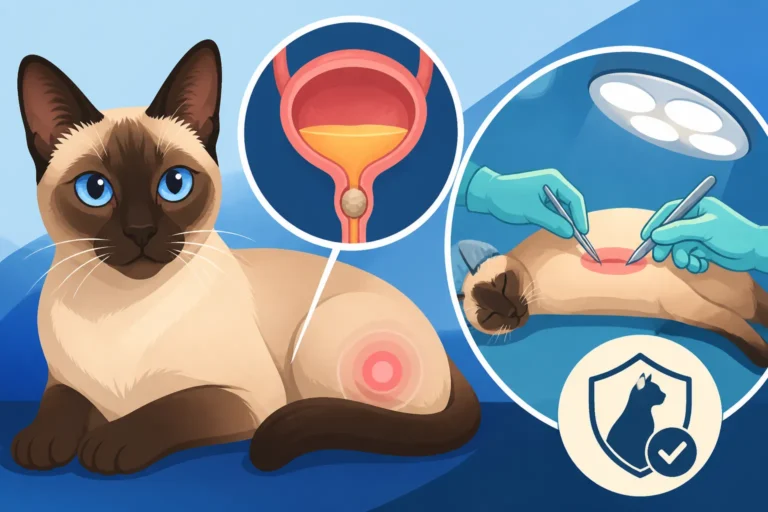
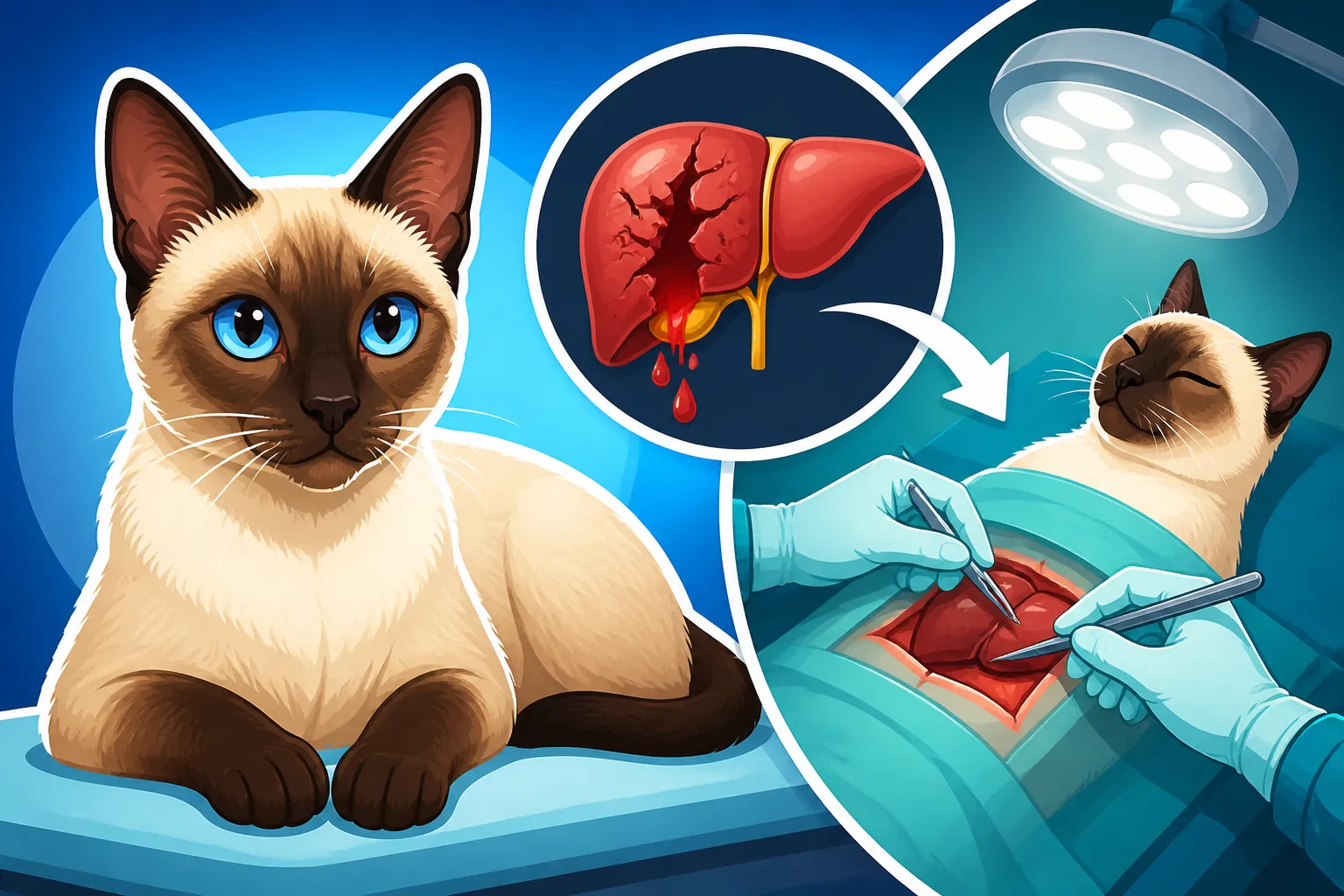
Feline liver surgery, particularly for a ruptured lobe, is incredibly delicate and complex. The liver is a highly vascular organ, meaning it has a rich blood supply, which is why bleeding can be so severe. The surgeon must work meticulously to ligate (tie off) bleeding vessels and, if possible, remove the affected liver lobe (a procedure called a partial lobectomy). However, the liver affected by amyloidosis can be extremely fragile and crumbly, making sutures difficult to hold and increasing the risk of further tearing during manipulation.
The anesthesia for such a critical patient is also challenging, requiring constant monitoring of blood pressure, heart rate, and oxygen levels. The surgical team will often be performing the procedure while blood transfusions are ongoing. This intensive intervention is what determines Whether a Siamese Cat Survives a Ruptured Liver, and it requires a highly skilled veterinary surgeon and a dedicated support team. Many veterinary specialists who handle such cases have extensive experience with fragile feline patients.
Post-Operative Care and Monitoring
The journey doesn't end when your Siamese cat leaves the operating room. Post-operative care is just as critical as the surgery itself. Your cat will be placed in intensive care, where they'll be closely monitored for continued bleeding, signs of infection, and overall recovery. Pain management will continue, often with constant rate infusions of pain medication. IV fluids, antibiotics, and sometimes medications to protect the stomach lining will be administered.
Veterinary technicians will diligently monitor vital signs, urine output, and watch for any changes in the abdomen that might suggest renewed bleeding or other complications. Recovery is often slow, and the first few days post-surgery are the most critical. This is a period of immense anxiety for pet parents, but the dedicated care your cat receives from the vet staff is paramount.
Post-Surgical Recovery and Long-Term Management
Bringing your Siamese cat home after liver surgery is a huge milestone, but it also marks the beginning of a prolonged recovery period. It’s a time for diligent home care, patience, and continued veterinary oversight to ensure the best possible outcome.
Managing Complications and Relapse Risk
Even with successful surgery, the risk of complications remains. These can include infection at the surgical site, delayed wound healing, or the disheartening possibility of another rupture in a different part of the liver if the underlying amyloidosis is widespread. Your vet will provide clear instructions on recognizing signs of trouble, such as persistent lethargy, vomiting, fever, or a swollen abdomen. It’s a delicate balance, as you want to monitor closely without over-stressing your recovering cat.
The fragility of the remaining liver tissue is a constant concern. While surgery can resolve the immediate bleeding crisis, it doesn't cure amyloidosis. The amyloid protein can continue to deposit, potentially leading to further damage in the liver or other organs like the kidneys. This emphasizes the need for careful, long-term management to slow the progression of the disease. This is where a pet insurance policy from a provider like Healthy Paws can truly alleviate the burden of ongoing medical costs, covering diagnostics and treatments for potential complications.
Nutritional Support and Lifestyle Adjustments
Proper nutrition is paramount during recovery and for long-term liver health. Your vet will likely recommend a prescription diet formulated to support liver function. These diets are typically restricted in protein and copper, and enriched with antioxidants and L-carnitine, which can help reduce the metabolic burden on the liver. Small, frequent meals may be advised to prevent overloading the digestive system.
Lifestyle adjustments are also key. Your Siamese cat will need a quiet, stress-free environment at home. Restricting activity for several weeks is usually necessary to allow the surgical site to heal properly. No jumping, no rough play, and potentially even keeping them in a confined, safe space. The goal is to minimize any physical stress that could compromise healing or put pressure on the fragile liver. This might feel challenging for an active Siamese, but it’s essential for their recovery. Consider enriching their environment with gentle mental stimulation rather than physical exertion.
Ongoing Monitoring and Follow-Up Care
Regular follow-up appointments with your veterinarian are crucial. These visits will involve physical exams, blood tests (to monitor liver enzymes, red blood cell counts, and kidney function), and sometimes repeat ultrasounds to check the liver's condition. Your vet will be looking for any signs of continued amyloid deposition or new areas of concern. Medications, such as colchicine, are sometimes prescribed long-term to help slow the progression of amyloidosis, although its efficacy in cats is still debated and it’s not a cure.
This ongoing vigilance is essential for managing a chronic condition like amyloidosis. It allows the vet to adjust treatment plans as needed and catch any new issues early. This commitment to long-term care helps ensure the best possible quality of life for your Siamese cat after such a severe health crisis. The long-term prognosis for a cat with a liver rupture due to amyloidosis can vary, but with dedicated care, many can go on to live a comfortable life for some time. Knowing How Long a Siamese Cat Lives After an Amyloidosis Diagnosis can help you prepare for the road ahead.
Coping with the Aftermath and Prevention for Other Cats
Experiencing a ruptured liver with your Siamese cat is emotionally draining and financially challenging. Beyond the medical journey, there's a significant emotional toll, and it raises important questions about preventing such devastating events in the future.
The Emotional Toll on Pet Parents
Witnessing your vibrant Siamese cat suddenly fall ill, facing emergency surgery, and enduring a long recovery is incredibly stressful. It's okay to feel overwhelmed, anxious, and even heartbroken. Pet parents often experience guilt, wondering if they missed early signs or could have done something differently. Remember, amyloidosis is often a silent killer, and a ruptured liver can strike with very little warning, as discussed in Amyloidosis Is the Disease That Kills Young Siamese Cats. You acted quickly and sought the best possible care, which is all any loving pet parent can do.
Lean on your support network – friends, family, and even your veterinary team, who understand the bond you share with your pet. Online forums or local pet loss support groups can also provide a safe space to share your feelings and connect with others who have faced similar challenges. Allow yourself to grieve the potential loss of future time with your cat, even if they recover. The trauma of the event can linger, and acknowledging your emotions is an important part of your own healing process.
Proactive Measures and Genetic Considerations
While you can't entirely prevent amyloidosis from developing, especially given its strong genetic component in Siamese cats, there are proactive steps to consider. For any Siamese cat owner, especially those who have experienced this, regular wellness exams are paramount. These annual check-ups, including routine bloodwork, might provide early indicators of kidney or liver issues, though amyloidosis often goes undetected until late stages. Even so, it allows your vet to track What a Siamese Cat's Yearly Bloodwork Should Cover.
For breeders, the situation is more complex. Because Why Siamese Cat Amyloidosis Is Inherited, responsible breeding practices are crucial. While there is currently no specific DNA test for Siamese cat amyloidosis, ethical breeders strive to understand the lineage and health history of their breeding lines. Avoiding breeding animals from lines with known incidences of early-onset amyloidosis can help reduce the prevalence of this devastating disease. Discussing this openly with your breeder about the health history of the cat's parents and siblings is crucial, as is understanding What a Siamese Cat Breeder Should Have Screened. Educating prospective owners about the breed's predispositions also plays a vital role in preparing them for potential health challenges.
A ruptured liver in a Siamese cat is a harrowing experience, but with swift, decisive veterinary intervention and dedicated post-operative care, survival is absolutely possible. It’s a testament to the resilience of these incredible cats and the dedication of the veterinary professionals who fight for them.
| Treatment Phase | Key Actions | Primary Goals | Potential Costs (Estimate) |
|---|---|---|---|
| Emergency Triage | IV catheter, initial assessment, oxygen | Stabilize vital signs, assess severity | $200 – $800 |
| Stabilization | IV fluids, blood transfusions, pain meds | Combat shock, replace blood, manage pain | $1,000 – $3,000+ (transfusions are costly) |
| Diagnosis | Bloodwork (CBC, chem, coag), ultrasound, X-ray | Confirm rupture, assess damage, rule out other issues | $500 – $1,500 |
| Surgery | Abdominal exploration, lobectomy, hemorrhage control | Stop bleeding, remove damaged tissue | $3,000 – $8,000+ |
| Post-Operative ICU | Intensive monitoring, fluids, pain control, antibiotics | Prevent complications, ensure stable recovery | $500 – $1,500 per day |
| Home Recovery | Special diet, medications, activity restriction | Promote healing, support liver function | $100 – $300 per month (diet/meds) |
Disclaimer
The information provided in this article is for general informational purposes only and is not intended as a substitute for professional veterinary advice, diagnosis, or treatment. Always seek the advice of your veterinarian or other qualified health provider with any questions you may have regarding a medical condition.