What Wichianmat Means in the Siamese Cat’s Homeland
You've just adopted a beautiful Siamese cat, or perhaps you're simply captivated by their striking looks and legendary history, and you've stumbled upon the intriguing term "Wichianmat." It's one of those ancient, evocative names that really sparks your curiosity, making you wonder what deep meaning lies behind it in their native land. Understanding "Wichianmat" isn't just about a linguistic translation; it's about peeling back layers of history, culture, and adoration for a cat breed that has captivated hearts for centuries, and this guide will take you on that journey.
The Literal Translation and Cultural Roots of Wichianmat
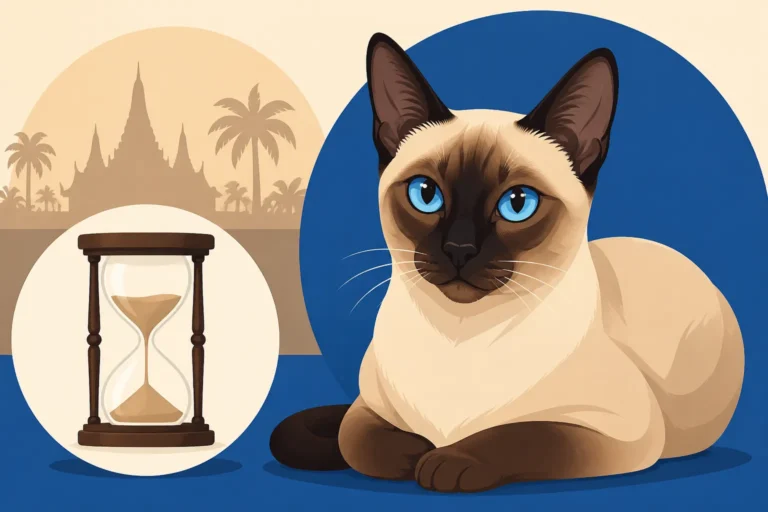
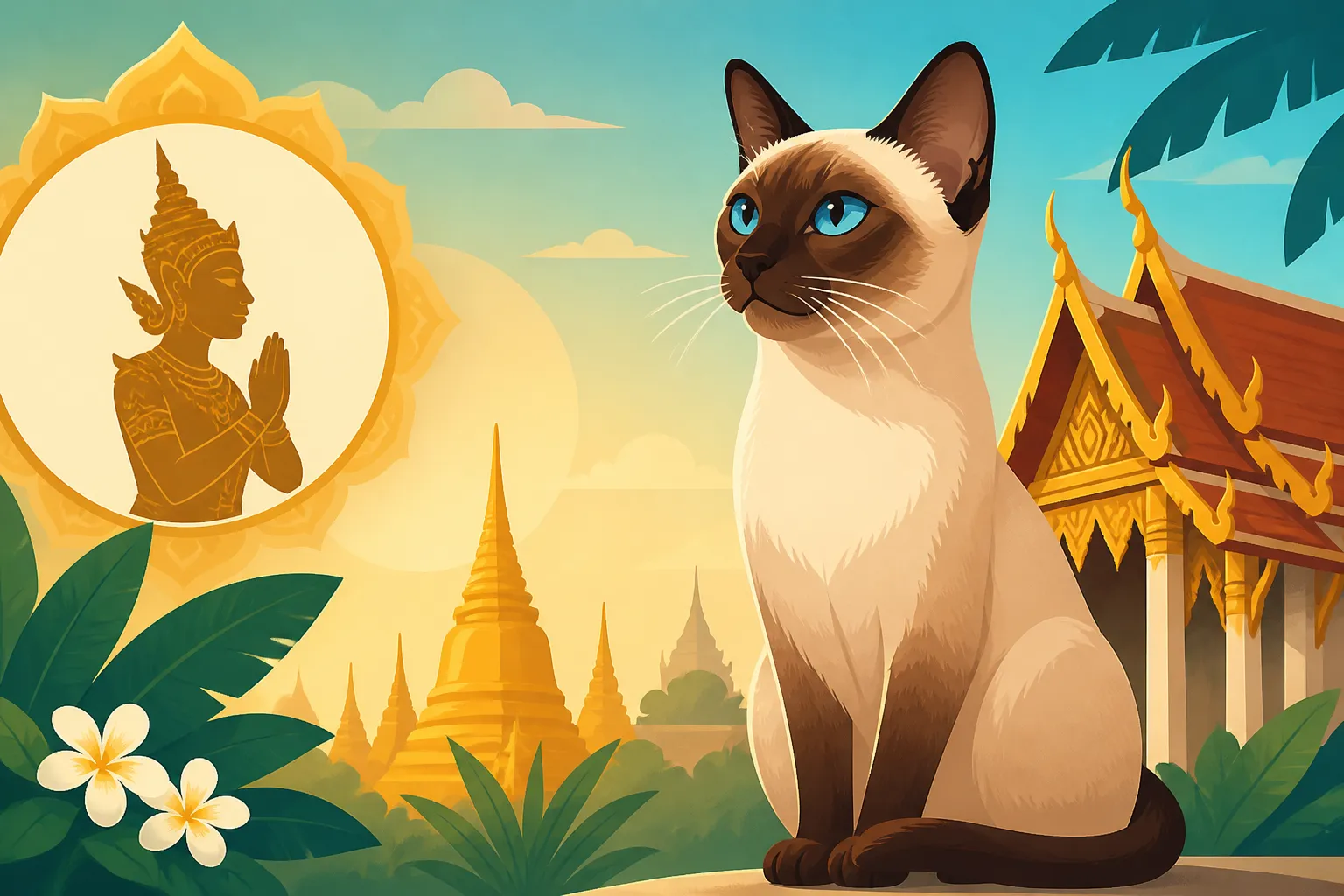
When we talk about the Siamese cat's homeland, we're talking about Siam, which is now Thailand. In the Thai language, the traditional name for what we commonly call a Siamese cat is "Wichianmat" (วิเชียรมาศ). And let me tell you, this isn't just a fancy name; it's a poetic descriptor that perfectly captures the essence of these magnificent felines.
The term "Wichianmat" breaks down into two beautiful components: "Wichian" (วิเชียร) meaning "diamond" or "moon," and "mat" (มาศ) meaning "gold." So, when put together, it translates most commonly to "moon diamond" or "diamond gold." Isn't that just gorgeous? It speaks volumes about how highly these cats were regarded, not just as pets, but as precious jewels in their native culture. Imagine a cat so stunning, so rare, that its very name evokes images of glistening gems and celestial bodies. This wasn't some everyday barn cat; this was a creature of immense value and beauty.
The cultural significance of this name goes deep. In ancient Siam, cats, especially those with unique patterns like the Wichianmat, were considered sacred and brought good luck. They weren't just animals; they were woven into the fabric of daily life, folklore, and even royal traditions. The name reflects this reverence. It suggests purity, preciousness, and an almost ethereal quality, truly fitting for a cat that often appears in vibrant, historic tapestries and texts. Unlike many other breeds that might be named after their geographical origin or a simple physical trait, the Wichianmat name elevates the Siamese cat to a status of profound admiration and mystique. It tells us that these cats weren't just from Siam; they were Siam in a tangible, living form, representing beauty and fortune. This perspective is vital to understanding the original intent behind the breed.
Wichianmat in Ancient Texts: More Than Just a Name
To truly grasp the depth of "Wichianmat," we need to delve into the ancient texts that first described these cats. The most famous of these is the Tamra Maew (meaning "The Cat Book Poems"), an ancient manuscript that originated in Ayutthaya, Siam. This collection of poems and illustrations, believed to date back to the 14th to 18th centuries, describes various types of cats considered lucky or unlucky. Among the lucky cats, the Wichianmat is prominently featured, often with detailed descriptions that perfectly match the Siamese cat we know today.
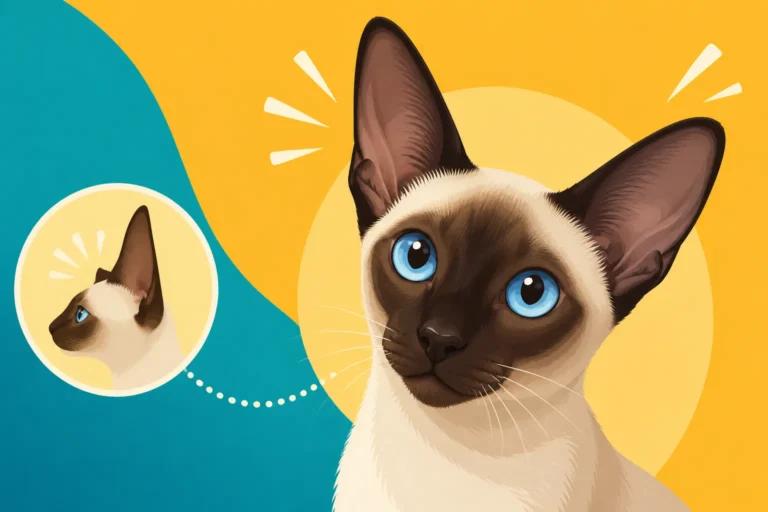
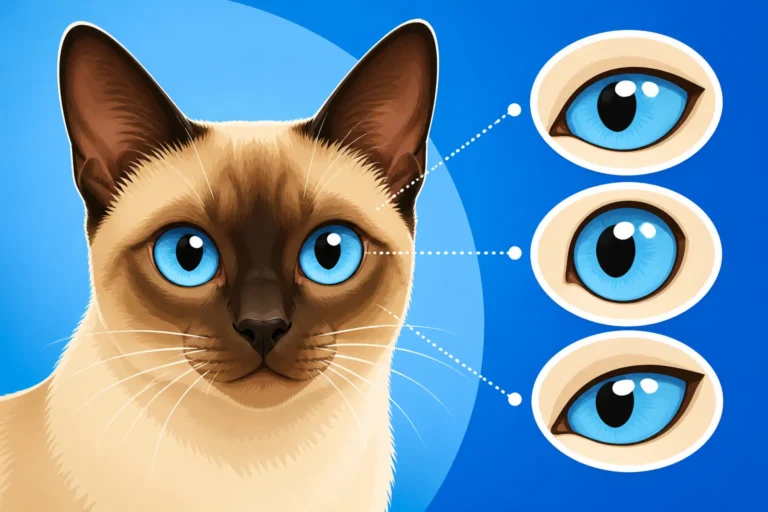
The Tamra Maew paints a vivid picture of the Wichianmat. It describes a cat with a "body like a deep cream," a "tail, ears, and paws like black ebony," and "eyes of sapphire." This description is uncanny, isn't it? It’s a direct reference to the classic seal point Siamese, a cat whose body is a light, creamy color, contrasting sharply with its dark points – ears, face, paws, and tail. And those sapphire eyes? Absolutely unmistakable. These texts aren't just giving them a name; they're detailing their distinctive point coloration, a genetic trait that makes them so unique. What Point Coloration in a Siamese Cat Is helps explain the science behind this beautiful phenomenon.
What's fascinating is how these ancient poems didn't just list characteristics; they imbued these cats with spiritual and symbolic meaning. Owning a Wichianmat was not just a matter of having a beautiful pet; it was believed to bring good fortune, wealth, and protection to the household. Some legends even suggest that these cats were associated with Buddhist temples and royalty, acting as guardians or companions to monks and kings. You can learn more about this in Whether the Siamese Cat Was a Temple Cat and Whether Only Royalty Kept the Siamese Cat. These stories elevate the Wichianmat beyond a mere animal, placing them firmly in the realm of revered beings. The name "moon diamond" thus takes on an even richer layer of meaning: they weren't just beautiful, but were also seen as possessing an inner light and value, much like a precious gem reflecting the moonlight.
From Wichianmat to Siamese: The Evolution of a Breed Name
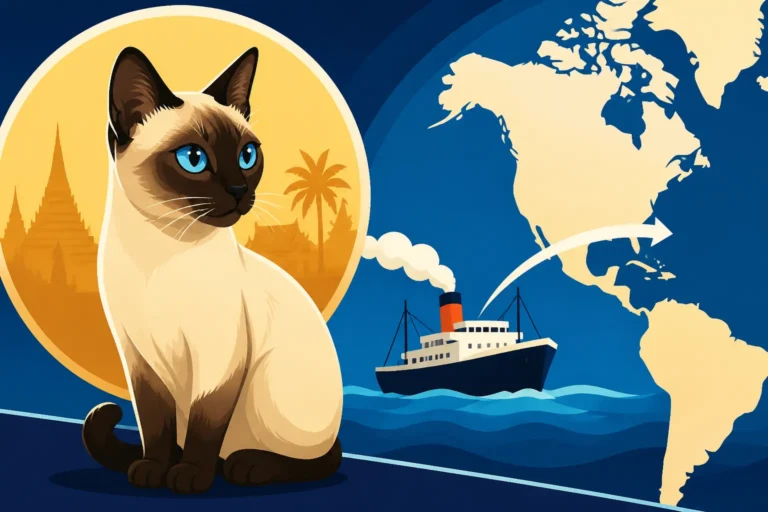
It’s always a curious thing how names change as things travel across cultures and continents, and the Wichianmat becoming the "Siamese cat" is a classic example. When these stunning cats first arrived in the Western world, particularly in Britain and America in the late 19th century, they brought their exotic charm and distinctive looks with them. However, their traditional Thai name, Wichianmat, didn't quite stick.
Instead, they were named after their country of origin: Siam. This was a common practice back then – think about Persian cats or Russian Blues. It was simpler, more accessible for Westerners, and immediately conveyed their foreign, exotic provenance. The first pair of Wichianmat cats to be shown in England, Pho and Mia, at the Crystal Palace Cat Show in 1884, were essentially marketed as "cats from Siam," and the name "Siamese" quickly caught on. Who Brought the First Siamese Cat to Britain shares more on this historical journey.
This shift in naming wasn't a dismissal of the cat's inherent value or beauty, but rather a practical adaptation for a new audience. While "Wichianmat" beautifully encapsulates their appearance and spiritual significance in Thai culture, "Siamese" served as a clear geographic marker for those unfamiliar with the breed's deeper cultural context. It allowed for easier classification and recognition in a rapidly developing Western cat fancy. Over time, "Siamese" became the universally accepted name in the West, though the original term "Wichianmat" continued to be used and cherished in Thailand. It's important to remember that the cat itself hasn't changed; only the name we use to refer to it has adapted to different linguistic and cultural landscapes. Understanding this helps us appreciate the dual identity of these wonderful cats.
Here’s a quick comparison of the names:
| Feature | Wichianmat (Thai Origin) | Siamese (Western Origin) |
|---|---|---|
| Literal Meaning | Moon Diamond, Diamond Gold | From Siam |
| Cultural Context | Sacred, brings good luck, royal | Exotic, elegant, unique |
| Emphasis | Appearance, preciousness | Geographic origin |
| Usage | Traditional, cultural | International, breed standard |
| Primary Audience | Thai speakers, historical texts | Western cat fanciers, general public |
The Enduring Legacy of Wichianmat in the Modern Siamese Cat
Even though most of us in the West call them Siamese cats, the spirit of "Wichianmat" continues to resonate deeply within the breed today. When you look at a modern Siamese, with their striking point coloration, brilliant blue eyes, and sleek body, you're seeing the living embodiment of those ancient descriptions. The "moon diamond" name isn't just a historical footnote; it’s a genetic blueprint, a testament to the specific traits that have been cherished and preserved for centuries. What a Siamese Cat Looks Like by the Standard outlines these enduring characteristics.
The genetic trait that creates the point coloration, where pigment only develops in cooler parts of the body, is what makes a Siamese a Wichianmat. Their warmer core stays lighter, while their extremities—ears, nose, paws, and tail—become distinctly darker, like precious ebony against cream or silver. This temperature-sensitive gene is truly remarkable and is the reason why a Siamese cat kitten is born white and develops its points as it grows and is exposed to cooler temperatures. You can dive deeper into this fascinating aspect in How Temperature Controls a Siamese Cat's Color. This unique genetic characteristic is what makes them literally "moon diamond" cats, constantly displaying their inherent value through their coat pattern.
Modern breeders, whether they call their cats Wichianmat or Siamese, are still striving to maintain the health and beauty that captivated ancient Siamese royalty. When you’re looking for high-quality food or enrichment items for your Siamese, retailers like Chewy often carry products specifically designed for active, intelligent breeds like these, helping them thrive. From interactive toys to specialized diets, understanding their energetic nature, a trait hinted at even in ancient texts that depicted them as alert and active, helps owners provide the best care.
Furthermore, the "Wichianmat" identity helps us appreciate the historical journey of the breed. It reminds us that these cats are not just another pedigree; they carry a rich lineage and cultural heritage. When we see a Siamese, we're not just observing a pet; we're connecting with centuries of admiration, legend, and careful breeding. It’s a powerful connection to history, and it makes caring for these cats even more meaningful. Whether you're a seasoned Siamese owner or contemplating bringing one into your home, remembering the "Wichianmat" name gives you a deeper appreciation for the precious, diamond-like quality of these incredible feline companions. Even though we might just type "Siamese cat food" into Chewy, knowing its deeper roots connects us to a richer story. What Thai People Call the Siamese Cat Today shows how this historical name is still alive and well in their native land.
Disclaimer
This article is for general informational purposes only and does not constitute professional advice. Laws, prices and regulations vary by location and change over time. Consult a qualified professional for guidance on your specific situation.