Whether a Siamese Cat Ever Carried a Royal Ring
Many of us who adore Siamese cats have heard the whispers and seen the beautiful imagery: these elegant felines, with their striking blue eyes and graceful forms, were once the companions of royalty, guardians of temples, and even protectors of precious jewels. It’s a captivating thought, isn't it? The idea of a Siamese cat, diligently holding a royal ring on its kinked tail, or staring intently with its crossed eyes to guard sacred artifacts, paints a vivid picture of ancient Siam. But how much of this lore is romanticized myth, and how much is rooted in historical fact? This guide will dive deep into these enchanting legends, explore the historical context of the Siamese cat's esteemed place in its homeland, and separate fact from the beautiful fiction that has shaped our understanding of this magnificent breed.
Unpacking the Legend of the Royal Ring
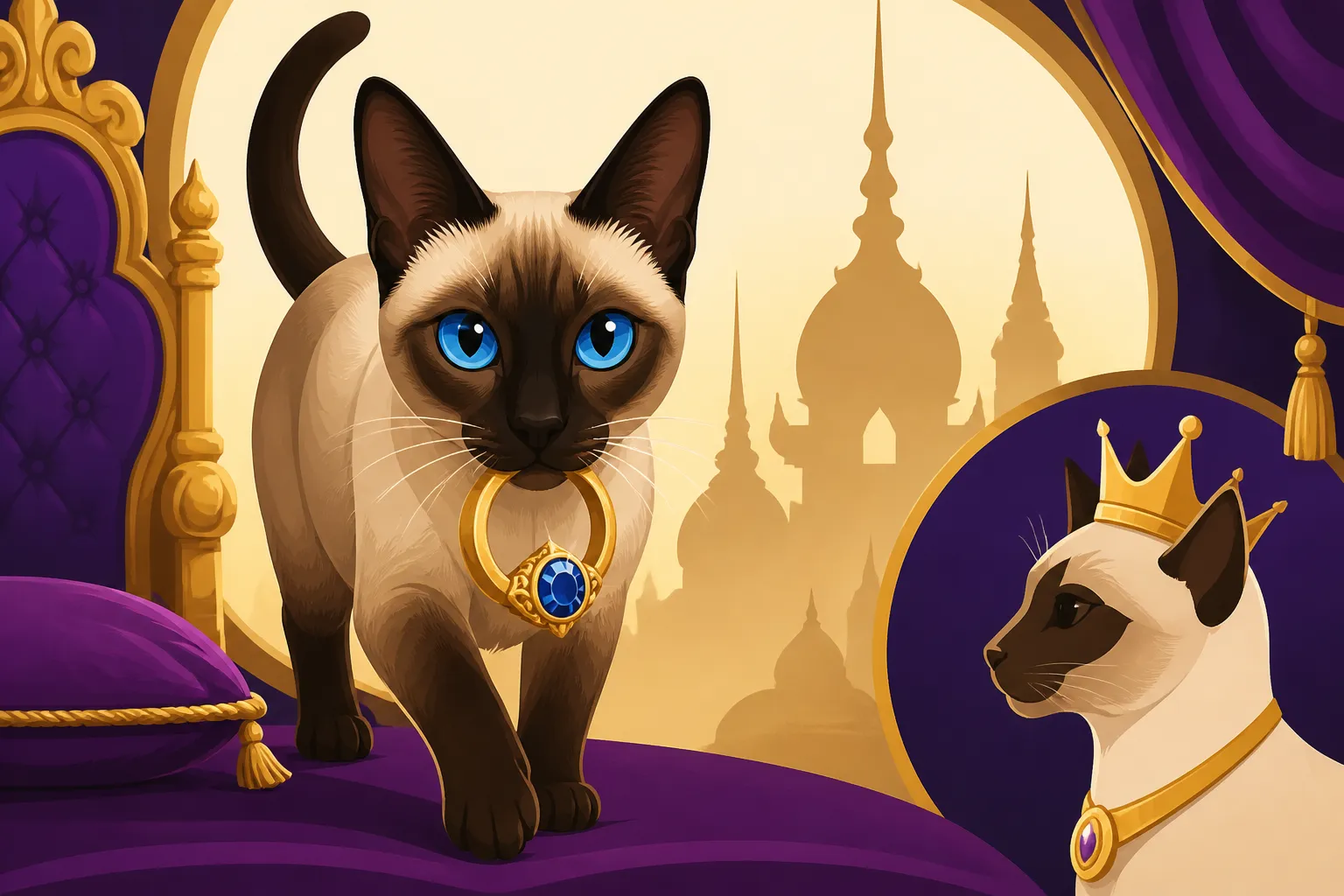
The specific image of a Siamese cat carrying a royal ring on its tail is one of the most enduring and charming legends associated with the breed. It speaks to a certain mystique, a bygone era where these cats were not just pets, but integral, almost mystical, members of the royal court or sacred temple grounds. The legend typically describes princesses or monks entrusting their valuable rings to the cat's tail, which would then develop a kink from holding the jewelry so faithfully. This kink, along with their characteristic crossed eyes, became a physical manifestation of their dutiful service and unwavering loyalty.
Imagine a princess, perhaps in a lavish palace in ancient Ayutthaya, preparing for her bath. She removes her precious rings, perhaps adorned with rubies or emeralds, and rather than leaving them on a cold stone surface, she places them on the tail of her devoted Siamese cat. The cat, being incredibly attentive and loyal, wraps its tail around the rings, holding them securely while she bathes. Over generations, the story goes, this act of duty led to the distinctive kink in the Siamese tail, a charming genetic trait now celebrated as part of their unique appeal. Similarly, the crossed eyes were said to develop from continuously gazing at the royal family or the sacred artifacts they were tasked to guard, never wanting to miss a movement or a potential threat. It's a testament to the human imagination and our desire to find profound, even magical, explanations for the things we cherish.
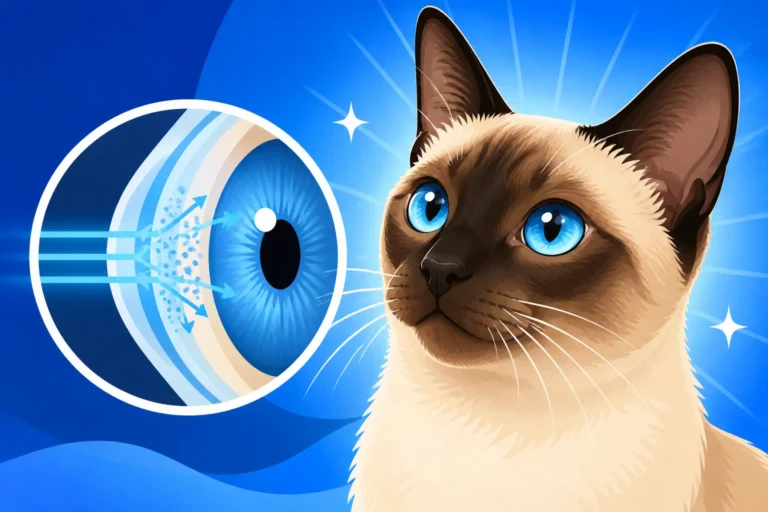
While these stories are undeniably heartwarming and add to the romantic allure of the breed, it's important to remember they are folklore, not historical accounts. The physical traits like the kinked tail and crossed eyes are actually genetic characteristics of the breed. For instance, the crossed eyes, or strabismus, are a result of the same genetic mutation that causes their unique point coloration. Why a Siamese Cat's Eyes Cross further explains the scientific reasons behind this captivating feature. These traits were once very common and even celebrated, leading to these beautiful legends.
The Ancient Roots of Siamese Cat Mystique
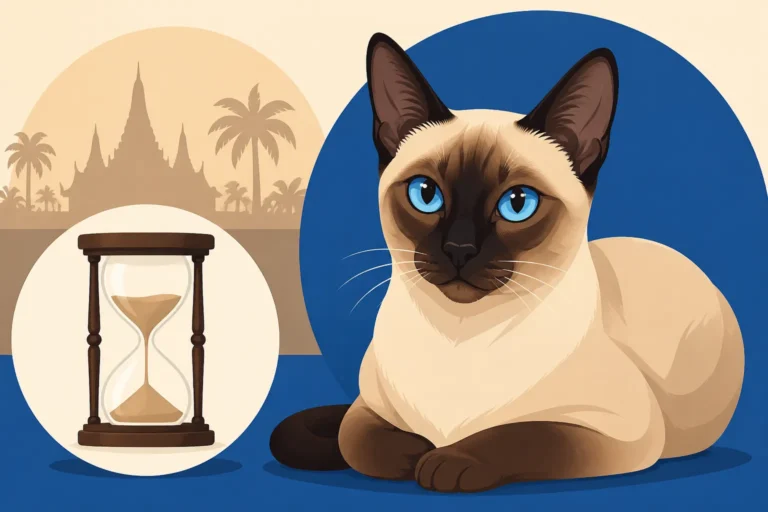
Even if the royal ring legend isn't literally true, it certainly captures the spirit of how highly regarded Siamese cats were in their native Siam (now Thailand). These cats weren't just common alley cats; they held a special, almost sacred, place in society. Historical texts and ancient manuscripts like the "Tamra Maew," or "Cat-Book Poems," attest to this. What the Tamra Maew Says About the Siamese Cat provides a fascinating look into these ancient writings, which describe various revered cat breeds, including what we now recognize as the Siamese. These cats were certainly associated with royalty and temples, symbolizing good luck, protection, and grace.
The idea that only royalty kept the Siamese cat is a popular notion, and while they were certainly cherished by the elite, it might be an oversimplification. They were considered precious, certainly, but their exact distribution among social classes is harder to pin down definitively. However, their presence in royal palaces and temples elevated their status far beyond that of a typical household pet. They were believed to possess unique qualities, perhaps even spiritual ones, and their striking appearance only enhanced this perception. Their distinctive voices, often described as a "meezer yowl," were also part of their captivating presence, making them impossible to ignore. A Siamese cat in a quiet palace certainly made its presence known!
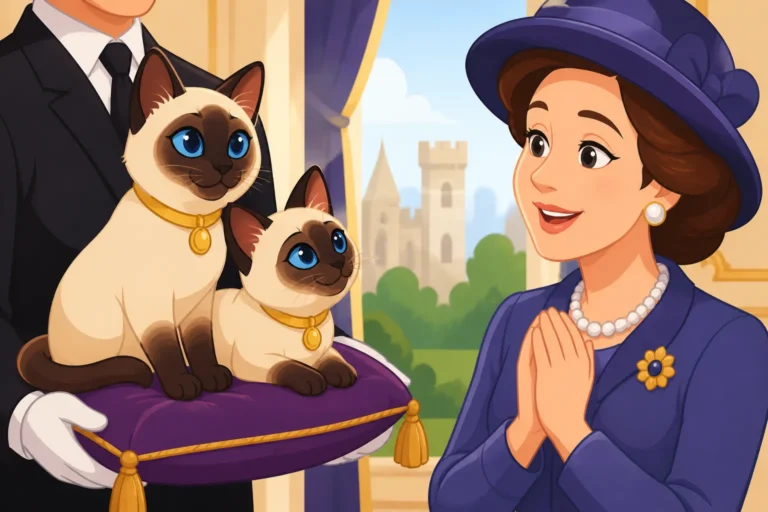
The cats from Siam were eventually introduced to the Western world, where their exotic beauty and intelligent personalities quickly captivated cat fanciers. The first recorded Siamese cat in the United States, named Siam, was even gifted to President Rutherford B. Hayes's wife in 1878, a true testament to their royal connections. This early association with high-status individuals helped solidify their reputation as a breed of prestige and distinction, carrying forward the echoes of their ancient, revered past. When you see modern-day Siamese cat products on platforms like Chewy, it's a far cry from ancient palaces, but the underlying affection and admiration for the breed remain unchanged.
Physical Traits and Folklore: The Siamese Cat's Unique Appearance
The physical characteristics that inspired these royal legends, specifically the kinked tail and crossed eyes, are deeply ingrained in the Siamese breed's history. For generations, these traits were not seen as flaws but as charming eccentricities, distinguishing the Siamese from other felines. The folklore provided a romantic narrative for these unique features, making them even more endearing to their human companions. It was a way to explain what was observed, weaving a magical tapestry around their distinctive looks.
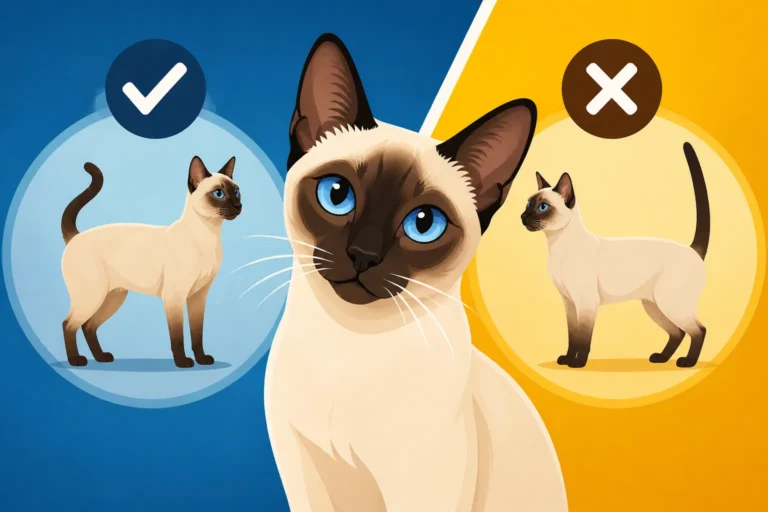
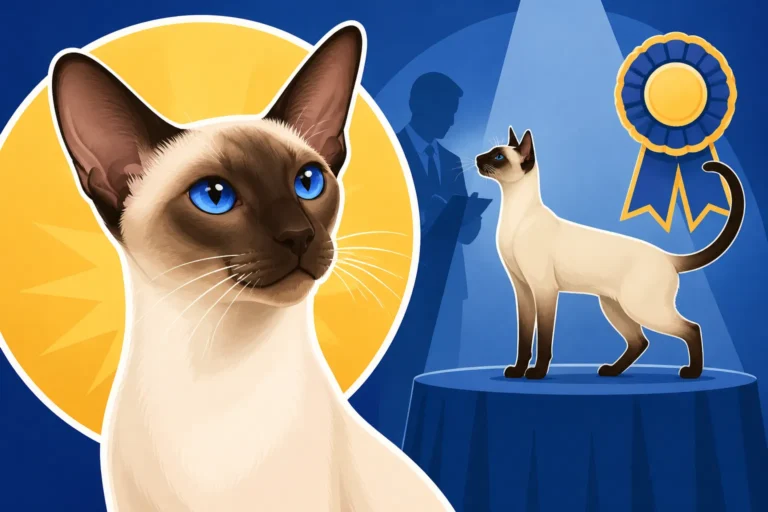
Consider the kinked tail. While the legend attributes it to holding royal rings, the reality is that it's a genetic anomaly, often a harmless vertebral defect. Historically, many Siamese cats exhibited this trait, and it was even mentioned in early breed standards. However, as Western breeding standards evolved, the kinked tail gradually became considered a fault, and breeders actively worked to eliminate it. Today, a purebred show Siamese cat is unlikely to have a kinked tail, though it can still appear in less strictly bred lines or rescue cats. For a deeper dive into the specific legend, check out The Temple Legends Behind a Siamese Cat's Kinked Tail. The allure of the legend, however, still resonates, reminding us of a time when these quirks were part of their charm.
Similarly, the crossed eyes of a Siamese cat, which folklore suggested came from intently watching royalty, are a result of a genetic link between their albinism gene (which gives them their point coloration) and their vision. This genetic peculiarity affects the optic nerves, causing their eyes to cross. While it doesn't generally impair their vision severely, it's another striking feature that sets them apart. Like the kinked tail, modern breeding has largely aimed to reduce the prevalence of severely crossed eyes, but milder forms can still be seen. It's a fascinating example of how a breed's genetic makeup can inspire such rich storytelling and contribute to its iconic image.
Let's look at some of these legendary traits versus what we know today:
| Legendary Trait | Folklore Explanation | Modern Understanding | Status in Modern Breeding |
|---|---|---|---|
| Kinked Tail | Formed from holding royal rings or guarding treasures | Genetic vertebral anomaly, generally harmless | Considered a fault |
| Crossed Eyes (Strabismus) | Developed from intently staring at royalty or objects | Genetic link between albinism gene and optic nerve pathways | Generally discouraged |
| Loyalty & Vigilance | Natural guardians of royalty and temples | Highly intelligent, social, and attentive breed | Highly prized |
| Vocal Nature | Communicating warnings or royal desires | Innate characteristic, known as the "meezer yowl" | Signature trait |
From Myth to Modernity: Appreciating the Siamese Cat Today
While the romantic legends of royal rings and temple guardianship are indeed myths, they have undoubtedly shaped the Siamese cat's enduring mystique and appeal. They remind us of a time when these animals were viewed with reverence and awe, not just as pets, but as creatures with unique roles and deep connections to human society. This rich backstory contributes to why Siamese cats continue to captivate so many of us, making them one of the most recognizable and beloved breeds globally.
Today, we appreciate Siamese cats for their intelligence, their intensely social nature, and their famous "talkativeness." They are not just beautiful creatures; they are active participants in our lives, demanding attention and giving boundless affection in return. What a Siamese Cat's Temperament Is Really Like explains just how engaging and interactive these cats truly are. Their tendency to "talk" to you, to follow you from room to room, and to involve themselves in everything you do, is a testament to their desire for connection, a trait that might have been interpreted as royal duty in ancient times.
Caring for a Siamese cat today means providing them with plenty of mental and physical stimulation. They are highly intelligent, and a bored Siamese cat can sometimes invent their own "duties," which might not always align with your household rules! Toys, puzzle feeders you might find on Chewy, and interactive play sessions are crucial for keeping their clever minds engaged. They thrive on companionship, and many owners find that a second cat, or even a very cat-friendly dog, can provide the interaction they crave when you're not available. A Siamese Cat Should Not Live Alone offers more insight into their need for companionship.
The legends, while not factual accounts, serve as beautiful metaphors for the Siamese cat's personality: loyal, watchful, and utterly captivating. They are a breed that demands attention, and once you welcome one into your home, you'll understand why these cats have inspired such enchanting tales for centuries. They may not guard your rings on their tails anymore, but they will certainly guard your heart.
Disclaimer
This article is for general informational purposes only and does not constitute professional advice. Laws, prices and regulations vary by location and change over time. Consult a qualified professional for guidance on your specific situation.