What People Get Wrong About the Siamese Cat
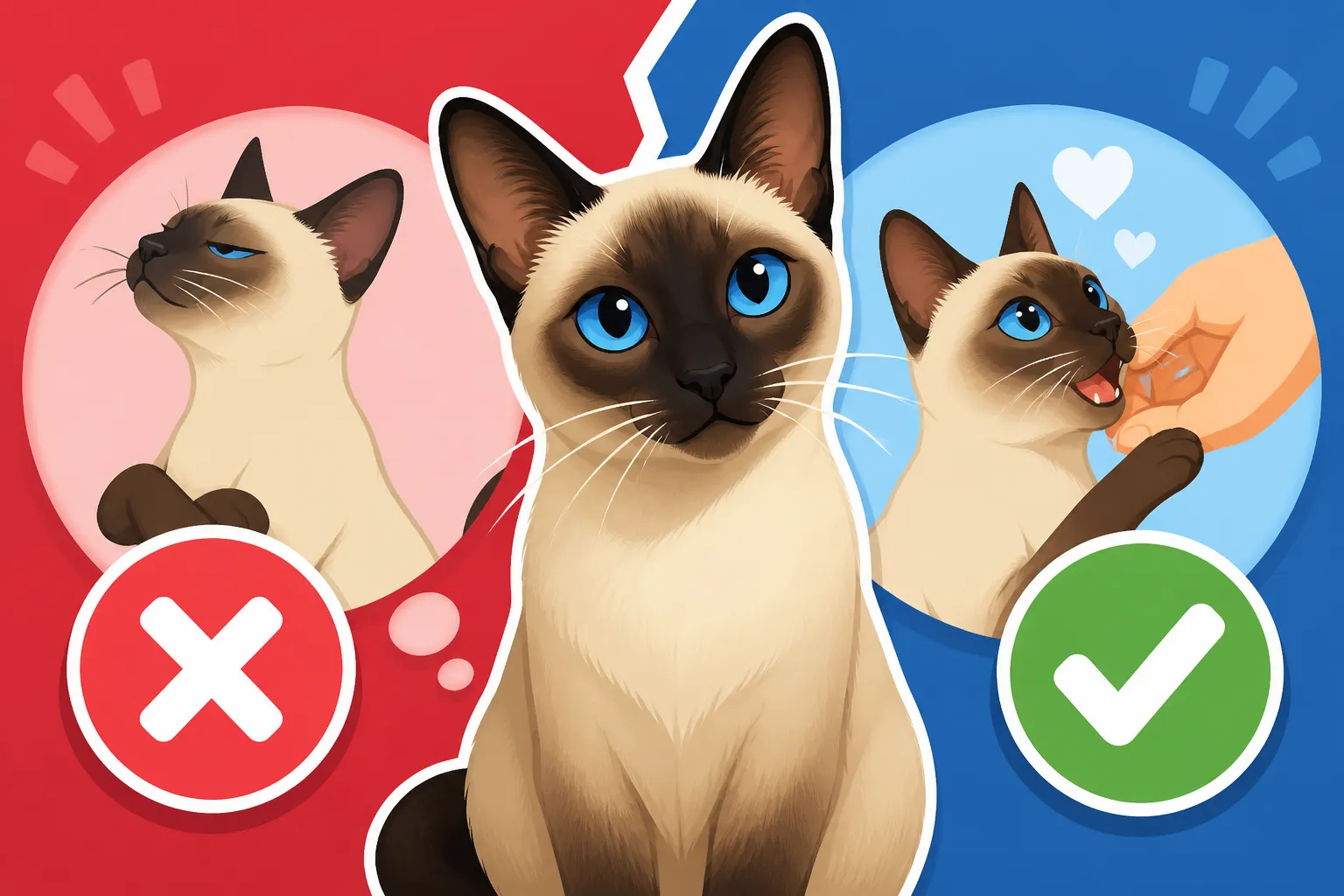
A Siamese cat’s blue eyes, dark points and famously expressive voice can make the breed seem easy to sum up. But stereotypes often leave new owners surprised: not every Siamese is loud, every slender cat is not necessarily a show type, and a breed label cannot predict one cat’s health or personality. This guide separates common assumptions from what living with an individual cat is really like.
Siamese cats are more varied than the stereotype suggests
Not every Siamese cat is a constant talker
Siamese cats have a reputation for being vocal, and many are. Some greet their people at the door, call from another room or have a whole conversation when dinner is late. That reputation can be useful to know before adopting: a vocal cat may be a poor fit for someone who needs a very quiet home, especially if neighbors share thin walls.
Still, a breed tendency is not a guarantee. Some Siamese cats are chatty all day; others communicate with a few short meows, chirps or body-language cues. Age, temperament, surroundings and routine all play a part. A cat that meows more during a move, a change in household schedule or a period of stress may be reacting to circumstances rather than displaying a fixed breed trait.
It also helps to consider what a cat is trying to communicate before treating every sound as a nuisance. Hunger, a closed door, a request for play or a need for attention are common reasons for meowing. A sudden change in voice or vocal behavior, especially in an older cat, may deserve a conversation with a veterinarian rather than an assumption that the cat is simply being “more Siamese.” For more on the range of vocal habits, see Whether Every Siamese Cat Is Vocal and How Loud a Siamese Cat Is.
Not every cat with points is a Siamese
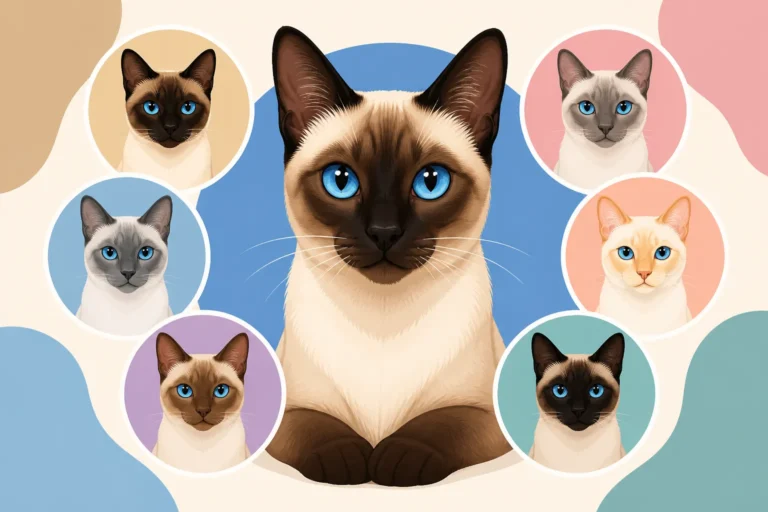
The classic Siamese look includes a pale body, darker color on the face, ears, paws and tail, and blue eyes. But point coloring appears in other cats too, including mixed-breed cats and related breeds. A cat can resemble a Siamese without having a documented Siamese pedigree, and appearance alone cannot reliably establish ancestry.
Breed names can also be confusing. The Thai cat is recognized separately by some registries as a breed with a more traditional appearance, while “traditional Siamese” is sometimes used informally. Those labels do not mean the same thing in every setting. If you are comparing cats from breeders, rescues or breed clubs, ask what the terms mean in that particular context instead of relying on a photo or a social media description. What the Thai Cat Is Next to a Siamese Cat explains the distinction in more detail.
A DNA test may offer information about ancestry, but it is not the same as registration papers or a definitive visual diagnosis. If a cat’s background matters to you, ask for records and an explanation of how the breeder or organization uses breed terminology. For many adopters, the more useful question is not “Is this cat purebred?” but “What does this individual cat need, and can I provide it?”
A Siamese cat is not one exact look or personality
The breed’s appearance has changed over time
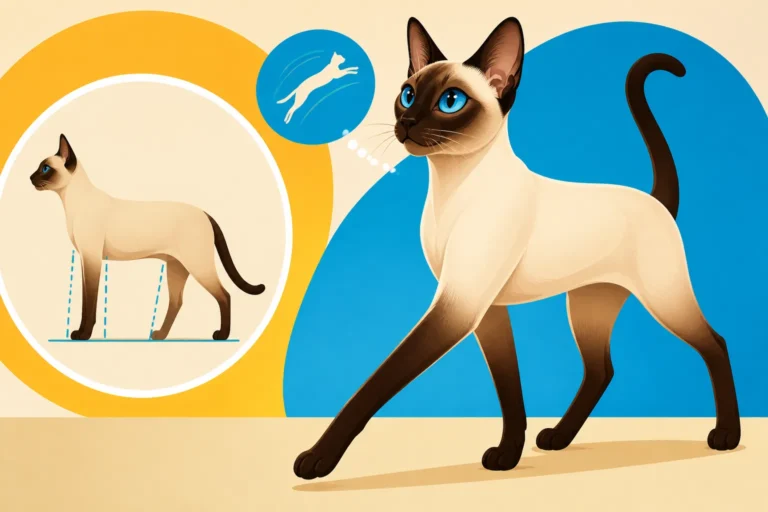
People sometimes picture the Siamese as one fixed shape: either the fine-boned, long-headed show cat or a rounder, sturdier cat described as “applehead.” In reality, Siamese appearance has shifted through selective breeding, and different registries and breeders may emphasize different features. The history behind those changes is part of why people can look at two cats and both confidently call them Siamese. See How the Siamese Cat's Head Changed Shape in Fifty Years and What a Siamese Cat Looks Like by the Standard.
A cat’s appearance also develops with age. Siamese kittens are born pale, and their darker points become more visible as they grow. Temperature-sensitive pigment contributes to this pattern, so a cat’s coat may not look exactly the same through every season or life stage. That variation is not a sign that the cat is changing breeds or that its color is necessarily a health warning.
Rather than treating one silhouette as the only “real” Siamese, look at the applicable breed standard if you are assessing a pedigreed show cat. If you are adopting a pet, the standard is less important than health, temperament and fit with your household. A lean outline, large ears or a particular head shape does not by itself tell you whether a cat is well cared for or a good match for you.
A breed label cannot predict an individual cat’s temperament
Siamese cats are often described as intelligent, social and strongly attached to people. Those descriptions can be helpful shorthand, but they are not a promise that every cat will behave the same way. One may follow a person from room to room; another may prefer to sit nearby without being held. A kitten raised in a busy home may respond differently to visitors than an adult who has spent years in a quieter household.
It is better to observe the cat in front of you than to plan around a list of breed traits. Ask a rescue or breeder what the cat does when left alone, how it reacts to handling, whether it seeks play, and what situations seem to unsettle it. If you are meeting an adult cat, watch for its own pace: a cat that hangs back at first may simply need time to feel safe.
This is especially important when choosing a Siamese for a first-time owner. A highly social cat can be delightful, but it may also need more interaction and routine than someone expects. It is worth reading Whether a Siamese Cat Suits a First Time Owner and considering whether your schedule and home life fit the individual cat, not just the breed’s reputation.
Common myths about Siamese color and health
Blue eyes and dark points are normal features, not defects
Siamese cats are known for blue eyes and color points, but people sometimes mistake those features for evidence of poor vision, unusual fragility or a special care problem. Blue eyes are a characteristic part of the breed’s appearance. They do not, on their own, tell you that a cat has an eye disease.
Likewise, point coloration is not simply “a Siamese coat that got dirty” or a sign that the cat is unwell. The darker areas develop because pigment production is affected by temperature. A shaved area may grow back darker for a time, and a cat’s coat can darken as it ages. Those changes are different from sudden skin irritation, sores, hair loss or other signs that warrant veterinary attention.
There are also old stories about Siamese cats being expected to have crossed eyes or kinked tails. Those features are not requirements for a healthy modern Siamese, and a striking appearance should not be mistaken for proof that the cat fits a breed standard. If you are curious about the history and traits associated with the breed, The Siamese Cat Came From Siam, Not Thailand offers useful context.
Being a Siamese does not mean a cat will be sick or exceptionally healthy
Both extremes are misleading: it is not accurate to assume that every Siamese cat is destined to develop a serious illness, or that the breed is immune to health problems. Individual risk depends on many factors, including inherited traits, age, environment and routine veterinary care. A breed label can help guide questions, but it cannot diagnose a cat or predict its entire future.
When considering a kitten from a breeder, ask what health information is available for the parents and close relatives. Ask how the breeder handles health concerns in the family line and whether veterinary records can be reviewed. A responsible answer should be specific and transparent, not a vague promise that the cats are “perfectly healthy.” For a broader look at the subject, read How Healthy the Siamese Cat Actually Is.
For an adopted cat, ask what is known about its medical history and what examinations or treatments it has already received. If its history is incomplete, that is not a reason to assume the worst; it is a reason to arrange appropriate veterinary care and build a record over time. Regular checkups and attention to changes in appetite, weight, breathing, litter-box habits or behavior are more useful than trying to guess a cat’s health from its breed alone.
| Common assumption | What is more accurate | What to do |
|---|---|---|
| Every Siamese cat is loud | Vocal habits vary from cat to cat | Ask about the individual cat’s routine and behavior |
| Any pointed cat is a Siamese | Point coloring also occurs in other cats | Look for pedigree records if documented ancestry matters |
| All Siamese cats have the same body shape | Breed appearance has varied across breeding traditions | Check the relevant standard when evaluating a pedigreed show cat |
| Blue eyes mean poor eyesight | Blue eyes are a typical breed feature | Watch for actual changes in vision or eye health |
| A Siamese will inevitably develop a serious illness | Breed-related concerns are not a certainty for every cat | Ask about family history and keep up with veterinary care |
| A Siamese must live with another cat | Social needs differ between individuals | Assess the cat’s behavior, history and time alone |
What Siamese cats need from the people who care for them
Companionship should be planned around the cat, not the stereotype
Because Siamese cats are often described as people-oriented, owners may hear that they must have another cat. A second cat can be a good companion for some households, but it is not a universal fix for loneliness or boredom. The resident cat may prefer human company, may be wary of unfamiliar cats, or may need a careful introduction before sharing space.
Before adopting a second cat, consider the practical and emotional parts of the decision. Do you have room for separate feeding areas, litter boxes and resting spots? Can you manage a gradual introduction if the cats need weeks to adjust? Are you prepared for the possibility that they may tolerate each other rather than become close friends? Whether a Siamese Cat Needs a Companion Cat can help you think through those questions without treating a second pet as an automatic requirement.
If your cat spends long stretches alone, try enriching the day before assuming another cat is the answer. Predictable play sessions, safe climbing spots, window access and food puzzles can add interest. A routine that includes attention before and after work may also help a cat settle. For toys, food puzzles or basic supplies, compare options at a local pet shop, your veterinary clinic or Chewy, choosing items that fit your cat’s habits and safety needs.
Their care is ordinary cat care, with attention to individual needs
The Siamese coat is short and close-lying, so it generally does not demand elaborate grooming. Occasional brushing can remove loose hair and give you a chance to notice changes in the skin or coat. Nail care, dental care, clean water and a suitable litter setup matter just as they do for other cats. Breed myths can distract owners from these everyday routines, which are often the most useful parts of preventive care.
Food should be chosen for the cat’s age, body condition and health needs, rather than because a product is marketed specifically to Siamese cats. A slim build can be normal, but a cat that is losing weight, eating much more than usual or becoming less active should be assessed rather than simply given richer food. If you are comparing foods or feeders, Chewy can be one place to review available choices, but your veterinarian can help you decide whether a particular diet suits your cat.
Finally, make room for the personality you actually have at home. A Siamese may be a lively conversationalist, a quiet shadow, a playful climber or some combination that changes over time. Chewy and other retailers can help you find everyday supplies, but no product replaces observing your cat and adapting the home to its needs. The most reliable guide is the cat itself: its habits, comfort, health and response to the people around it.
Disclaimer
This article is for general informational purposes only and does not constitute professional advice. Laws, prices and regulations vary by location and change over time. Consult a qualified professional for guidance on your specific situation.