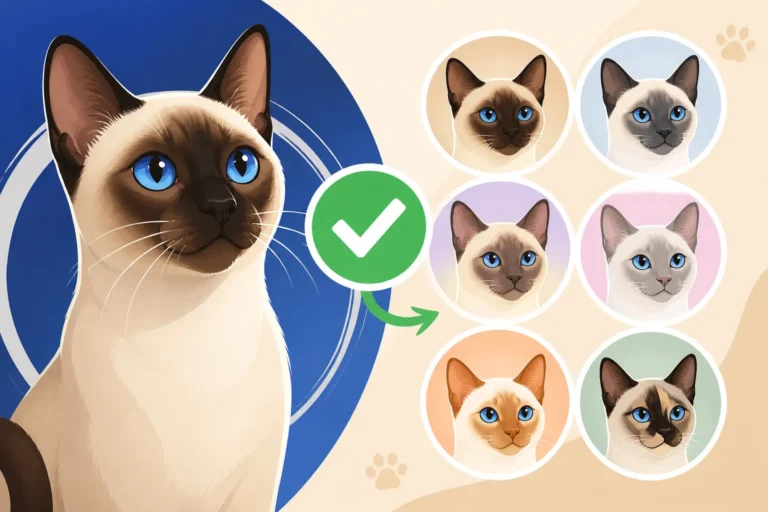
Whether Siamese Cat Owners Would Choose One Again
A Siamese cat can turn an ordinary evening into a running conversation, follow you from room to room, and expect attention just when your schedule is packed. That closeness is exactly why many people adore the breed—and why others find it demanding. This guide explains what owners tend to weigh when deciding whether they would choose a Siamese again, and how to judge the fit for your own home.
Why Siamese cat owners often say yes
The bond feels unusually close
Siamese cats are known for being people-oriented. Many want to be involved in whatever is happening: sitting beside you while you work, investigating a grocery bag, or appearing the moment you settle down with a book. For an owner who wants a companion rather than a cat who mostly keeps to themselves, that involvement can be a major part of the appeal.
Some owners describe the relationship as conversational. A Siamese may greet you, answer your voice with a meow, or make its opinion known when a door is closed. The sounds and interactions can feel charming because they make the cat seem engaged with the household. If that quality appeals to you, What a Siamese Cat's Temperament Is Really Like offers a closer look at the personality behind the reputation.
That same closeness also means the bond can become part of an owner’s daily routine. A cat that waits by the door, curls up nearby, and seeks play can make a home feel more lively and companionable. People who enjoy regular interaction may find that the attention they give is returned in a way they find deeply rewarding.
Their intelligence makes daily life entertaining
Siamese cats are often curious and quick to learn. An owner might teach one to come when called, investigate a puzzle feeder, or play fetch with a favorite toy. Their curiosity can make even simple routines—opening a cupboard or preparing dinner—interesting to a cat who wants to see what you are doing.
That cleverness can be delightful when it is directed toward games and training. Short play sessions, climbing spaces, food puzzles, and safe opportunities to explore can give a busy cat something constructive to do. Owners who like interacting with their pets often enjoy being part of that enrichment rather than simply providing food and a place to sleep.
There is a less convenient side: a clever, energetic cat can also invent its own entertainment. That might mean pawing open a cabinet, knocking a small object off a shelf, or asking for play at an inconvenient time. A household that enjoys a lively animal may laugh about these antics; someone hoping for a quiet, low-engagement pet may find them tiring.
A distinctive personality can be hard to replace
For some owners, the Siamese’s voice, presence, and habits are not small details; they are the reasons they would choose the breed again. A cat that greets them at the door or settles close during the evening can become woven into the shape of everyday life. Even the demanding parts may feel worthwhile when they are balanced by affection and companionship.
Owners who love this personality often do not expect their cat to be silent or independent. They may appreciate the meows as communication and plan around the cat’s need for interaction. If vocal behavior is a major part of the attraction—or a possible concern—The Siamese Cat Talks and Expects an Answer can help set realistic expectations.
Why some owners hesitate or would choose differently
The voice can be more than a cute quirk
A Siamese cat may vocalize to greet you, request food, seek attention, or respond to activity around the home. Some owners enjoy the back-and-forth. Others discover that frequent meowing is stressful, especially in a small apartment, during phone calls, or when they are trying to sleep.
It can also be difficult to know what a particular meow means at first. Owners may find themselves checking the food bowl, water, litter box, and surroundings before realizing the cat simply wants company or play. Over time, many learn their cat’s patterns, but the ongoing conversation is not a feature every household wants.
A sudden change in vocal behavior is different from a cat’s usual personality. If a cat becomes unusually vocal or seems distressed, consider whether something in the environment has changed and speak with a veterinarian about concerning symptoms. For routine behavior, owners can try predictable play, feeding, and attention rather than responding only when the cat is demanding them.
Their need for company can complicate schedules
A Siamese cat’s social nature can make long stretches alone a challenge. Some cats cope well with a familiar routine, while others become unsettled when their person is away for much of the day. That does not mean every Siamese needs a second cat, but it does mean prospective owners should consider how much time they can reliably offer.
For instance, a person who works from home may welcome a cat that follows them between rooms. Someone with long shifts, frequent overnight travel, or an unpredictable schedule may need to plan ahead for visits, enrichment, and companionship. How Long a Siamese Cat Can Be Left Alone can help you think through the practical side of time away.
A companion animal is not an automatic fix. Cats have individual temperaments, and introductions can take patience. A second cat also brings its own care needs and expenses. If you are considering another pet, think about the resident cat’s personality, the space available, and how you would manage a gradual introduction—not just the hope that two cats will keep each other busy. A Siamese Cat Should Not Live Alone explores the companionship question in more detail.
The everyday commitment can feel substantial
A Siamese does not necessarily require elaborate care, but its social and mental needs are part of responsible ownership. Regular play, attention, grooming, litter maintenance, and preventive veterinary care all take time. Owners who expected a cat to be mostly self-sufficient may be surprised by how much interaction their particular cat seeks.
There are practical costs, too: food, litter, routine care, supplies, and possible unexpected veterinary needs. These expenses vary with the cat, location, and household choices, so it is more useful to plan for recurring and emergency costs than to rely on a single estimate. What a Siamese Cat Costs Over Twenty Years can help frame the commitment over a lifetime rather than just the first few months.
Ordering routine supplies through a retailer such as Chewy may be convenient for owners who want food or litter delivered, particularly when carrying bulky bags is difficult. It does not remove the need to choose products that suit your cat or to keep an eye on stock at home. Owners should compare options and confirm current availability directly with the retailer.
What owners should consider before deciding
Match the breed’s traits to your real routine
Before bringing home a Siamese, picture an ordinary week rather than an ideal one. Who will play with the cat when work runs late? What happens when you travel? Are you comfortable with a pet that may seek attention while you are cooking, working, or trying to relax? Honest answers can prevent a mismatch that feels frustrating for both the person and the cat.
It helps to distinguish between liking an idea and enjoying the daily reality. “A vocal, affectionate cat sounds fun” is different from being happy when that cat is calling from the hallway while you are on a meeting. If you are a first-time cat owner, learn about the breed’s needs and think carefully about your experience level. Whether a Siamese Cat Suits a First Time Owner is a useful place to start.
Ask people who live with Siamese cats what they find rewarding and what they find tiring. If you are meeting an individual cat through a responsible breeder or rescue, ask about its behavior, history, and daily routine. A breed reputation can offer clues, but it cannot tell you exactly how one cat will behave in your home.
Think about how you will handle alone time
A realistic plan for absences can make ownership easier. That plan might include interactive toys, climbing and resting spots, regular play before you leave, and a trusted person who can check in when you are away. The right setup depends on the cat and the length of time you will be gone.
A pet sitter can provide food, litter care, and company, but the arrangement needs to suit the cat’s temperament. Some cats settle with a familiar visitor; others are more comfortable with a consistent routine and time to adjust. If you travel often, consider these arrangements before adopting rather than assuming you will work them out later.
A second cat may be a good fit for some homes, but compatibility matters. Cats should be introduced gradually, with separate resources and room to retreat. Adding another pet can also mean more feeding, cleaning, veterinary care, and planning. The decision should be about whether the household is prepared for two cats, not just whether one cat seems lonely.
Prepare for enrichment and household adjustments
Owners who would choose a Siamese again often have routines that make interaction easy to provide. A few short play sessions can be more manageable than expecting one long session at the end of a tiring day. Rotating toys, using food puzzles, and creating safe high places can add variety without turning the home into a full-time amusement park.
Some homes also need small adjustments for a curious cat. Keep tempting or unsafe items out of reach, secure cabinets if necessary, and provide appropriate scratching surfaces. If the cat chews or swallows fabric or other non-food items, treat that as a safety concern and discuss it with a veterinarian rather than relying on toys alone to solve it.
A delivery service such as Chewy may help make recurring supplies easier to manage, but convenience is only useful if the chosen food, litter, or other product works for the cat. When a diet change or health concern is involved, ask your veterinarian what is appropriate. Chewy can be one way to obtain routine items; it is not a substitute for individualized veterinary guidance.
How to decide whether you would choose one again
Separate the hard moments from the overall fit
Every pet brings inconvenient days. A cat may wake you, demand attention during a busy moment, or need care when you would rather be doing something else. The more useful question is not whether ownership is effortless, but whether the relationship and daily routine still feel worthwhile when those moments happen.
Think about what you enjoy most: the cat’s company, its playfulness, its voice, or the way it seeks you out. Then consider what drains you: noise, time demands, travel arrangements, or the costs of care. If the positives feel meaningful and the challenges are manageable with planning, you may be well suited to living with a Siamese.
If the hard parts consistently outweigh the good ones, that does not mean you have failed or that the cat is difficult on purpose. It may mean your expectations, schedule, or living situation do not match this individual animal’s needs. Looking honestly at that fit is kinder than expecting the cat to become a different kind of pet.
Look at the individual cat, not only the breed label
Siamese cats share recognizable tendencies, but individuals differ. One may be talkative and constantly involved; another may be quieter or more independent. Age, early experiences, health, and environment all influence behavior. A kitten’s energy level may also feel very different from an adult cat’s established routine.
When considering adoption, ask what the cat is like at home, how it responds to being alone, whether it enjoys handling and play, and what routines it already knows. If you are buying from a breeder, ask about temperament as well as health history and socialization. Whether a Siamese Cat Is Right for You can help you weigh the broader lifestyle match.
For an adult rescue, information about the cat’s previous home can be incomplete. Take time to observe the cat and ask what is known about its behavior. A careful adjustment period matters: a cat may hide, vocalize, or act differently while learning a new environment. Give it predictable spaces and routines, and seek professional advice if concerning behavior persists.
Use a simple fit check
The table below is not a scorecard. It is a way to make the decision concrete before adopting or buying, especially if different people in the household have different expectations.
| Consideration | A promising fit | A reason to pause |
|---|---|---|
| Vocal behavior | You enjoy a cat that communicates often | Frequent meowing would cause ongoing stress |
| Time at home | You can provide regular attention and play | The cat would routinely be alone for long stretches without a care plan |
| Enrichment | You are willing to offer toys, activity, and safe exploration | You want a pet that needs very little interaction |
| Travel | You can arrange reliable care when away | Your schedule makes consistent care difficult |
| Expenses | You have a plan for routine and unexpected costs | Pet expenses would leave no room for emergencies |
| Household expectations | Everyone understands the cat may be involved and energetic | Household members expect a quiet, hands-off companion |
There is no single answer to whether Siamese cat owners would choose one again. People who value an affectionate, vocal, engaged companion may find the breed an excellent match. People who need a very independent, quiet pet may prefer a different temperament—or may be happier with an individual cat known to be calmer.
The best prediction comes from matching the cat’s needs with your real life, not from expecting a breed label to guarantee a particular personality. If you can welcome the conversation, make time for company, and plan for care, the traits that challenge some owners may be exactly what makes a Siamese feel like home.
Disclaimer
This article is for general informational purposes only and does not constitute professional advice. Laws, prices and regulations vary by location and change over time. Consult a qualified professional for guidance on your specific situation.