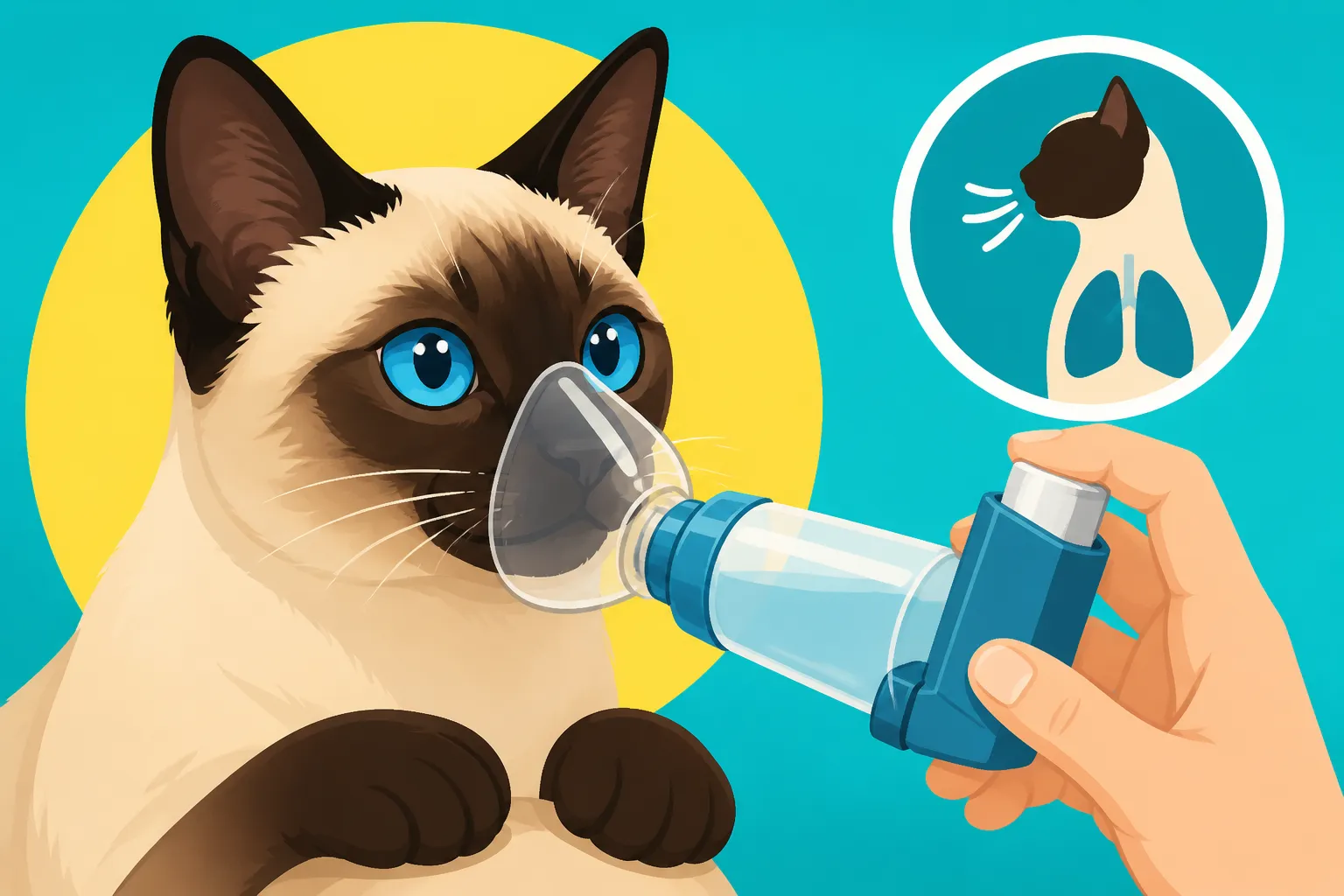
How a Siamese Cat Uses an Inhaler
When your beloved Siamese cat is struggling with asthma, watching them cough and wheeze can be absolutely heartbreaking and terrifying. The thought of having to administer medication, especially something as unfamiliar as an inhaler, can add a whole new layer of stress to an already difficult situation. You might feel overwhelmed, wondering how on earth you're going to get a cat to cooperate with a mask over its face, but trust me, it's more manageable than you think. This guide will walk you through everything you need to know about using an inhaler for your Siamese, helping you navigate this journey with confidence and compassion, making the process as calm and effective as possible for both of you.
Understanding Feline Asthma and Inhaler Therapy
Feline asthma is a surprisingly common respiratory condition in cats, and our vocal, energetic Siamese friends are no exception. It's essentially an allergic reaction in their lungs, leading to inflammation and constriction of the airways, which makes breathing incredibly difficult. When your vet diagnoses asthma, often after ruling out other issues, inhaled medication often becomes a cornerstone of treatment.
Why Inhalers are Often the Best Choice for Siamese Cats with Asthma
Imagine trying to breathe through a straw – that's what an asthmatic cat experiences during an attack. The airways narrow, and mucus can build up, leading to those distressing coughing fits, wheezing sounds, and sometimes even open-mouthed breathing, which is always a sign of an emergency in cats. While oral medications like steroids or bronchodilators can help, they often come with a host of systemic side effects, impacting other organs because the drug travels throughout the entire body. Long-term oral steroid use, for example, can lead to diabetes, weight gain, and skin issues.
This is where inhalers shine. They deliver the medication directly to your Siamese cat's lungs, precisely where it's needed most. This targeted approach means significantly lower doses of medication are required, drastically reducing the risk of those unpleasant systemic side effects. For a breed like the Siamese, known for their sensitivity and often a propensity for certain health issues, minimizing other health risks is a huge win. If you've ever tried to pill a determined Siamese, you'll also appreciate that an inhaler, once your cat is accustomed to it, can be far less stressful than a daily wrestle with a pill popper. It’s worth exploring all aspects of Asthma in a Siamese Cat to fully grasp the condition.
The Essential Equipment: Inhaler and Spacer
When we talk about an inhaler for your cat, we're typically referring to a metered-dose inhaler (MDI), the same kind many humans use for asthma. This MDI contains a specific amount of medication (often a corticosteroid like fluticasone, a bronchodilator, or a combination) that's released in a fine mist when actuated. However, you can't just point and spray an MDI at your cat. That's where the crucial piece of equipment, the "spacer," comes in.
A feline-specific spacer, such as the AeroKat Feline Aerosol Chamber, is a device that attaches to the MDI on one end and has a soft, cone-shaped mask on the other that fits over your cat's nose and mouth. The spacer acts as a holding chamber for the medication after it's puffed from the MDI. This allows your Siamese to inhale the medicine over several breaths, rather than trying to perfectly time a single, deep breath from the fast-moving puff, which is impossible for a cat. The mask ensures the medication goes directly into their respiratory system, bypassing their nose and mouth. These chambers typically come with low-resistance valves that open easily even with shallow breaths, making them effective for cats. Managing the costs associated with these specialized tools is important, and you can learn more about Budgeting for a Siamese Cat's Asthma Inhaler.
Preparing Your Siamese for Inhaler Treatment
Introducing any new routine or device to a cat, especially a clever and sometimes opinionated Siamese, requires patience and a positive approach. Rushing the process will only lead to stress, fear, and a much harder time in the long run. The goal is to make the inhaler experience as neutral, or even positive, as possible.
Creating a Positive and Low-Stress Environment
Siamese cats are incredibly sensitive to their environment and the emotions of their humans. If you're stressed, they'll pick up on it. Before you even think about bringing out the inhaler, focus on creating a calm atmosphere. Choose a quiet time of day when both you and your cat are relaxed. If your cat associates this time with a favorite treat or a gentle cuddle, even better. Start by simply having the spacer present in the room, letting your cat see it, sniff it, and get used to its existence without any pressure. Don't force them to interact with it initially. Just let it be another object in their world.
Use positive reinforcement heavily. Keep high-value treats on hand – something your Siamese absolutely loves, whether it's Churu tubes, freeze-dried chicken, or a tiny bit of cooked salmon. Every positive interaction with the spacer, no matter how small, should be followed by a treat and praise. The key is short, frequent sessions. Five minutes twice a day is far more effective than one long, stressful session. This low-pressure approach is vital, especially when dealing with a condition where Asthma Symptoms in a Siamese Cat can be exacerbated by stress.
Acclimating Your Siamese to the Spacer
This is a gradual process, almost like a game. The goal is to build positive associations with the spacer itself before ever introducing the medication.
- Introduce the Spacer Visually: Place the spacer on the floor near where your cat usually relaxes. Let them investigate it at their own pace. When they show any curiosity (sniffing, looking), reward them immediately with a treat.
- Associate with Treats: Hold the spacer with the mask facing up, and drop a treat into the mask opening. Let your cat eat the treat from the mask. Repeat this several times over multiple sessions. This helps them learn that the mask equals good things.
- Gentle Touch: Once your cat is comfortable eating treats from the mask, start gently touching their face with the mask for a second or two, then immediately remove it and give a treat. Gradually increase the duration of the touch.
- Brief Placement: Begin placing the mask over their nose and mouth for just a second, then remove and reward. The trick is to remove it before they become distressed. You want to end on a positive note, always.
- Simulated Use (without medication): Once they tolerate the mask for a few seconds, practice putting the mask on, then lightly pressing the MDI into the spacer (without actuating the puff yet). Hold for a few seconds, remove, and reward. This gets them used to the full action without the actual medication. This step-by-step method is crucial for successful How a Siamese Cat's Asthma Is Treated protocols.
During this entire process, if your Siamese shows signs of stress (tail flicking, flattening ears, trying to escape), stop immediately. Take a break. Revert to an earlier, easier step and try again later. Never punish or scold your cat for being uncooperative; this will only make them fear the device more. Patience is truly a virtue here.
The Step-by-Step Process of Administering Inhaled Medication
Once your Siamese cat is comfortable with the spacer and the mask, you're ready to introduce the actual medication. Remember, this still needs to be done calmly and efficiently.
The Actual Inhalation Technique
Administering the medication itself is a series of precise steps. Familiarize yourself with them before you start.
- Prepare the Inhaler: First, ensure the metered-dose inhaler (MDI) is at room temperature. Give it a good shake for about 5-10 seconds to properly mix the medication. Remove the cap and firmly insert the MDI into the back of the spacer device.
- Position Your Cat: Gently hold your Siamese cat. Some cats are fine being held in a lap, others might benefit from being gently cradled in a towel, similar to a "burrito wrap," which helps to keep their paws tucked away safely without causing undue stress. The key is gentle security, not forceful restraint. Speak in a soothing voice to keep them calm.
- Place the Mask: Carefully place the soft, pliable mask of the spacer over your cat's nose and mouth, ensuring a snug seal. It needs to be tight enough so that the medication doesn't escape but not so tight that it's uncomfortable or restricts breathing.
- Actuate the Puff: Once the mask is securely in place, press the MDI down to release one puff of medication into the spacer chamber. You'll hear a slight hiss.
- Count the Breaths: Hold the mask in place for 7 to 10 seconds, allowing your cat to take approximately 7 to 10 breaths. Many spacers have a flow-vu indicator (a small flap or disk) that moves with each breath, making it easy to count. Watch this indicator to ensure they are inhaling the medicine. If your cat pulls away, try to gently reposition the mask. If they become overly stressed, remove the mask, give them a break and a treat, and try again when they are calmer. Remember, the goal is to get the medication into their lungs, not to distress them further.
- Remove and Reward: After the prescribed number of breaths, remove the mask and immediately offer a high-value treat and verbal praise. This reinforces the positive association.
- Repeat (if prescribed more than one puff): If your vet has prescribed more than one puff, wait about 30 seconds to a minute before repeating steps 1-6. This allows time for the airways to potentially open slightly, making the next puff more effective.
- Clean the Spacer: After each use, it's important to clean the spacer according to the manufacturer's instructions, typically by disassembling it and washing it in warm, soapy water, then air-drying. This prevents medication residue buildup and ensures optimal function. Knowing Which Steroid a Siamese Cat With Asthma Takes will help you understand the specific medication being administered.
Post-Treatment Care and Consistency
The treatment doesn't stop once the inhaler is put away. Post-treatment care and unwavering consistency are paramount to managing your Siamese cat's asthma effectively.
Immediately after each session, make it a point to engage in some positive reinforcement. This could be their favorite treat, a few minutes of gentle petting, or a short play session with a feather wand. This helps to solidify the idea that the inhaler process, while perhaps not their favorite activity, leads to good things. It prevents them from dreading future sessions.
Consistency is key for chronic conditions like asthma. Your vet will prescribe a specific frequency and dosage, perhaps twice a day, every day. Sticking to this schedule diligently is vital for controlling inflammation and preventing severe asthma attacks. Skipping doses or administering them erratically can undermine the entire treatment plan and potentially worsen your cat's condition. Put reminders on your phone or integrate the treatment into an existing routine, like before breakfast and dinner.
Monitor your Siamese cat closely for signs of improvement, such as reduced coughing, less wheezing, and more energy. Also, keep an eye out for any adverse reactions, though these are rare with inhaled steroids. Regular check-ups with your veterinarian are crucial to assess the effectiveness of the treatment and make any necessary adjustments. This might include follow-up chest X-rays or blood tests. You might wonder Whether a Siamese Cat's Asthma Shortens Its Life, and consistent treatment plays a huge role in their long-term health. Don't forget that consistent care, including medications and vet visits, often involves costs, and providers like Healthy Paws can help manage these expenses. It’s important to stay on top of preventive care, including How Often a Siamese Cat Needs a Wellness Exam.
Troubleshooting and Common Challenges
Even with the best intentions and the most patient approach, you might encounter bumps along the road when using an inhaler with your Siamese cat. It's perfectly normal, and there are ways to address these challenges.
Handling Resistance and Fear
Let's be real: cats aren't always thrilled about having things placed over their face. Your Siamese might resist by wiggling, swatting, or even trying to bite. This is typically fear-driven, not malice.
- Gentle Restraint: If your cat consistently tries to escape, a soft towel wrap can be a game-changer. Gently wrap your cat in a towel, leaving only their head exposed, ensuring their paws are tucked in. This provides a sense of security for them and prevents you from being scratched. Avoid overly tight wraps that could cause panic.
- Location, Location, Location: Some cats do better on a raised surface, like a table, as they feel less vulnerable than on the floor. Others prefer being held close to your body while you're sitting down. Experiment to find what makes your cat most comfortable and cooperative.
- Breaks are Your Friend: If your cat becomes highly distressed, stop the session. Forcing it will only create a stronger negative association. Take a break, let them calm down, offer a treat, and try again later or the next day. Sometimes, splitting the dose into two shorter sessions can be more effective than one long, stressful one.
- Vet Consultation: If resistance is severe and you're truly struggling, talk to your vet. They might suggest anti-anxiety medications (like gabapentin) to administer before treatment sessions, especially in the initial training phase, to help your cat relax. They can also offer tips on handling techniques or even demonstrate the process themselves.
Remember that patience and empathy are your greatest tools. Building trust takes time, but it’s invaluable for your cat's long-term health.
Ensuring Proper Dosing and Effectiveness
Once you've mastered the technique, the next concern is ensuring the treatment is actually working.
- Observing for Improvement: The primary way to gauge effectiveness is by observing your cat's symptoms. Are the coughing fits less frequent or less severe? Is the wheezing reduced? Do they seem to have more energy and less difficulty breathing during play? Keep a journal of their symptoms to track progress over time.
- Vet Re-checks and Diagnostics: Regular follow-up visits with your vet are essential. They might recommend repeat chest X-rays to see if the inflammation in the lungs has decreased. Sometimes, blood tests might be performed to monitor for any systemic effects, though these are rare with inhaled medications. What a Siamese Cat's Chest X Ray Costs might be a concern, but it's a vital diagnostic tool. If after several weeks or months you're not seeing improvement, your vet might suggest adjusting the dosage of the medication or exploring different types of inhaled drugs. The medication itself has an expiration date, so always check that. Proper storage, typically at room temperature, is also important to maintain its efficacy.
- Understanding Medication Limits: Inhalers primarily manage the inflammation. If your cat has an acute, severe asthma attack, they might need immediate veterinary intervention, possibly including oxygen therapy or injectable bronchodilators. The inhaler is for maintenance and prevention, not typically a rapid rescue for severe distress, unless it's a fast-acting bronchodilator specifically prescribed for emergencies.
Managing feline asthma can feel like a marathon, not a sprint. The financial aspect of long-term asthma management, including regular prescriptions for medications like fluticasone, can be substantial. Having a good pet insurance plan from a company like Healthy Paws can offer peace of mind, allowing you to prioritize your cat's health without constantly worrying about the bill. It’s always a good idea to chat with your vet about the expected costs and, if you have pet insurance, to confirm coverage with your provider, such as Healthy Paws, for these treatments. Your dedication to consistent and correct inhaler use will make a world of difference in your Siamese cat's quality of life.
| Step | Description | Key Considerations |
|---|---|---|
| 1. Preparation | Shake MDI well, attach to spacer. Ensure spacer is clean and dry. | Have treats ready. Choose a calm environment. |
| 2. Positioning | Gently hold your Siamese. Use a towel wrap if needed for gentle security. | Speak softly, keep your demeanor calm. |
| 3. Mask Placement | Place the mask firmly over nose and mouth, ensuring a good seal. | Avoid blocking nostrils. Ensure comfort, not force. |
| 4. Actuate Puff | Press the MDI to release one dose into the spacer. | Listen for the "hiss" of the medication. |
| 5. Count Breaths | Hold mask for 7-10 seconds, allowing 7-10 breaths. Watch for flow indicator movement. | If cat resists, try to reposition gently. End on a positive note. |
| 6. Reward & Repeat (if applicable) | Remove mask, immediately give treat and praise. Wait 30-60 seconds before next puff if multiple are prescribed. | Reinforce positive association. Allow brief recovery if cat was stressed. |
| 7. Clean Spacer | Disassemble and wash spacer with warm, soapy water after each use. Air dry thoroughly. | Prevents bacterial growth and medication residue buildup. Ensures optimal performance for next use. |
Disclaimer
The information provided in this article is for general informational purposes only and is not intended as a substitute for professional veterinary advice. Always consult with a qualified veterinarian regarding your Siamese cat's specific health condition, diagnosis, and treatment plan. Never disregard professional veterinary advice or delay in seeking it because of something you have read here.