Whether a Female Siamese Cat Outlives a Male
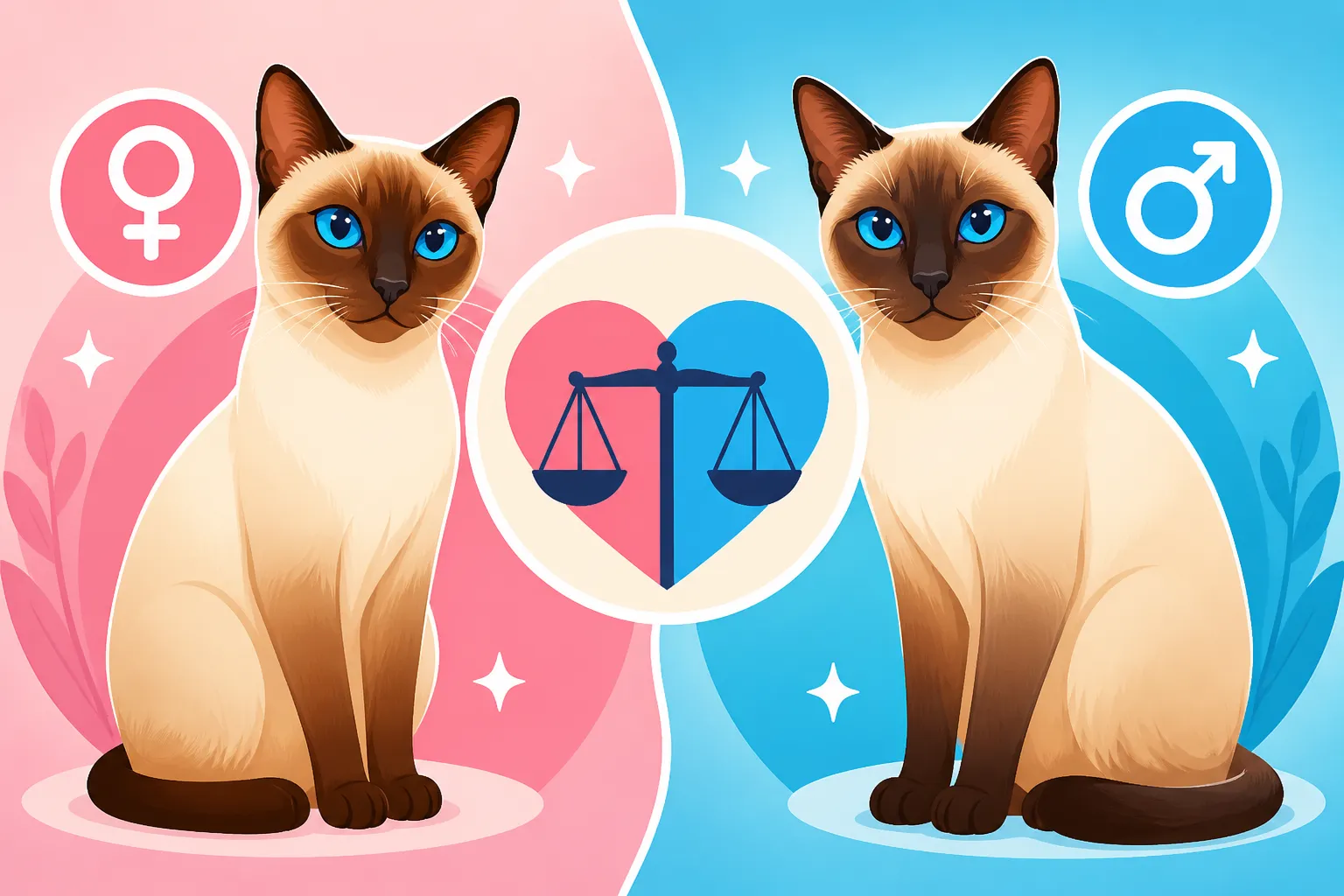
It’s a natural question for any prospective cat owner, or even those of us who have shared our lives with these magnificent creatures for years: does a female Siamese cat truly outlive her male counterparts? While general lifespan expectations for Siamese cats are often cited as long and robust, diving into the nuances of sex-specific longevity reveals a more complex picture influenced by genetics, lifestyle, and a myriad of health factors. This guide aims to thoroughly explore whether there's a verifiable difference in lifespan between male and female Siamese cats and what truly contributes to a long, healthy life for all.
Understanding the General Lifespan of a Siamese Cat
When we talk about the lifespan of a Siamese cat, we're generally discussing a breed known for its impressive longevity. It's not uncommon for these intelligent and vocal companions to be with us for many years, often becoming cherished senior members of the family. However, individual experiences can vary wildly, and while some Meezers might surprise us by reaching advanced ages, others sadly succumb to illnesses earlier than expected.
The Average Lifespan of a Siamese Cat
Most sources suggest that a healthy Siamese cat can live anywhere from 15 to 20 years, with some particularly robust individuals even surpassing that benchmark. This places them among the longer-lived cat breeds, a testament to their generally healthy genetic makeup and the dedicated care many owners provide. This impressive average is often one of the drawcards for people looking to welcome a Siamese into their home, offering the promise of many years of companionship.
It's important to remember that these are averages, and just like humans, individual cats are not guaranteed to hit the maximum age. Factors like inherited conditions, environmental stressors, and access to quality veterinary care all play significant roles. While the breed's reputation for longevity is well-earned, it doesn't mean we can take their health for granted. Each year with a Siamese is a gift, and understanding what contributes to that gift is paramount. You might be interested in delving deeper into The Fifteen to Twenty Years a Siamese Cat Gets.
Genetic Predispositions and Longevity
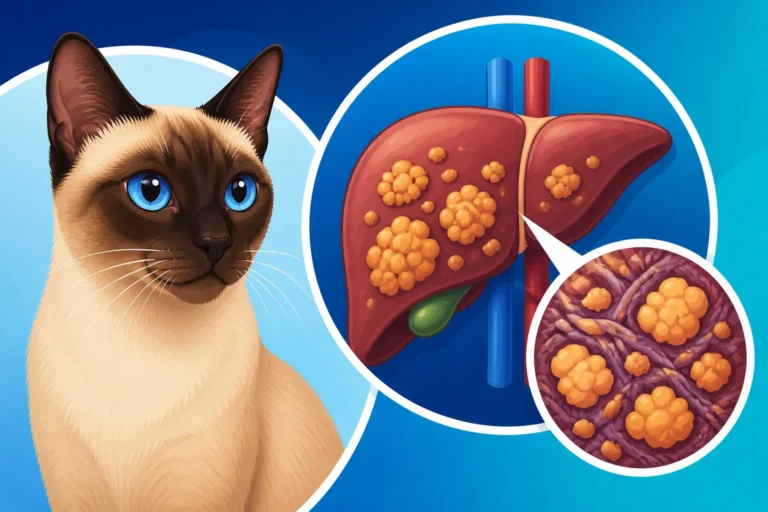
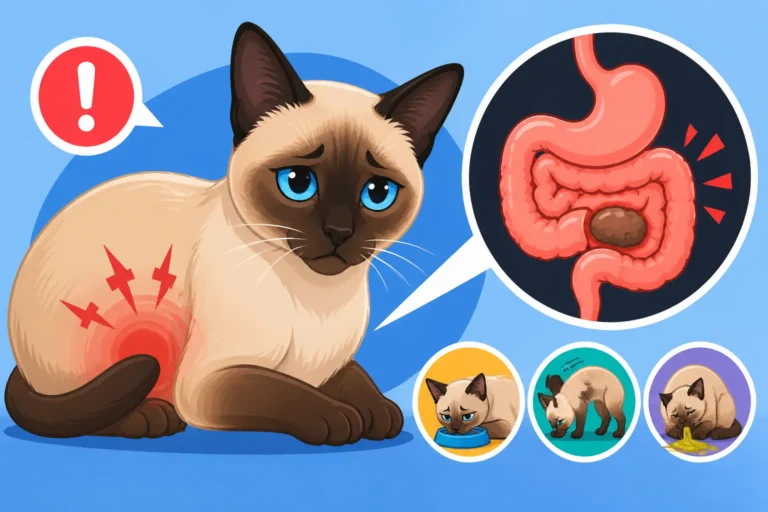
Siamese cats, like all purebreds, come with certain genetic predispositions that can impact their lifespan. While many breeders strive to eliminate these through careful screening, some conditions can still manifest. For example, Amyloidosis is a disease that unfortunately can shorten the lives of some Siamese cats, particularly affecting the liver or kidneys. This inherited condition can strike relatively young, regardless of sex, making it a significant concern for the breed as a whole.
Beyond specific diseases, the overall genetic health passed down from a cat's lineage can influence its vigor and resilience. A cat from a long line of healthy, long-lived ancestors might inherently have a better chance at a long life. This is why choosing a reputable breeder who screens for known issues and tracks the longevity of their lines is so crucial, as it sets the stage for your cat's health from day one. You can learn more about specific health concerns in What Most Siamese Cats Die Of.
Factors Influencing Lifespan Beyond Sex
While the question of male versus female longevity is central, it's crucial to acknowledge that many other powerful factors often overshadow any minor sex-linked differences. These environmental, lifestyle, and care-related elements collectively weave a tapestry that determines how long and how well any Siamese cat will live. Focusing on these broad strokes of care can provide a more holistic understanding of promoting a long life.
The Role of Spaying and Neutering
One of the most significant interventions impacting a cat's lifespan, regardless of sex, is spaying or neutering. For females, spaying eliminates the risk of ovarian and uterine cancers, as well as pyometra (a life-threatening uterine infection). It also removes the stress and health risks associated with repeated heat cycles and potential pregnancies. Think about the strain on a female's body if she were to have multiple litters over her lifetime; spaying removes this considerable physiological burden.
For males, neutering drastically reduces the likelihood of testicular cancer and certain prostate problems. More importantly, it often curtails behaviors like roaming, fighting, and urine spraying, which are significant risk factors for injury, infection (like feline leukemia or FIV), and accidental death from traffic. An unneutered male cat driven by instinct to find mates is far more likely to encounter dangers outdoors than his neutered, home-loving counterpart. Thus, neutering directly removes many behavioral risks that can shorten a male cat's life.
Impact of Diet and Exercise
A balanced, high-quality diet tailored to a cat's age and activity level is foundational to a long life. Overweight or obese cats are prone to a host of serious health issues, including diabetes, joint problems, and heart disease, all of which can significantly shorten their lifespan. Siamese cats are naturally lean, but even they can become overweight if their caloric intake isn't matched with their activity. Regular, appropriate exercise, whether through interactive play, cat trees, or secure outdoor access, helps maintain a healthy weight and strong muscles, contributing to overall vitality.
Consider a Siamese cat who is free-fed a low-quality kibble versus one who receives portion-controlled, high-protein wet food and daily play sessions. The latter cat will likely maintain a healthier weight, have better dental health, and possess more energy, all contributing to a longer, more comfortable life. The quality of their fuel and their ability to burn it off are critical, lifelong commitments for any cat owner.
Stress and Environmental Stability
Cats are creatures of habit, and Siamese cats, with their highly intelligent and sensitive nature, can be particularly susceptible to stress. A stable, predictable home environment with plenty of mental and physical enrichment can have a profound impact on their well-being and, by extension, their longevity. Chronic stress can suppress the immune system, making a cat more vulnerable to illness, and can even manifest in behavioral issues like inappropriate urination or excessive grooming, which can have health consequences.
Think about a cat living in a chaotic household with frequent changes, loud noises, and inconsistent routines, versus a cat in a calm, enriched environment. The latter is likely to have a stronger immune system, better mental health, and fewer stress-induced physical ailments. Providing secure hiding spots, regular play, consistent feeding times, and ample opportunities for mental stimulation are all vital components of a stress-reduced existence for your Siamese. Find out more about Enrichment for a Siamese Cat That Gets Bored in an Hour.
Sex-Specific Health Considerations
While many health issues affect both male and female Siamese cats, there are some conditions or tendencies that can be more prevalent or impactful based on their sex. Understanding these distinctions can help owners be more vigilant and proactive in their cat's care, potentially mitigating risks and supporting a longer, healthier life.
Common Ailments in Female Siamese Cats
Female Siamese cats, particularly those who are not spayed, face risks related to their reproductive system. Pyometra, a severe uterine infection, can be fatal if not treated promptly, often requiring emergency surgery. Mammary tumors, which can be malignant, are also more common in unspayed females. Even spayed females, however, can still be susceptible to conditions like certain kidney diseases or hyperthyroidism, though these are not exclusively female-specific.
It's worth noting that while less common, certain autoimmune conditions or sensitivities might present differently or with varying frequency in females. Keeping up with regular veterinary check-ups is paramount, as early detection of any emerging health issue, whether sex-linked or not, is key to successful treatment. For any unexpected health concerns, having a reliable pet insurance plan, such as those offered by Healthy Paws, can be invaluable in managing the costs of diagnostics and treatment.
Common Ailments in Male Siamese Cats
Male Siamese cats can be prone to certain issues, with perhaps the most notable being Feline Lower Urinary Tract Disease (FLUTD), which can manifest as urinary blockages. This condition, where crystals or stones can obstruct the urethra, is far more common and dangerous in males due to their narrower urethras. A blockage is a life-threatening emergency, requiring immediate veterinary intervention. Symptoms often include straining to urinate, frequent trips to the litter box, or crying in pain.
Unneutered males, driven by territorial instincts, are also more likely to engage in fights, leading to abscesses, infections, and the potential transmission of diseases like FIV and FeLV. While neutering largely mitigates these behavioral risks, awareness of FLUTD remains critical for all male cat owners. Should a male cat experience a urinary emergency, the associated veterinary costs can be significant, highlighting the value of preparation and potentially pet insurance like Healthy Paws.
Hormonal Influences on Health
The presence or absence of sex hormones plays a profound role in a cat's overall health and development. Intact (unspayed/unneutered) cats are subject to the full spectrum of hormonal influences, which can contribute to both benefits and risks. For instance, estrogen and testosterone influence bone density, muscle mass, and metabolism, but they also drive reproductive behaviors and predispose cats to certain cancers as mentioned earlier.
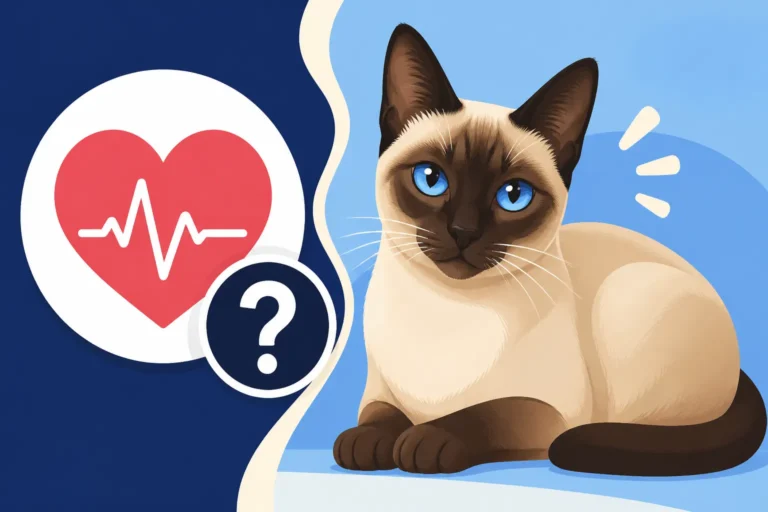
For example, males, with their higher testosterone levels, may naturally develop slightly more robust musculature, but this hormone also fuels the drive to roam and fight. Females, with estrogen, might experience less aggressive tendencies but are vulnerable to reproductive system cancers. Spaying and neutering effectively remove the influence of these reproductive hormones, shifting the cat's hormonal landscape and, in many cases, leading to a healthier, longer life by removing the risks associated with these hormones. This includes reducing the likelihood of issues like Heart Disease in a Siamese Cat by maintaining a healthier lifestyle.
Nurturing Longevity: The Role of Care and Environment
Beyond genetics and inherent sex differences, the daily care and environment we provide for our Siamese cats are perhaps the most influential factors in determining their lifespan. A commitment to their physical and emotional well-being can dramatically extend their years and improve the quality of every single one of them.
Importance of Regular Veterinary Care
Consistent, preventive veterinary care is non-negotiable for a long-lived cat. This means not just reacting to illness, but proactively maintaining health through annual check-ups, vaccinations, and parasite control. Regular physical exams allow a vet to catch subtle changes that might indicate the onset of disease, from dental issues to kidney problems, often before they become advanced and difficult to treat. Early detection of conditions like Kidney Disease in an Older Siamese Cat can lead to much more effective management.
During these visits, your vet can also monitor weight, discuss diet, and recommend appropriate screenings for age or breed-specific concerns. Don't wait until your cat is visibly unwell; cats are masters at hiding pain, and by the time symptoms are obvious, a condition might be quite advanced. Regular check-ups are an investment in their future health. It also provides an opportunity to discuss any behavioral changes or subtle shifts you've noticed, which might be early indicators of underlying problems. For pet parents concerned about the ongoing costs of preventative and reactive care, solutions like Healthy Paws pet insurance can provide substantial financial support throughout a cat's life. Consider reading How Often a Siamese Cat Needs a Wellness Exam.
Enrichment and Mental Well-being
A Siamese cat's mind is as active as its body, and mental stimulation is just as vital as physical exercise for their overall health and longevity. Boredom and lack of enrichment can lead to stress, destructive behaviors, and even depression, all of which can negatively impact their physical health over time. Think of it this way: a cat that is engaged, curious, and stimulated is a happier, healthier cat.
This means providing plenty of toys, puzzle feeders, climbing opportunities (like cat trees), and interactive playtime. Many Siamese cats enjoy learning tricks or going on supervised leash walks. They thrive on interaction with their humans, so daily dedicated play and cuddle sessions are crucial. A cat with a purpose, with outlets for its natural instincts, is less likely to develop stress-related health issues and more likely to remain active and engaged well into its senior years. Find tips on keeping them happy in What a Siamese Cat Does While You Are Out.
Indoor vs. Outdoor Lifestyles
The debate over indoor versus outdoor living is a significant one for cat owners, and it directly impacts lifespan. While an outdoor cat might experience the thrill of the hunt and more varied sensory input, it also faces a vastly increased risk of dangers: traffic accidents, fights with other animals (leading to injuries and disease transmission), parasites, poisons, and even intentional harm from humans. The average lifespan of an outdoor cat is significantly shorter than that of an indoor cat.
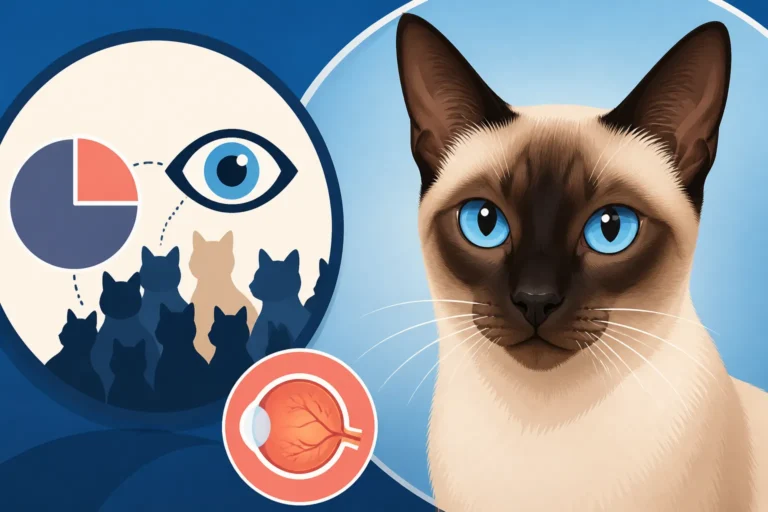
An indoor Siamese, while potentially requiring more dedicated owner effort for enrichment, is protected from these myriad threats. This controlled environment allows for a far safer existence, free from the immediate dangers of the outside world. With a secure catio, supervised leash walks, or simply a window perch with a view, indoor cats can still experience sensory stimulation without the life-threatening risks. Opting for an indoor-only lifestyle for your Siamese is perhaps one of the most effective ways to ensure they reach their full lifespan potential. You might also want to read How a Blind Siamese Cat Manages for related care considerations.
| Feature / Trait | Male Siamese Cat (General Tendencies) | Female Siamese Cat (General Tendencies) |
|---|---|---|
| Average Lifespan | 15-20 years (highly variable, similar to females with good care) | 15-20 years (highly variable, similar to males with good care) |
| Urinary Health | Higher risk of FLUTD and urinary blockages due to narrower urethra. | Lower risk of urinary blockages. |
| Reproductive Cancers | Testicular cancer (if unneutered), some prostate issues. | Ovarian, uterine, and mammary cancers (significantly reduced if spayed). |
| Roaming & Fighting | Higher tendency if unneutered, leading to injury/disease exposure. | Lower tendency for extensive roaming or fighting. |
| Stress Response | May express stress through spraying or aggression (if intact). | May express stress through over-grooming or anxiety. |
| Weight Tendency | Can maintain lean physique, but overfeeding can lead to obesity. | Can maintain lean physique, but overfeeding can lead to obesity. |
| Overall Health | Good, but potential for issues linked to unneutered behavior or urinary tract. | Good, with fewer severe sex-linked risks if spayed. |
Disclaimer
This article is for general informational purposes only and does not constitute professional advice. Laws, prices and regulations vary by location and change over time. Consult a qualified professional for guidance on your specific situation.