How Long a Siamese Cat Lives After Chemotherapy
Receiving the news that your beloved Siamese cat has cancer is absolutely heartbreaking, and the immediate question that floods your mind is often, "What now? How much time do we have left, especially if we pursue chemotherapy?" It's a heavy burden, a mix of fear and a fierce desire to do everything possible for your furry family member. This guide aims to shed light on the realistic expectations for a Siamese cat's lifespan after chemotherapy, exploring the myriad factors that can influence their journey and how you can best support them through this challenging time.
Understanding Cancer in Siamese Cats and Chemotherapy's Role
When a Siamese cat is diagnosed with cancer, it throws your world into a tailspin. Suddenly, you're learning about oncology terms you never knew existed, and trying to make sense of complex treatment plans. Chemotherapy, for many, sounds scary, but it's a vital tool in veterinary medicine, offering hope for extended quality of life for many feline friends.
Common Cancers Affecting Siamese Cats
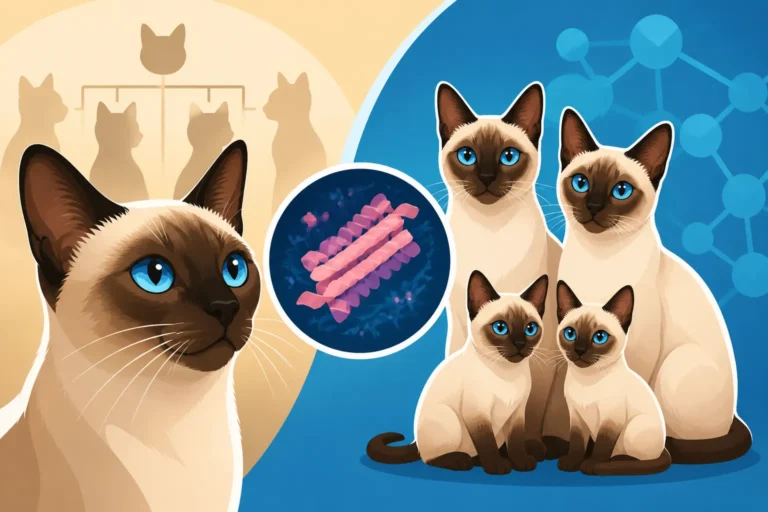
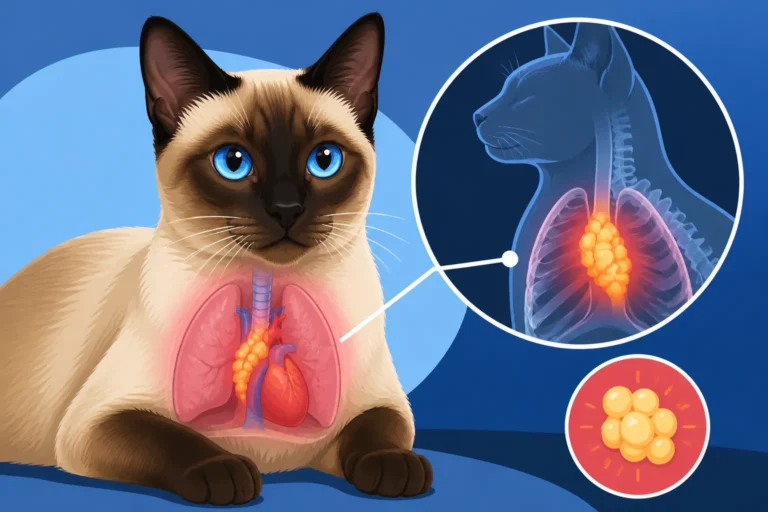
Siamese cats, known for their striking appearance and vocal personalities, are unfortunately predisposed to certain types of cancers. While no breed is entirely immune, certain genetic factors can increase risk. One of the most common cancers seen in Siamese cats, particularly younger ones, is lymphoma. This type of cancer originates in the lymphocytes, a type of white blood cell, and can manifest in various forms, such as mediastinal lymphoma, which affects the chest cavity, or gastrointestinal lymphoma, impacting the digestive system. Other cancers include mast cell tumors, which can appear on the skin or internally, and various carcinomas. Understanding Which Cancers a Siamese Cat Gets can help you recognize potential warning signs earlier, though a definitive diagnosis always requires veterinary expertise. For example, a young Siamese cat experiencing breathing difficulties might be exhibiting signs consistent with Mediastinal Lymphoma in a Young Siamese Cat, which often presents with distinct Mediastinal Lymphoma Signs in a Siamese Cat. These signs, while alarming, are crucial for early intervention.
The Goal of Chemotherapy in Feline Cancer Treatment
The primary goal of chemotherapy in cats is rarely a complete "cure" in the human sense, but rather to achieve remission, prolong life, and, most importantly, maintain a good quality of life for as long as possible. It works by targeting rapidly dividing cells, which cancer cells typically are. While it can't differentiate perfectly between cancerous and healthy fast-dividing cells (like those in bone marrow or the GI tract), veterinary oncologists carefully design protocols to minimize side effects while maximizing efficacy. For some cancers, like certain lymphomas, chemotherapy can lead to long periods of remission, where the cat shows no signs of disease. For others, it's about slowing the progression of the disease, alleviating symptoms, and extending comfortable time with their families. It's a balancing act, always prioritizing the cat's well-being over aggressive treatment that might cause undue suffering.
Factors Influencing Post-Chemotherapy Lifespan
When faced with a cancer diagnosis and the prospect of chemotherapy, it’s only natural to wonder about the future. While we wish for a crystal ball, a Siamese cat's lifespan after chemotherapy is a complex equation influenced by many individual factors. There’s no one-size-fits-all answer, and understanding these variables can help you manage expectations and make informed decisions.
Type and Stage of Cancer at Diagnosis
The kind of cancer your Siamese cat has and how far it has progressed are arguably the most significant predictors of their post-chemotherapy lifespan. For instance, lymphoma is a broad category, but small cell lymphoma of the gastrointestinal tract generally has a better prognosis with chemotherapy than large cell lymphoma. Cats with small cell lymphoma can sometimes achieve remission for years, whereas large cell lymphoma might offer months. If the cancer is caught early, before it has spread extensively (metastasized) to other organs, the chances of a longer, higher-quality remission are significantly improved. A localized tumor that can be surgically removed before chemotherapy may also have a better outlook than a widespread systemic cancer. This is why thorough diagnostic testing, including biopsies, imaging, and blood work, is so crucial to pinpoint the exact type and stage of the disease.
Individual Cat's Health and Response to Treatment
Every cat is an individual, and their unique physiology plays a huge role. An otherwise healthy Siamese cat who is younger (though some younger cats do get cancer) and has no other underlying health conditions may tolerate chemotherapy protocols much better than an older cat with concurrent issues like kidney disease or heart murmurs. The general health and resilience of your cat before starting chemotherapy are strong indicators of how well they'll respond. Some cats experience minimal side effects from chemotherapy, maintaining their appetite and energy levels, while others might struggle more with nausea, lethargy, or immunosuppression. The veterinary team will closely monitor these responses, adjusting dosages or adding supportive medications as needed. This tailored approach is vital, as a cat who consistently feels unwell despite treatment is not truly benefiting from it, regardless of tumor shrinkage. It's about life quality, not just quantity. Understanding Caring for an Old Siamese Cat can be particularly helpful if your senior Siamese is facing a cancer diagnosis, as their needs are often more complex.
The Specific Chemotherapy Protocol Used
Veterinary oncology offers a range of chemotherapy protocols, and the choice depends heavily on the cancer type, its stage, and the individual cat's health. Some protocols involve a single drug administered orally or via injection, while others use a combination of drugs over several weeks or months. For example, some common lymphoma protocols might involve drugs like prednisolone, vincristine, cyclophosphamide, and doxorubicin, often referred to by acronyms like COP or CHOP. Each drug, and each combination, has a different mechanism of action, side effect profile, and expected efficacy against specific cancers. A protocol that is highly effective for one type of cancer might be completely ineffective for another. Your veterinary oncologist will select the most appropriate protocol based on the specific diagnosis and discuss the expected outcomes and potential side effects in detail. They will also factor in practical considerations, such as the frequency of vet visits required for drug administration, as some protocols are more intensive than others.
Realistic Expectations and Quality of Life Post-Treatment
It’s hard to predict exactly how long your Siamese cat will live after chemotherapy, but understanding realistic expectations can help you navigate this journey with more clarity and focus on what truly matters: their comfort and happiness. While cancer is a formidable foe, many cats treated with chemotherapy can enjoy significant periods of good quality life.
Average Prognosis for Common Siamese Cat Cancers with Chemotherapy
While every cat's journey is unique, veterinary science provides us with general prognoses for various cancers treated with chemotherapy. For instance, many cats with low-grade gastrointestinal lymphoma, one of the more common types affecting Siamese cats, often respond very well to oral chemotherapy (like prednisolone and chlorambucil). With this protocol, a median survival time of 1.5 to 2 years or even longer is not uncommon, and some cats can live for several years in good health. High-grade lymphoma, however, carries a more guarded prognosis, with median survival times often in the range of 6-12 months, even with aggressive multi-agent chemotherapy. Other cancers, such as certain mast cell tumors, if surgically removed and followed by chemotherapy, can also have a good long-term prognosis. It’s important to remember these are averages. Your individual cat may fall outside this range, either doing better or worse. The goal is always to maximize the time your cat has while ensuring their comfort and happiness. It's a stark contrast to the potential The Fifteen to Twenty Years a Siamese Cat Gets in a healthy life, highlighting the impact of such a diagnosis.
Here's a general overview of survival times for some common feline cancers with chemotherapy:
| Cancer Type | Typical Chemotherapy Drugs/Protocols | Median Survival Time (with Chemo) | Notes |
|---|---|---|---|
| Low-Grade Gastrointestinal Lymphoma | Prednisolone + Chlorambucil | 1.5 – 2+ years | Often excellent response, good quality of life. |
| High-Grade Lymphoma (e.g., Mediastinal) | CHOP protocol (multi-agent) | 6 – 12 months | More aggressive, but can achieve remission. |
| Mast Cell Tumors (systemic/recurrent) | Lomustine, Vinblastine | 6 – 18 months | Prognosis varies greatly by location and grade. |
| Carcinomas (e.g., injection-site sarcoma after surgery) | Doxorubicin, Carboplatin | Varies widely | Often combined with surgery/radiation; depends on location/aggressiveness. |
Please note: These are general averages. Your cat's specific prognosis will be discussed by your veterinary oncologist.
Managing Side Effects and Maintaining Comfort
Chemotherapy isn't without its challenges, and managing side effects is paramount to maintaining your Siamese cat's quality of life. Common side effects can include nausea, decreased appetite, lethargy, and a temporary drop in white blood cell count, making them more susceptible to infection. Your veterinary team will equip you with anti-nausea medications, appetite stimulants, and strategies to monitor your cat at home. For example, if your cat is not eating well, trying different types of highly palatable wet food or warming it slightly can sometimes encourage intake. Keeping them in a quiet, warm, and comfortable environment is also crucial, especially since Why a Siamese Cat Feels the Cold more acutely due to their fine coat. Open communication with your vet is key; report any changes in your cat's behavior, appetite, or energy levels immediately so adjustments can be made. The objective is to ensure that even during treatment, your Siamese cat still enjoys their favorite activities, whether it's cuddling on the sofa or watching birds from the window. Recognizing subtle changes in behavior is vital, as How a Siamese Cat Hides Pain incredibly well, making careful observation even more important.
The Importance of Monitoring and Follow-Up Care
Chemotherapy is not a one-and-done treatment; it requires diligent follow-up. Regular veterinary visits are essential to monitor your cat's response to treatment, manage any side effects, and check for signs of recurrence. This typically involves blood tests to check white blood cell counts and organ function, physical exams, and sometimes repeat imaging (X-rays or ultrasound) to assess tumor size or spread. For some lymphomas, periodic bone marrow biopsies might even be necessary. These check-ups allow your vet to adjust the treatment plan, ensuring it remains effective and tolerable. Missing appointments or failing to administer medications as prescribed can significantly impact the success of the treatment. Think of it as a partnership: you, your vet, and your Siamese cat, all working together towards the common goal of extended, happy, and comfortable days.
Supporting Your Siamese Cat Through Chemotherapy
A cancer diagnosis and subsequent chemotherapy is a marathon, not a sprint. Providing comprehensive support for your Siamese cat during this time goes beyond just administering medication; it involves nurturing their physical and emotional well-being, managing the financial strain, and knowing when to pivot your care strategy.
Nutritional Support and Environmental Enrichment
Nutrition plays a crucial role in helping your Siamese cat maintain strength and recover during chemotherapy. While there's no magic "cancer diet," ensuring they consume enough high-quality, palatable food is vital. Some cats might develop aversions to certain foods, so offering a variety of wet foods, or even prescription diets tailored for convalescence, can be helpful. Warming food slightly can enhance its aroma and appeal. Keeping fresh water available, perhaps in a fountain, can also encourage hydration. Given their slender build, Why a Siamese Cat Stays So Thin naturally, and any weight loss during treatment needs to be closely monitored.
Beyond food, creating a low-stress, enriching environment is paramount. Siamese cats are highly intelligent and bond deeply with their humans, meaning stress can impact their physical health. Provide plenty of cozy, warm spots for them to rest, especially since Keeping a Siamese Cat Warm is important for their comfort. Soft blankets, heated beds, or sleeping near a radiator can be beneficial. Gentle play with wand toys or puzzle feeders can provide mental stimulation without overexerting them. Maintain routines as much as possible, and provide reassurance through quiet interaction and petting. A calm household environment is truly priceless for a cat undergoing treatment.
Financial Considerations and Pet Insurance
Let's be real: chemotherapy for a cat is expensive. The cost can range from hundreds to several thousands of dollars, depending on the type of cancer, the protocol, the duration of treatment, and diagnostic tests like blood work, X-rays, and ultrasounds. What a Siamese Cat's Chemotherapy Costs can quickly add up, often leading to tough decisions for pet parents. This is where pet insurance can be an absolute lifesaver. Companies like Healthy Paws, for example, often cover a significant portion of eligible cancer treatment costs, including chemotherapy, diagnostics, and even some alternative therapies, depending on your policy. Having insurance can alleviate the immense financial burden, allowing you to focus on your cat's health rather than worrying about the vet bill. Even if you don't have insurance, discussing payment plans or exploring financial aid options with your veterinary clinic or local animal welfare organizations is always worth doing.
When to Consider Palliative Care or Euthanasia
This is perhaps the hardest conversation for any pet owner. While we all want more time, the ultimate goal of cancer treatment in cats is to extend quality of life. There comes a point when the side effects of chemotherapy, the stress of vet visits, or the progression of the disease outweigh the benefits of continued aggressive treatment. When your Siamese cat's bad days start to outnumber the good ones, despite all efforts, it's time to consider a shift towards palliative care. Palliative care focuses entirely on comfort: pain management, appetite support, and symptom control, without the aim of curing the cancer.
Making the decision for humane euthanasia is a deeply personal one, a final act of love to prevent suffering. Your veterinary team can help you assess your cat's quality of life using objective measures, and guide you through this agonizing choice. It’s important to remember that this decision is made out of compassion, ensuring your beloved Siamese cat leaves this world peacefully and with dignity. Understanding What Most Siamese Cats Die Of can also provide some context, as cancer is unfortunately a common cause of death, especially in older cats, even if How Healthy the Siamese Cat Actually Is generally.
Disclaimer
This article is intended for informational purposes only and is not a substitute for professional veterinary advice, diagnosis, or treatment. Always seek the advice of your veterinarian or other qualified animal health provider with any questions you may have regarding a medical condition.