Why a Stressed Siamese Cat Licks Itself Bald
It’s truly disheartening, isn't it, to see your beloved Siamese cat start licking, chewing, and grooming themselves so relentlessly that they develop bald patches? This isn't just a quirky habit; it's a clear sign of distress, often signaling that your sensitive companion is struggling with underlying stress or anxiety. This guide will meticulously unpack why your Siamese might be engaging in this frustrating behavior, delving into the causes of psychogenic alopecia and offering actionable insights to help your feline friend find peace and comfort again.
Understanding Psychogenic Alopecia in Siamese Cats
When you first notice those thinning spots or outright bald patches, your mind probably races through all sorts of scary possibilities. It’s natural to worry about fleas, allergies, or a nasty skin infection. But sometimes, after all the tests come back clear, the diagnosis points to something far more emotional: psychogenic alopecia.
What is Psychogenic Alopecia?
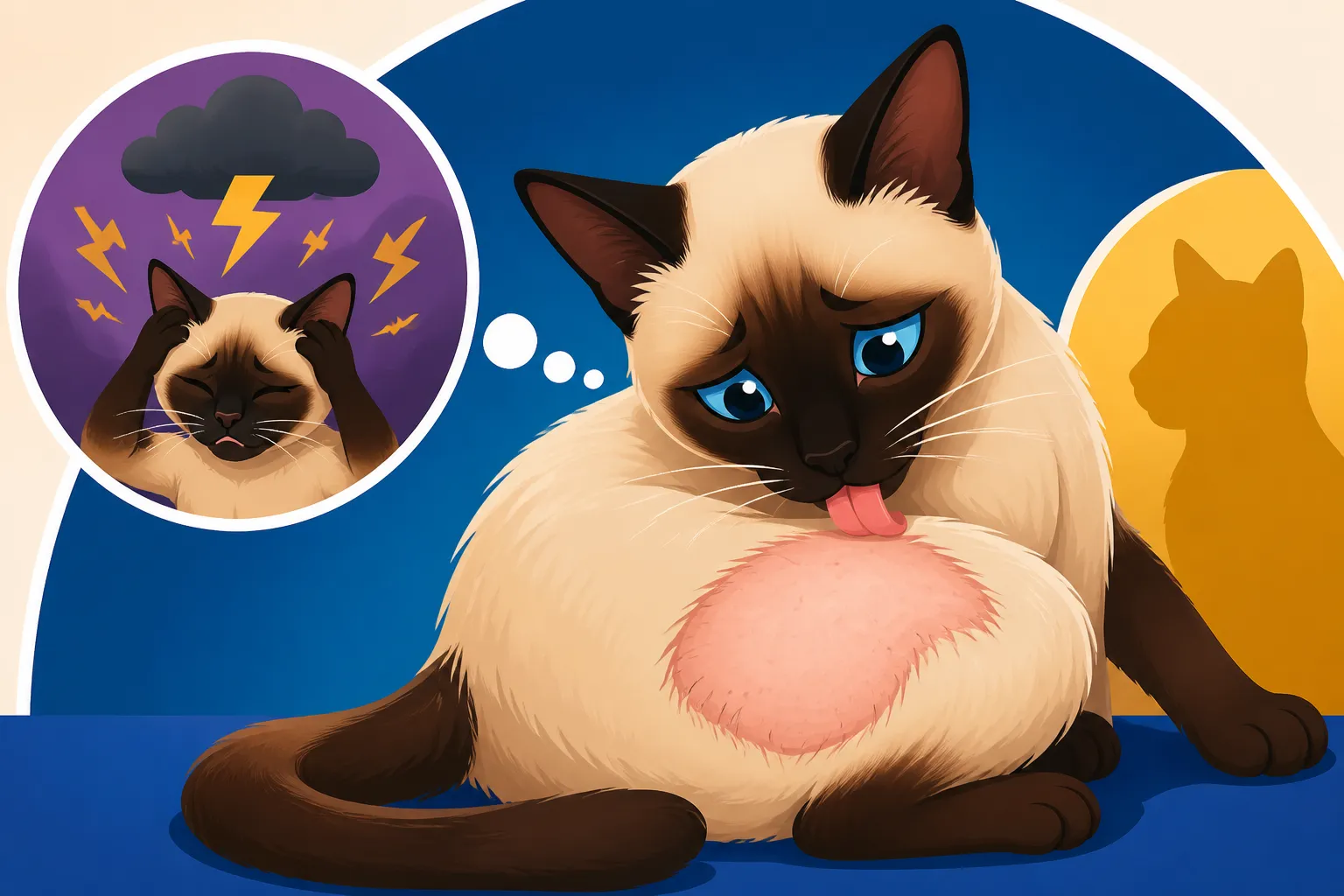
At its core, psychogenic alopecia isn't a physical disease of the skin itself, but rather a behavioral response to psychological distress. Think of it as a coping mechanism, albeit a self-destructive one. Your Siamese cat engages in compulsive, excessive grooming—licking, chewing, or even pulling out their fur—in an attempt to self-soothe when feeling anxious, stressed, or uncomfortable. This isn't just a casual lick here and there; it's an intense, repetitive behavior that ultimately leads to noticeable hair loss, often in specific patterns. The skin underneath might appear normal, or it could be irritated, reddened, or even have small abrasions from the constant attention.
It’s crucial to understand that while the outcome (hair loss) is visible, the root cause is invisible emotional turmoil. This condition often mirrors anxiety disorders in humans, where repetitive behaviors like nail-biting or hair-pulling serve a similar purpose. For a Siamese, known for their deep emotional connections and vibrant personalities, this can be an especially prevalent and heartbreaking issue to witness. The subtle cues of stress they might exhibit could easily be missed until the physical manifestation of baldness appears, leaving many owners feeling bewildered and concerned for their cat's well-being. This isn't just about vanity; it's about their inner world.
Why Siamese Cats are Prone to Overgrooming
Siamese cats are magnificent creatures, renowned for their striking looks, piercing blue eyes, and incredibly vocal nature. But beneath that elegant exterior lies a personality that is highly intelligent, intensely social, and remarkably sensitive. These very traits, while endearing, also make them particularly susceptible to stress-related behaviors like psychogenic alopecia.
Firstly, their high intelligence means they require significant mental stimulation. A bored Siamese is a stressed Siamese. If they don't have enough engaging toys, puzzle feeders, or interactive playtime, their clever minds can quickly turn to anxious energy, which might manifest as excessive grooming. Secondly, their deep bond with their human companions means they crave interaction and companionship. They are often described as "Velcro cats" for a reason; they want to be part of everything you do. This intense attachment can lead to significant separation anxiety if left alone for long periods or if there's a sudden change in your routine. For more on this, you might find our article on What Separation Anxiety Looks Like in a Siamese Cat particularly insightful. The anxiety stemming from perceived abandonment can be a massive trigger for overgrooming.
Moreover, Siamese cats are creatures of habit. They thrive on routine and predictability. Any disruption, no matter how small it seems to us, can throw their sensitive world into disarray. Their short, fine coats also play a role; hair loss tends to be more apparent and can develop quicker than in cats with denser, longer fur, meaning you might notice the problem sooner, or it might become quite severe before intervention. The grooming instinct, naturally strong in all felines, becomes an exaggerated, compulsive action for a stressed Siamese, a way to channel their internal unease into a tangible, repetitive act.
Common Stressors That Trigger Overgrooming
Pinpointing the exact stressor behind your Siamese cat's overgrooming can feel like detective work, but it’s a crucial step toward helping them. Given their sensitive nature, many factors can contribute to their anxiety.
Environmental Changes and Disruptions
Siamese cats, more than many other breeds, are deeply affected by their environment. They are connoisseurs of comfort and routine, and even minor shifts can feel monumental to them. Imagine their world as a perfectly ordered house of cards; one small tremor, and the whole thing might feel like it's about to collapse.
Moving to a new home is perhaps the most obvious environmental stressor. While exciting for us, it can be utterly terrifying for a cat whose entire sense of security is tied to familiar smells, sounds, and spaces. But it’s not just big moves. Even redecorating a room, introducing new furniture, or simply changing the placement of their litter box or food bowls can be enough to trigger anxiety. Think about it: suddenly their familiar scent markers are disturbed, their vantage points are altered, and their safe zones might feel compromised.
Changes in household dynamics are another major category. A new baby, a new partner moving in, or even a house guest staying for an extended period can disrupt their carefully constructed social order. The new scent, the different noises, the altered attention from their beloved humans—all can be perceived as threats or sources of instability. Similarly, if your work schedule changes and you're suddenly gone for longer hours, or if there's more noise and activity in the home due to children being home from school, it chips away at their sense of calm. These disruptions can leave a Siamese feeling vulnerable and unsettled, leading them to seek comfort in the repetitive action of overgrooming. They can’t tell us what’s wrong, so they act it out.
Social and Emotional Stressors
Beyond the physical environment, the social and emotional landscape of your Siamese cat's life plays an enormous role in their well-being. These cats form incredibly strong bonds, and any perceived threat to those bonds or their social stability can induce profound stress.
A primary concern is separation anxiety. As mentioned, Siamese cats are intensely people-oriented. They thrive on companionship and constant interaction. If you’re suddenly working long hours, traveling more, or simply not engaging with them as much as they're accustomed to, they can experience genuine distress. This isn't just boredom; it's a deep emotional yearning that can manifest in destructive behaviors, including relentless grooming. They miss you, and they don't understand why you're not there.
Lack of adequate attention or playtime is another significant factor. A Siamese cat needs daily, dedicated play sessions that tap into their prey drive and stimulate their sharp minds. Without this outlet for their energy and intelligence, they can become bored, frustrated, and anxious. This stress can easily translate into overgrooming. Conflict, whether with other pets or even within the human household, can also be a huge trigger. A new cat or dog, or even long-standing tension between existing pets, can create an atmosphere of unease that a sensitive Siamese absorbs. Grief over the loss of a human or animal companion can be equally devastating, leading to profound sadness and anxiety that manifests as excessive self-soothing. You can read more about dealing with these issues in our guide on Enrichment for a Siamese Cat That Gets Bored in an Hour.
Sometimes, it’s not just a lack of attention, but the quality of interaction. Inconsistent or harsh discipline, or even just a general lack of understanding of their emotional needs, can contribute to stress. Remember, these cats are highly sensitive to your moods and the overall atmosphere of the home. They pick up on subtle cues, and if the household energy is consistently tense, they will feel it deeply.
Underlying Medical Conditions to Rule Out
Now, before we settle on a diagnosis of psychogenic alopecia, it's absolutely critical that you take your Siamese cat to the veterinarian. As caring pet owners, we often jump to behavioral conclusions, but it’s simply impossible to distinguish between a stress-induced behavior and a physical ailment without professional medical evaluation. Many medical conditions can cause a cat to overgroom, and if these aren't ruled out first, you could be missing a treatable underlying problem that's causing them genuine discomfort.
Your vet will perform a thorough physical examination, looking for any signs of skin irritation, parasites, or other abnormalities. They will likely discuss your cat's history, diet, and any changes in their environment or routine. Expect your vet to recommend several diagnostic tests to rule out common culprits. These might include:
- Parasite Checks: This is usually the first line of investigation. Fleas, mites (like Cheyletiella or Notoedres cati), or even lice can cause intense itching, leading to furious overgrooming. Your vet might do skin scrapings, tape tests, or simply recommend a broad-spectrum parasite treatment.
- Allergy Testing: Cats can suffer from environmental allergies (atopy), food allergies, or flea allergy dermatitis. These can cause widespread itching. Dietary trials with novel proteins or hydrolyzed diets might be suggested for suspected food allergies, while environmental allergies might involve medication or specialized testing.
- Fungal or Bacterial Infections: Ringworm (a fungal infection) or bacterial skin infections can cause itchy lesions that prompt overgrooming. Skin cultures or biopsies might be performed to identify these.
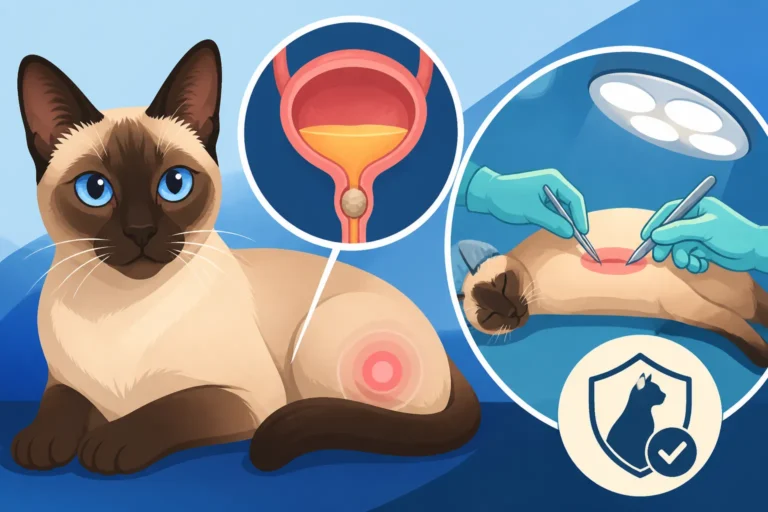
- Pain: Any chronic pain, such as arthritis, dental disease, or even urinary tract issues, can cause a cat to lick excessively at the painful area. For example, a cat with bladder inflammation might lick their abdomen excessively. Your vet may recommend X-rays, urinalysis, or blood work to investigate potential pain sources.
- Systemic Diseases: Less common but still possible, conditions like hyperthyroidism can sometimes cause changes in skin and coat quality, and even behavioral changes that lead to increased grooming. A blood test checking thyroid levels would identify this.
It's only after your vet has meticulously ruled out all possible medical causes that a diagnosis of psychogenic alopecia can truly be made. Skipping this step would be a disservice to your beloved Siamese, as you could be overlooking a treatable condition. This initial diagnostic phase is crucial for their long-term health, and treatments like those discussed in How Psychogenic Alopecia in a Siamese Cat Is Treated can only begin once medical issues are out of the way.
Recognizing the Signs and Taking Action
Once medical causes have been ruled out, the focus shifts to understanding the specific patterns of overgrooming and implementing strategies to alleviate your Siamese cat's stress. This stage requires keen observation and a patient, proactive approach.
Identifying Overgrooming Patterns
Catching the overgrooming in action can be tricky because many cats will stop when they know you're watching. They might prefer to groom excessively when alone or at night. Therefore, you're often left to interpret the physical evidence. The most tell-tale sign, of course, is the development of bald patches where fur should be. These patches are distinct from typical shedding; they appear thin, sparse, or completely devoid of hair.
Common areas for psychogenic alopecia in Siamese cats include:
- Abdomen: This is a very frequent site. Cats can easily reach their belly to lick, and it's a relatively private area for self-soothing.
- Inner Thighs and Groin: Similar to the abdomen, these are easily accessible and often hidden areas.
- Flanks: The sides of the body, particularly toward the back.
- Front Legs and Paws: Some cats will chew or lick their paws excessively.
When you examine these areas, you might also notice:
- Broken Hairs: Instead of clean baldness, you might see stubble or very short, brittle hairs, indicative of constant chewing or licking that breaks the hair shafts.
- Reddened or Irritated Skin: The skin might appear inflamed, red, or even slightly thickened due to the constant friction and moisture from licking. In some severe cases, minor skin infections can develop secondary to the irritation.
- Increased Hairballs: While all cats get hairballs, an overgrooming cat will ingest significantly more fur, leading to an increase in hairball frequency.
It's important to differentiate this from normal grooming. All cats groom, but overgrooming is obsessive, prolonged, and focused on specific areas to the point of causing damage. If you suspect your cat is overgrooming, try to surreptitiously observe them. Do they lick themselves even when there’s no apparent dirt or itch? Do they spend an unusually long time on one spot? These observations can help confirm your suspicions. It's also worth noting that the bald patches usually have fairly distinct edges, unlike the more diffuse thinning you might see with hormonal issues.
Strategies for Stress Reduction and Enrichment
Once you've ruled out medical causes and confirmed the behavioral nature of the issue, the real work of stress reduction begins. This isn't a quick fix, but a holistic approach to improving your Siamese cat's quality of life.
One of the most effective strategies is environmental enrichment. A bored Siamese is a stressed Siamese. Provide plenty of vertical space with tall cat trees and window perches where they can survey their kingdom. Offer a variety of toys, rotating them frequently to keep things novel. Puzzle feeders are excellent for mental stimulation, forcing them to "hunt" for their food rather than just eating from a bowl. Our article on Enrichment for a Siamese Cat That Gets Bored in an Hour offers many creative ideas.
Consistent routine is paramount. Siamese cats thrive on predictability. Establish regular feeding times, play sessions, and even cuddle times. This helps create a sense of security and control in their world. Try to stick to this schedule as much as possible, as even minor deviations can be unsettling for them.
Increased playtime and interaction are non-negotiable for this breed. Schedule dedicated, interactive play sessions at least twice a day, using wand toys that mimic prey. Laser pointers can be fun, but always end with a tangible "catch" (like a treat or a toy) to prevent frustration. Simply being present and engaging with your cat can significantly reduce their anxiety.
Consider calming aids. Pheromone diffusers or collars, such as those from Feliway, can release synthetic feline facial pheromones that help create a more serene environment. Some owners also find success with calming supplements like Zylkene (a milk protein derivative) or Purina Calming Care (a probiotic strain), though it’s always wise to discuss these with your vet first.
If your Siamese is truly suffering from loneliness, particularly if you're out of the house for long periods, consider if a companion animal might help. However, this decision requires careful consideration and a slow, supervised introduction to avoid adding more stress. If you're contemplating this, our guide on When a Siamese Cat Needs a Second Cat can provide valuable insights.
For pet parents worried about the expenses associated with investigating and managing conditions like psychogenic alopecia, particularly if specialist consultations or long-term medication become necessary, a comprehensive pet insurance plan can offer significant peace of mind. Providers like Healthy Paws offer coverage that can help mitigate the financial burden, ensuring you can prioritize your cat's health without added stress.
Working with Your Veterinarian and Specialists
Even after ruling out initial medical conditions, your veterinarian remains your most important partner in managing psychogenic alopecia. They can help you monitor your cat’s progress, suggest further strategies, and, if necessary, explore pharmaceutical interventions.
If environmental enrichment and behavioral modification alone aren’t enough to curb the compulsive grooming, your vet might discuss the possibility of anti-anxiety medications. These are not a cure, but they can help to reduce the underlying anxiety to a level where behavioral therapies can be more effective. Medications such as SSRIs (Selective Serotonin Reuptake Inhibitors) like fluoxetine or tricyclic antidepressants like clomipramine are sometimes prescribed for feline anxiety disorders. These typically require a period of adjustment and careful monitoring for side effects, and they are usually prescribed in conjunction with continued behavioral strategies, not as a standalone solution. It’s also worth reading Whether Medication Helps a Siamese Cat's Pica, as pica and psychogenic alopecia can sometimes stem from similar anxiety roots.
For particularly complex or stubborn cases, your vet might recommend a referral to a veterinary behaviorist. These are veterinarians with advanced training and certification in animal behavior. A behaviorist can provide an incredibly detailed assessment of your cat's situation, identify subtle triggers you might have missed, and develop a highly tailored, multi-modal treatment plan. This plan might involve specific behavioral modification techniques, advanced environmental management, and a deeper understanding of feline communication.
The process of managing psychogenic alopecia is often one of trial and error. It requires patience, consistency, and close communication with your veterinary team. They will help you monitor your cat for improvements, identify any setbacks, and adjust the treatment plan as needed. Remember, every cat is an individual, and what works for one might not work for another. Don't get discouraged if the first approach isn't a magic bullet; persistence is key. Throughout this journey, knowing that you have the support of your vet and potentially a pet insurance plan from Healthy Paws can ease the financial strain, allowing you to focus on your cat's recovery.
Long-Term Management and Prevention
Successfully addressing psychogenic alopecia isn't just about stopping the immediate licking; it's about creating a sustainable environment and lifestyle that promotes your Siamese cat's mental well-being for the long haul. This requires ongoing vigilance and a commitment to their emotional needs.
Maintaining a Stable and Stimulating Environment
The foundation of long-term success lies in consistently providing a stable, predictable, and stimulating environment. Remember how sensitive Siamese cats are to change? This sensitivity doesn't disappear once the fur grows back. Proactive management of potential stressors becomes a way of life.
This means continuing to prioritize environmental enrichment. Keep those cat trees accessible, rotate toys regularly, and use puzzle feeders to engage their minds. Consider adding new elements, like a catio for safe outdoor exposure or specialized feline videos, to keep things fresh. Read our advice on How to Rearrange a Home for a Blind Siamese Cat for ideas on how to create a consistent and safe environment, even though your cat isn't blind, the principles of stable arrangement still apply.
Consistency in routine remains vital. Strive for regular feeding times, play schedules, and consistent attention from family members. If there are unavoidable changes coming, like a house move or a new baby, implement them gradually and proactively introduce positive associations. For instance, before a move, start bringing out carriers and toys associated with the new home. Our guide on How a Siamese Cat Handles a House Move offers comprehensive strategies for these situations.
Finally, regular health check-ups are essential. Even if your cat has been diagnosed with psychogenic alopecia, underlying medical issues can always develop later, or even recur. Routine veterinary visits, including annual bloodwork, can catch potential health problems early before they contribute to stress and a return of overgrooming. This is particularly important for an aging Siamese cat, as health issues can emerge more frequently. Our guide on What a Siamese Cat's Yearly Bloodwork Should Cover provides details on what those comprehensive checks entail.
Behavioral Modification and Patience
Addressing psychogenic alopecia is definitely a marathon, not a sprint. You won't see results overnight, and there will likely be setbacks. Patience, consistency, and a deep understanding of feline behavior are your most important tools.
Focus on positive reinforcement. Reward your Siamese cat for calm behavior, for playing with appropriate toys, and for engaging in normal grooming. Avoid punishment, which can actually increase anxiety and exacerbate the problem. Yelling or spraying water might stop the licking in the moment, but it doesn't address the underlying stress and can damage your bond.
Gradually teaching your Siamese cat to cope with minor changes can also be beneficial. This might involve controlled, short exposures to new stimuli, always paired with positive experiences like treats or praise. Siamese cats are incredibly intelligent and trainable; you might be surprised at what they can learn with patience and positive methods. For instance, you could even try clicker training to reinforce desired behaviors, as discussed in How Trainable a Siamese Cat Really Is.
One of the biggest challenges is simply waiting for the fur to grow back. It can take weeks or even months for full regrowth, which can be disheartening. Continue with your management strategies, document your cat's progress with photos, and celebrate small victories. If you're working with a veterinary behaviorist, adhere strictly to their recommendations, as their plans are often meticulously designed.
Remember that a Siamese cat’s emotional well-being is as critical as their physical health. Investing time and effort into understanding and managing their stress is a profound act of love. Having a reliable pet insurance provider like Healthy Paws can be a huge asset throughout this journey, covering everything from diagnostic tests to specialist consultations and potential long-term medications, ensuring you can always provide the best care for your sensitive Siamese.
Psychogenic Alopecia vs. Other Grooming Behaviors
| Feature | Psychogenic Alopecia (Behavioral) | Flea Allergy Dermatitis (Medical) | Food Allergy (Medical) | Ringworm (Medical) |
|---|---|---|---|---|
| Primary Cause | Stress, anxiety, boredom, emotional distress | Allergic reaction to flea saliva | Allergic reaction to food protein | Fungal infection |
| Hair Loss Pattern | Bald patches, broken hairs; often on abdomen, inner thighs, flanks, front legs | Patchy, widespread, often over rump/tail base due to intense itching | Patchy, widespread, can be anywhere | Circular, scaly bald patches; often on head/paws |
| Skin Appearance | Often normal, sometimes reddened, irritated, or thickened | Red, inflamed, scabby, "miliary dermatitis" (tiny bumps) | Red, inflamed, scabby | Red, scaly, crusty; may have central healing |
| Itching Level | Moderate to intense, but self-soothing | Severe, relentless, frantic itching | Moderate to severe | Variable, can be itchy or non-itchy |
| Behavioral Cues | May groom in private, stops when observed; increased anxiety signs | Visible scratching, biting, frantic rubbing; often focused after flea bites | General discomfort, scratching, diarrhea, vomiting | Licking at affected areas; less overt behavioral signs than stress |
| Diagnosis | Rule out medical causes; observation of behavior | Flea comb, skin scrapings, trial with flea prevention | Elimination diet trial, novel protein diet | Fungal culture (DTM), Wood's lamp |
| Response to Treatment | Improves with stress reduction, enrichment, behavior modification, sometimes medication | Improves rapidly with effective flea control | Improves with appropriate dietary changes | Improves with antifungal medications |
Disclaimer
The information provided in this guide is for general educational purposes only and should not be considered a substitute for professional veterinary advice. Always consult with a qualified veterinarian for any health concerns or before making any decisions related to your pet's medical care.