What Blockage Surgery Involves for a Siamese Cat
The unique, sometimes perplexing, behaviors of Siamese cats can be a source of endless fascination and, occasionally, real worry for their human companions. One such behavior, wool sucking or pica, can unfortunately lead to a life-threatening intestinal blockage, leaving owners reeling from the sudden emergency and the daunting prospect of surgery. This guide is here to walk you through exactly what happens when your beloved Siamese needs emergency surgery for an intestinal foreign body, from diagnosis to recovery.
Understanding Intestinal Blockages in Siamese Cats
It’s a heartbreaking reality that many Siamese cat owners face: their usually vibrant, talkative companion suddenly becomes withdrawn, sick, and in pain. Often, the culprit is something they’ve ingested, something that has now caused an obstruction in their delicate digestive tract.
Why Siamese Cats are Prone to Pica and Blockages
Siamese cats are, by their very nature, intensely curious and often exhibit behaviors that can seem a bit quirky to those unfamiliar with the breed. One of these, pica, is the tendency to eat non-food items. For many Siamese, this manifests as "wool sucking," where they compulsively lick, chew, and sometimes ingest fabric items like blankets, sweaters, or even carpet fibers. It's a behavior often thought to be genetic, linked to their intense oral fixation and potentially, in some cases, early weaning. While it might seem harmless at first, the repeated ingestion of these materials, particularly linear foreign bodies like string, yarn, or even elastic bands, can be incredibly dangerous.
Imagine a piece of string being swallowed. Instead of passing through, it can get caught, often at the base of the tongue or in the stomach. As the intestines try to move around it, the string becomes taut, effectively "sewing machine"-ing through the delicate bowel wall. This can cause severe damage, including perforations and necrosis (tissue death), which are medical emergencies. It's not just fabrics; small toys, hair ties, or even parts of plants can also cause blockages. If you've ever wondered Why a Siamese Cat Sucks Wool or Whether Pica Is a Medical Problem in a Siamese Cat, understanding this risk is paramount.
Recognizing the Urgent Signs of a Blockage
Identifying a blockage early can be the difference between a swift recovery and a much more complicated, expensive, and risky medical journey. The signs can sometimes be subtle, but they escalate quickly. The most common and alarming symptom is persistent vomiting. This isn't just a hairball; it's often repeated, forceful vomiting, sometimes of food, sometimes just bile, and it often occurs after they've eaten anything at all. If your Siamese has a history of fabric chewing and then starts vomiting, especially Why a Siamese Cat Vomits After Eating Fabric after swallowing something, you need to act fast.
Other critical signs to watch for include:
- Lethargy and Weakness: Your normally energetic cat will be unusually quiet, listless, and unwilling to play or interact.
- Loss of Appetite (Anorexia): They will refuse food and water, which quickly leads to dehydration.
- Abdominal Pain: They might guard their belly, cry out when touched, or assume a hunched-up posture.
- Straining to Defecate or Diarrhea: Despite trying, they might pass no stool, or sometimes, paradoxical diarrhea (liquid stool passing around the blockage) can occur.
- Changes in Behavior: They might hide, become irritable, or display other unusual behaviors due to discomfort.
These symptoms demand immediate veterinary attention. Don't wait to see if it "gets better" on its own; intestinal blockages are not something to take lightly. Any suspicion of Signs a Siamese Cat Has Swallowed Fabric warrants an urgent trip to the vet.
Diagnosis: Pinpointing the Problem
Once you arrive at the vet with a suspected blockage, the diagnostic process begins. This stage is crucial for confirming the presence of an obstruction, identifying its location, and assessing the overall health of your Siamese.
Initial Vet Examination and Imaging
Your veterinarian will start with a thorough physical examination. They will carefully palpate (feel) your cat's abdomen, checking for pain, distension, or the presence of a foreign body. Sometimes, a skilled vet can feel a mass or a "string sign" if a linear foreign body is present. However, many foreign bodies are too small or soft to be felt.
This is where imaging comes in. X-rays (radiographs) are the first line of defense. The vet will likely take several views of your cat's abdomen. Sometimes, a foreign body, especially if it's dense like a bone or a toy, will be clearly visible. More often, especially with fabric or string, the X-rays will show secondary signs of an obstruction: gas build-up in specific loops of intestine, evidence of intestinal bunching or plication (accordion-like folding caused by a linear foreign body), or dilated loops of bowel. Sometimes, if the initial X-rays are inconclusive but suspicion remains high, your vet might recommend a barium study, where your cat swallows a contrast liquid that highlights the digestive tract on subsequent X-rays, showing exactly where it stops or narrows.
Ultrasound is another incredibly valuable diagnostic tool. A veterinary ultrasonographer can often visualize the foreign body directly, assess the health and viability of the intestinal wall, and detect any fluid build-up or signs of inflammation. This can be critical for determining the urgency and potential complexity of surgery.
The Role of Bloodwork
While blood tests don't directly diagnose a physical blockage, they are absolutely vital for understanding your cat's overall condition and preparing for surgery. A complete blood count (CBC) can reveal signs of dehydration (elevated red blood cell count), infection (elevated white blood cell count), or anemia (if internal bleeding is occurring). A biochemistry panel provides information about organ function, particularly the kidneys and liver, which can be affected by dehydration or prolonged illness. Electrolyte levels are also crucial, as severe vomiting can lead to imbalances that need to be corrected before anesthesia.
These diagnostic steps, from the physical exam to advanced imaging and bloodwork, are often performed under stressful, emergency circumstances and can add up. It's in times like these that having robust pet insurance can be a huge relief. Providers like Healthy Paws can help soften the financial blow, allowing you to focus on getting your Siamese the best possible care without worrying about every single test.
The Surgical Procedure: What to Expect
Once a blockage is confirmed, and your Siamese is stable enough, surgery often becomes the next step. It's a major procedure, but one that can save your cat's life.
Pre-operative Preparations
Before your Siamese goes under the knife, the veterinary team will work to stabilize them. This usually involves administering intravenous (IV) fluids to correct dehydration and electrolyte imbalances, giving anti-nausea medications to stop vomiting, and providing pain relief. They will also perform a thorough pre-anesthetic assessment, which includes reviewing bloodwork, listening to your cat's heart and lungs, and sometimes performing an ECG, especially if your cat is older or has underlying health concerns.
The goal is to ensure your Siamese is as healthy and stable as possible going into anesthesia, minimizing risks. You'll discuss the procedure with your vet, including the risks involved, and sign consent forms. This can be a very emotional time, but remember that the veterinary team has your cat's best interests at heart.
The Surgery Itself
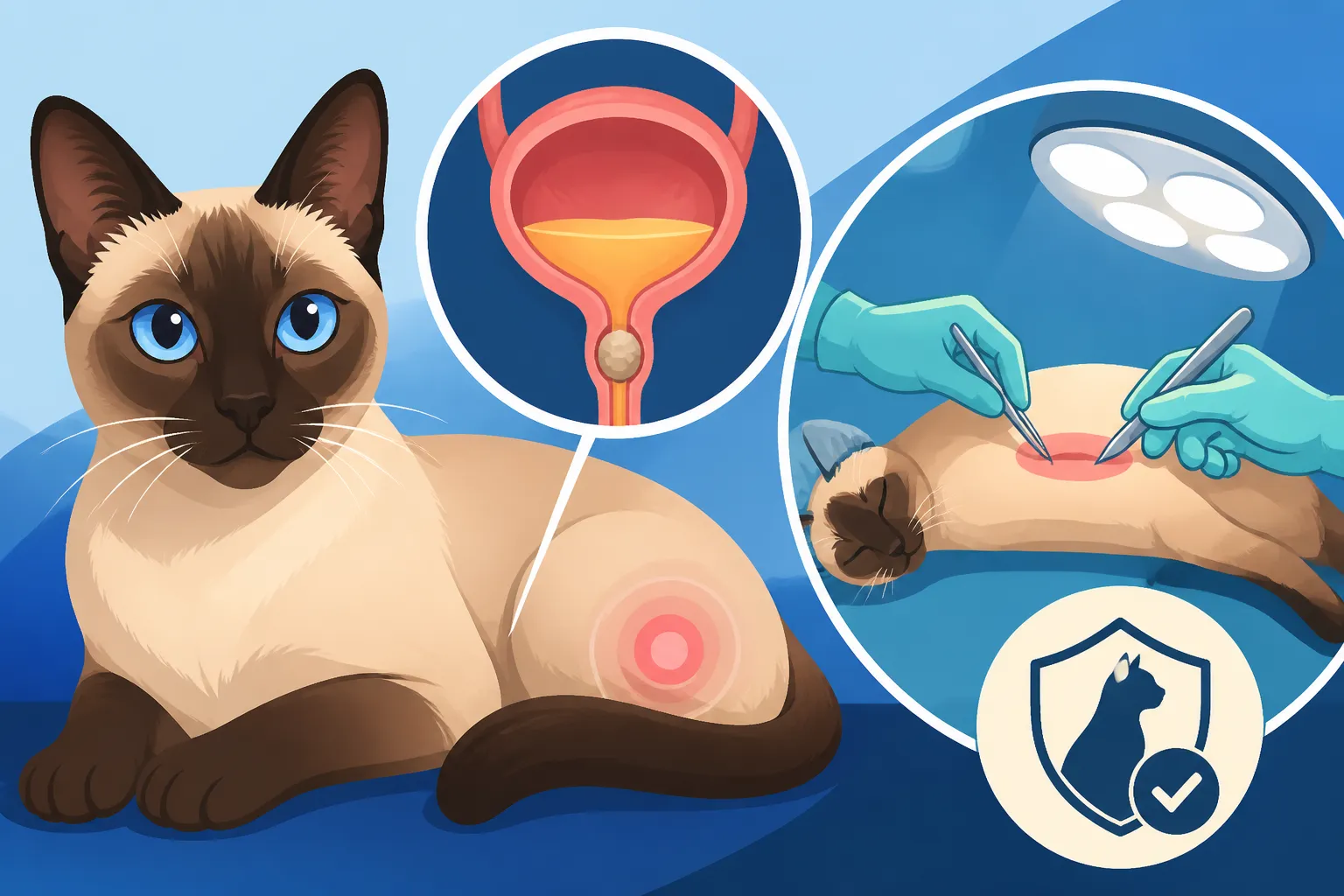
The procedure for removing an intestinal foreign body is called an exploratory laparotomy. This involves making an incision in the abdomen to allow the surgeon access to the abdominal organs. Once inside, the surgeon will carefully examine the intestines, stomach, and other organs to locate the blockage.
If the foreign body is in the stomach, a gastrotomy (incision into the stomach) is performed to remove it. If it's in the intestines, an enterotomy (incision into the intestine) is done. Linear foreign bodies are particularly tricky. They often cause the intestines to bunch up, and the surgeon must carefully unravel them before making an incision to remove the object, often needing multiple small incisions or carefully guiding the string out.
After the foreign body is removed, the surgeon meticulously inspects the entire length of the intestine for any damage, such as perforations or areas where the tissue has died (necrosis) due to the obstruction. If an area of the intestine is severely damaged or non-viable, that section must be surgically removed, and the healthy ends reconnected (a procedure called resection and anastomosis). This adds significant complexity and risk to the surgery. Finally, the incisions in the stomach or intestines are carefully sutured closed, the abdomen is flushed, and the abdominal wall and skin are closed.
Potential Risks and Complications
No surgery is without risk, and intestinal foreign body removal is a significant procedure with several potential complications. These include:
- Anesthesia Risks: While modern anesthesia protocols are very safe, there's always a small risk associated with general anesthesia.
- Infection: Despite sterile techniques, infection can occur at the incision site or internally.
- Dehiscence: The surgical incision, either in the abdomen or, more critically, in the intestines, could potentially open up post-surgery. Intestinal dehiscence leads to leakage of intestinal contents into the abdomen, causing a severe, often fatal, condition called peritonitis. This is why careful post-operative monitoring is vital.
- Stricture Formation: Scar tissue can form at the site of an enterotomy or anastomosis, potentially narrowing the intestine and causing future issues.
- Recurring Pica/Blockage: Unfortunately, the underlying behavioral predisposition to pica remains, so without diligent preventative measures, a Siamese cat could potentially ingest another foreign body.
- Post-Operative Ileus: The intestines may be slow to regain normal motility after surgery.
Knowing these risks, and understanding that your Siamese cat’s prognosis hinges on early detection, can be incredibly stressful. This is another area where reliable pet insurance, such as a plan from Healthy Paws, provides invaluable peace of mind. They can help cover a significant portion of the emergency vet bills, including diagnosis, surgery, and follow-up care, which can easily run into thousands of dollars for complex procedures like those needed for Signs a Siamese Cat Has an Intestinal Blockage.
| Aspect | Description | Potential Cost Range (USD) |
|---|---|---|
| Initial Exam | Physical check, vitals, pain assessment | $60 – $150 |
| X-rays | Multiple views to locate obstruction or secondary signs | $200 – $500 |
| Ultrasound | Detailed imaging to visualize foreign body, assess bowel viability | $300 – $800 |
| Bloodwork | Pre-anesthetic panel, CBC, chemistry, electrolytes | $150 – $400 |
| IV Fluids/Meds | Stabilization, rehydration, pain management, anti-nausea | $100 – $300 (per day) |
| Surgery (Gastrotomy/Enterotomy) | Anesthesia, surgical removal of foreign body, closure | $2,000 – $6,000+ |
| Resection & Anastomosis (if needed) | Removal of damaged bowel section and rejoining healthy ends | Adds $1,000 – $3,000+ |
| Post-Op Hospitalization | Intensive care, monitoring, medications, IV fluids (1-3 days typical) | $300 – $800 (per day) |
| Follow-up Appointments | Incision checks, medication adjustments | $50 – $150 (per visit) |
Note: Costs are estimates and can vary widely based on location, veterinary clinic, complexity of the case, and duration of hospitalization.
Post-Operative Care and Recovery Journey
Surgery isn't the end of the journey; it's the beginning of a crucial recovery period. Proper post-operative care is paramount to prevent complications and ensure your Siamese cat gets back to their old self.
Immediate Post-Op Hospitalization
After surgery, your Siamese will typically spend at least one to three days in the veterinary hospital for close monitoring. This immediate post-op period is critical. They will receive ongoing pain management to keep them comfortable, IV fluids to maintain hydration and provide necessary nutrients, and often antibiotics to prevent infection. The veterinary team will meticulously monitor their vital signs, watch for any signs of vomiting, and check the incision site for swelling, redness, or discharge. Early signs of complications like fever, continued vomiting, or lethargy will be addressed immediately. It's during these few days that the most serious complications, such as intestinal dehiscence, are likely to occur.
Home Care and Convalescence
Once your vet determines your Siamese is stable enough to go home, you’ll receive detailed instructions for their care. This home care is a partnership between you and your veterinary team. Expect to:
- Restrict Activity: This is vital. No jumping, running, or strenuous play. A quiet, confined space (like a large crate or a small room) is often recommended to prevent stress on the incision.
- Special Diet: Your cat will likely need small, frequent meals of easily digestible food for a week or two. Your vet will advise on the best food choices to ease their digestive system back into normal function.
- Medication: You’ll be sent home with pain medication, and potentially antibiotics or anti-nausea drugs, which must be given exactly as prescribed.
- Incision Care: You'll need to monitor the abdominal incision daily for any signs of swelling, redness, discharge, or if your cat is licking it excessively. An E-collar (cone) will be a non-negotiable accessory to prevent them from interfering with the stitches.
- Monitor for Complications: Keep a close eye on their appetite, water intake, litter box habits, and overall demeanor. Any return of vomiting, extreme lethargy, or reluctance to eat or drink should prompt an immediate call to your vet.
The recovery period can feel long and arduous, both for you and your cat. It requires patience and diligence. Preventing a recurrence is also a major part of this stage. Thinking about How to Cat Proof a Home for a Siamese Cat becomes incredibly important after such an ordeal. Again, the financial implications of this extensive recovery, including medications, special food, and potential follow-up visits, can be substantial. Comprehensive pet insurance plans like those offered by Healthy Paws are designed to alleviate this burden, allowing you to provide the best care for your recovering feline friend without added financial stress.
Preventing Future Blockages
The absolute best "treatment" for an intestinal blockage is preventing it from ever happening. For Siamese cat owners, this means a proactive approach to managing their unique behaviors.
Environmental Management
Since pica is a common trait in Siamese cats, your home environment needs to be tailored to minimize risks. This involves a vigilant effort to remove or secure any items that could be tempting to chew and ingest.
- Hide or Secure Tempting Fabrics: This means putting away sweaters, blankets, socks, and other textile items your Siamese might try to suck or eat. Consider using cat-proof containers or keeping them in closed closets.
- Eliminate Linear Foreign Bodies: String, yarn, dental floss, ribbon, elastic bands, charging cables, and tinsel are incredibly dangerous. These items must be kept out of reach at all times. Even a tiny piece of string can cause a major problem.
- Secure Small Objects: Any small toys, rubber bands, paper clips, or other household items that could be swallowed should be stored away.
- Waste Management: Ensure all trash cans have secure lids, preventing access to food scraps or packaging that could pose a risk.
- Plant Safety: Research common household plants and remove any that are toxic or tempting for your Siamese to chew on.
Creating a safe environment takes constant awareness, but it's a small price to pay for your cat's health and safety.
Behavioral Modification and Enrichment
Addressing the underlying behavioral drive for pica is another key component. While it’s often genetic, managing stress and providing appropriate outlets can help.
- Provide Appropriate Chew Toys: Offer safe, durable chew toys specifically designed for cats. Some cats respond well to toys infused with catnip or other enticing scents. This can help redirect their chewing instinct to safe items.
- Increase Mental and Physical Enrichment: A bored or anxious Siamese cat is more likely to engage in pica. Ensure your cat has plenty of opportunities for play, interaction, and mental stimulation. This can include:
- Interactive Play: Daily play sessions with wand toys, laser pointers (used responsibly), or fetch can tire them out and satisfy their hunting instincts.
- Puzzle Feeders: These can slow down eating and provide mental stimulation.
- Vertical Space: Cat trees, shelves, and window perches give them places to climb and observe their surroundings.
- Companionship: Siamese cats thrive on interaction. If you're often away, consider if A Siamese Cat Should Not Live Alone or if a compatible companion might alleviate boredom or separation anxiety.
- Consider Dietary Changes: In some cases, increasing the fiber content in your cat's diet might help. Your vet can advise if Whether More Fiber Stops a Siamese Cat's Pica is a suitable approach for your particular cat.
- Address Stress or Anxiety: If pica seems linked to stress (e.g., changes in routine, new pets, separation anxiety), consult your vet or a certified feline behaviorist. They might recommend pheromone diffusers, anti-anxiety supplements, or even prescription medication in severe cases.
Learning How to Stop a Siamese Cat Eating Fabric involves a multi-faceted approach, combining environmental controls with enrichment and, if necessary, professional behavioral guidance. Staying proactive can spare both you and your cherished Siamese the trauma and cost of emergency surgery.
Disclaimer
This article is intended for informational purposes only and does not constitute veterinary advice. Always consult a qualified veterinarian for any health concerns or before making any decisions about your pet's medical care.