Whether a Traditional Siamese Cat Is the Same Breed
It's incredibly common to feel a bit lost in the maze of cat breed terminology, especially when you start hearing about "traditional Siamese" versus "modern Siamese." Many people wonder if these are truly separate breeds, like comparing a Persian to a Maine Coon, or if it's just a matter of different styles within the same beloved Siamese family. The truth is, the distinction can be confusing, often leading to misunderstandings about what you're actually getting when you bring one of these vocal, affectionate felines into your home. This guide aims to clear up that confusion, explaining the history, the current reality of breed standards, and what it all means for you as a potential or current Siamese owner.
Understanding the "Traditional" and "Modern" Siamese Concepts
When people talk about "traditional" and "modern" Siamese cats, they're usually referring to distinct visual styles that have emerged over the decades. It's not unlike how fashion trends evolve, but in this case, it's about the physical appearance of a beloved cat breed. This shift hasn't been without debate and passion from breeders and enthusiasts alike.
The "Traditional" or "Applehead" Siamese
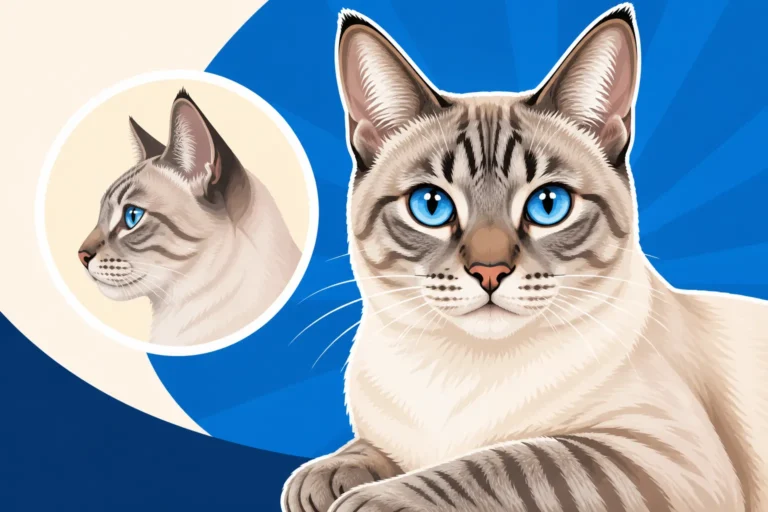
Imagine the Siamese cats from old photographs, maybe even those charming illustrations in vintage cat books. That's typically what people envision when they speak of the "traditional" Siamese. This type is often characterized by a rounder head, a sturdier, more muscular body, and less extreme features overall. They tend to have a slightly shorter muzzle, a broader skull, and ears that are more proportionate to their head size, rather than exceptionally large. Sometimes, people even refer to them as "applehead" Siamese due to the rounded shape of their head. These cats embody a look that was common decades ago, before selective breeding began to favor a different aesthetic. Many owners are drawn to this look because it feels more "classic" or reminiscent of the breed's earlier days in the Western world, perhaps even closer to the original cats that came from Siam.
The "Modern" or "Wedgehead" Siamese
On the flip side, the "modern" Siamese is what you'll typically see winning ribbons in today's cat shows. This type has undergone significant selective breeding to achieve a very specific, refined look. The most striking features are the elongated, wedge-shaped head, large ears set wide apart, a long, tubular body, and incredibly slender legs. Their eyes are often almond-shaped and slanted, adding to their distinctive, almost ethereal appearance. This "wedgehead" style has been actively promoted and standardized by major cat registries for many years, becoming the dominant aesthetic in the show ring. Breeders often aim for these extreme features to meet the current written breed standards, which emphasize length, angularity, and a sleek profile. You can delve into What a Siamese Cat Looks Like by the Standard to understand these modern ideals fully.
The Genetic Reality: Are They the Same Breed?
This is where the heart of the confusion lies. Are these visual differences significant enough to classify them as separate breeds? In the eyes of most major international cat registries, the answer is usually no.
One Breed, Different Phenotypes
For the vast majority of official cat fancy organizations, such as the Cat Fanciers' Association (CFA) or The International Cat Association (TICA), there is only one breed recognized as the "Siamese." The "traditional" and "modern" terms are not official breed designations but rather describe different phenotypes or appearances within that single breed. Think of it like different styles of cars from the same manufacturer – they are all the same make, but they have evolved in design over time. Breeders selecting for the "modern" look have simply taken the existing Siamese gene pool and emphasized certain traits through careful breeding over generations. This process has led to the dramatic changes in head shape and body type, as explored in How the Applehead Siamese Cat Became the Wedge.
The Emergence of the "Thai Cat"
To further complicate matters, there's another crucial player in this discussion: the Thai cat. The Thai cat is a distinct breed that has been established by some registries (like TICA, but not CFA) with the specific goal of preserving the original, moderate Siamese appearance. When people speak of a "traditional Siamese," they are often, inadvertently, describing the Thai cat. The Thai cat essentially represents the "old style" or "applehead" Siamese before the extreme "wedgehead" look became prevalent. So, while a "traditional Siamese" isn't a separate breed from the modern Siamese in most registries, the Thai cat is a separate breed that closely resembles what many people consider the traditional Siamese. This distinction is vital for anyone trying to understand the lineage and standards. If you're curious about this specific breed, What the Thai Cat Is Next to a Siamese Cat provides more detail.
Breeding Philosophies and Registries
The divergence in appearance stems from different breeding philosophies. Breeders who adhere to the "modern" standard aim to produce cats that excel in the show ring, often pushing the boundaries of what the standard describes. These cats are meticulously bred for their long, lean lines and angular features. On the other hand, breeders who favor the "traditional" look, or who breed Thai cats, are often focused on preserving the more robust, moderate build that characterized the Siamese for centuries before the show ring trends began. They value a rounder face and a sturdier body. It’s a matter of preference and interpretation of the breed’s historical aesthetic.
Visual Differences and Their Breeding Implications
The visual distinctions between what people call "traditional" and "modern" Siamese are quite stark, especially when you see them side-by-side. These differences are a direct result of selective breeding and have significant implications for breeders and potential owners.
Head Shape and Body Type
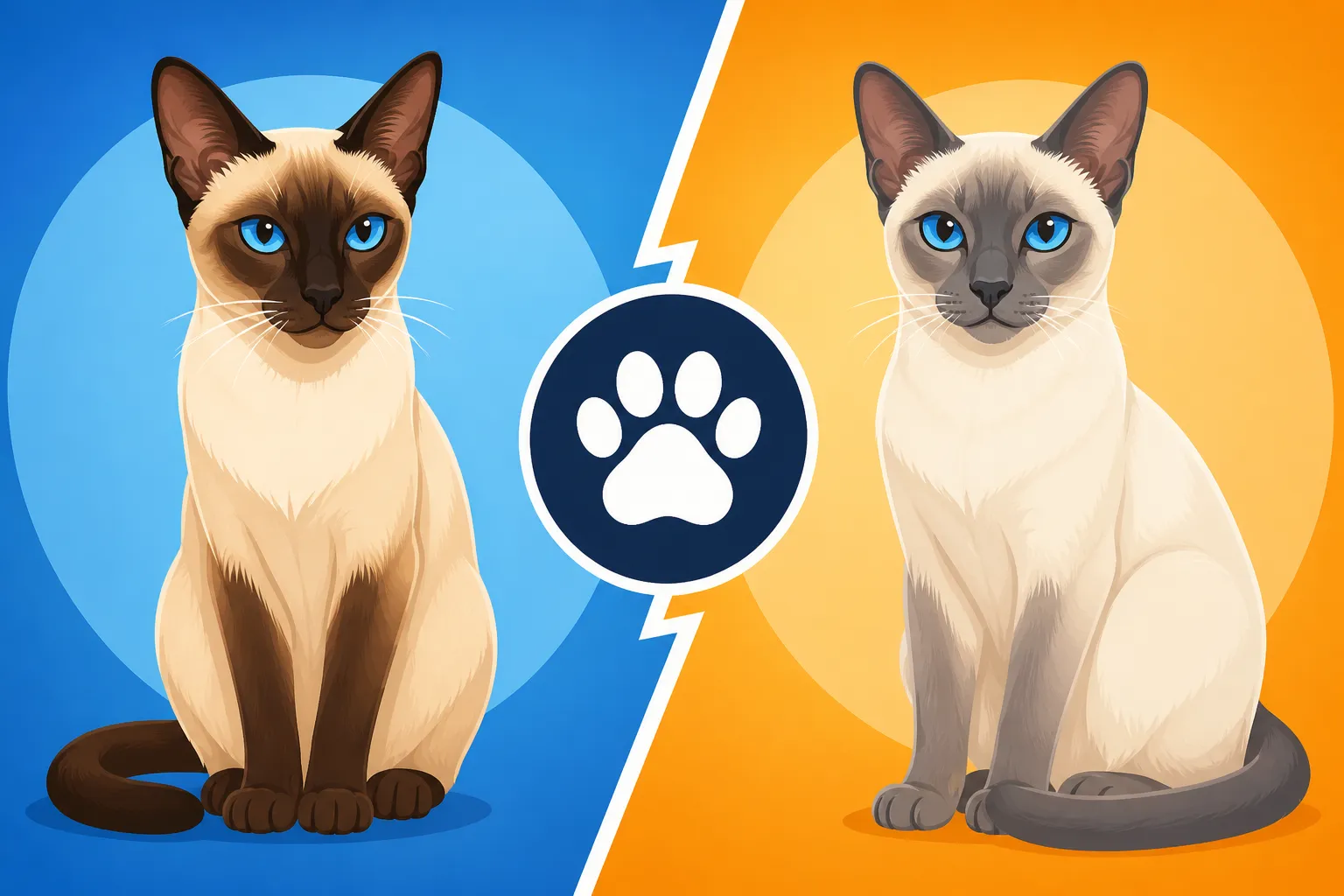
The most obvious difference lies in the head. The "applehead" or "traditional" Siamese typically has a broader, more rounded skull, a slightly shorter, wider muzzle, and a gently curved profile. Their eyes are usually more rounded, though still blue, and their ears are medium-sized and set not as widely apart. Their body is generally more cobby and muscular, giving them a less delicate appearance. In contrast, the "wedgehead" or "modern" Siamese possesses a distinctly triangular head, tapering from wide-set ears to a fine muzzle. Their ears are large and flared, completing the triangular shape. Their eyes are almond-shaped and often appear to slant towards the nose, creating that intense, focused gaze. Their bodies are long, svelte, and graceful, often described as "pipestem" legs, highlighting their refined bone structure. For a visual comparison, you might want to look at descriptions of What an Applehead Siamese Cat Looks Like versus What a Modern Wedge Siamese Cat Looks Like.
Here's a quick comparison of general features:
| Feature | "Traditional" (Applehead) Siamese / Thai Cat | "Modern" (Wedgehead) Siamese |
|---|---|---|
| Head Shape | Rounded, broad skull, shorter muzzle | Long, triangular (wedge), fine muzzle |
| Ear Size | Medium, proportionate | Large, wide-set, flared |
| Body Type | More muscular, stocky, cobby | Long, slender, tubular, graceful |
| Legs | Sturdy, proportionate | Long, thin, delicate |
| Eyes | More rounded, still blue | Almond-shaped, slanted, intense blue |
| Temperament | Often perceived as calmer, but still vocal | Highly vocal, active, intelligent |
| Voice | Still loud, but perhaps slightly less piercing | Famous for its loud, demanding "meezer" yowl |
Color and Points
While point coloration is a hallmark of the Siamese breed, regardless of type, it’s worth noting. Both traditional and modern Siamese cats come in the classic point colors: seal point, blue point, chocolate point, and lilac point. Some registries may also accept red point, cream point, or lynx point Siamese, though these often fall under the Colorpoint Shorthair designation, which is closely related but distinct. The color of the points is primarily determined by temperature-sensitive genetics, not by the head shape or body type. Care & Nutrition: Why a Siamese Cat Has Dark Points explains this fascinating phenomenon.
Breeding for Type and Market Demand
Breeders dedicated to the "modern" show standard carefully select pairings to produce kittens that will exemplify the extreme wedgehead look. This often involves a deep understanding of pedigrees and genetics to consistently achieve the desired traits. Because these cats are bred to a specific, challenging standard, they can sometimes command a higher price, particularly for "show quality" kittens. Conversely, breeders of "traditional" Siamese (or more accurately, Thai cats) focus on maintaining the older, more moderate phenotype. They might find their market among those who prefer a less extreme look or who believe these cats might be hardier. This can affect What a Siamese Cat Costs to Buy in 2026, with some "traditional" breeders charging less than those producing show-line "wedge" Siamese.
Real-World Impact for Owners: Health, Temperament, and Cost
Beyond the fascinating historical and genetic discussions, what do these distinctions mean for someone looking to welcome a Siamese into their home? It boils down to considerations of health, temperament, and the financial commitment involved.
Perceived Health Differences
There's a widely held belief among some enthusiasts that "traditional" or "applehead" Siamese cats are inherently healthier than their "modern," more extreme counterparts. The argument often suggests that breeding for extreme features can sometimes lead to a narrower gene pool or predispose cats to certain health issues. For example, some worry that the extreme wedge head could be linked to dental or respiratory issues, though concrete scientific evidence directly linking the "modern" type to higher rates of specific diseases compared to the "traditional" type is often debated and not definitively established.
However, it's true that any purebred cat can be prone to certain genetic conditions. Siamese cats, regardless of their specific type, are known for certain predispositions, such as amyloidosis, a condition where abnormal protein deposits can lead to organ failure, particularly in the liver. Other concerns can include certain cancers, like mediastinal lymphoma, or issues with eye health such as progressive retinal atrophy (PRA). For these concerns, regardless of type, many owners find peace of mind with pet insurance plans, like those offered by Healthy Paws, which can help cover unexpected veterinary costs. Ultimately, a responsible breeder, whether they breed "traditional" or "modern" types, will screen their breeding cats for known genetic issues and provide health guarantees. You can also explore Whether an Applehead Siamese Cat Is Healthier for more perspectives on this topic.
Temperament and Personality
One of the most defining characteristics of the Siamese cat is its personality, and this trait generally remains consistent across both "traditional" and "modern" types. Siamese cats are famous for being incredibly vocal, intelligent, demanding of attention, and deeply affectionate with their chosen humans. They are often described as "dog-like" in their loyalty and tendency to follow their owners from room to room. Their distinctive "meezer" yowl is a hallmark, and you should expect a conversational cat, regardless of its head shape.
While some anecdotal claims suggest "traditional" Siamese are "calmer" or "less vocal," this is highly subjective. A cat's individual temperament is influenced more by genetics from its specific parents, early socialization, and environment than by subtle differences in head structure within the breed. A Siamese will expect you to talk back to them, love puzzle toys, and likely try to "help" you with everything you do. They are not a cat for someone who wants a quiet, independent companion. If you're pondering the vocal nature, What a Siamese Cat's Temperament Is Really Like can offer deeper insights.
The Cost Factor and Ongoing Care
The initial purchase price of a Siamese kitten can vary significantly, influenced by pedigree, breeder reputation, show potential, and yes, sometimes the specific "type" (applehead vs. wedgehead). As mentioned, "modern" show-line Siamese might have a higher initial price tag due to the extensive breeding programs aimed at producing champions.
Beyond the initial cost, owning a Siamese cat, regardless of its specific look, requires a commitment to ongoing care. Their high energy levels and intelligence mean they need plenty of mental and physical enrichment. Quality food is essential for their lean, muscular bodies. Many owners turn to reputable suppliers like Chewy for a wide range of cat food, toys, and litter, ensuring they have everything their Siamese needs. Don't forget the potential for veterinary bills over their The Fifteen to Twenty Years a Siamese Cat Gets lifespan. Regular vet check-ups, vaccinations, and potential treatments for age-related conditions or inherited predispositions will add to the overall cost. Investing in appropriate scratching posts is also a must, as a bored or unexercised Siamese can be quite destructive if they don't have outlets for their energy and natural instincts.
Disclaimer
This article is for general informational purposes only and does not constitute professional advice. Laws, prices and regulations vary by location and change over time. Consult a qualified professional for guidance on your specific situation.