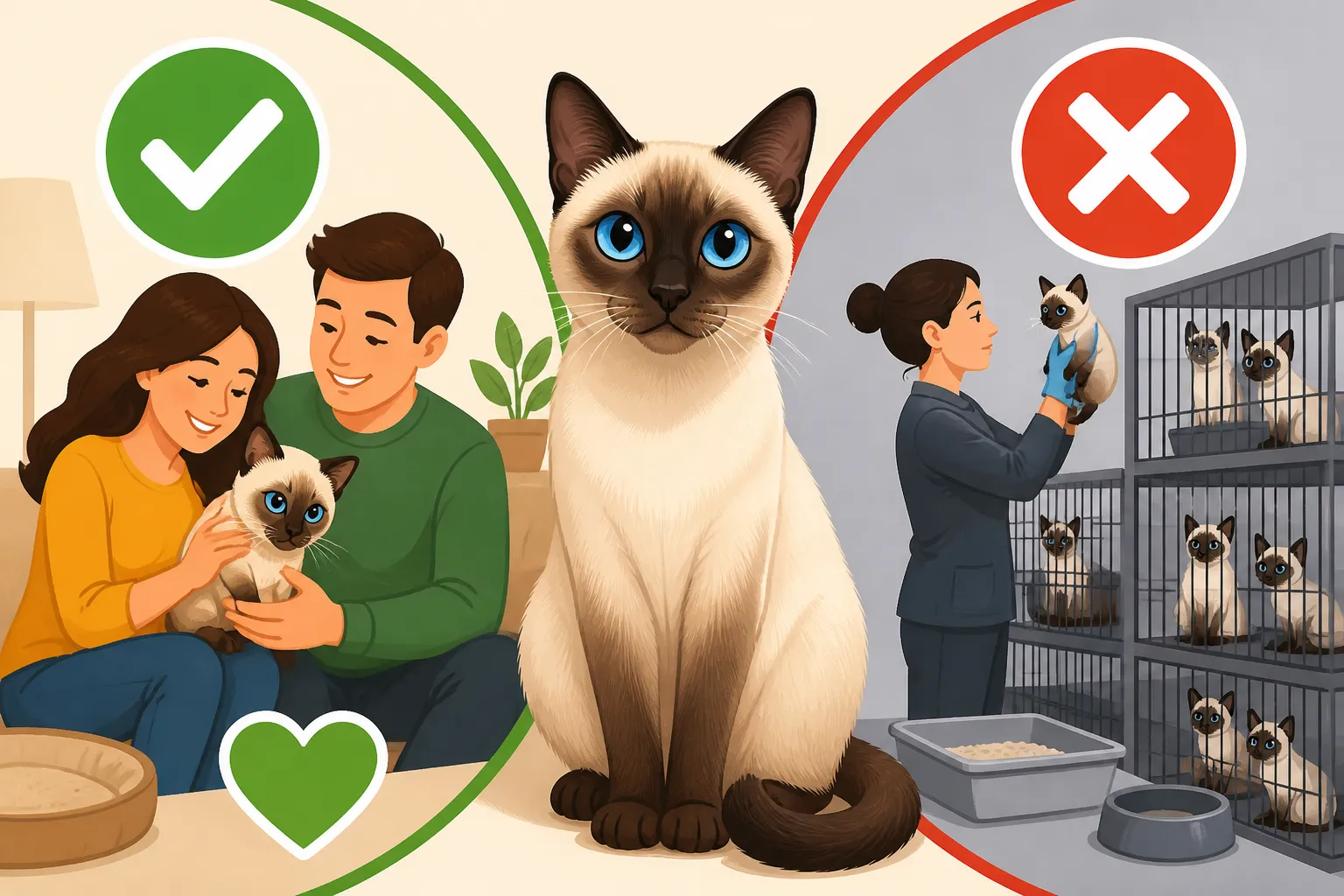
Whether a Siamese Cat Breeder Sells to Pet Homes
It's a really common worry when you're looking for a specific breed, especially one as cherished as the Siamese: do breeders only sell their beautiful kittens to fancy show homes or other breeders? Many aspiring cat parents feel intimidated, thinking that unless they're planning to enter competitions, they won't stand a chance. The good news is, most reputable Siamese cat breeders absolutely sell their kittens to loving pet homes, and this guide will walk you through how to find them and what to expect.
Understanding the Breeder's Priorities for Pet Homes
When you approach a Siamese cat breeder, it's easy to feel like you're being interviewed, and in a way, you are! But it's not because they only want to deal with fellow professionals. It's because responsible breeders are deeply invested in the welfare and future of every kitten they bring into the world, and placing them in the right pet home is often their ultimate goal.
The Goal of Responsible Breeding
For a dedicated Siamese breeder, the process is far more than just producing kittens. Their goal is to improve the breed, focusing on health, temperament, and adherence to the breed standard, which describes the ideal physical characteristics of a Siamese cat. This isn't just about winning ribbons; it's about ensuring the breed thrives for generations to come. When they decide on a pairing, they're thinking about the genetic lines, minimizing health risks like amyloidosis, and ensuring the kittens grow up with the intelligent, vocal, and affectionate personalities Siamese are famous for. Placing these carefully bred kittens into loving, stable pet homes is the culmination of all their hard work and dedication. It’s how their legacy, and the quality of the breed, continues.
Why a Pet Home is Different from a Show Home
While a show or breeding home is certainly an option for some kittens, it's a very specific niche. A show home means the kitten has been evaluated as having exceptional qualities that meet or exceed the breed standard, making them suitable for competitive showing. A breeding home means the kitten possesses the genetic health and conformation to contribute positively to future generations of Siamese cats. These kittens often come with different contracts, higher prices, and more stringent requirements.
A pet home, on the other hand, is looking for a companion, a furry family member to share their life with. The kitten's primary "job" is to be loved and cared for. This doesn't mean pet-quality kittens are "lesser" in any way; often, they are just as stunning, healthy, and full of personality. They might simply have a small cosmetic trait that wouldn't fare well in a show ring, or perhaps the breeder has chosen not to sell a particular line for breeding purposes to maintain genetic diversity within their own cattery. The difference is in the purpose the kitten will serve in its new home, not in its inherent value.
The Breeder's Vetting Process for Pet Parents
Don't be surprised when a reputable Siamese breeder asks you a lot of questions – this is a great sign! They want to make sure their kittens are going to the best possible environments. They'll likely inquire about your living situation (apartment vs. house, whether you own or rent), your experience with cats (especially Siamese, given their unique needs and vocal nature), other pets in the home, children, and how much time you spend away from home. They want to ensure you understand What a Siamese Cat Costs to Buy in 2026 and the ongoing commitment.
They're looking for stability, a commitment to lifelong care, and an understanding of the Siamese cat's personality and needs. For instance, knowing that a Siamese cat thrives on interaction and can get quite vocal, they'll want to be sure you're prepared for What the Siamese Cat's Meezer Yowl Sounds Like. Expect questions about your vet, your philosophy on declawing (which reputable breeders typically forbid), and your plans for keeping the cat safe indoors. It's an investment of their trust, and it speaks volumes about their care for their animals.
The Contract and Expectations for Pet Home Kittens
Once you and a breeder decide on a kitten, there will be a contract. This isn't some scary legal document designed to trick you; it's a mutual agreement that protects everyone involved, most importantly the kitten. Understanding these terms upfront is crucial for a smooth and happy adoption process.
Spay/Neuter Agreements
One of the most common clauses in a pet home contract is the spay/neuter agreement. This means you commit to having your Siamese kitten spayed or neutered by a certain age, often between five and six months. The breeder might even have already performed the procedure before the kitten goes home, a practice known as early spay/neuter, which is becoming more common and has proven safe.
This clause is paramount for several reasons. Firstly, it prevents accidental pregnancies, which contributes to the heartbreaking issue of pet overpopulation. Secondly, it protects the breed's integrity; only cats carefully selected for breeding should reproduce. Lastly, it's generally healthier for the cat. Spaying female cats eliminates the risk of uterine infections and ovarian cancers, while neutering male cats reduces the likelihood of testicular cancer and certain prostate problems, and can also curb undesirable behaviors like spraying and roaming. Breeders are serious about this, and you may be required to provide proof of the procedure from your vet. This is also covered in general under What a Siamese Cat Contract Restricts.
Health Guarantees and Ongoing Support
Reputable breeders stand by the health of their kittens. Most will offer a health guarantee, often for the first year of the kitten's life, sometimes even longer for certain genetic conditions. This guarantee typically states that the kitten is free from serious genetic or contagious diseases at the time of sale. If a covered condition arises, the breeder may offer a replacement kitten or a refund, depending on the terms. However, it's important to understand that no breeder can guarantee against every possible illness or accident, but they do guarantee that they've done their utmost to breed healthy animals. They should also be transparent about Which Health Results a Siamese Cat Breeder Can Show.
Beyond the formal guarantee, a good breeder becomes a lifelong resource. They often encourage you to reach out with any questions or concerns, whether it's about diet, behavior, or health issues. This ongoing support is invaluable, especially for first-time Siamese owners. They have years of experience and a deep understanding of the breed's quirks and needs. Think of them as your personal Siamese cat consultant – a fantastic bonus that comes with getting a kitten from a responsible source. You might even find them recommending certain foods from Chewy or suggesting pet insurance from Healthy Paws to help manage potential future veterinary costs.
Return Clauses and "First Right of Refusal"
Another common, and very important, contract clause is the "first right of refusal." This means that if, at any point in the cat's life, you are unable to keep it – perhaps due to unforeseen circumstances like a move, a new allergy in the family, or financial difficulties – you are required to contact the breeder first. The cat must be returned to them, or they must be given the first opportunity to help rehome the cat responsibly.
This clause serves as a vital safety net for the cat. It ensures that no Siamese kitten bred by them ever ends up in a shelter or in an unsuitable home. It reflects the breeder's unwavering commitment to their animals for their entire lifespan, The Fifteen to Twenty Years a Siamese Cat Gets. It prevents their carefully planned breeding efforts from contributing to the wider issue of homeless pets. While it might seem like a restrictive clause, it's actually a testament to the breeder's ethical practices and their deep love for the breed.
Finding a Reputable Breeder Who Sells to Pet Homes
Finding the right Siamese cat breeder can feel like a quest, but with a little persistence and knowing where to look, you'll be well on your way to bringing home your new companion. It's about doing your homework and asking the right questions.
Online Resources and Breed Club Directories
The best place to start your search for a reputable Siamese cat breeder is through established breed clubs and associations. Organizations like the Cat Fanciers' Association (CFA) or The International Cat Association (TICA) maintain directories of registered breeders. These breeders often adhere to a strict code of ethics and breed standards, which usually includes responsible placement of pet-quality kittens. Look for local or regional Siamese breed clubs as well, as they can be excellent sources for referrals to breeders who are active in the community.
You might also find breeders through online communities and forums dedicated to Siamese cats. However, always exercise caution with these, as not all online sources are equally reputable. Look for breeders who openly display their registrations with recognized associations and who have a long-standing positive reputation. Avoid breeders who seem unwilling to answer questions or who offer kittens at unusually low prices without proper documentation – this can be a red flag.
Asking the Right Questions to a Breeder
When you've found a potential breeder, prepare a list of questions. Don't be shy; a good breeder will appreciate your thoroughness. Beyond asking if they sell to pet homes (which most will confirm), delve deeper:
- Health Testing: Ask about specific health screenings they perform on their breeding cats. For Siamese, this might include things like What a Siamese Cat Breeder Should Have Screened, though some conditions like Amyloidosis are harder to screen for.
- Kitten Rearing: Inquire about how the kittens are raised. Are they raised underfoot, handled regularly, and socialized with people and other pets? This is crucial for developing a well-adjusted temperament.
- Vaccinations and Vet Care: Ask what vaccinations the kittens will have received, when they will be dewormed, and if they will have had a vet check-up before going home.
- Age of Placement: When do the kittens typically go to their new homes? Reputable breeders usually won't let kittens leave before 12-16 weeks of age, as this allows for crucial socialization and development with their mother and littermates.
- Diet: What food are the kittens currently eating? It's good to know this so you can continue the same diet or transition slowly to avoid stomach upset.
- Pedigree and Registration: Will the kitten come with pedigree papers (even if a pet-only registration)?
This conversation is a two-way street. A breeder should be just as interested in asking you questions as you are in asking them, ensuring a good match for everyone involved.
Visiting the Cattery and Meeting the Cats
Whenever possible, and especially after an initial conversation, arrange to visit the breeder's home or cattery. This is perhaps the most important step in verifying a breeder's credibility and the health and temperament of their cats.
When you visit, pay attention to the environment. Is it clean, well-maintained, and does it smell fresh? Are the cats and kittens housed in a safe, stimulating, and spacious area? Do they appear healthy, active, and well-socialized? Look for clear eyes, clean noses, and shiny coats. Observe how the cats interact with the breeder and with each other. A healthy, happy cattery will have confident, friendly cats.
You should be allowed to meet the mother cat (dam) of your potential kitten. Observing her temperament can give you a good indication of what to expect from her offspring. While meeting the father (sire) might not always be possible if he lives off-site, the breeder should be able to provide information and photos of him. A good visit will leave you feeling confident and excited about your choice, not rushed or uneasy.
The Benefits of Buying a Siamese Kitten from a Reputable Breeder
While the initial cost of a Siamese kitten from a reputable breeder might seem higher than other options, the benefits you gain in the long run are truly invaluable. It's an investment in a healthy, well-adjusted, and genetically sound companion who will enrich your life for many years.
Health Screening and Genetic Background
One of the biggest advantages of buying from a responsible breeder is the peace of mind that comes with knowing your kitten has the best possible start in life regarding health. These breeders invest significant time and money into health screening their breeding stock for common hereditary diseases that can affect the Siamese breed. This might include checking for cardiac issues like hypertrophic cardiomyopathy (HCM), or understanding the genetic risks associated with conditions such as The Age Amyloidosis Appears in a Siamese Cat. While not all conditions have direct DNA tests, breeders often track health histories meticulously across generations.
They can provide you with detailed information about the parents' health, temperament, and any genetic tests performed. This transparency significantly reduces the risk of bringing home a kitten with serious, costly, and heartbreaking health problems down the line. It's why many owners budget for comprehensive pet insurance from providers like Healthy Paws from day one, knowing they have a good foundation for their cat's health. You're not just buying a kitten; you're buying a kitten backed by careful breeding and a commitment to health.
Early Socialization and Temperament
Siamese cats are known for their intelligence, vocal nature, and deep attachment to their human companions. A reputable breeder understands the importance of early socialization to nurture these traits and ensure a well-adjusted feline. Kittens raised by caring breeders are typically handled from birth, exposed to various sights, sounds, and experiences within a home environment. This exposure helps them develop confidence and good manners.
They learn crucial social skills from their mother and littermates, which contributes to a stable temperament. A kitten that has been properly socialized by a breeder is more likely to adapt quickly to its new home, be comfortable with human interaction, and exhibit the affectionate, playful nature that Siamese are famous for. This is a far cry from kittens raised in less stimulating environments or those separated from their mothers too early, who may develop behavioral issues later on. You want a kitten ready to interact and bring joy, and early socialization is key to that.
Lifetime Support and Community
As mentioned before, a good breeder doesn't disappear once the kitten leaves their home. They become a valuable resource and mentor throughout your cat's life. This could mean answering questions about litter box issues, dietary concerns (maybe even recommending a new brand of treats available on Chewy), or just being a sounding board for any Siamese-specific quirks you encounter. This kind of ongoing support is invaluable, particularly for complex breeds.
Furthermore, purchasing from a reputable breeder often connects you to a wider community of Siamese enthusiasts. Breed clubs and breeder-organized events can offer opportunities to learn more about the breed, share experiences, and even form lasting friendships. It's a supportive network that understands the unique joys and challenges of living with these amazing cats. This support system makes the journey of owning a Siamese cat even more rewarding, affirming that you've made a choice that ensures the well-being of your beloved pet for its entire life.
| Feature | Pet Home Kitten | Show/Breeding Home Kitten |
|---|---|---|
| Primary Purpose | Companionship, family member | Conformation for competition, future breeding |
| Selection Criteria | Health, temperament, general breed type | Excellent conformation, temperament, genetic soundness |
| Spay/Neuter | Mandatory, usually by 6 months (or already done) | Not mandatory, retains breeding ability |
| Contract Terms | Focus on care, return clause, spay/neuter agreement | More extensive, includes breeding rights/restrictions, show obligations |
| Price | Standard pet price for the breed | Often higher due to breeding/show potential |
| Support | Lifetime support from breeder, health guarantee | Lifetime support, mentorship on showing/breeding |
| Future Role | Loved family companion | Potential champion, foundation for future generations |
Disclaimer
This article is for general informational purposes only and does not constitute professional advice. Laws, prices and regulations vary by location and change over time. Consult a qualified professional for guidance on your specific situation.