Why a Lilac Point Siamese Cat Costs More Than a Seal
It’s a common frustration for anyone looking to bring a Siamese cat into their home: you start researching, you fall in love with a particular look, and then you hit the price tags. You might notice a significant difference between, say, a classic Seal Point Siamese and a rarer Lilac Point. This isn't just arbitrary; there are genuine reasons behind these price discrepancies that go beyond simple aesthetics. This comprehensive guide will peel back the layers on why certain Siamese point colors command a higher price, helping you understand the genetics, market dynamics, and breeding efforts that contribute to the cost of these magnificent felines.
Understanding Siamese Cat Point Colors
When you first dive into the world of Siamese cats, one of the most striking features is, of course, their coloration. Those beautiful, distinct "points" on their ears, face, paws, and tail are what make them so recognizable. But what exactly are points, and why do some colors seem more prevalent or, conversely, more expensive? It all comes down to genetics and the fascinating science behind their unique coat pattern.
The Genetics Behind Pointed Coats
The Siamese cat's iconic coloration is due to a form of partial albinism, specifically temperature-sensitive albinism. This means that the enzyme responsible for pigment production (tyrosinase) only functions effectively at cooler temperatures. The core body temperature of a cat is too warm for this enzyme to work, which is why their main body remains a lighter shade. However, the extremities – the cooler parts of their body like the tips of their ears, nose, paws, and tail – are just cool enough for the enzyme to activate, leading to the darker pigmentation we associate with their points. It's a truly remarkable genetic quirk that gives each Siamese its unique beauty. This is also why a Siamese cat kitten is born white; they were warm and toasty in their mother's womb, preventing the pigment from developing. As they grow and are exposed to cooler environments, their points slowly begin to darken.
What "Points" Actually Mean
Beyond the scientific explanation, "points" are the defining characteristic of the Siamese breed's color pattern. They are the darker areas of fur that contrast with the lighter body coat. The standard Siamese recognizes specific point colors, which are genetically determined and passed down from parent to kitten. These colors aren't just a surface-level thing; they’re part of the cat's genetic blueprint, influencing everything from the depth of color to its eventual shade. Understanding these point colors is crucial when considering the price difference, as some are more genetically complex or less common than others. This foundational knowledge helps us appreciate why a breeder might invest more time and resources into producing certain colors.
The Original Four Point Colors
Historically, the Siamese breed was recognized for four primary point colors, often referred to as the "traditional" colors. These are Seal Point, Blue Point, Chocolate Point, and Lilac Point. Each of these colors has its own distinct hue and appeal.
- Seal Point: This is the most famous and arguably the original Siamese color, featuring dark brown, almost black, points and a creamy body.
- Blue Point: A diluted version of the Seal Point, with deep slate-grey points and an icy white body.
- Chocolate Point: A lighter, warmer brown than the Seal Point, with ivory points.
- Lilac Point: The most diluted of the four, with frosty grey-pink points and a glacial white body.
These original four are the cornerstone of the breed, and understanding them sets the stage for why some variations, like the Lilac Point, might fetch a higher price due to the specific genetic combination required to achieve their delicate hue.
The Classic Seal Point Siamese
When most people picture a Siamese cat, they envision a Seal Point. This iconic coloration is the bedrock of the breed, embodying the classic Siamese look that has captivated cat lovers for generations. Its widespread recognition and historical presence play a significant role in its pricing structure compared to other point colors.
Identifying a Seal Point
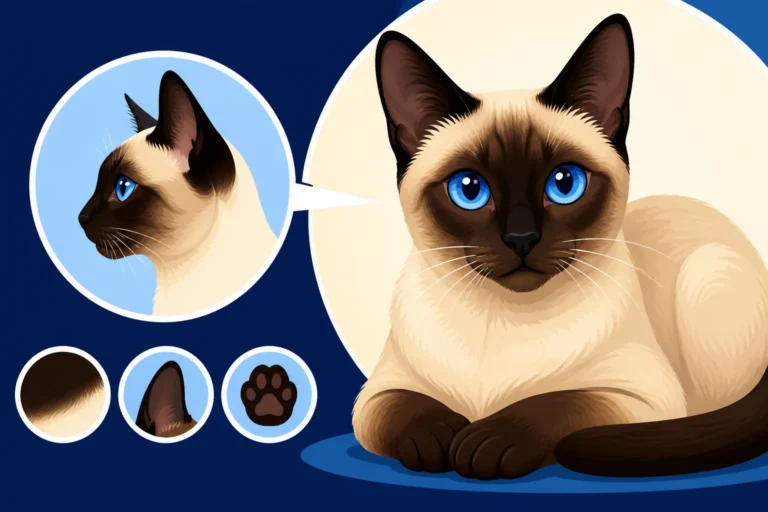
A Seal Point Siamese is characterized by its deep, dark brown (often appearing almost black) points on its ears, face mask, paws, and tail. The body fur is typically a rich cream or fawn color, providing a striking contrast to the darker extremities. Their nose leather and paw pads are usually dark brown or black. The depth of the seal coloration can vary slightly, with some cats having very intense, almost jet-black points, while others might be a softer, dark brown. This classic look is what many people associate with the breed, often leading them to believe this is the only Siamese color.
Historical Significance and Popularity
The Seal Point Siamese has a long and storied history, being the first color brought from Siam (now Thailand) to the Western world. When these magnificent cats first arrived in Europe and America in the late 19th century, they were all Seal Points. Their exotic appearance, piercing blue eyes, and vocal nature quickly made them popular. This historical precedence means that the Seal Point has been a staple in breeding programs for well over a century. Its familiarity and enduring appeal mean a constant demand, and there are typically more Seal Point breeders and kittens available than for some of the newer or rarer colors. This high availability, stemming from long-term breeding, naturally affects its market price.
Why Seal Points Often Serve as a Baseline Price
Given their historical prevalence and consistent demand, Seal Point Siamese cats often serve as a benchmark for pricing within the breed. While individual prices can vary greatly based on factors like pedigree, breeder reputation, and region, a Seal Point will typically represent the more accessible end of the purebred Siamese spectrum for a given quality. This isn't to say they are "cheap" – far from it, as What a Siamese Cat Kitten Costs From a Breeder can be significant – but rather that their price reflects their long-established presence and relative abundance in the breeding world. When a breeder quotes prices, the Seal Point is often the starting point, and other colors, particularly those requiring specific genetic combinations, may be priced incrementally higher. This baseline helps new owners understand the financial commitment to the breed.
The Elegant Lilac Point Siamese
Moving from the widely recognized Seal Point, we encounter the Lilac Point, a color that exudes a delicate, almost ethereal beauty. This soft, frosty hue is a testament to the intricate genetics within the Siamese breed and often commands a higher price due to its distinct appearance and relative rarity.
Distinguishing the Lilac Point
The Lilac Point Siamese is truly a vision of pastel elegance. Its points are a pale, frosty grey with a distinctly pinkish cast, sometimes described as a "pinkish-grey" or "dove grey." This soft coloration extends to its nose leather and paw pads, which are a delicate lavender-pink. The body of a Lilac Point is a glacial white, often appearing almost pure white, offering a stunning contrast to the subtle points. Unlike the more robust, warm tones of Seal or Chocolate Points, the Lilac Point carries a cool, refined aesthetic. It's a color that takes a moment to truly appreciate, often appearing more subtle in photographs than in person. It's easy to mistake a very pale Blue Point for a Lilac, but the pinkish undertone is the key differentiator.
The Dilution Gene and Rarity
The reason for the Lilac Point's delicate color and its higher price lies in its genetics. It is a diluted version of the Chocolate Point. To produce a Lilac Point, a kitten must inherit two copies of the dilution gene (d/d) and two copies of the chocolate gene (b/b), in addition to the Siamese point gene. This specific genetic combination makes it more challenging to breed consistently compared to Seal Points, which only require the basic Siamese point gene.
- Dilution gene: This gene "dilutes" black pigment to blue and chocolate pigment to lilac.
- Chocolate gene: This gene turns black pigment into chocolate.
Since both parents must carry these specific recessive genes, breeding for Lilac Points requires a more targeted and often more extensive breeding program. Not every pairing will produce Lilac Point kittens, even if the parents carry the genes. This genetic complexity directly translates into fewer available kittens and, consequently, a higher price. Breeders invest significant time and effort in understanding pedigrees and genetics to consistently produce this desirable color.
Perceived Value and Desirability
Beyond genetic rarity, the Lilac Point has a high perceived value and desirability among Siamese enthusiasts. Its unique, soft coloring stands out from the more common Seal and Blue Points, appealing to those seeking something a bit different and refined. The elegance of the Lilac Point can make it seem more "special" or "exotic," driving up demand. This isn't just about superficial beauty; it's also about the effort and skill a breeder demonstrates in successfully producing such a genetically specific and aesthetically pleasing cat. For many, the subtle charm of the Lilac Point makes the extra cost a worthwhile investment in a truly unique feline companion. The demand for these beautiful cats often leads to longer waitlists for kittens.
Factors Influencing Siamese Cat Pricing Beyond Color
While point color certainly plays a role in the price tag of a Siamese cat, it's far from the only factor. Many other critical elements contribute to Why Siamese Cat Prices Range So Widely, and understanding them is essential for any prospective owner. These factors speak to the quality, health, and ethical practices behind a breeder's operation, which ultimately impacts the well-being of the kitten you bring home.
Breeder Reputation and Ethics
A reputable breeder invests heavily in their cats, both financially and emotionally. This includes providing excellent nutrition, a clean and stimulating environment, regular veterinary care for their breeding cats and kittens, and early socialization. They will also be transparent about their breeding practices, health records, and will happily answer all your questions. Breeders with a long-standing positive reputation for producing healthy, well-adjusted kittens will naturally charge more than backyard breeders or pet stores, and for good reason. Their prices reflect the true cost of ethical breeding, which includes things like stud fees, queen care, kitten food, veterinary check-ups, and the significant time commitment. Choosing a reputable breeder, regardless of point color preference, is paramount for the long-term health and happiness of your Siamese.
Health Screening and Genetic Testing
This is one of the most crucial, yet often invisible, investments a good breeder makes. Many breed-specific health issues can affect Siamese cats, such as Progressive Retinal Atrophy (PRA), heart conditions, and certain types of amyloidosis. A responsible breeder will conduct thorough health screenings and genetic testing on their breeding cats to minimize the risk of passing on hereditary diseases to their kittens. While there is No DNA Test for Siamese Cat Amyloidosis, a good breeder will track health in their lines and discuss any known issues. These tests are expensive, but they are a vital part of ensuring healthy offspring. The cost of these screenings is naturally factored into the kitten's price. When you purchase a kitten from a breeder who has actively screened for these issues, you are paying for peace of mind and significantly reducing the likelihood of facing heartbreaking and expensive health problems down the road. Always ask Which Health Results a Siamese Cat Breeder Can Show.
Pedigree and Show Potential
The lineage of a Siamese cat can also greatly influence its price. Kittens from champion lines, where parents or grandparents have achieved high titles in cat shows, will typically cost more. This is because these cats are considered to exemplify the breed standard in terms of conformation, temperament, and health. Breeders invest time and money in showing their cats, which adds to their reputation and the value of their offspring. Kittens deemed to have "show potential" – meaning they meet the breed standard exceptionally well and could potentially be shown themselves – will also be priced higher than "pet quality" kittens (who are still wonderful companions but may have a minor conformational fault that disqualifies them from the show ring). This doesn't mean a pet-quality Siamese is any less of a companion, but their price reflects their intended role.
Age and Temperament of the Kitten
The age at which you acquire a Siamese cat kitten can also affect its price. Very young kittens, typically available between 12-16 weeks, are often priced at their peak because they are at the ideal age for socialization and integration into a new home. Older kittens or adult cats, while still sometimes highly sought after, may be priced slightly lower, especially if a breeder is looking to place a retired breeding cat or an older show cat that didn't quite make the cut. Additionally, a kitten's temperament, if already clearly defined, might influence price in some cases, although ethical breeders prioritize matching the right kitten to the right home rather than pricing based on personality quirks. Well-socialized, confident kittens are often the result of significant breeder effort and thus command a fair price.
Supply and Demand Dynamics for Different Point Colors
The economic principle of supply and demand is a powerful force in the pricing of many goods, and purebred cats are no exception. For Siamese cats, this dynamic is particularly evident when comparing the availability and desire for different point colors. Rarer colors, like the Lilac Point, often see prices driven up by a combination of limited availability and strong interest from prospective owners.
How Rarity Affects the Market
As discussed, certain Siamese point colors, such as the Lilac Point, require specific genetic combinations that are not as common or as straightforward to achieve in breeding programs. This naturally leads to a smaller number of these kittens being born compared to the more dominant or easily produced colors like Seal Points. When the supply of a particular item (in this case, Lilac Point Siamese kittens) is limited, but the demand remains high, prices inevitably rise. Breeders who successfully produce these rarer colors often have fewer litters overall or a smaller proportion of these specific colors within their litters, making each individual kitten more valuable. This rarity is a primary driver behind the higher cost of a Lilac Point compared to a Seal Point.
Geographic Variations in Demand
The popularity and demand for specific Siamese point colors can also vary significantly by geographic region. What might be highly sought after in one state or country might be less so in another. For example, some areas might have a strong preference for the traditional Seal Point, while others might gravitate towards the more unique hues of Lilac or Chocolate. These regional preferences can influence local prices. A breeder in an area with high demand for Lilac Points might be able to command a higher price than a breeder in a region where Seal Points are overwhelmingly preferred. It's always a good idea to research local breeder prices and availability if you have a specific color in mind.
Waitlists and Availability
A clear indicator of high demand and potentially higher prices for certain point colors is the existence of long waitlists. Reputable breeders often have waiting lists for their kittens, sometimes stretching months or even over a year, especially for popular or rarer colors. If you inquire about a Lilac Point kitten, you might find yourself on a considerably longer waitlist compared to a Seal Point. This extended wait time signifies that many people are willing to wait, and potentially pay more, to acquire that specific color. Breeders manage these waitlists, and the commitment from prospective owners further validates the market value of these sought-after kittens. The less readily available a particular color is, the more likely you are to encounter a premium price.
The Role of Show Standards and Breeding Goals
The world of purebred cats is heavily influenced by breed standards set by feline registries. These standards define the ideal characteristics of each breed, from physical appearance to temperament. For Siamese cats, these standards play a crucial role in shaping breeding goals and, consequently, the pricing of kittens, especially when considering different point colors.
Conformation and Ideal Type
Each major cat registry, such as the Cat Fanciers' Association (CFA) or The International Cat Association (TICA), has a detailed standard for the Siamese cat. This standard describes the ideal head shape, body type, ear set, eye color, and, of course, coat color and point definition. Breeders aiming to produce show-quality cats are meticulously working to match these standards. For example, the ideal Siamese head has become quite wedge-shaped over time, as explored in How the Siamese Cat's Head Changed Shape in Fifty Years. Cats that conform more closely to the standard are considered more valuable in the breeding world. When it comes to point colors, the standard outlines the acceptable shades and clarity for each, including Seal, Blue, Chocolate, and Lilac Points. A Lilac Point with perfectly clear, frosty-pink points and a clean, glacial body coat, as specified by the standard, would be highly prized and priced accordingly.
Breeding for Specific Traits
Beyond just color, breeders have specific goals for their lines. This might include enhancing certain aspects of the breed's temperament, improving health longevity, or refining physical traits to better meet the show standard. When a breeder successfully combines multiple desirable traits – such as excellent conformation, a stable temperament, and a rare, perfectly colored Lilac Point – the value of the kitten increases. This requires not just genetic knowledge but also a deep understanding of individual cat's pedigrees and careful selection of breeding pairs. It's a long-term commitment that involves significant investment in time, research, and resources to achieve these specific breeding goals. These efforts are reflected in the higher prices charged for kittens that are the culmination of such dedicated breeding.
The Impact on "Pet Quality" vs. "Show Quality" Prices
It’s important to distinguish between "pet quality" and "show quality" kittens.
- Show Quality: These kittens are evaluated by the breeder as having the potential to excel in cat shows or be valuable additions to a breeding program. They closely adhere to the breed standard, often displaying impeccable conformation and coloring. They are typically the most expensive.
- Pet Quality: These kittens are wonderful, healthy companions but may have a minor characteristic that, while not affecting their health or temperament, might prevent them from being competitive in the show ring. For example, a Seal Point might have slightly less defined points, or a Lilac Point might have a body color that's a touch too dark for the rigorous show standard. These kittens are usually priced lower than their show-quality siblings.
Most kittens, even from top breeders, are sold as pet quality, often with a spay/neuter contract. The price difference between a pet-quality Seal Point and a pet-quality Lilac Point will still exist due to the rarity factor, but it will be a different tier than the price commanded by a show-quality example of either color. Ultimately, both make incredible family members; it's about what you're looking for.
Long-Term Costs and Considerations for Any Siamese Cat
While the initial purchase price is a significant factor, it’s crucial for prospective owners to understand that it’s just the beginning of the financial commitment involved in owning a Siamese cat. Regardless of whether you choose a Seal Point or a Lilac Point, these intelligent, active, and vocal companions come with ongoing expenses. Thinking about What a Siamese Cat Costs Over Twenty Years provides a more realistic picture of ownership.
Initial Setup and Recurring Supplies
Bringing a new kitten home involves several upfront costs beyond the purchase price. You’ll need essentials like litter boxes, cat trees (a tall, sturdy one is a must for active Siamese cats), food and water bowls, and a carrier for vet visits. You can find many of these items, along with a wide variety of food, toys, and litter, at retailers like Chewy. After the initial setup, you'll have recurring expenses for food, litter, and replacing worn-out toys or scratching posts. Siamese cats, with their sleek, short coats, are relatively low-maintenance when it comes to grooming, as discussed in Grooming a Siamese Cat Takes Five Minutes a Week, but you'll still need a soft brush and nail clippers. Budgeting for these monthly necessities is a key part of responsible pet ownership.
Veterinary Care and Health Insurance
Veterinary care is perhaps the most significant ongoing expense. Regular wellness exams, vaccinations, parasite prevention, and unexpected illnesses or injuries can quickly add up. Siamese cats are generally healthy, living The Fifteen to Twenty Years a Siamese Cat Gets, but like any breed, they are prone to certain genetic predispositions, such as dental disease or amyloidosis, which can lead to significant medical bills. Investing in pet health insurance, from providers like Healthy Paws, can be a wise decision. While insurance typically doesn't cover pre-existing conditions, it can provide crucial financial support for unexpected accidents or new illnesses throughout your cat's life. This proactive approach to their health can save you considerable stress and money in the long run.
Nutrition and Diet
Feeding a Siamese cat properly is essential for their health and energy levels. These cats are known for being lean and active, often burning calories quickly, as highlighted in Feeding a Lean Siamese Cat That Burns Everything. A high-quality diet, rich in animal protein, is vital. While there are many excellent commercial cat foods available, some owners choose to explore fresh food options. When considering any fresh food for your cat's diet, always ensure it meets the specific nutritional requirements for felines. The cost of premium cat food can be substantial, especially over two decades, but it's an investment in your cat's health, energy, and longevity. Discussing nutritional needs with your veterinarian is always recommended.
Enrichment and Companionship
Siamese cats are highly intelligent, social, and playful creatures. They thrive on interaction and can get bored quickly. Providing ample enrichment is not just a luxury; it’s a necessity for their mental and physical well-being. This means a steady supply of engaging toys, puzzle feeders, regular play sessions, and often, the companionship of another cat. As covered in A Siamese Cat Should Not Live Alone, they often do best with a feline friend to keep them company. While the initial cost of another cat adds to the bill, it can prevent behavioral issues stemming from loneliness or boredom, which can sometimes lead to destructive behaviors. Budget for interactive toys, climbing structures, and plenty of one-on-one play time to keep your Siamese happy and stimulated.
Making an Informed Decision: Is the Extra Cost Worth It?
When faced with the price difference between a Seal Point and a Lilac Point Siamese, it's natural to question whether the extra investment for a specific color is truly "worth it." The answer isn't straightforward and depends heavily on your priorities, expectations, and financial situation. Ultimately, the joy and companionship a Siamese cat brings transcend its coat color.
Prioritizing Health and Temperament Over Color
While the aesthetic appeal of a Lilac Point is undeniable, it is paramount to prioritize the health and temperament of any kitten you bring home. A healthy, well-socialized Siamese, regardless of its point color, will be a much more fulfilling companion than a cat with a rare color but underlying health issues or behavioral problems. Focus on finding a breeder who screens for common Siamese health concerns, provides a clean and nurturing environment, and handles their kittens extensively to ensure they are confident and friendly. A healthy Siamese cat is How Healthy the Siamese Cat Actually Is. While a specific color might catch your eye, remember that a Siamese cat’s vibrant personality and intelligence are what truly define the breed, and these traits are not exclusive to any particular hue.
Finding a Reputable Breeder, Regardless of Point Color
This point cannot be stressed enough. Whether you're set on a Seal Point, a Lilac Point, or any other Siamese color, the most crucial step is to find a reputable and ethical breeder. A good breeder will:
- Be knowledgeable about the breed's genetics, health, and temperament.
- Provide health guarantees and readily share genetic testing results for their breeding cats.
- Have clean facilities and well-socialized, healthy kittens.
- Ask you questions to ensure you're a good fit for one of their kittens.
- Provide support and advice long after you take your kitten home.
- Sell kittens with a spay/neuter contract to prevent irresponsible breeding.
They may have a waiting list, but the wait is worth it for a well-bred, healthy companion. Always be wary of breeders who offer kittens at significantly lower prices, have multiple litters of different breeds, or cannot provide health documentation. The initial savings from a questionable source can quickly be eclipsed by veterinary bills and heartache.
The Joy of Siamese Ownership, Regardless of Price Tag
Ultimately, the decision to spend more on a specific point color is a personal one. For some, the unique beauty and rarity of a Lilac Point are worth the premium price, and they are willing to invest in that specific aesthetic. For others, the classic charm of a Seal Point is equally appealing, and the potentially lower cost is a welcome bonus. What truly matters is the bond you form with your Siamese cat. These intelligent, vocal, and deeply affectionate felines bring immense joy, laughter, and companionship into a home. The richness of the experience comes from their vibrant personalities, their endless conversations, and their unwavering loyalty, not from the specific shade of their points. Embrace the adventure of Siamese ownership, knowing that whichever color you choose, you're bringing home a truly special member of the family.
Comparison of Seal Point vs. Lilac Point Siamese Cats
| Feature | Seal Point Siamese | Lilac Point Siamese |
|---|---|---|
| Point Color | Deep dark brown, almost black | Frosty grey with a pinkish cast (dove grey) |
| Body Color | Cream or fawn | Glacial white, almost pure white |
| Nose/Paw Pads | Dark brown to black | Lavender-pink |
| Genetic Basis | Basic Siamese color gene | Siamese color gene + two dilution genes + two chocolate genes |
| Rarity | More common, historically prevalent | Less common, more genetically complex to produce |
| Demand | Consistently high | High, often for uniqueness and delicate appearance |
| Typical Price | Often serves as the baseline, generally lower end | Generally higher end of the Siamese price spectrum |
| Historical Role | Original, foundational Siamese color | Developed later as a diluted variation of Chocolate Point |
| Appearance | Striking, bold contrast | Soft, elegant, subtle contrast |
Disclaimer
This article is for general informational purposes only and does not constitute professional advice. Laws, prices and regulations vary by location and change over time. Consult a qualified professional for guidance on your specific situation.