What a Blue Point Siamese Cat Is
It can be surprisingly tricky to distinguish between the various point colors in Siamese cats, especially for new owners or those just admiring these stunning felines. Many people know a Siamese when they see one, with those striking blue eyes and dark extremities, but pinpointing the exact shade, like a Blue Point, can be a real head-scratcher. This guide will take a deep dive into what exactly defines a Blue Point Siamese cat, helping you understand their unique genetics, distinctive appearance, and what sets them apart from their similarly gorgeous cousins.
The Basics of Siamese Point Coloration
To truly understand a Blue Point Siamese, we first need to appreciate the fascinating science behind all Siamese colors. It's not just random; it's a beautiful genetic quirk that makes these cats so unique.
The Gene Behind All Siamese Colors
Every Siamese cat, regardless of their point color, carries a special gene called the Himalayan gene, or more scientifically, a temperature-sensitive albinism gene. This gene is what causes the "point" pattern in the first place, meaning the darker coloration on their coolest body parts – their ears, face mask, paws, and tail. In contrast, the warmer parts of their body, like their torso and belly, remain a much lighter shade. It's a marvelous biological thermostat at work!
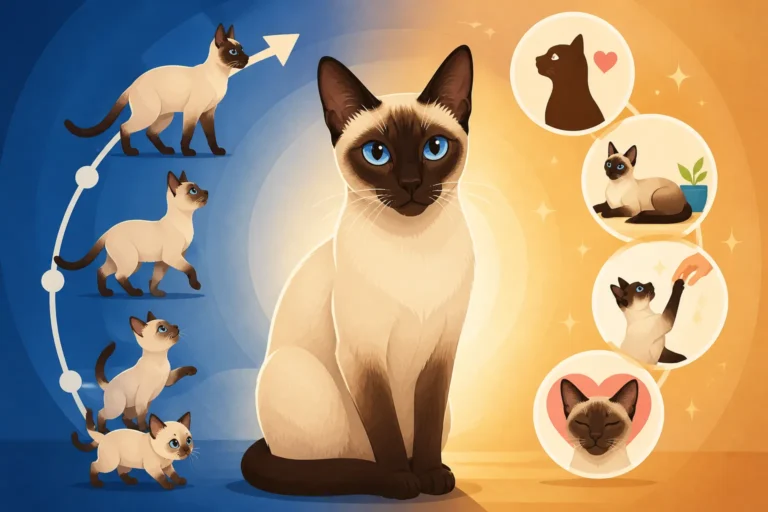
Think of it this way: the enzyme responsible for producing pigment (color) only activates efficiently in cooler temperatures. When a Siamese kitten is developing in its mother's warm womb, its entire body is relatively warm, so no pigment is produced. That's Why a Siamese Cat Kitten Is Born White — they emerge as tiny, pale bundles, almost pure white. It’s only after they are exposed to the cooler outside world that their points start to develop as the pigment-producing enzyme gets to work in those colder extremities. This amazing process also explains Why a Siamese Cat Darkens Every Winter or if they spend time in a cooler environment.
How Blue Points Develop Their Hue
Now, here's where the "blue" comes in. While the Himalayan gene dictates where the color appears, other genes determine what that color will be. The Blue Point Siamese has a specific genetic modification that dilutes the dense black pigment found in a Seal Point. Instead of the rich, dark brown-black of a Seal Point, the dilution gene takes that black and effectively "waters it down" to a cool, striking slate grey-blue.
This means that a Blue Point Siamese is essentially a diluted black cat, but with the added effect of the temperature-sensitive gene. The points that would have been black on a non-pointed cat, or deep seal brown on a Seal Point, become a beautiful steel grey with a distinctly blue cast. It's a genetic marvel that results in a truly elegant and soft appearance. You'll notice these points slowly emerging as the kitten grows, often starting as a faint shadow and deepening over the first few months. You can almost watch their personality develop as their colors come in, which is a real joy for any owner.
Identifying a Blue Point Siamese Cat
While the genetic explanation is fascinating, what does a Blue Point Siamese actually look like when they’re purring on your lap? Their appearance is quite distinct once you know what to look for.
The Signature Coat Color and Points
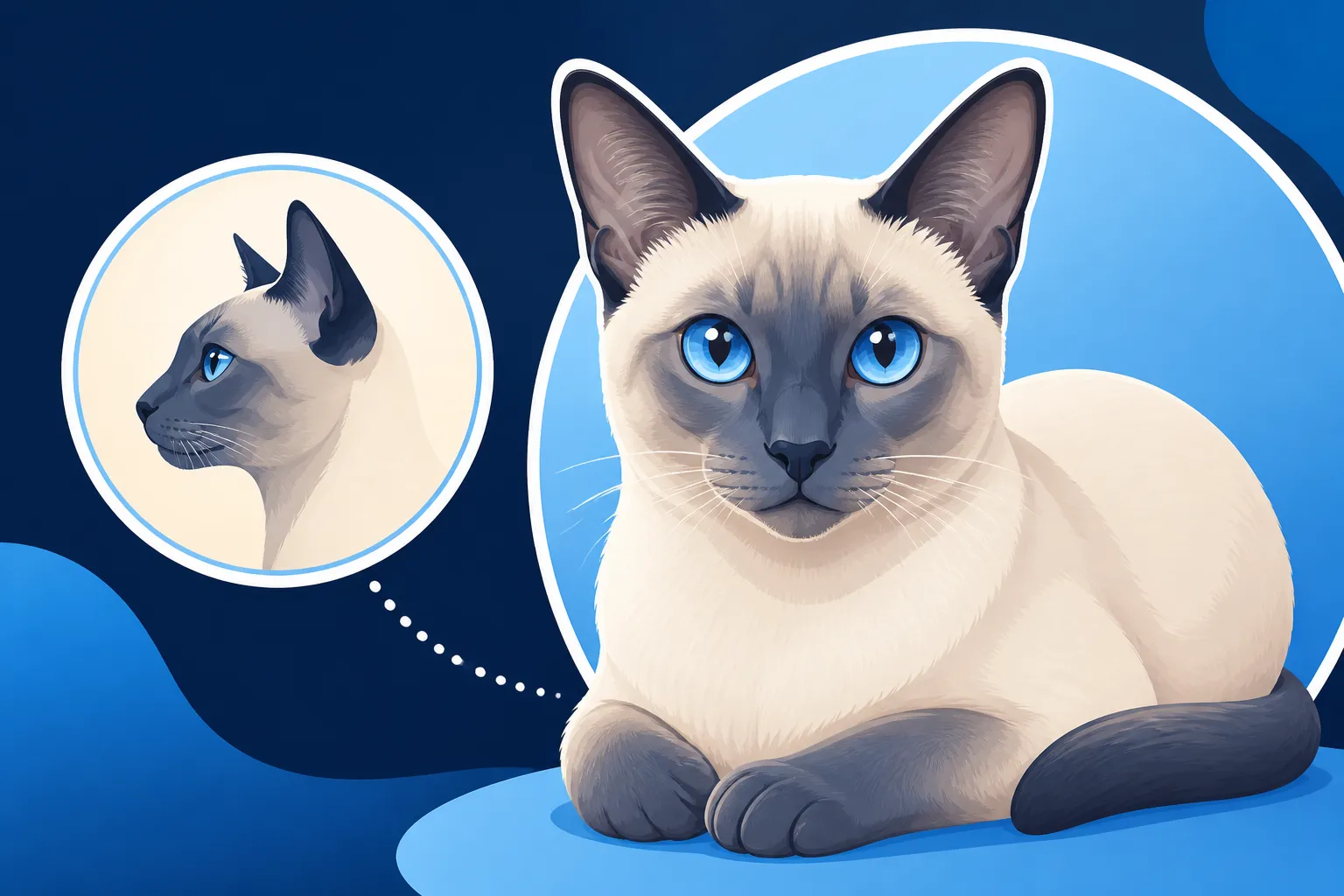
A Blue Point Siamese is characterized by its exquisite, cool-toned points, which are typically a deep slate grey or steel blue. These points are sharply defined against a much lighter body color, which is usually a creamy white or an icy bluish-white. You might even see a slight bluish cast over their main body coat, especially in cooler climates or as they age. The contrast between the light body and the darker points should be clear, but not as stark as that of a Seal Point. Imagine a beautiful winter landscape, with soft shadows and icy hues – that’s the vibe a Blue Point brings.
It's this elegant, muted palette that really sets them apart. They don't have the stark contrast of a Seal Point, nor the warm tones of a Chocolate Point, but rather a sophisticated, almost ethereal coolness. Their coat feels incredibly soft and short, typical of the breed, a dream to pet, requiring only Grooming a Siamese Cat Takes Five Minutes a Week to keep pristine.
Eye Color and Nose/Paw Pads
One feature that unites all Siamese cats, including the Blue Point, is their incredible eye color. They all boast vivid, sapphire blue eyes that are truly mesmerizing. This deep blue hue is a direct result of the same temperature-sensitive gene that creates their point coloration. The blue is unwavering, a constant beacon against their contrasting fur. Why a Siamese Cat Has Blue Eyes at All is a question that reveals the uniqueness of the albino gene in the breed.
Beyond the eyes, look at their nose leather and paw pads. For a Blue Point, these will match the cool, slate-grey tone of their points. They won't be pink or dark brown, but a distinctive bluish-grey, completing their cool-toned ensemble. These small details are often key to accurately identifying a specific point color.
Here's a quick comparison of the four main traditional Siamese point colors:
| Feature | Seal Point | Blue Point | Chocolate Point | Lilac Point |
|---|---|---|---|---|
| Point Color | Dark Seal Brown | Deep Slate Grey/Steel Blue | Milk Chocolate Brown | Frosty Grey/Pinkish-Grey |
| Body Color | Cream to Fawn | Icy White/Bluish-White | Ivory | Glacier White |
| Nose Leather | Dark Brown/Black | Slate Grey/Bluish-Grey | Cinnamon Pink/Light Brown | Lavender Pink/Flesh Tone |
| Paw Pads | Dark Brown/Black | Slate Grey/Bluish-Grey | Cinnamon Pink/Light Brown | Lavender Pink/Flesh Tone |
| Eye Color | Deep Sapphire Blue | Deep Sapphire Blue | Deep Sapphire Blue | Deep Sapphire Blue |
| Overall Impression | Stark, high contrast | Elegant, muted, cool | Warm, soft contrast | Delicate, very pale, ethereal |
Blue Points in the Siamese Breed Standard
Understanding how Blue Points fit into the official breed standards can help clarify their place within the broader Siamese family and why they're so cherished.
Historical Acceptance and Modern Standards
When the first Siamese cats arrived in the West, the Seal Point was the predominant and often only recognized color. However, as breeding progressed and genetic understanding deepened, other point colors emerged and gained popularity. The Blue Point was one of the earliest dilute colors to be recognized and accepted into the official breed standards. It brought a softer, more subtle beauty to the breed, quickly winning over fanciers and judges alike.
Today, Blue Point Siamese cats are fully accepted by all major cat registries, including the Cat Fanciers' Association (CFA), The International Cat Association (TICA), and the Governing Council of the Cat Fancy (GCCF). Which Four Point Colors the CFA Accepts in a Siamese Cat includes the Blue Point, alongside Seal, Chocolate, and Lilac, as the traditional and fully recognized colors. This acceptance means that Blue Points can be shown in championship classes, and their breeders adhere to the same stringent standards for conformation, temperament, and health as those breeding other point colors. Their elegance and distinctive appearance are celebrated components of the breed.
Common Misconceptions and Variations
One common point of confusion is differentiating between a Blue Point and a Lilac Point Siamese. While both are dilute colors, a Lilac Point is an even further dilution, resulting in a much paler, frosty grey with a distinct pinkish or lavender undertone. If you place a Blue Point next to a Lilac Point, the difference becomes quite clear: the Blue Point's points are a definite cool steel-grey, whereas the Lilac's are ethereal and much softer, almost a pastel shade. For more on this, you might explore What a Lilac Point Siamese Cat Is.
Another misconception is that blue eyes are specific to Blue Points. As we discussed, all purebred Siamese cats have blue eyes due to the genetic mechanism that produces their point coloration. You might hear of "red points" or "cream points," which are also variations. These are often grouped under "Colorpoint Shorthairs" in some registries, though the lines can blur. Regardless, the true Blue Point stands out with its specific slate-grey points and cool body tone, always accompanied by those iconic blue eyes.
Caring for Your Blue Point Siamese
While their coat color is unique, the care requirements for a Blue Point Siamese are fundamentally the same as for any other Siamese cat. They share the same intelligent, vocal, and deeply affectionate personality traits that make the breed so beloved.
General Siamese Cat Care Considerations
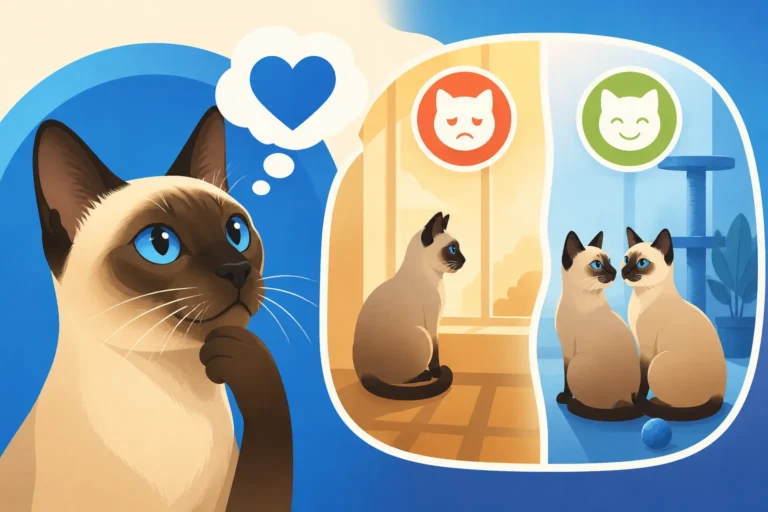
Siamese cats, regardless of their point color, are known for their demanding, engaging personalities. They are not decorative cats; they are active participants in your life! A Blue Point will be just as vocal, intelligent, and in need of interaction as a Seal Point. They thrive on companionship, whether from their human family or another feline friend. Expect them to "talk" to you constantly, follow you from room to room, and generally insert themselves into every aspect of your day.
When it comes to diet, their lean, muscular build means they often have a higher metabolism. You might find them to be enthusiastic eaters, but it’s important to provide them with a high-quality diet that supports their energy levels without leading to unhealthy weight gain. Many owners find success with premium brands, and fresh, portioned meals can be a great option for those who like to keep a close eye on ingredients. Otherwise, a good quality wet food is often recommended for hydration and nutritional balance. You can learn more about managing their diet in Feeding a Lean Siamese Cat That Burns Everything. For all your cat's everyday needs, from specialty foods to toys and accessories, online retailers like Chewy offer a vast selection, making it easy to keep your intelligent Blue Point stimulated and satisfied.
Health and Lifespan
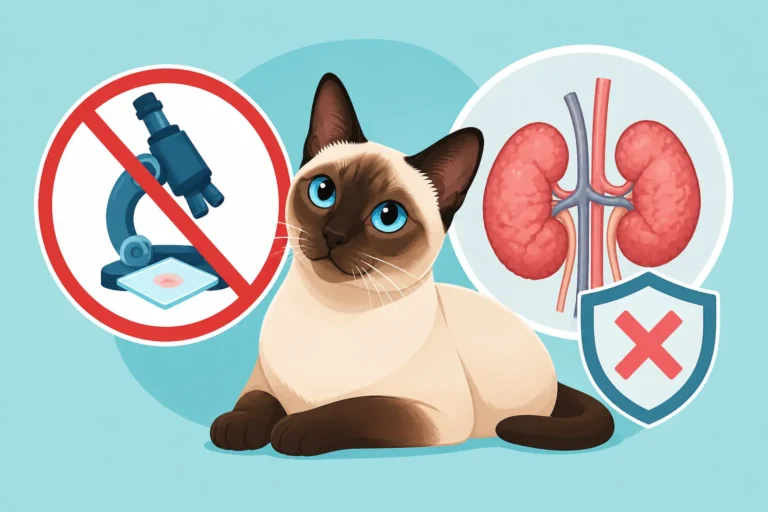
The beautiful blue point coloration itself is not linked to any specific health conditions. Blue Point Siamese cats enjoy the same robust health and potential longevity as other Siamese. A typical Siamese cat can live The Fifteen to Twenty Years a Siamese Cat Gets, making them long-term companions. However, like all purebreds, they can be predisposed to certain genetic or breed-specific health issues.
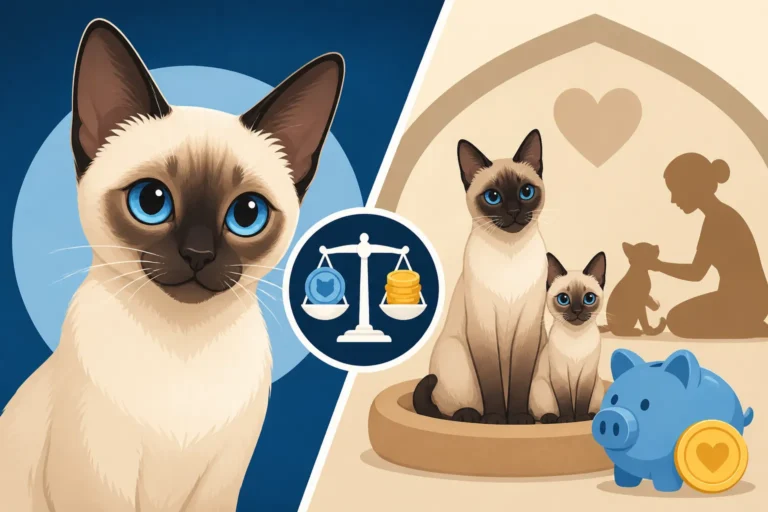
Common health concerns in the Siamese breed as a whole include amyloidosis (a protein deposit disease), certain dental issues, and pica (wool sucking). While not every Siamese will experience these, it's wise to be aware. Regular veterinary check-ups are crucial for early detection and management of any potential health problems. Considering pet insurance from providers like Healthy Paws can be a sensible financial step, helping to mitigate the costs of unexpected illnesses or chronic conditions. It's all part of ensuring your Blue Point lives the longest, healthiest, and happiest life possible. For a broader look at breed health, check out How Healthy the Siamese Cat Actually Is.
Disclaimer
This article is for general informational purposes only and does not constitute professional advice. Laws, prices and regulations vary by location and change over time. Consult a qualified professional for guidance on your specific situation.