What Twenty Years of a Siamese Cat Adds Up To
Dreaming of a Siamese cat often conjures images of an elegant, vocal companion gracing your home for many years. And it’s true, these wonderful felines can indeed be with us for a remarkable two decades, sometimes even more! But while their presence is priceless, the financial commitment over such a long lifespan can be a real eye-opener if you haven't truly considered all the layers involved. This guide is here to walk you through the various costs, both expected and unforeseen, that accumulate over twenty beautiful years with a Siamese, helping you prepare for a lifetime of love and care.
The Initial Investment: More Than Just the Kitten Price
Bringing home a new Siamese cat is an exciting time, but the initial outlay goes far beyond the sticker price of the kitten or adoption fee. It’s about setting up a safe, stimulating environment and ensuring their immediate health needs are met. Many new owners focus on the purchase price and forget about the crucial "first week" expenses.
Acquisition Cost and Initial Setup
The very first cost, of course, is acquiring your Siamese. If you go through a reputable breeder, the price can vary significantly depending on the pedigree, whether the kitten is show-quality or a pet, and even the specific point color. While we won't get into exact figures, it’s rarely a negligible sum. On the flip side, adopting an adult Siamese from a rescue organization usually involves a lower adoption fee, but these cats sometimes come with existing medical needs or behavioral quirks that might require attention right away.
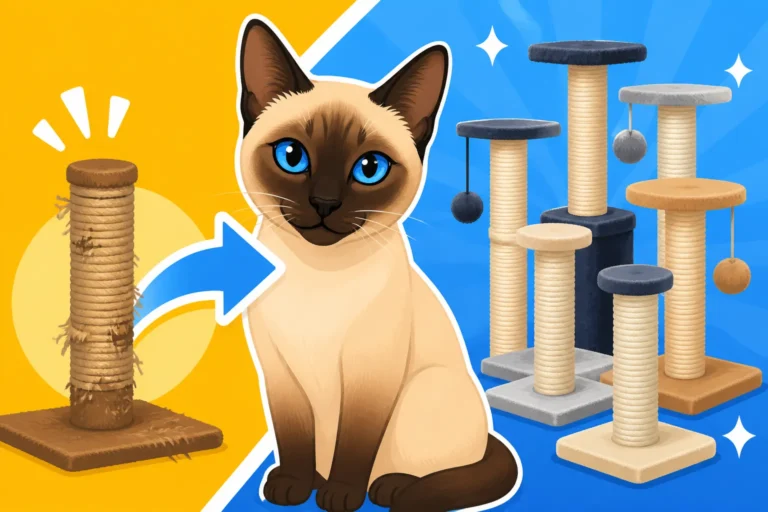
Beyond the cat itself, you'll need to transform your home into a feline-friendly haven. This means investing in essentials like a good quality litter box (or two!), food and water bowls, a comfortable bed, and a secure carrier for vet visits. Don't forget the toys – a variety is key for a clever Siamese – and several sturdy scratching posts or cat trees. Many people underestimate how quickly a Siamese can wear through or destroy cheaper items, so investing in durable, high-quality products from the start can save you money in the long run. Think about what your home looks like from a cat's perspective, especially a Siamese, who will climb, explore, and quite possibly attempt to "redecorate" with their claws.
Finally, that crucial first vet visit is non-negotiable. This typically includes a thorough health check, initial vaccinations, deworming, and often microchipping. If your kitten hasn't been spayed or neutered yet, that procedure will also be a significant upfront cost that's vital for their health and preventing unwanted litters.
The Cost of a Well-Bred Siamese Cat
You might wonder why some Siamese kittens cost more than others, even from reputable breeders. A significant factor is the commitment a responsible breeder makes to the health and welfare of their lines. This includes comprehensive health screening of parent cats, ensuring they are free from genetic conditions known to affect the breed. While there isn't a DNA test for everything (for instance, There Is No DNA Test for Siamese Cat Amyloidosis), good breeders still invest in screenings for conditions like Progressive Retinal Atrophy (PRA) and routinely screen for heart issues. What a Siamese Cat Breeder Should Have Screened covers many of these.
While the initial price might seem higher, investing in a well-bred Siamese from a breeder who prioritizes health can actually save you a considerable amount of money and heartache over the cat's lifetime. Think of it as a preventative measure. A kitten from unchecked lines might carry genetic predispositions to costly diseases that emerge later in life, leading to expensive diagnostic tests, medications, and specialized treatments. A healthy start, backed by responsible breeding practices, lays the foundation for a longer, healthier, and ultimately more affordable life.
Decades of Daily Care: The Recurring Expenses
Once your Siamese is settled in, the regular, ongoing expenses kick in. These are the costs that form the bulk of your twenty-year financial commitment, and while individual amounts might seem small, they certainly add up.
Food and Nutrition Throughout Life
Just like us, a Siamese cat's nutritional needs evolve over time. For a growing kitten, high-quality, growth-formulated food is essential. As they mature into adulthood, a balanced diet rich in protein is key to maintaining their lean, athletic physique. Siamese cats are known for their high metabolism; they seem to burn calories just by existing and vocalizing! It's why they often appear quite slender. Finding a food that provides enough energy without causing weight gain is a careful balance. You'll want to read Feeding a Lean Siamese Cat That Burns Everything for more insights on this.
As your Siamese enters its senior years, around age twelve and beyond, their dietary requirements will shift again. They might need food formulated for older cats, which can support joint health, kidney function, and cognitive well-being. Sometimes, specific health conditions like kidney disease or diabetes will necessitate prescription diets, which are often more expensive than standard commercial foods. Adding in treats, whether for training or just a daily indulgence, also contributes to the monthly food bill. Fresh, human-grade food can be excellent for a Siamese cat's health, though the cost structure will be different from traditional kibble. It's really about choosing what fits your budget and your cat's needs while ensuring they get the best possible nutrition for their long life.
Litter and Essential Supplies
Litter is a non-negotiable daily expense. The type of litter you choose (clumping clay, silica gel, natural, etc.) will impact the cost, as will the number of cats you have and how frequently you scoop and change the boxes. For a twenty-year span, imagine the sheer volume of litter! Don't forget related supplies like litter box liners, litter deodorizers, and robust scoopers.
Beyond food and litter, there's a constant need for other essentials. Toys, especially for an intelligent and playful breed like the Siamese, need regular replacement. They can become tattered, lost, or simply lose their appeal. Scratching posts and cat trees will also take a beating over two decades. A Siamese loves to climb and scratch, and investing in good quality, sturdy options from the start means they might last longer, but eventually, they will need replacing. Why a Siamese Cat Destroys Cheap Cat Trees gives you an idea of their powerful need for appropriate scratching surfaces. Basic grooming tools like a soft brush, nail clippers, and perhaps an ear cleaner will also be part of your recurring supply costs, even if they don't need frequent replacement.
Ongoing Veterinary Care
This is where many new cat owners can be caught off guard by the cumulative cost. For two decades, your Siamese will need routine veterinary care. This typically involves annual wellness exams for adult cats, where the vet checks their overall health, listens to their heart and lungs, and discusses any concerns. These visits are also when routine vaccinations are updated and parasite prevention (flea, tick, and heartworm medications) is dispensed. How Often a Siamese Cat Needs a Wellness Exam dives deeper into the importance of these regular check-ups.
One area where Siamese cats often incur significant costs is dental care. They are particularly prone to dental disease, including gingivitis and tooth resorption. Routine dental cleanings under anesthesia become a necessary part of their care, often starting in middle age and potentially needing to be done every one to three years. These procedures involve scaling, polishing, and sometimes extractions, and they can be quite costly. Ignoring dental health isn't an option; it can lead to pain, infection, and impact their overall health. Dental Disease in a Siamese Cat provides more detail on this common issue.
As your Siamese ages, their veterinary care will likely become more frequent and comprehensive. Senior cats often require bi-annual check-ups, and your vet might recommend yearly bloodwork, urine tests, and blood pressure monitoring to catch age-related conditions like kidney disease or hyperthyroidism early. This proactive approach can lead to a better quality of life and potentially extend their lifespan, but it definitely adds to the ongoing vet bills. Many owners find that investing in pet insurance, such as a policy from Healthy Paws, can be incredibly helpful in managing these long-term veterinary expenses, especially as cats age and chronic conditions become more prevalent.
Anticipating the Unexpected: Health and Behavioral Challenges
Even with the best preventative care, life with a Siamese will inevitably throw some curveballs. Unexpected health crises or pronounced behavioral issues can lead to significant, unplanned expenses.
Managing Health Issues Over Time
While Siamese cats are generally a healthy breed, they are not immune to illness or injury. Over twenty years, it’s highly probable your cat will experience at least one significant health issue that requires more than a routine vet visit. This could range from a sudden injury requiring emergency care to the development of chronic conditions that need ongoing management.
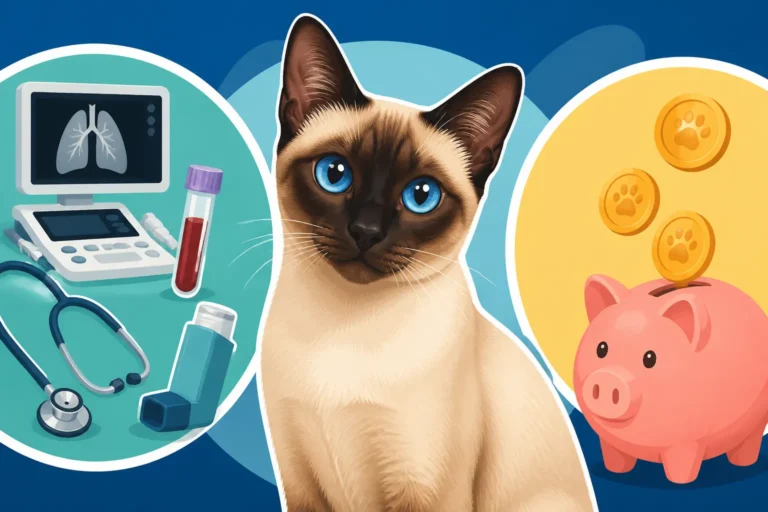
Some chronic conditions common in Siamese cats include asthma, which requires regular medication, and potentially an inhaler and spacer setup. Asthma in a Siamese Cat details what managing this can entail. Kidney disease is another common ailment in older felines, often requiring special diets, subcutaneous fluids, and medication, which can become quite costly over several years. Kidney Disease in an Older Siamese Cat offers more information on this. Even serious inherited conditions like Amyloidosis, while less common, can lead to sudden, expensive emergencies if the liver ruptures. Amyloidosis Is the Disease That Kills Young Siamese Cats outlines the severe nature of this disease.
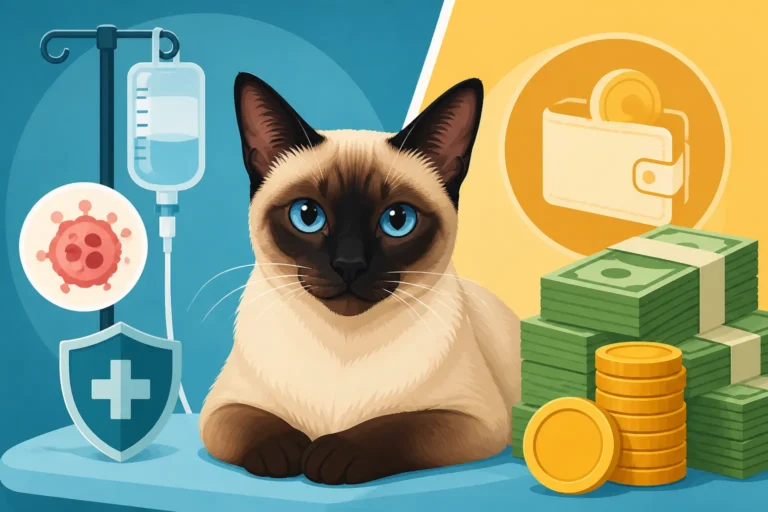
Diagnostic tests like X-rays, ultrasounds, blood panels, and specialist consultations can quickly escalate the cost of an unexpected illness. If surgery is required, such as for an intestinal blockage, the bill can easily reach thousands. This is precisely where pet insurance, like a plan from Healthy Paws, can be a financial lifesaver. It helps cover a significant portion of these unexpected, high-cost veterinary treatments, allowing you to make medical decisions based on what’s best for your cat, not just your wallet.
Behavioral Quirks and Their Costs
Siamese cats are famous for their unique personalities, but some of these traits can lead to costly behavioral challenges. One of the most well-known is wool sucking or pica, where they compulsively suck on or eat non-food items like blankets, sweaters, or even plastic. While it might seem harmless, swallowing fabric can lead to dangerous intestinal blockages that require emergency surgery, a very expensive procedure. Why a Siamese Cat Sucks Wool and What a Wool Sucking Siamese Cat Costs in Surgery underscore the seriousness and cost implications of this behavior. Managing pica might involve enriching their environment, specific dietary changes, or even anti-anxiety medication, all of which add to the expense.
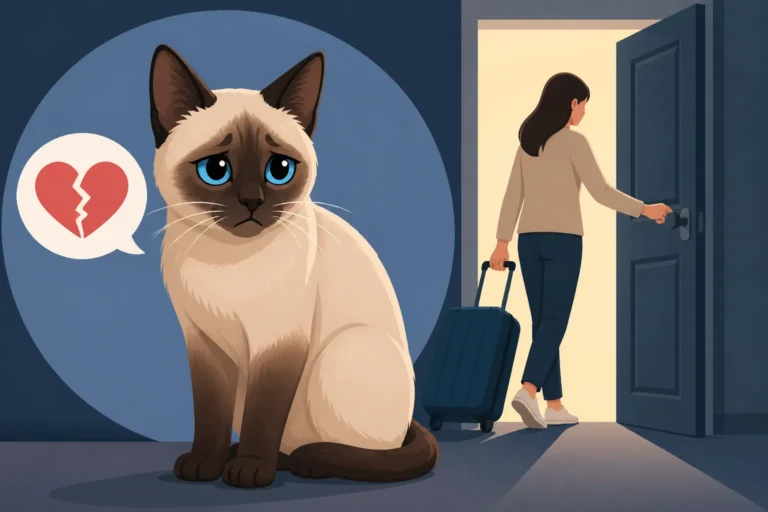
Another potential issue is separation anxiety. Siamese cats are highly social and bond deeply with their humans. If left alone for long periods without adequate stimulation or companionship, they can develop anxiety, which might manifest as excessive vocalization, inappropriate urination, or destructive behaviors. What Separation Anxiety Looks Like in a Siamese Cat explains how this can impact a cat. While the emotional cost is high, the financial costs can include vet visits to rule out medical causes for inappropriate elimination, professional behaviorist consultations, and replacing damaged furniture or personal items. To combat boredom and anxiety, you'll find yourself investing in a continuous stream of engaging toys, puzzle feeders, and climbing structures, often sourced from retailers like Chewy, to keep their brilliant minds occupied.
The Golden Years: Senior Cat Care
The latter years of a Siamese cat's life, typically from age twelve onwards, often come with increased care needs and, consequently, increased costs. Just like with people, aging brings new challenges, and providing comfort and support for your beloved senior cat is paramount.
Enhanced Care for an Aging Siamese
As your Siamese enters their senior phase, you'll likely find yourself at the vet more frequently. Instead of annual check-ups, your vet might recommend visits every six months, especially if they have any developing chronic conditions. Caring for a Siamese Cat Past Twelve delves into the specific needs of older Siamese cats. These appointments often include more extensive diagnostics, such as regular bloodwork, urine tests, and blood pressure checks, to monitor for common senior ailments like kidney disease, hyperthyroidism, and diabetes. The goal is early detection and management to maintain their quality of life.
Beyond routine vet visits, senior Siamese cats often benefit from specialized care. This could include prescription diets tailored for kidney health, joint support, or digestive sensitivities. Supplements for joint pain, cognitive function, or skin health might also be recommended. You might also need to invest in practical comforts like orthopedic beds for aching joints, heated beds to keep them warm (as older cats can feel the cold more keenly, a topic explored in When a Siamese Cat Needs a Heated Bed), or even ramps to help them access favorite elevated spots. If they develop conditions that affect their mobility, such as arthritis, ongoing pain medication will be a regular expense.
End-of-Life Planning
While it's a difficult topic to consider, planning for the end of your Siamese cat's life is a compassionate and responsible part of long-term ownership. When the time comes, whether due to a sudden decline or a long battle with chronic illness, you'll want to ensure they pass peacefully and with dignity.
This phase often involves a decision about palliative care or comfort care, which aims to minimize pain and discomfort without necessarily curing the underlying disease. This can include medication for pain, nausea, or anxiety, and possibly even home visits from a vet for comfort injections. Eventually, the difficult decision of euthanasia may arise. The cost of this humane procedure, whether at the veterinary clinic or in the comfort of your own home, is a necessary expense. Beyond that, many owners choose cremation, either communal or private, and may opt for a memorial item like an urn or paw print, adding to the final costs. These are the expenses you hope you never have to face, but preparing for them emotionally and financially is an important part of loving a cat for twenty years.
Here's a breakdown of potential cost categories over a Siamese cat's twenty-year lifespan:
| Cost Category | Common Expenses |
|---|---|
| Initial Setup | Acquisition cost (breeder/rescue fee), carrier, litter boxes, food/water bowls, initial toys, scratching posts, bed, first vet exam (vaccines, deworming, microchip, spay/neuter). |
| Recurring Daily | Cat food (dry/wet, prescription diets), treats, litter, litter liners/scoopers, replacement toys, grooming supplies (brushes, nail clippers), flea/tick/heartworm prevention, general house cat-proofing. |
| Routine Medical | Annual/bi-annual vet check-ups, booster vaccinations, routine bloodwork, dental cleanings, urine tests, blood pressure monitoring (for older cats). |
| Unexpected Medical | Emergency vet visits (injuries, sudden illness), diagnostic tests (X-rays, ultrasounds, biopsies), medications for acute conditions, surgeries (e.g., foreign body removal for pica), management of chronic diseases (asthma, kidney disease). |
| Behavioral Support | Behaviorist consultations, specialized toys/puzzle feeders for enrichment, calming supplements or pheromones, replacement of items damaged by stress/pica. |
| Senior Care | Increased frequency of vet visits, specialized senior diets, supplements (joint, cognitive), mobility aids (ramps, orthopedic beds), heated beds, ongoing pain management for arthritis, management of conditions like hyperthyroidism/diabetes. |
| End-of-Life | Palliative care medications, euthanasia (clinic or in-home), cremation, memorial items. |
Disclaimer
This article is for general informational purposes only and does not constitute professional advice. Laws, prices and regulations vary by location and change over time. Consult a qualified professional for guidance on your specific situation.