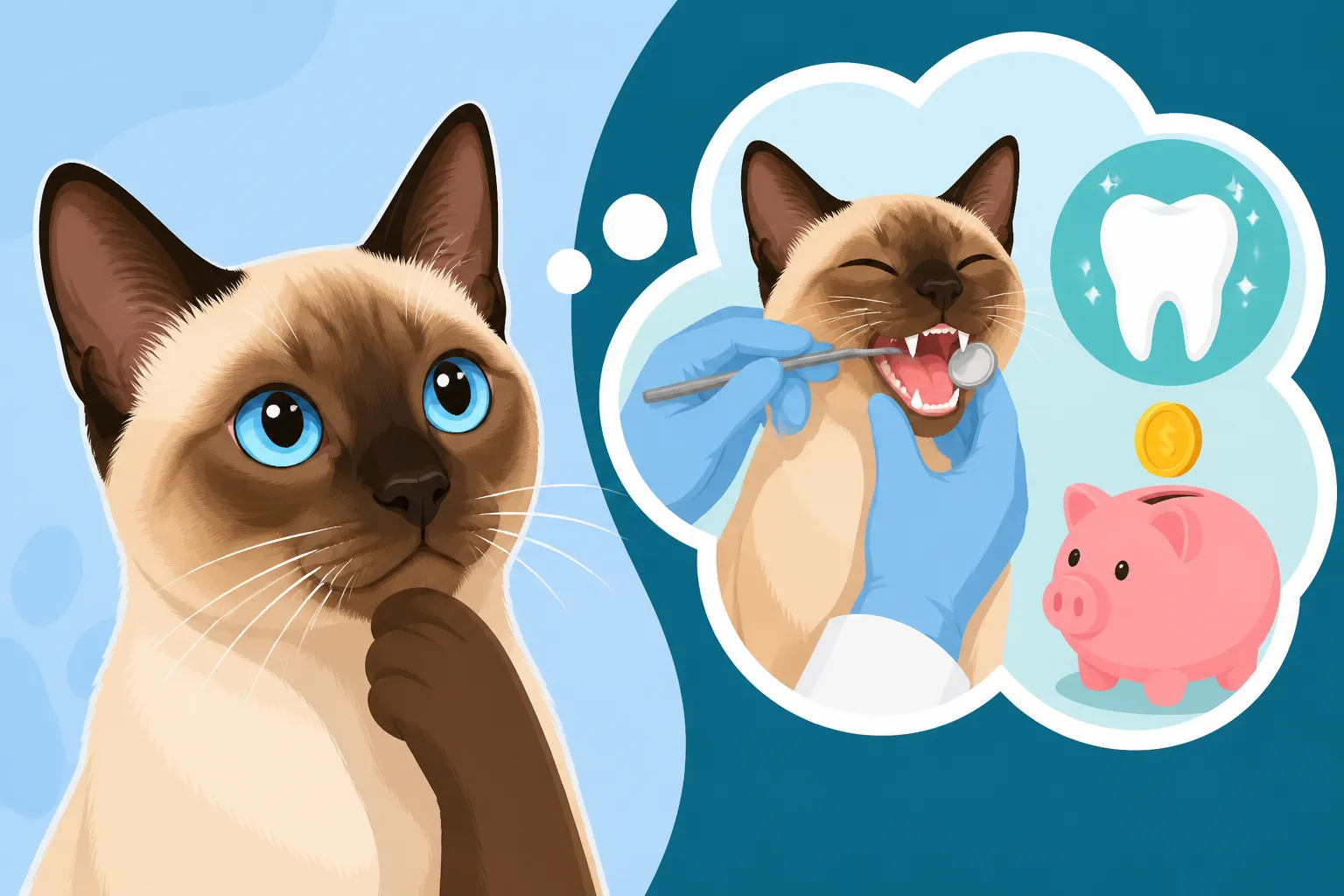
What a Siamese Cat’s First Dental Costs
Bringing a new Siamese cat into your home is an absolute joy, filled with their playful antics, endless conversations, and those piercing blue eyes. But amidst all the excitement, many new Siamese parents are blindsided by an expense they didn't anticipate, especially for a relatively young cat: the cost of their first professional dental cleaning. It can feel like a punch to the gut when you're handed an estimate that seems more fitting for a major surgery than a tooth cleaning, and you're left wondering if this is truly necessary or just an upsell.
Why Your Siamese Cat's First Dental is So Important
It's easy to assume that cats, especially indoor ones, don't need dental care like humans or even dogs do. After all, they don't eat candy, right? But the reality is that dental disease is incredibly common in felines, often progressing silently until it becomes a painful, serious issue. For Siamese cats, in particular, maintaining oral health is a critical part of their overall well-being and can significantly impact their quality of life as they age.
The Silent Threat of Feline Dental Disease
Cats are masters of disguise when it comes to pain, and dental disease is no exception. You might not see them limping or crying out, but beneath the surface, plaque and tartar build-up can lead to gingivitis, periodontal disease, and even tooth resorption. This isn't just about bad breath, though that's often the first noticeable sign for us humans. This is about chronic pain, infection, and inflammation that can impact their kidneys, heart, and other vital organs. Imagine living with a constant toothache – that's what many cats endure without their owners ever knowing. Regular professional cleanings are the only way to truly assess and address these hidden issues before they escalate.
Siamese Cats: A Predisposition to Dental Woes
While all cats can suffer from dental disease, some breeds, including our beloved Siamese, appear to have a higher propensity for certain oral health problems. We often see conditions like gingivitis starting at a younger age in Siamese cats compared to other breeds. Their unique genetics and sometimes their jaw structure can make them more susceptible to plaque accumulation and the subsequent inflammation of the gums. I've personally seen many Siamese cats who, despite diligent at-home care, developed significant dental issues by the time they were just a few years old. This heightened risk means that proactive dental care, including that crucial first professional cleaning, isn't just a recommendation; it's a necessity for Siamese owners. You might find it helpful to read about Gingivitis in a Siamese Cat to understand more about this common issue.
Why Early Intervention Saves More Than Just Teeth
Think of your Siamese cat's first dental cleaning as an investment in their future health and happiness. Catching dental disease early, when it's just gingivitis, is far easier and less costly than waiting until it's advanced periodontal disease requiring multiple extractions and extensive treatment. Early intervention means less pain for your cat, fewer invasive procedures, and ultimately, a healthier mouth and body. It can prevent the kind of extensive tooth loss that impacts an older cat's ability to eat comfortably and enjoy life. Plus, establishing a baseline of good oral health early on makes subsequent cleanings quicker and simpler. This proactive approach can help avoid needing expensive treatments for conditions like Tooth Resorption in a Siamese Cat down the line.
Unpacking the Components of a First Dental Bill
When you receive that daunting estimate for your Siamese cat's first dental, it's natural to feel overwhelmed. It's not just a simple brush and rinse; a comprehensive veterinary dental cleaning is a medical procedure that involves several crucial steps, each contributing to the overall cost. Understanding what these components cover can help demystify the bill and highlight why it's a worthwhile expense.
The Essential Pre-Anesthetic Workup
Before any general anesthesia is administered, your vet will insist on a thorough pre-anesthetic workup. This isn't optional, and for good reason. It typically includes a comprehensive physical examination, blood tests, and sometimes a urinalysis or even an ECG, especially for older cats or those with known health issues. These tests are vital to ensure your Siamese cat is healthy enough to undergo anesthesia safely. They check organ function, red and white blood cell counts, and can reveal underlying conditions that might complicate the procedure. It’s a critical safety net, ensuring the vet team has a clear picture of your cat's internal health before starting. This pre-screening is often one of the first line items you'll see on the bill, and it’s a non-negotiable step for responsible veterinary care.
Understanding Anesthesia and Monitoring for Feline Safety
The most significant portion of the dental bill often relates to anesthesia and patient monitoring. Unlike humans, cats cannot simply hold still and say "open wider" for a thorough dental cleaning. A full cleaning, probing, and X-ray examination requires general anesthesia. This isn't just a quick jab; it involves specialized anesthetic agents, careful intubation, and continuous monitoring by a trained veterinary technician. They'll monitor your Siamese cat's heart rate, breathing, blood pressure, oxygen saturation, and temperature throughout the entire procedure. This dedicated attention minimizes risks and ensures your cat's safety, which is paramount. The cost covers the drugs, the equipment, and the skilled personnel required to keep your precious Meezer safe while they're under. For more on this, you might want to read Whether a Siamese Cat Tolerates Anesthesia.
The Actual Cleaning, Scaling, and Polishing Process
Once your Siamese is safely under anesthesia, the real dental work begins. This isn't just a superficial cleaning you might attempt at home. The veterinary team performs a complete oral examination, often using dental probes to check for pockets under the gum line, loose teeth, or other abnormalities. They then use specialized ultrasonic scalers to remove plaque and tartar from above and below the gum line, where most dental disease hides. This is followed by hand scaling to ensure every nook and cranny is clean. Finally, the teeth are polished to smooth the enamel, which helps deter future plaque accumulation. This meticulous process is what truly cleans and protects your cat's teeth, going far beyond what a toothbrush can do.
The Unexpected Costs: Extractions and Advanced Treatments
Sometimes, despite preventative care, the vet discovers more serious issues during the examination under anesthesia. This is where those "unexpected" costs can arise. If there are severely diseased teeth, deep periodontal pockets, or painful tooth resorption lesions, extractions might be necessary. Feline dentistry often involves surgical extractions, which require local nerve blocks, specialized equipment, and careful suturing. Dental X-rays, often performed during the procedure, are crucial for identifying issues below the gum line that aren't visible to the naked eye. These X-rays can reveal abscesses, bone loss, or unerupted teeth. Each extraction adds to the time under anesthesia and requires additional materials and skill, which will increase the overall cost. It's a tough decision, but removing painful, infected teeth is vital for your cat's comfort and long-term health.
Factors That Shape Your Siamese Cat's Dental Cost
It's common for owners to hear wildly different price estimates for a dental cleaning, which can be frustrating and confusing. Why does one vet quote significantly more than another? Several factors influence the final cost, and understanding these can help you manage your expectations and budget more effectively.
Location, Clinic Type, and Veterinary Expertise
Just like real estate, veterinary costs are often influenced by geographic location. A clinic in a bustling metropolitan area, say, New York City or Los Angeles, will generally have higher overheads and thus higher prices than one in a rural town. The type of clinic also plays a role. A state-of-the-art veterinary hospital with specialists, advanced diagnostic equipment, and 24/7 emergency care might charge more than a smaller, family-run practice. Furthermore, the experience and specialized training of the veterinary team, particularly if they have a strong focus on advanced dental procedures, can affect pricing. When you're seeking quotes, it's worth asking what specifically is included in their "standard" dental package.
The Severity of Dental Disease: A Spectrum of Costs
This is arguably the biggest variable in your Siamese cat's first dental bill. If your cat has minimal plaque and no extractions are needed, the cost will be at the lower end of the spectrum. However, if the vet discovers significant periodontal disease, multiple rotten teeth, or complex extractions are required, the cost will climb significantly. Each additional procedure, such as a full mouth series of dental X-rays (which are often standard for a first dental anyway to get a baseline), local anesthetic nerve blocks for extractions, bone grafting, or special post-operative medications, adds to the bill. This is why it's so important for the vet to provide an estimate range and explain that the final cost can only be determined once your cat is under anesthesia and a full oral exam can be performed.
Exploring Payment Options and Pet Insurance
Facing a large dental bill can be stressful, but there are options to help. Many veterinary clinics offer payment plans or work with third-party financing companies like CareCredit, allowing you to pay the bill over several months. This can be a huge relief, especially for unexpected extensive procedures.
Pet insurance is another excellent way to mitigate these costs, particularly for planned procedures like dentals, provided you enroll your cat before any dental issues become pre-existing conditions. Plans vary, but many will cover a significant portion of dental cleanings and necessary extractions. Companies like Healthy Paws are known for their comprehensive coverage, which often includes accident and illness, a category under which many dental procedures (especially those beyond routine cleaning) fall. While the monthly premiums are an ongoing expense, having pet insurance can provide immense peace of mind, knowing you won't have to choose between your cat's health and your wallet. You might want to consider What Insuring a Siamese Cat Costs a Month to help you budget for this.
Here’s a general idea of what contributes to the cost of a first dental:
| Service Component | Description | Typical Contribution to Cost |
|---|---|---|
| Pre-Anesthetic Exam | Physical check-up by vet | Low |
| Pre-Anesthetic Bloodwork | Blood tests to check organ function and blood counts | Moderate |
| Anesthesia & Monitoring | Sedation, intubation, continuous monitoring of vital signs | High |
| IV Catheter & Fluids | Provides direct access for medications and helps maintain hydration/blood pressure | Moderate |
| Dental Probing & Charting | Detailed examination of each tooth and gumline, documentation | Low |
| Full Mouth X-rays | Crucial for identifying issues below the gum line | Moderate |
| Ultrasonic Scaling | Removal of plaque and tartar above and below the gum line | Moderate |
| Hand Scaling & Polishing | Fine-tuning the cleaning and smoothing tooth surfaces | Low |
| Extractions (if needed) | Surgical removal of diseased teeth, includes local nerve blocks | Variable (can be High) |
| Pain Medication (post-op) | Sent home to manage discomfort | Low |
Please note: These are general categories. Actual costs are specific to your vet, location, and your cat's needs.
Beyond the First Dental: Long-Term Oral Health for Your Meezer
The first dental cleaning is a fantastic start, but it's just that: a start. Maintaining your Siamese cat's oral health is an ongoing commitment. By incorporating regular at-home care and consistent veterinary check-ups, you can significantly prolong the time between professional cleanings and keep those pearly whites sparkling and healthy for years to come.
Bringing Dental Care Home: Brushing and Dental Aids
I know, I know, the idea of brushing a cat's teeth sounds like a recipe for scratched arms and frayed nerves. But it's genuinely the single most effective thing you can do at home to combat plaque and tartar buildup. Start slow, with a finger brush and cat-specific toothpaste (never human toothpaste!). Reward heavily. Even a minute a day can make a huge difference. If brushing is truly impossible, there are other dental aids. Dental chews and treats specifically designed to reduce plaque can be helpful, though they are less effective than brushing. Look for products with the Veterinary Oral Health Council (VOHC) seal of acceptance, which indicates they meet certain standards for plaque and tartar reduction. You can often find a good selection of these on sites like Chewy. Water additives and dental diets are also options, but always discuss these with your vet to ensure they're appropriate for your Siamese. Remember, consistency is key! If you need a guide, check out How to Brush a Siamese Cat's Teeth.
The Crucial Role of Regular Veterinary Check-ups
Even with diligent at-home care, regular veterinary check-ups remain indispensable. Your vet can spot early signs of dental disease that you might miss, such as subtle gum inflammation or early signs of Why a Siamese Cat Loses Teeth Young. During these annual visits, they'll perform an oral exam, assess your cat's overall health, and recommend when the next professional cleaning might be needed. These routine appointments are your chance to ask questions, address any concerns, and ensure your Siamese cat stays on track for a long, healthy life. It’s not just about teeth; it’s about their whole body. Staying on top of routine care means fewer surprises down the line. To learn more about routine health, see How Often a Siamese Cat Needs a Wellness Exam.
Dietary Considerations for a Healthy Mouth
While diet alone cannot prevent dental disease, it certainly plays a supporting role. Dry kibble is often touted as being good for teeth, but many kibble types shatter too easily to provide any real scraping action. Look for specialized dental diets that have larger, fibrous kibbles designed to clean teeth as your cat chews. These often have a VOHC seal. Beyond specific dental formulas, a high-quality, balanced diet supports overall health, which in turn contributes to a stronger immune system and healthier gums. Avoid overly sticky or sugary treats that can promote plaque formation. Discuss with your veterinarian if your Siamese cat has any specific dietary needs or if a particular dental diet would be beneficial for their long-term oral health.
Disclaimer
This article is for general informational purposes only and does not constitute professional advice. Laws, prices and regulations vary by location and change over time. Consult a qualified professional for guidance on your specific situation.