Why a Siamese Cat Meows So Much
If you're a Siamese cat parent, you've undoubtedly experienced that sound – the insistent, often piercing, and sometimes downright operatic vocalizations that are a hallmark of the breed. It's not just a cute meow; it's a full-on conversation, a demand, or sometimes, a mournful lament that can leave you wondering, "Why does my Siamese cat meow so much?" You're not alone in feeling overwhelmed or perplexed by their sheer volume and persistence. This guide is here to help you unravel the mysteries behind your Siamese's vocal prowess, understand what they're trying to tell you, and explore effective ways to manage their chattiness.
Understanding the Siamese "Meezer Yowl": It's More Than Just a Meow
Let's face it, the Siamese cat isn't just a vocal breed; they are the vocal breed. Their unique range of sounds goes far beyond the typical "mew" of other felines, often described as a distinctive "Meezer yowl." This isn't a flaw; it's a fundamental part of their genetic makeup and deeply ingrained personality.
The Vocal Nature of the Siamese Breed
Siamese cats are often compared to dogs in their loyalty and communicative abilities, and a big part of that communication comes through their voice. They are highly intelligent, highly social creatures who genuinely want to interact with their humans. For them, silence isn't golden; it's a missed opportunity for connection. If you've ever felt like your Siamese is talking to you, it's because they are – in their own way. They don't just vocalize when they need something; they vocalize when they're happy, when they're exploring, when they're observing, or just because they feel like it. It's a constant, flowing dialogue with their world and, most importantly, with you.
Imagine trying to communicate everything you feel and want without words, using only tone and intensity. That's essentially what your Siamese does, and they do it masterfully. They've evolved to be incredibly effective at getting our attention, often using a variety of vocalizations that signal different emotions or desires. This inherent talkativeness is something to appreciate, even when it tests your patience. It's a testament to their vibrant personality and their deep desire to be an active participant in your life.
What Does the Yowl Actually Sound Like?
The "Meezer yowl" isn't a single sound; it's a spectrum. It can range from a soft, almost purr-like trill when they're content and rubbing against your legs, to a series of urgent chirps as they chase a toy, and then escalate to the full-bodied, almost mournful yowl that can sound eerily like a human baby crying. This sound, in particular, is what often catches new Siamese owners off guard. It's not a gentle meow you can easily ignore; it penetrates walls and can certainly make neighbors wonder. For a deeper dive into their specific sounds, you might find What the Siamese Cat's Meezer Yowl Sounds Like helpful.
The intensity and pitch of their yowl can vary dramatically based on their urgency and what they're trying to convey. A low, rumbling groan might indicate displeasure at an empty food bowl, while a high-pitched, drawn-out wail could signal extreme distress or a desperate plea for attention. Understanding this vocal range is key to deciphering your cat's needs. It’s like learning a new language where the "words" are variations in tone, volume, and duration. For instance, a quick, sharp mew might mean "hello," while a protracted, vibrating MEEE-OWWW signals "I need something right now!"
Historical Context of Their Vocalizations
It's believed that the Siamese cat's vocal nature is an ancient trait, deeply rooted in their origins from Siam (modern-day Thailand). These cats were revered and often kept by royalty and in temples, where their striking appearance and intelligent, communicative nature would have made them exceptional companions. In such environments, a cat that could effectively communicate its needs or even "alert" its human companions would have been highly valued. Their strong voices might have even served as a form of communication within the temple walls or vast palace grounds, ensuring they were heard and attended to.
Over centuries, this trait was not bred out but rather, arguably, enhanced through selective breeding, making the Siamese of today one of the most vocal breeds on the planet. This historical context helps us appreciate that their chattiness isn't a modern "quirk" but a deeply embedded characteristic passed down through generations. They weren't just pretty faces; they were intelligent, interactive companions, and their voice was their primary tool for engagement. Think of it as a historical artifact, a living echo of their regal past, now expressed in your living room.
Common Reasons Your Siamese Cat Is Meowing So Much
Beyond their inherent chattiness, there are very specific reasons why your Siamese might be turning up the volume. Understanding these can help you address their needs more effectively and, hopefully, bring a little more quiet to your home.
Seeking Attention and Interaction
This is perhaps the most common reason for a Siamese cat's relentless meowing. These cats thrive on human interaction. They don't just want to be in the same room as you; they want to be with you, engaging with you. If you're ignoring them, they will escalate their vocalizations until they get a response. This isn't manipulative behavior; it's simply how they're wired. They view you as part of their colony and believe you should be interacting with them constantly. For a Siamese, silence from their human is often interpreted as a problem that needs to be solved with more noise. A Siamese Cat Will Not Be Ignored is certainly a truism in this regard.
Imagine you're trying to tell someone something really important, but they're completely absorbed in their phone. What do you do? You speak louder, you get closer, you might even gently tap them until they look up. Your Siamese is doing the exact same thing. They might weave through your legs as you walk, jump onto your desk while you're working, or sit directly in front of your TV. When these subtle cues are missed, the meow-meter goes up. They crave your gaze, your touch, your voice, and they'll use their impressive lung capacity to ensure they receive it.
Expressing Needs: Hunger, Thirst, or Litter Box Issues
Of course, sometimes the meowing is a very direct request for basic necessities. An empty food bowl, a water dish that's not sparkling fresh, or a litter box that hasn't been scooped to their exacting standards can all trigger a vocal protest. Siamese cats are creatures of habit and cleanliness, and they're not shy about letting you know when their environment isn't up to par. They have high standards, and they expect you to meet them.
A Siamese will stand by their food bowl, meowing pointedly, perhaps looking from the bowl to you and back again, almost as if to say, "Are you seeing this? This is unacceptable!" They might lead you directly to the offending item, chattering and yelping along the way. While it might seem demanding, it's their way of clearly communicating a problem they can't solve themselves. If you've ever had a cat knock things off a counter to get your attention, a Siamese will often skip the destructive behavior and go straight for the vocal alarm system. Checking these basic needs first can often solve a sudden bout of excessive meowing.
Communicating Discomfort or Pain
One of the most crucial reasons for sudden or excessive meowing is discomfort or pain. Unlike dogs, cats are masters at hiding illness, a survival instinct from their wild ancestors. However, a Siamese, with their communicative nature, might be more inclined to vocalize their distress. A sudden increase in meowing, especially if it's accompanied by changes in behavior like lethargy, hiding, or changes in appetite, should never be ignored. This could be their way of signaling that something is genuinely wrong. When a Siamese Cat's Meowing Means Pain is a critical topic for any owner.
The type of vocalization might also change. Instead of their usual "chatty" meows, you might hear a more pained, high-pitched, or continuous cry. They might appear restless, unable to settle, or continually seek out quiet, isolated spots while still vocalizing. If you suspect pain, it's always best to consult your veterinarian immediately. It’s better to be safe than sorry, as early intervention can often make a significant difference in their prognosis and comfort. Don't dismiss a sudden change in vocal patterns as just "being a Siamese"; it could be a cry for help.
Environmental and Behavioral Factors That Amplify Vocalizations
Beyond their innate personality and immediate needs, several external and internal factors can significantly contribute to a Siamese cat's excessive meowing. Understanding these can help you create a more harmonious environment for your vocal companion.
Loneliness and Separation Anxiety
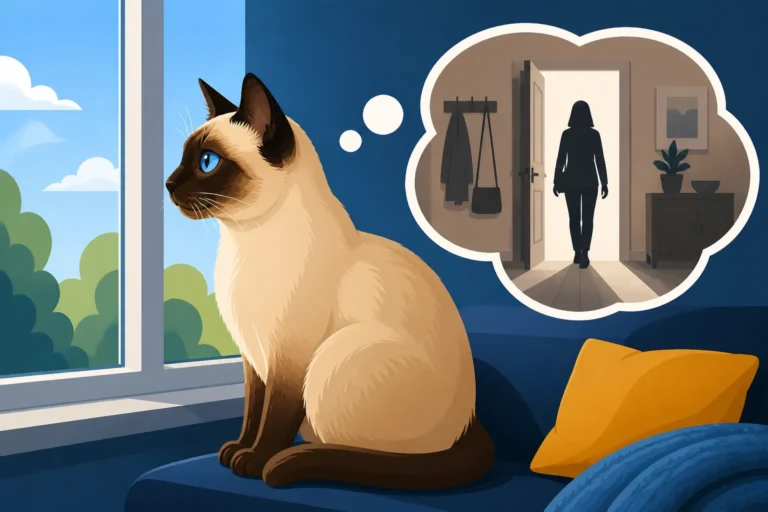
Siamese cats form incredibly strong bonds with their human companions. They thrive on companionship and can suffer deeply from loneliness. If you have a demanding job, or your household is often empty for long stretches, your Siamese might develop separation anxiety. This can manifest as excessive meowing as soon as you leave, upon your return, or even throughout the day if they're left alone. It's their way of expressing distress and calling for their missing "person." What Separation Anxiety Looks Like in a Siamese Cat often includes this kind of persistent vocalization.
Leaving a Siamese alone for extended periods without adequate stimulation or companionship can be detrimental to their emotional well-being. They're not independent loners; they crave company. Imagine being left alone in a big, quiet house all day, every day, with no one to talk to. That's how it can feel for a highly social Siamese. Some owners find that having a second cat, particularly another Siamese or a similarly social breed, can significantly alleviate loneliness and reduce excessive meowing. Whether a Siamese Cat Needs a Companion Cat is a question many owners grapple with for this very reason.
Boredom and Lack of Mental Stimulation
Siamese cats are incredibly intelligent and curious. They need mental and physical stimulation to prevent boredom. A bored Siamese is a destructive Siamese, and often, a very loud Siamese. If they don't have enough to engage their minds and bodies, they will invent their own entertainment, which often involves a lot of meowing, exploring, and potentially getting into mischief. They need activities that challenge them, tap into their hunting instincts, and allow them to interact with their environment.
This means more than just a few random toys scattered on the floor. Think puzzle feeders, interactive toys that mimic prey, climbing structures, and dedicated play sessions with you. Products available on platforms like Amazon, such as automatic laser pointers or treat-dispensing toys, can be lifesavers for busy owners. Enrichment for a Siamese Cat That Gets Bored in an Hour really highlights this need. Without appropriate outlets for their energy and intellect, they'll use their voice to express their frustration and demand engagement. They're telling you, loud and clear, "I'm bored! Entertain me!"
Stress, Anxiety, and Changes in Routine
Cats are creatures of habit, and Siamese cats are no exception. Any disruption to their routine or environment can be a significant source of stress and anxiety, which they often express through increased vocalizations. This could be anything from a new pet or family member, a move to a new house, changes in your work schedule, or even rearranging furniture. They thrive on predictability, and when that's taken away, they can become unsettled.
Consider a scenario where you've just brought home a new baby. Your Siamese, who was once the center of attention, suddenly finds their routine upended and your focus shifted. They might yowl persistently to express their confusion, jealousy, or anxiety about the new addition. Similarly, construction noise outside, an unfamiliar visitor, or even a change in their preferred brand of food can trigger a vocal protest. Their meows become a way to communicate their unease and try to regain a sense of control in their changing world. Providing safe, quiet spaces and maintaining as much routine as possible can help ease their stress.
When to Worry: Medical Reasons Behind Excessive Meowing
While many reasons for a Siamese cat's excessive meowing are behavioral or environmental, it's crucial not to dismiss a sudden or significant change in vocalization as "just a Siamese thing." Sometimes, persistent meowing is a genuine indicator of an underlying medical issue that requires veterinary attention.
Age-Related Changes: Hearing Loss and Cognitive Decline
As Siamese cats age, just like humans, they can experience cognitive decline and sensory loss. Hearing loss, for instance, can cause an older Siamese to meow much louder and more frequently because they can't hear themselves or your responses. They might feel disoriented or anxious, especially at night, and vocalize to express this confusion or seek reassurance. Why an Old Siamese Cat Yowls More often points to these age-related factors.
Similarly, feline cognitive dysfunction syndrome (FCDS), often compared to Alzheimer's in humans, can lead to increased vocalization, especially during the night. Cats with FCDS might seem disoriented, wander aimlessly, and cry out without any apparent reason. Their internal clock can get confused, leading to nocturnal yowling. If your senior Siamese has suddenly become much louder or more vocal, particularly at odd hours, a vet check-up is definitely warranted to rule out or manage these age-related conditions. It's heartbreaking to hear their confused cries, and sometimes medication or environmental adjustments can help.
Hyperthyroidism and Other Metabolic Conditions
One of the most common medical reasons for excessive vocalization in older cats, including Siamese, is hyperthyroidism. This condition, where the thyroid gland produces too much hormone, can lead to a host of symptoms, including increased appetite, weight loss despite eating, hyperactivity, and, yes, excessive meowing. The excess thyroid hormone can make them feel restless and anxious, driving them to vocalize more than usual.
Other metabolic conditions, such as kidney disease or hypertension, can also contribute to increased vocalizations. Cats suffering from these ailments might feel unwell, nauseous, or generally uncomfortable, and their meows become a plea for help or an expression of their discomfort. A thorough veterinary examination, including blood tests, is essential to diagnose these conditions. Early detection and treatment can make a significant difference in managing these diseases and improving your cat's quality of life. Don't wait; a sustained change in vocal behavior warrants a vet visit.
Pain and Underlying Illness
As mentioned earlier, pain is a significant driver of increased meowing. Cats are incredibly stoic, but a Siamese might be more inclined to vocalize discomfort. Chronic pain from conditions like arthritis, dental disease, or even something as serious as a tumor can lead to persistent meowing. They might be trying to tell you that something hurts, or that they simply don't feel well. The vocalization might be accompanied by changes in posture, reluctance to jump, or sensitivity to touch in certain areas.
It's not just acute pain; a general feeling of malaise from an underlying illness can also lead to more vocalizations. A cat with a urinary tract infection, for example, might cry out more frequently or loudly, especially in the litter box. Any illness that makes them feel off-kilter can trigger this behavior. This is why a sudden, unexplained increase in meowing should always prompt a call to your vet. They can perform a comprehensive check-up to identify any hidden health issues and provide the appropriate treatment, which will, in turn, often resolve the excessive vocalization.
Strategies to Manage and Understand Your Siamese Cat's Vocalizations
Dealing with a highly vocal Siamese can be a challenge, but there are many strategies you can employ to understand their needs better and manage their chattiness. It's about finding a balance between acknowledging their communicative nature and setting boundaries.
Meeting Their Social and Enrichment Needs
Since Siamese cats are so social and intelligent, the first step is often to ensure their social and enrichment needs are fully met. This means dedicating quality time to them every day.
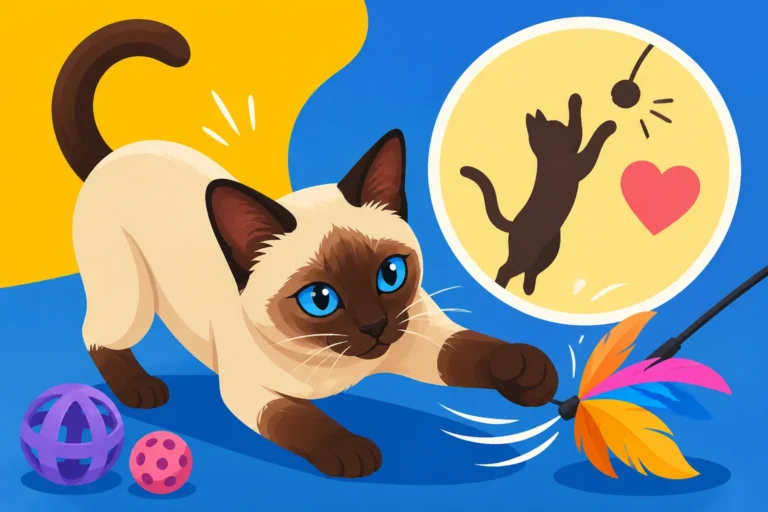
Consistent Playtime: Schedule regular, interactive play sessions. A wand toy that simulates hunting can be incredibly satisfying for them. Aim for at least two 15-20 minute sessions daily, or more if your cat has high energy. Engaging in vigorous play before bedtime can also help reduce Why a Siamese Cat Yowls in the Middle of the Night. The goal is to physically and mentally tire them out.
Mental Stimulation: Utilize puzzle feeders for their meals, which make them "work" for their food. This taps into their natural foraging instincts and provides mental exercise. You can find a variety of these on Amazon, from simple treat dispensers to more complex labyrinths. Climbing structures and tall cat trees also provide vertical space and observation points, which are crucial for a cat's mental well-being.
Consistent Attention: Make sure you're giving them dedicated, positive attention when they are not meowing excessively. This reinforces quiet behavior. When they meow, try not to immediately respond with what they want, if you suspect it's purely for attention. Instead, wait for a brief lull in their vocalization before engaging. This teaches them that calm behavior gets rewards.
Establishing Routines and Consistent Responses
Siamese cats thrive on routine. A predictable schedule for feeding, playtime, and cuddle sessions can greatly reduce anxiety and, consequently, excessive meowing.
Structured Feeding Times: Instead of free-feeding, try feeding your Siamese at set times throughout the day. This creates a routine they can anticipate, reducing the "I'm hungry, now!" yowls. If they meow leading up to mealtime, try to ignore it until the actual feeding time. If you give in early, you're teaching them that meowing works.
Predictable Interactions: Try to establish consistent responses to their meows. If you've determined they're meowing for attention, and you've already met their basic needs, you might try a calm, brief acknowledgment without giving in to their demands. For example, a soft "I hear you, sweetie" while continuing your activity, and then engaging when they quiet down. It's a fine line between ignoring and acknowledging, and requires patience. For specific advice on quieting your feline friend, check out How to Quiet a Siamese Cat.
Environmental Consistency: Keep their environment as stable as possible. If you must make changes (like moving furniture or having guests), introduce them gradually if you can, and provide extra comfort and reassurance to your cat. A consistent litter box location, fresh water, and comfortable resting spots contribute to their sense of security.
Seeking Veterinary Advice for Persistent Meowing
If you've tried all the behavioral and environmental adjustments and your Siamese cat's excessive meowing persists, or if there's a sudden, unexplained change in their vocal patterns, it's absolutely time to see the vet.
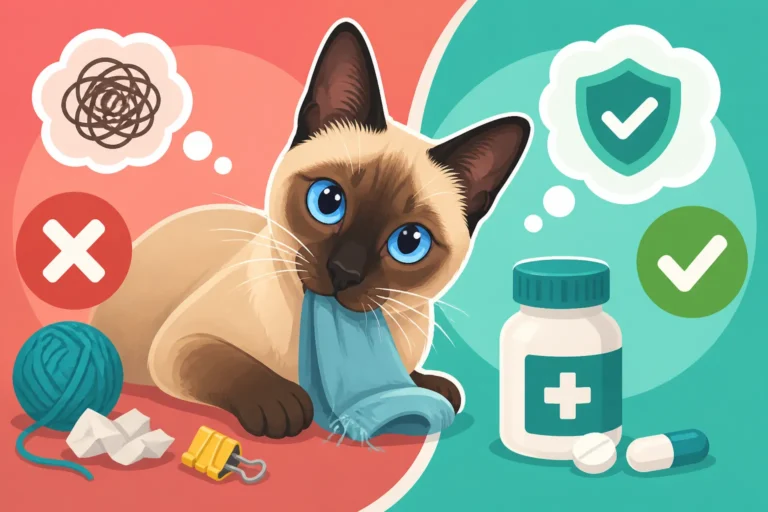
Full Medical Check-up: Your vet will conduct a thorough physical examination and likely recommend blood work and a urinalysis to check for underlying medical conditions like hyperthyroidism, kidney disease, or pain. They can also assess for age-related issues such as hearing loss or cognitive dysfunction.
Ruling Out Pain: Even if no obvious illness is found, your vet can investigate subtle signs of pain. Cats are incredibly good at masking discomfort, and a professional eye can spot things you might miss. Sometimes, managing chronic pain with medication can significantly reduce excessive vocalization.
Behavioral Consultation: If medical causes are ruled out, your vet might recommend a consultation with a feline behaviorist. These specialists can offer tailored strategies and identify complex behavioral issues, like severe separation anxiety, that might require more intensive intervention, potentially including pheromone diffusers or anti-anxiety medication. Products like Feliway diffusers, also widely available on Amazon, are often recommended by vets to help create a calmer environment for anxious cats. Your vet is your best partner in ensuring your Siamese is not only quiet but, more importantly, happy and healthy.
| Reason for Meowing | Potential Solution | When to Worry (Vet Visit) |
|---|---|---|
| Attention Seeking | Structured playtime, ignoring attention-meows, rewarding quiet behavior | If all needs met and vocalization is relentless, despite training |
| Hunger/Thirst/Litter | Consistent feeding schedule, fresh water, clean litter box | If appetite/thirst changes, or if signs of urinary discomfort (straining) |
| Loneliness/Separation Anxiety | More interaction, consider a companion cat, puzzle toys, pheromones | If self-mutilation, inappropriate urination, or severe distress |
| Boredom/Lack of Enrichment | Interactive toys, puzzle feeders, cat trees, training, dedicated play | If accompanied by destructive behavior or lethargy, despite enrichment |
| Pain/Discomfort | Identify source of pain, provide comfort | Immediately if sudden, intense meows, limping, hiding, or other illness signs |
| Age-Related (Hearing/Cognition) | Consistent routine, nightlights, soft voices, medication for FCDS | Any sudden change in vocalization in older cats, especially nocturnal |
| Hyperthyroidism/Illness | Vet diagnosis and treatment (medication, diet changes) | Any time vocalization changes drastically and is accompanied by other symptoms |
Disclaimer
This article is for general informational purposes only and does not constitute professional advice. Laws, prices and regulations vary by location and change over time. Consult a qualified professional for guidance on your specific situation.