How Long a Siamese Cat Copes Alone
You love your Siamese cat's vibrant personality, but that very intensity can make you worry about leaving them home alone. How long is too long for such a social, demanding companion? It’s a common frustration for Meezer parents who want to provide the best life for their furry family member but also need to live their own lives. This guide will dive deep into the unique needs of your Siamese, explore the various factors that influence their solo tolerance, and offer practical strategies to ensure they thrive, even when you're away.
The Siamese Cat's Innate Need for Connection
Siamese cats are often described as "dog-like" for a reason – they crave interaction and form incredibly strong bonds with their human companions. Unlike some more aloof breeds, a Siamese isn't content to simply coexist in the same house; they want to be an active participant in your life. This deep-seated need for connection is the primary reason why leaving a Siamese cat alone for extended periods can be a genuine challenge for both pet and owner.
More Than Just a Pet, a Companion
It’s easy to think of all cats as independent creatures, happy in their own solitude, but the Siamese truly breaks that mold. They thrive on companionship and active engagement. They often follow you from room to room, supervise your activities, and even join you in bed or on the couch, demanding cuddles and attention. This isn't just a quirky personality trait; it's a fundamental aspect of their breed. When that constant source of interaction is removed, even for a few hours, it can be a significant shift for them. Their world revolves around their people, and they truly consider themselves part of the family, not just a casual resident. Understanding this profound need is the first step in determining how best to manage their alone time.
The Vocal Demands of a Meezer
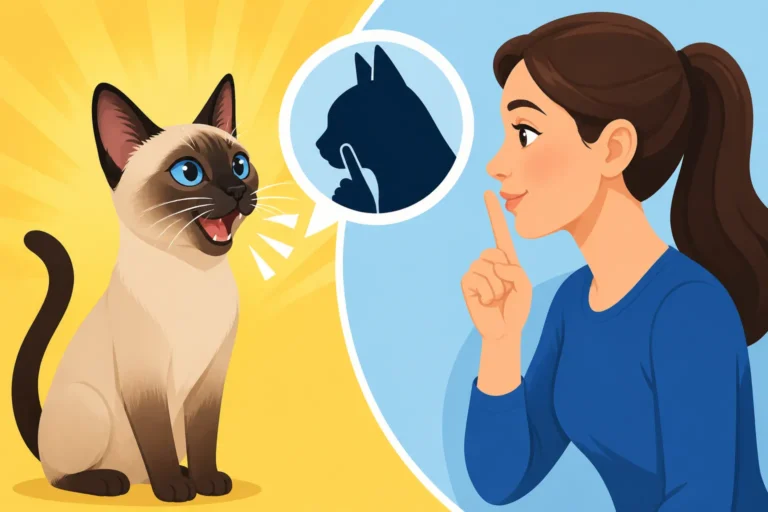
If you own a Siamese, you know their voice isn't just a gentle meow; it's a full-on conversation, a demanding yowl, or a trilling inquiry. They are incredibly vocal, and this is another manifestation of their social nature. They talk to you, often expecting a response, and they use their voice to express their needs, desires, and even their discontent. The Siamese Cat Talks and Expects an Answer When left alone, a Siamese cat who craves interaction might escalate their vocalizations, turning those charming conversations into insistent, loud yowls that express loneliness or boredom. This isn't them being "naughty"; it's their way of reaching out, hoping to elicit a response, a sign that their person is still out there, or at least that someone acknowledges their presence. Ignoring these calls, while sometimes necessary, doesn't address the underlying need for engagement.
Factors Influencing Alone Time Tolerance
Determining how long a Siamese cat can comfortably cope alone isn't a one-size-fits-all answer. Several factors play a crucial role, from their individual personality to the environment you've created for them. What works for one Siamese might lead to distress in another, highlighting the importance of understanding your specific cat's unique makeup.
Age and Temperament
Just like people, cats have distinct personalities, and these can heavily influence their tolerance for solitude. A bold, confident Siamese might handle being alone better than a shy or anxious one. Kittens, for example, are bundles of energy and curiosity and often require more supervision and interaction than an adult. They're still learning about the world and can become bored or get into trouble quickly if left without stimulation. On the other hand, a very senior Siamese cat might sleep more and have lower energy levels, but they can also become more anxious or disoriented as they age, making longer stretches alone challenging. A rescue Siamese who has experienced trauma or abandonment might also struggle significantly with separation anxiety, regardless of age. What Separation Anxiety Looks Like in a Siamese Cat
A cat's past experiences also shape their temperament. A Siamese raised in a bustling household with constant human interaction might find sudden quietude distressing, whereas one accustomed to a quieter home might adjust more easily. It's about recognizing your cat's unique emotional landscape.
Environmental Enrichment and Routine
The environment you provide plays a massive role in how well your Siamese copes when you're not there. A barren apartment with no stimulation is far different from a home filled with engaging toys, scratching posts, and vertical spaces. Siamese cats are highly intelligent and easily bored, so mental and physical enrichment is non-negotiable. Think cat trees that reach the ceiling, window perches for bird-watching, and interactive puzzle feeders. A predictable daily routine also provides a sense of security. Cats thrive on routine, knowing when they'll be fed, played with, and given attention. Disruptions to this routine can increase anxiety when you're away.
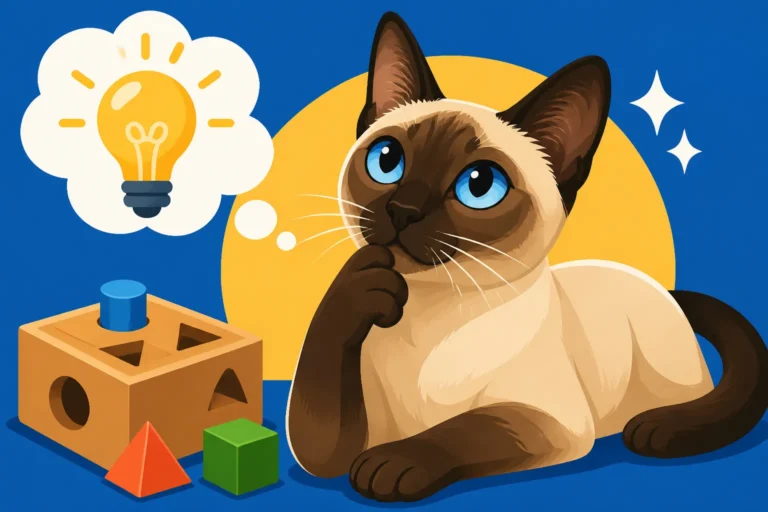
Consider the "boredom factor." A Siamese cat who is bored will find ways to entertain themselves, which might not always align with your preferences. This is why a well-appointed environment can mitigate destructive behaviors or excessive vocalizations. Enrichment for a Siamese Cat That Gets Bored in an Hour Ensuring they have plenty of things to explore, climb, and "hunt" can make their solo hours far more pleasant and less stressful for everyone involved.
The Presence of Other Pets
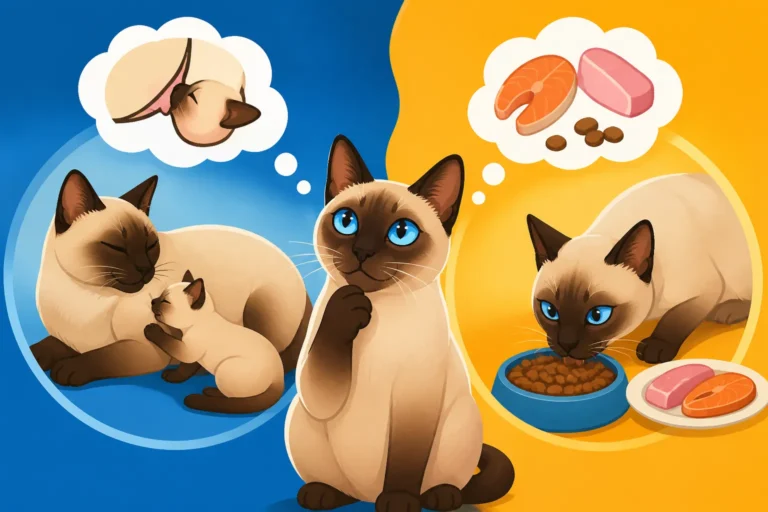
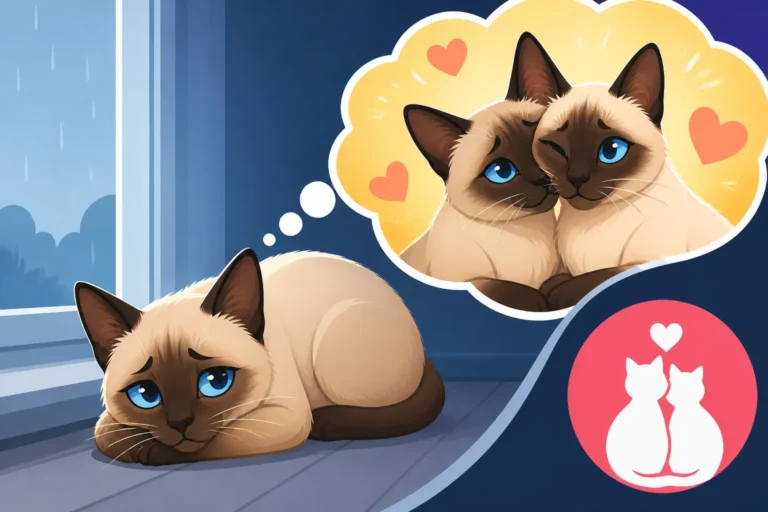
One of the most significant factors that can help a Siamese cat cope with alone time is the presence of another animal companion. While another cat, particularly another social breed like another Siamese, is often ideal, even a cat-friendly dog can provide much-needed company. This isn't to say a second pet completely replaces human interaction, but it can provide a vital source of comfort, play, and companionship during those hours you're not home. Many Siamese cats do much better in pairs or small groups. Whether a Siamese Cat Needs a Companion Cat
However, it's crucial that any companion animal is a good match for your Siamese's personality. A timid cat might be overwhelmed by a boisterous Siamese, or two strong personalities might clash. Careful introduction and ensuring they genuinely get along are key. If you're considering a second pet primarily for your Siamese's benefit, research compatible breeds and observe their interactions closely before making a full commitment. The goal is to reduce loneliness, not to create new stress.
Strategies for Successful Solo Stays
Since most of us can't be home 24/7 with our beloved Siamese, implementing smart strategies to make their alone time as comfortable and enriching as possible is crucial. It's about creating an environment and routine that supports their social and intellectual needs, even in your absence.
Setting Up for Success
Before you even walk out the door, ensure your Siamese has everything they need. This goes beyond just food and water. Make sure their litter boxes are clean and easily accessible, especially if they might be particular about cleanliness. Provide multiple comfortable resting spots at various heights, including cozy beds or blankets in their favorite sunbeams or secluded corners. Consider a water fountain, which often encourages cats to drink more and can be more appealing than a still bowl.
Food dispensing can also be a key factor. Instead of just leaving a bowl out, which a Siamese might devour in minutes, consider a timed feeder or puzzle feeder. This not only controls portions but also adds mental stimulation, making mealtime an activity rather than just a quick refuel. Products like these are readily available on platforms such as Amazon and can be game-changers for managing a Siamese cat's boredom and hunger while you're out.
Mental and Physical Stimulation
A bored Siamese is often a destructive or overly vocal Siamese. To combat this, you need to provide ample mental and physical stimulation. Interactive toys that they can play with alone, such as automatic laser pointers (used sparingly and with a chase object at the end to prevent frustration), treat-dispensing toys, or even simple crinkle balls, can help. Robust scratching posts and cat trees are essential for climbing, scratching, and surveying their territory. Look for tall, sturdy options on Amazon that can withstand their energetic leaps.
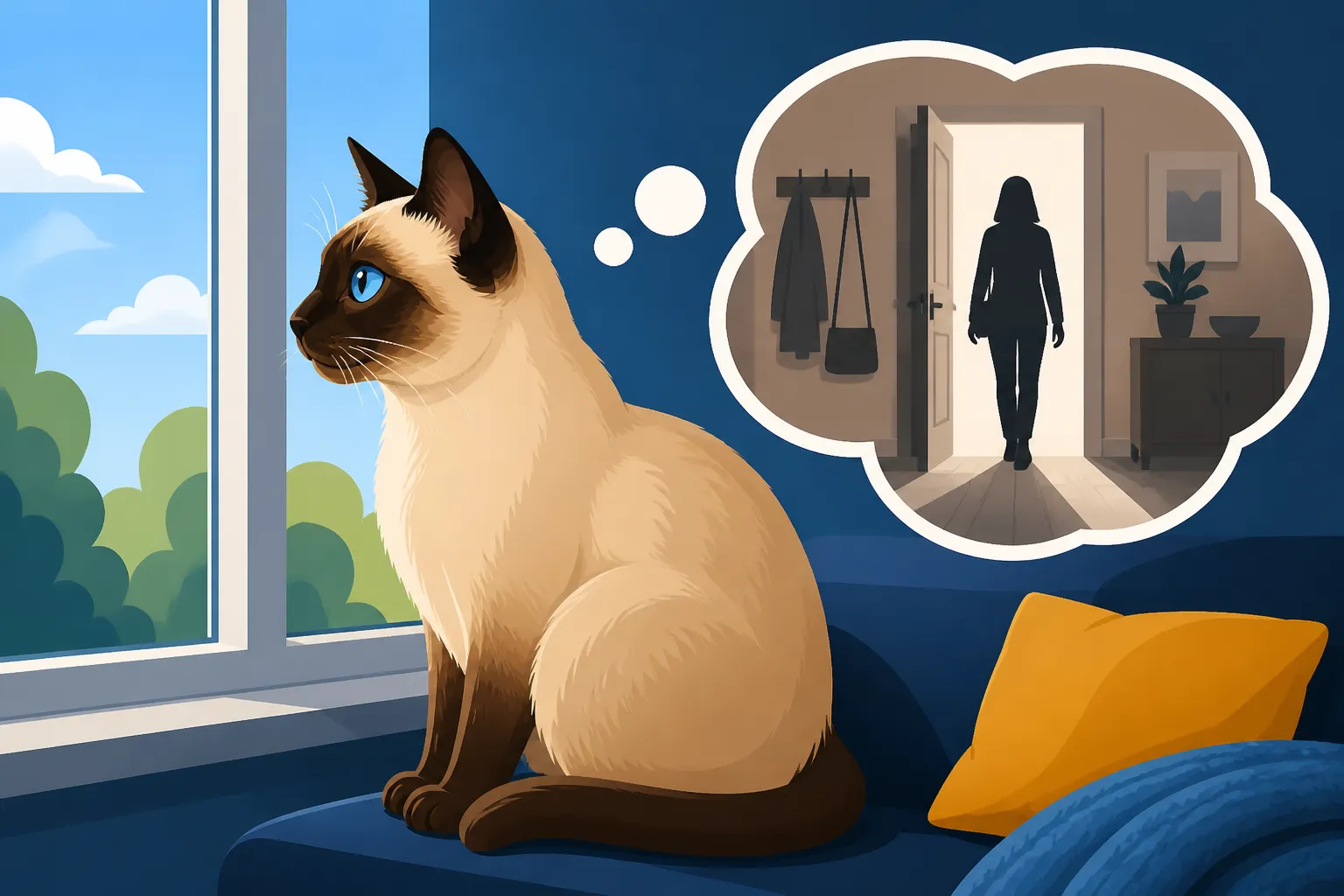
Leaving on a pet-friendly TV channel or classical music can also provide some background noise and distraction, mimicking the sounds of a busy household. Some owners even invest in pet cameras that allow two-way communication, letting you check in on your cat and even talk to them remotely, which can be surprisingly comforting for some highly attached Siamese cats. What a Siamese Cat Does While You Are Out The goal is to ensure their environment feels dynamic and engaging, rather than still and empty.
Gradual Desensitization and Farewell Rituals
Teaching your Siamese to cope with your absence is a process, not an overnight fix. Start with short periods, even just leaving the room for a few minutes, then gradually extend the time. Avoid making a huge fuss when you leave or return. While it's tempting to shower them with attention, overly dramatic goodbyes and enthusiastic hellos can inadvertently reinforce the idea that your departure is a major event. Keep it calm and understated.
Establish a consistent "leaving routine" that includes certain actions, like saying a specific phrase or giving a favorite toy, which can signal to them that you'll be back. Similarly, a calm "return ritual" can help. This predictability helps them understand that your absence is temporary and that you will always come back. Over time, this desensitization can significantly reduce their anxiety. How to Prepare a Siamese Cat for a Return to the Office
Considering Professional Help or Companionship
If your schedule requires long hours away, or if your Siamese struggles significantly with alone time, consider additional support. A professional pet sitter who visits once or twice a day can break up long stretches of solitude, providing play, feeding, and litter box cleaning. This is often preferable to boarding for Siamese cats, who can find new environments highly stressful.
Alternatively, as mentioned before, a second cat can be a wonderful solution. Many Siamese cats are genuinely happier with a companion, and while it's an added responsibility, the benefits to your cat's well-being can be immense. Whether a Siamese Cat Is Happier in a Pair Carefully consider the long-term commitment and financial implications of a second pet, but for a highly social breed like the Siamese, it can transform their quality of life.
Recognizing Signs of Distress
Even with the best preparation, some Siamese cats will still struggle with being left alone. It's vital for owners to be vigilant and recognize the signs of distress or developing separation anxiety. Ignoring these signals can lead to chronic stress and behavioral issues that are much harder to resolve later on.
Behavioral Changes
When a Siamese cat is unhappy about being left alone, their protest can manifest in several noticeable behavioral changes. One of the most common is excessive vocalization, beyond their usual chatty nature. This could be continuous, loud yowling or crying that persists for much of your absence, as reported by neighbors or captured by pet cameras. Why a Siamese Cat Yowls in the Middle of the Night
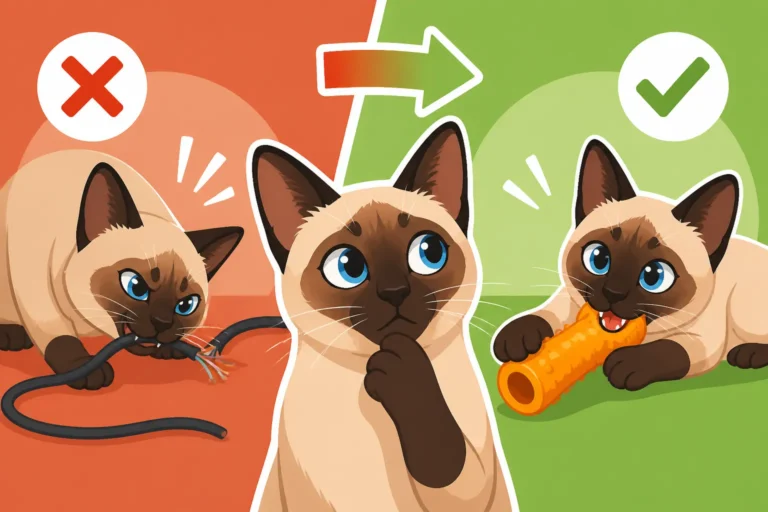
Other signs include destructive behavior: chewing on furniture, scratching at doors or window frames, or tearing up items that smell like you, such as clothing or blankets. This isn't out of spite but often a manifestation of anxiety or boredom. Inappropriate urination or defecation outside the litter box, especially on your bed or personal items, can also be a significant indicator of stress or separation anxiety, rather than just a "bad habit." What a Bored Siamese Cat Destroys They might also greet you with overly frantic excitement upon your return, or conversely, act withdrawn or sulky.
Physical Symptoms
Sometimes, the signs of distress are more subtle and manifest physically. Excessive grooming, to the point of creating bald patches or skin irritation, is known as psychogenic alopecia and is a common stress response in cats, particularly highly sensitive breeds like the Siamese. Psychogenic Alopecia in a Siamese Cat This is their way of self-soothing, but it can lead to health problems if left unaddressed.
Other physical indicators might include a decrease in appetite or, paradoxically, overeating and rapid consumption of food upon your return. They might also appear restless or agitated, pacing or unable to settle. Always keep an eye out for changes in energy levels, sleep patterns, or any other deviation from their normal behavior, as these can be silent cries for help.
When to Seek Veterinary Advice
If you observe persistent or severe behavioral or physical signs of distress in your Siamese cat when left alone, it's always best to consult your veterinarian. They can rule out any underlying medical conditions that might be contributing to the symptoms. For instance, inappropriate urination could be a sign of a urinary tract infection, not just behavioral protest.
Once physical causes are ruled out, your vet can offer advice on managing anxiety, which might include environmental modifications, behavioral therapy techniques, or, in some cases, a short course of anti-anxiety medication if the stress is severely impacting your cat's quality of life. They might also refer you to a certified veterinary behaviorist who specializes in addressing complex behavioral issues like separation anxiety. Early intervention is key to preventing these problems from becoming deeply ingrained and more difficult to treat.
Here's a quick reference for general guidelines, keeping in mind that every Siamese is unique:
| Age/Temperament | Recommended Max Alone Time | Key Strategies |
|---|---|---|
| Kitten (under 6 months) | 2-4 hours | Requires frequent feeding, interaction, and supervision. Avoid long periods. Consider a second kitten or pet sitter if working full-time. Ensure safety from hazards. |
| Adolescent (6 months-2 years) | 4-8 hours | High energy, prone to boredom. Needs extensive enrichment: cat trees, puzzle feeders, interactive toys (many available on Amazon). Consistent play sessions before/after you leave. |
| Adult (2-10 years), Social | 8-10 hours | Many well-adjusted Siamese can cope. Provide enrichment, window access, cozy spots. Maintain routine. Companion pet (another cat) is highly beneficial. Consider a mid-day check-in or sitter for longer days. |
| Adult (2-10 years), Anxious | 4-6 hours (or less) | Prone to separation anxiety. Needs targeted desensitization, calming aids (e.g., Feliway diffusers), and consistent positive reinforcement. Companion pet is almost essential. Discuss with vet/behaviorist for severe cases. |
| Senior (10+ years) | 6-8 hours | May sleep more but can be more prone to confusion or anxiety. Consistent routine is vital. Easy access to food/water/litter. Monitor for health changes. Shorter periods are often better. |
This table is a general guide; always observe your individual cat's behavior and adjust accordingly.
Disclaimer
This article is for general informational purposes only and does not constitute professional advice. Laws, prices and regulations vary by location and change over time. Consult a qualified professional for guidance on your specific situation.