How to Train a Siamese Cat to Meow Less
Living with a Siamese cat is an absolute joy, filled with endless purrs, playful antics, and a bond unlike any other. However, anyone who shares their home with one of these beautiful, talkative felines knows that their vocalizations can sometimes reach epic proportions, leaving you wondering if you've adopted a cat or a small, very opinionated opera singer. This guide is here to help you understand why your Siamese chatters, yowls, and chirps so much, and more importantly, how you can gently encourage them to meow less without ever dampening their vibrant personality.
Understanding the Siamese Cat's Vocal Nature
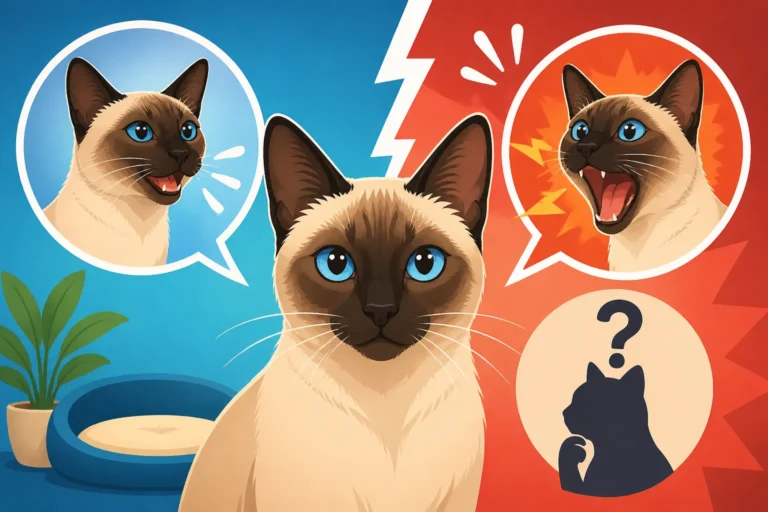
If you've ever owned a Siamese, you know they are not shy. Their distinctive voices are as famous as their striking blue eyes and elegant physiques. It's not just a quirk; it's a deeply ingrained part of their breed identity. Trying to silence a Siamese completely would be like trying to silence the wind – impossible and probably undesirable in the long run. The key is to manage excessive meowing and understand what they're trying to tell you.
Why Siamese Cats Are So Chatty
The historical roots of the Siamese breed offer some clues as to why they're so vocal. Bred originally in Siam (modern-day Thailand), these cats were often associated with royalty and temples, where their striking appearance and intelligent nature would have been highly valued. Over generations, selective breeding likely emphasized their communicative traits, as a cat that could "speak" to its human companions might have been seen as more engaging or even mystical. Think about it: a cat that can articulate its needs (or desires) effectively is often a cat that gets its way, further reinforcing the behavior. Why a Siamese Cat Meows So Much delves deeper into this fascinating aspect of their temperament.
Beyond their history, their inherent intelligence plays a huge role. Siamese cats are incredibly smart and need a lot of mental stimulation. When they're not getting enough, or they have a strong desire for something, they often resort to their most effective tool: their voice. It's not just random noise; it's usually a deliberate attempt to communicate, whether it's hunger, boredom, or a plea for attention.
The Distinctive Siamese Yowl
Ah, the Siamese yowl. It's a sound that can penetrate walls, shake the rafters, and make you wonder if a small child is locked in a cupboard. This isn't your average "mew" or "meow." It's a deep, resonant, almost guttural cry that truly sets the breed apart. What a Siamese Cat's Yowl Means explores this particular vocalization in more detail. Often, this yowl is reserved for situations of extreme demand or distress.
For instance, when your Siamese feels utterly abandoned (even if you just stepped into the bathroom for a moment), they might let out a mournful yowl that sounds like the end of the world. Or, when they've decided it's dinner time an hour before their usual feeding, that yowl can serve as a potent reminder. It's their way of saying, "Hey, human! My needs are immediate and undeniable!" It’s quite effective, isn't it? The sheer volume and intensity of it are designed to get a reaction, and if it has worked in the past, they'll certainly use it again.
Identifying the Triggers for Excessive Meowing
Before you can tackle the meowing, you need to become a detective and figure out why your Siamese is so vocal. It's rarely without a reason, even if that reason seems trivial to us. Understanding the underlying cause is the first step toward finding a solution that works for both of you.
Hunger and Thirst Demands
This is perhaps the most common trigger. Siamese cats are food-motivated, and they're also very intelligent. They quickly learn that a loud, insistent meow (or yowl!) at the food bowl or by the refrigerator door often results in a quick meal. They're also often quite lean and have a high metabolism, which might make them genuinely feel hungry more often. Why a Siamese Cat Stays So Thin is a related read that helps explain their metabolism.
Consider if their meowing escalates around meal times. Does it start an hour before they're usually fed, slowly building in intensity until you give in? This is a classic example of learned behavior. They've trained you to respond to their demands. The same can apply to water, especially if they prefer fresh, running water. A loud meow by the faucet might be their way of requesting a drink. They know what they want, and they know how to ask for it, often loudly and persistently until they get it.
Attention Seeking and Boredom
Siamese cats are incredibly social creatures. They thrive on interaction with their humans and can easily become bored or feel neglected if they don't get enough playtime, cuddles, or even just conversation. A bored Siamese is a vocal Siamese. They'll follow you from room to room, meowing at your heels, jumping onto your lap while you're trying to read, or even knocking items off shelves to get your attention.
It's their way of saying, "I'm here! Don't you see me? Play with me! Talk to me!" If you consistently respond to their meows by giving them attention, even negative attention like scolding them, you're still reinforcing the behavior. They're smart enough to know that any attention is better than no attention at all. This is where many owners accidentally reinforce the very behavior they want to stop.
Anxiety and Stress
Sometimes, excessive vocalization can be a sign of underlying anxiety or stress. This could be due to changes in their environment, such as a new pet, a new person in the house, a house move, or even a change in your daily routine. Siamese cats are creatures of habit and can be sensitive to disruption. How a Siamese Cat Handles a House Move covers how to manage such a transition.
Separation anxiety is another common issue for these highly bonded cats. If your Siamese meows incessantly when you leave the house or even just move to another room, it could be a sign they're feeling distressed by your absence. They might also exhibit other signs like destructive behavior, inappropriate urination, or excessive grooming. Their meowing in these situations is a cry for reassurance and comfort, not just a demand.
Medical Issues and Pain
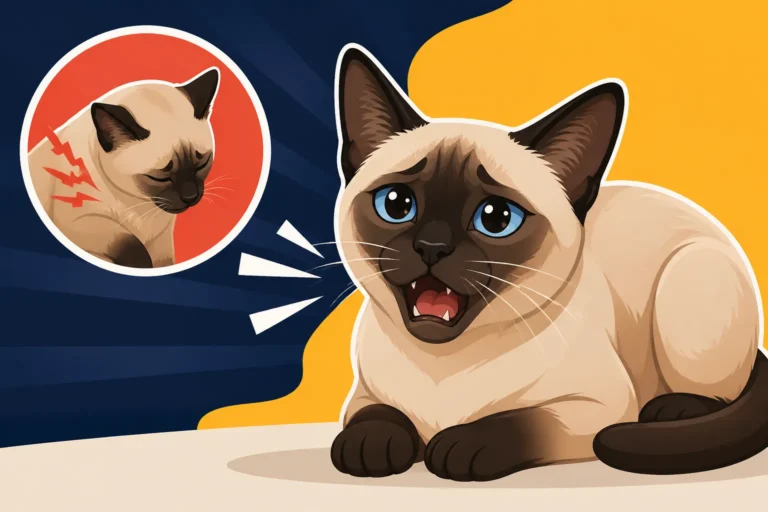
While we often think of meowing as a behavioral issue, it's crucial to rule out any underlying medical problems, especially if the vocalization is new, sudden, or accompanied by other changes in behavior. An older Siamese cat who suddenly starts yowling at night might be experiencing discomfort from arthritis, thyroid issues, or even cognitive dysfunction. When a Siamese Cat's Meowing Means Pain offers important insights into recognizing these signs.
Any change in vocalization patterns – an increase in volume or frequency, a different tone, or meowing at unusual times – warrants a trip to the vet. Cats are masters at hiding pain, and increased vocalization can sometimes be the only obvious symptom. Don't dismiss a sudden change as just "being a Siamese"; it's always best to err on the side of caution and ensure your beloved companion isn't suffering.
Strategies for Reducing Demand Meows
Once you've identified the triggers, you can start implementing strategies to reduce demand-based meowing. The key here is consistency and patience. Remember, you're essentially retraining both yourself and your cat.
Ignoring Inappropriate Meowing
This is often the hardest, but most effective, strategy for demand meowing. If your Siamese is meowing for attention, food, or play, and you know they are otherwise healthy and all their basic needs (food, water, clean litter box) are met, the best thing you can do is completely ignore them. This means no eye contact, no talking, no touching, and no giving in. Walk away, turn your back, or even leave the room if necessary.
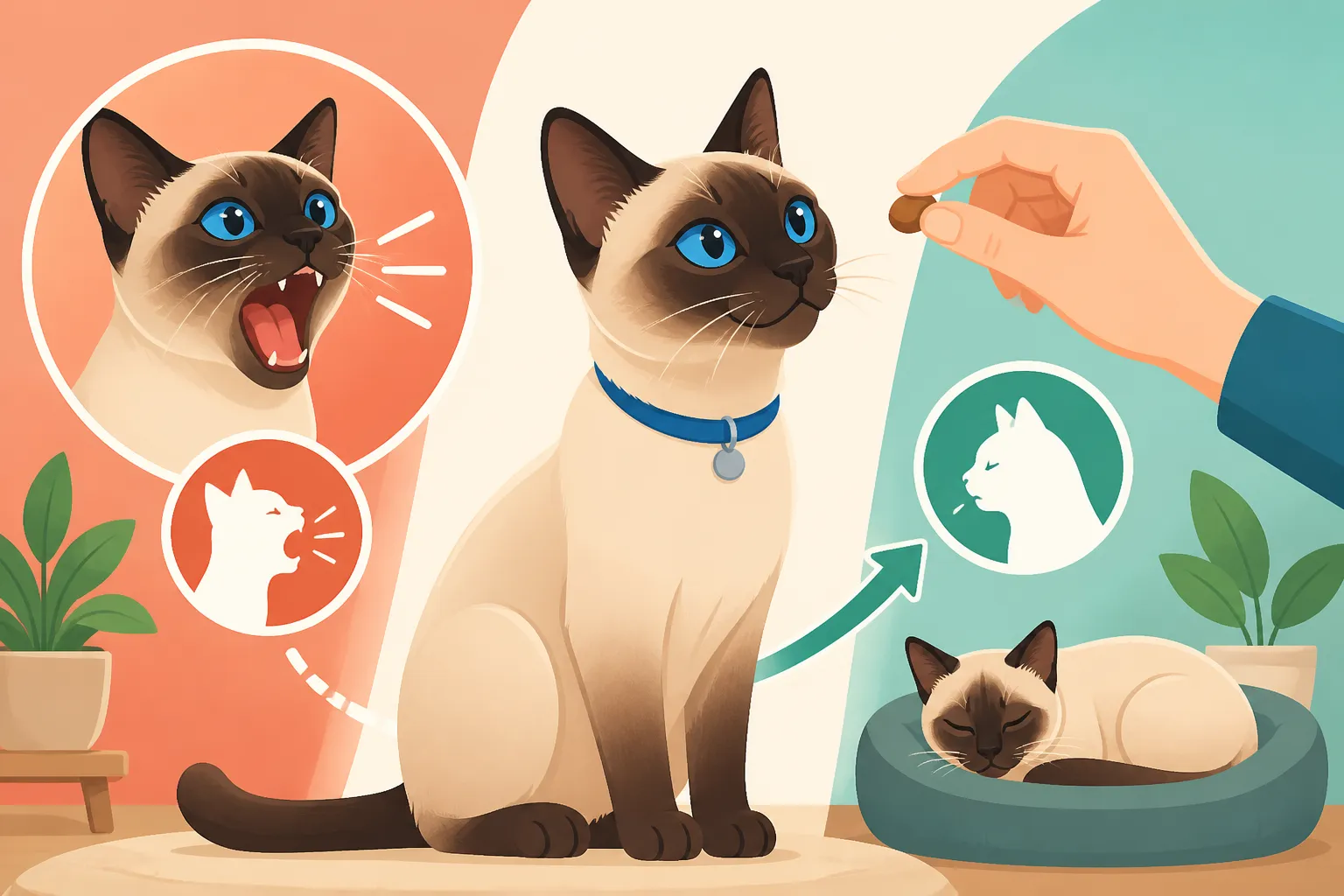
The moment they stop meowing, even for a second, that's when you give them attention. This teaches them that quiet behavior gets rewarded, while loud demands do not. Be prepared for an "extinction burst" – things might get worse before they get better. Your cat might meow even louder and more persistently because their usual strategy isn't working. Stick with it! If you give in during this burst, you'll teach them that even more persistent meowing eventually works. Whether Ignoring a Siamese Cat's Meowing Works delves into the effectiveness and challenges of this approach.
Scheduled Feeding and Playtimes
Establishing a predictable routine can work wonders. Instead of free-feeding, try feeding your Siamese at set times throughout the day. If they start meowing for food before their scheduled meal, ignore them until the designated time. This teaches them that food appears at certain times, not when they demand it. For example, if breakfast is at 7 AM, do not put food down at 6:30 AM just because they are yelling. Wait until 7 AM, and ideally, only after they've been quiet for a moment.
The same goes for playtime. Schedule a couple of dedicated play sessions each day, perhaps 15-20 minutes each, where you actively engage with your cat using interactive toys. When they meow for play outside these times, redirect their attention to self-play toys or ignore them until the next scheduled session. This helps them understand when they can expect your focused attention, reducing the need for constant demanding meows.
Using Redirection and Positive Reinforcement
Instead of just ignoring, you can also redirect their energy. If your Siamese is meowing for attention, try to get them interested in an appropriate activity. For example, if they're meowing at your feet, toss a favorite toy for them to chase, or offer them a puzzle feeder. Many excellent puzzle feeders can be found on Amazon that encourage mental stimulation and slow down eating. When they engage with the toy or feeder, offer praise or a small, healthy treat.
Positive reinforcement is key. Whenever your Siamese is quiet when they would normally be vocal, reward that behavior. If they're sitting quietly next to you instead of meowing, give them a gentle stroke or a quiet word of praise. This reinforces the idea that calm behavior gets positive attention. Consistency across all household members is crucial; everyone needs to be on the same page.
Enrichment and Environmental Adjustments
A bored Siamese is a noisy Siamese. Providing a stimulating environment and ample enrichment can significantly reduce excessive meowing, especially that driven by boredom or a need for attention.
Vertical Space and Climbing Opportunities
Siamese cats love to be high up. Providing vertical space allows them to survey their domain, feel secure, and get some exercise. Tall cat trees, wall-mounted shelves, and window perches are excellent investments. Look for sturdy, multi-level cat trees on Amazon that can withstand their energetic climbing. When a cat has options for climbing and exploring, they are less likely to seek attention through vocalization out of sheer boredom.
Consider placing a cat tree near a window where they can watch birds and squirrels – this alone can provide hours of silent entertainment. Rotating their access to different climbing spots can also keep things interesting. Think about how much stimulation a simple bird feeder outside a window can offer your feline friend.
Interactive Toys and Puzzle Feeders
These are your secret weapons against boredom-induced meowing. Interactive toys that mimic prey, like wand toys with feathers, keep their hunting instincts satisfied and burn off excess energy. Schedule dedicated play sessions with these toys, encouraging them to chase, pounce, and "catch" their prey. This provides a healthy outlet for their energy and reduces the likelihood of them seeking stimulation through meowing. Which Toys a Siamese Cat Actually Plays With offers some great suggestions.
Puzzle feeders are fantastic for mental stimulation and slowing down rapid eaters. Instead of simply putting food in a bowl, make them work for it. There are many types available, from simple treat balls to more complex feeders that require problem-solving. This engages their intelligent minds and keeps them occupied, often quietly, for extended periods. You can easily find a wide variety of these on Amazon to suit your cat's preference and skill level.
Companion Animals
For some Siamese cats, especially those prone to separation anxiety or those left alone for long periods, a companion animal can make a huge difference. Another cat, preferably one with a similar energy level, can provide the social interaction and play that a Siamese craves. This isn't a guaranteed fix, and introductions must be handled carefully, but for many, it can lead to a significant reduction in loneliness-induced meowing. Whether a Siamese Cat Needs a Companion Cat provides guidance on this topic.
However, a companion isn't a substitute for human interaction. You still need to dedicate time to playing and bonding with both cats. If you are considering a second cat, ensure you have the space, resources, and time to care for two felines, and be mindful of individual personalities. Two Siamese cats might even be more vocal together!
Addressing Specific Meowing Scenarios
Beyond general strategies, certain scenarios often lead to specific types of meowing that require targeted approaches.
Nighttime Meowing
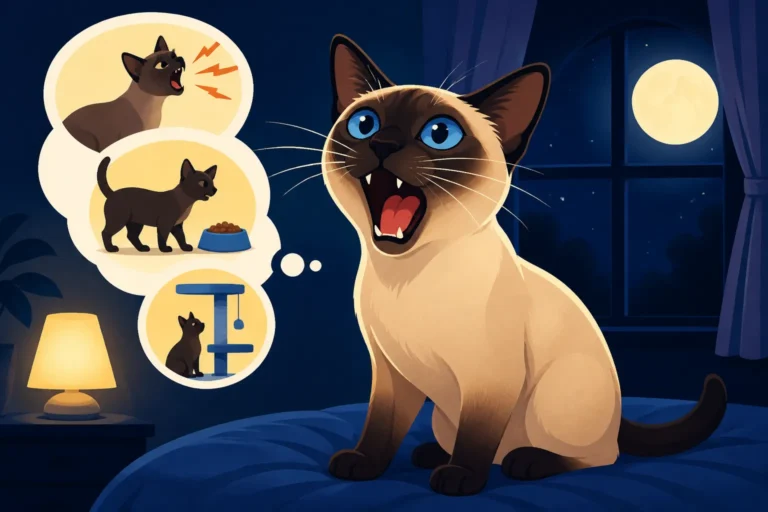
Nighttime meowing can be one of the most frustrating challenges for Siamese owners. Your cat might be bored, hungry, or simply seeking attention when you're trying to sleep. How Often a Siamese Cat Meows at Night outlines just how common this issue is. First, rule out medical issues with your vet, especially if your cat is older. If health is clear, focus on enrichment and routine.
Try a vigorous play session right before bedtime to tire them out. A larger, late-night meal (or a puzzle feeder with a portion of their dinner) can help prevent hunger pangs in the wee hours. Ensure all their needs are met before you go to bed: clean litter box, fresh water, and access to favorite toys. If they start meowing, ignore them completely. Earplugs might become your best friend during this retraining period. If you respond, even once, they learn that persistent meowing eventually wakes you up, and the cycle continues.
Meowing at the Door or When You Leave
This often stems from separation anxiety or a strong desire to be involved in whatever you're doing. If your Siamese meows incessantly when you close a door or prepare to leave the house, it's essential to not make a big fuss about departures or arrivals. Keep greetings and goodbyes low-key.
Gradually desensitize them to your absence. Start by leaving the room for very short periods, then returning only when they are quiet. Slowly increase the duration. Provide high-value distractions before you leave, such as a special treat toy or a fresh puzzle feeder. A Feliway diffuser can also help create a calmer environment. For some cats, this is a deeply ingrained behavior, and patience is paramount. How to Prepare a Siamese Cat for a Return to the Office touches on similar issues.
Meowing When Carrying Toys or Possessions
It's charming when a cat brings you a toy, but some Siamese cats take this to an extreme, carrying objects around the house while loudly "singing" or complaining. This can be a sign of their strong hunting instinct, a desire to "present" their catch, or sometimes even attention-seeking. They want you to admire their prowess or engage in a game of fetch. How Well a Siamese Cat Fetches describes their aptitude for this game.
Encourage fetch by making it a fun, interactive game during scheduled playtimes. If they start doing it at inappropriate times or to excess, acknowledge them calmly if they are quiet, but if the meowing is disruptive, try to ignore it until they settle. Sometimes, simply having dedicated playtime helps satisfy this instinct, reducing the random, vocal toy-carrying incidents.
When to Seek Professional Help
Sometimes, despite your best efforts, the meowing persists or even worsens. It’s important to know when to bring in the big guns.
Consulting Your Veterinarian
As mentioned earlier, a sudden increase or change in vocalization always warrants a vet visit. Your veterinarian can rule out underlying medical conditions such as hyperthyroidism, kidney disease, dental pain, high blood pressure, or even age-related cognitive decline, all of which can manifest as increased vocalization. What a Siamese Cat's Yearly Bloodwork Should Cover highlights important health checks.
Be prepared to describe the meowing in detail: when it started, how often it occurs, what it sounds like, and any accompanying behavioral changes. Your vet might suggest blood tests, a urinalysis, or other diagnostics. Addressing an underlying health issue is the first and most crucial step in managing excessive meowing.
Working with a Certified Cat Behaviorist
If your vet gives your Siamese a clean bill of health, but the meowing remains problematic, consider consulting a certified feline behaviorist. These professionals specialize in understanding cat behavior and can help you identify subtle triggers you might be missing. They can also develop a customized behavior modification plan tailored to your cat's specific needs and your household's dynamics.
A behaviorist might observe your cat's environment, analyze their daily routine, and suggest specific training techniques or environmental enrichments you haven't considered. They can also offer strategies for complex issues like severe separation anxiety or compulsive vocalization that may require a multi-faceted approach, sometimes even including temporary medication to help break the cycle of anxiety.
Table: Common Meowing Triggers and Solutions
Understanding the root cause is the fastest path to a happier, quieter home. Here's a quick reference for common triggers and their corresponding solutions:
| Trigger | Description | Solutions |
|---|---|---|
| Hunger/Thirst | Meowing around meal times, by food/water bowls. | Strict feeding schedule, puzzle feeders, fresh water fountain. |
| Attention Seeking | Meowing when you're busy, following you, getting in your way. | Ignore demands, reward quiet behavior, scheduled play/cuddle times. |
| Boredom | Meowing when alone, lack of activity, destructive behavior. | Provide vertical space, interactive toys, puzzle feeders, companion cat. |
| Anxiety/Stress | Meowing during changes, when left alone, accompanied by other stress signs. | Maintain routine, Feliway diffuser, safe spaces, desensitization, vet/behaviorist. |
| Medical Issue/Pain | Sudden increase, change in sound, meowing at unusual times, other symptoms. | Immediate vet visit. Rule out underlying health conditions. |
| Nighttime Meowing | Loud meows overnight, waking you up. | Vigorous play before bed, late meal/puzzle feeder, ignore all demands. |
Conclusion: Patience and Consistency are Key
Training a Siamese cat to meow less is a marathon, not a sprint. It requires immense patience, unwavering consistency, and a deep understanding of your cat's unique personality and needs. You're not trying to silence them entirely, which would be impossible and frankly, cruel to a breed so genetically predisposed to vocalization. Instead, you're aiming to teach them that their human companion will meet their needs, but that demanding, excessive meowing isn't the most effective way to communicate.
By understanding their natural tendencies, identifying specific triggers, and implementing consistent strategies – from ignoring demands to enriching their environment with tools from Amazon or specialized pet stores – you can foster a calmer, more harmonious household. Remember, every purr, chirp, and yes, even every meow, is a part of the vibrant life you share with your extraordinary Siamese. With time and dedication, you can reduce the cacophony while preserving the special bond you cherish.
Disclaimer
This article is for general informational purposes only and does not constitute professional advice. Laws, prices and regulations vary by location and change over time. Consult a qualified professional for guidance on your specific situation.