How Much Play a Siamese Cat Needs
One of the biggest surprises for new Siamese cat parents is just how much boundless energy and fierce intelligence these stunning felines possess. If your Siamese is currently scaling your curtains, systematically knocking every item off your shelves, or performing a nightly opera at 3 AM, chances are they're trying to tell you something: they need more play! This guide will dive deep into why your Siamese needs so much engagement and how to provide the enriching play they truly thrive on.
Why Siamese Cats Need So Much Play
Siamese cats aren't your average couch potato kitties. They are a breed built for action, highly intelligent, and incredibly social. Understanding these core traits is the first step in appreciating just how vital regular, engaging play is for their overall well-being. Without it, that incredible Siamese personality can quickly turn into destructive or anxious behaviors.
The Insatiable Hunter Instinct
At their heart, Siamese cats are still very much wild hunters, despite their refined appearance. Their ancestors were adept predators, and that instinct is deeply embedded in their DNA. This isn't just about catching prey; it's about the entire hunting sequence: stalking, chasing, pouncing, and "killing" their quarry. A Siamese cat that isn't given outlets for this instinct will often invent its own "prey," which can unfortunately include your feet, hands, or even inanimate objects that weren't meant to be toys. This innate drive means they don't just want to play; they need to play to satisfy this fundamental biological urge. It’s not just a cute pastime; it’s a mental and physical necessity.
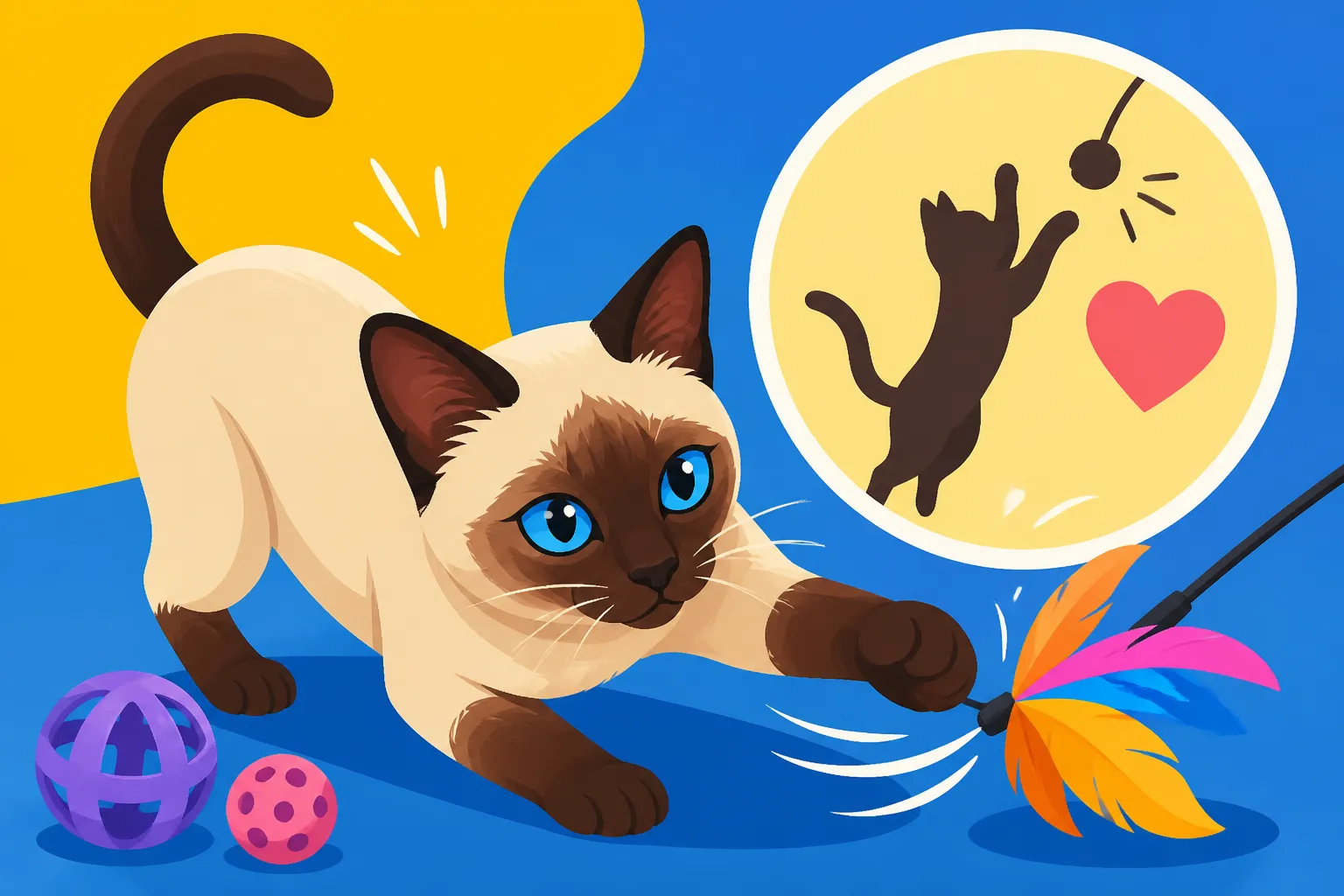
Imagine your Siamese, eyes narrowed, tail twitching, stalking a feather wand toy across the living room carpet. Every muscle is tensed, every sense alert. This is them in their element, fulfilling a primal need. When they finally leap and capture that "bird," they're not just playing; they're connecting with thousands of years of ancestral hunting behavior. Denying them this experience is like asking a bird not to fly. The frustration and pent-up energy have to go somewhere, and often, that "somewhere" isn't ideal for your home or your relationship with your cat.
Their High IQ and Need for Mental Stimulation
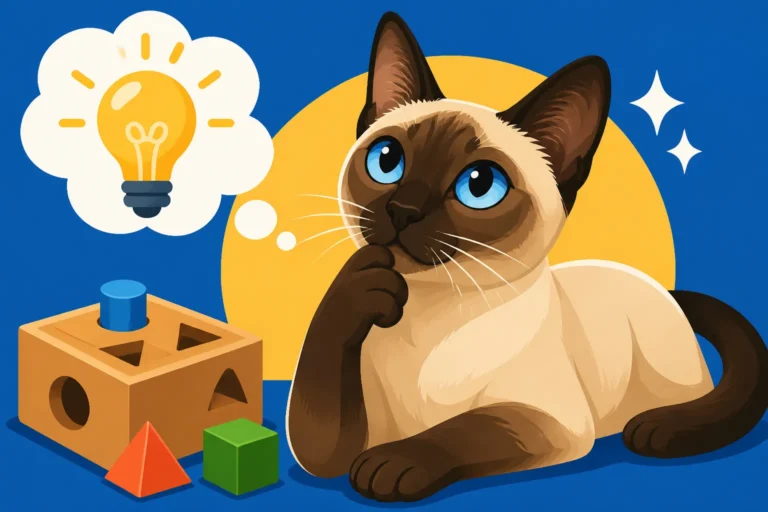
Siamese cats are often described as having dog-like intelligence, and it's not an exaggeration. They are remarkably clever, quick learners, and incredibly curious. This high intelligence means they get bored easily with repetitive or simplistic play. A toy mouse batted under the sofa for five minutes might entertain another cat for an hour, but for a Siamese, it's usually just a warm-up act. Their minds are constantly seeking new challenges, new puzzles to solve, and new ways to interact with their environment and, most importantly, with you.
Think about a toddler who constantly wants to explore, touch everything, and figure out how things work. That's your Siamese cat, but with more agility and sharper claws! If their brilliant minds aren't stimulated through play, they'll find other ways to engage them – and these often involve figuring out how to open cupboards, dismantle household items, or engage in behaviors like Why a Siamese Cat Sucks Wool out of sheer lack of other mental activity. A truly content Siamese cat is one whose brain is as exercised as their body. This mental workout is just as important as the physical one.
The Physical Demands of a Meezer
Beyond their mental prowess and hunting instincts, Siamese cats are incredibly athletic. They are lean, muscular, and possess impressive agility and speed. Their bodies are designed for bursts of energy, quick maneuvers, and high jumps. If you've ever watched a Siamese race around the house, you'll know they move with an almost acrobatic grace. This means they need play that allows them to really stretch their physical limits, expending that abundant energy in a healthy, productive way.
Just like a human athlete needs regular workouts to stay in peak condition, a Siamese cat needs vigorous play sessions to maintain their physical health and prevent them from becoming lethargic or restless. Play helps keep their muscles strong, their joints supple, and their hearts healthy. It also helps manage their weight, which is important for preventing health issues later in life. A tired Siamese is a happy Siamese, and a well-exercised Siamese is a healthy Siamese. Ignoring their physical needs isn't just unkind; it can lead to a host of problems.
Signs Your Siamese Cat Isn't Getting Enough Play
Your Siamese cat is an expressive creature, and they won't hesitate to tell you when their needs aren't being met. Unfortunately, their communication style can sometimes be… disruptive. Understanding the signs of insufficient play can help you address the root cause before these behaviors become ingrained habits.
Destructive Behaviors and Boredom
When a Siamese cat is bored, they don't just sit around looking sad. Oh no, they get creative. And that creativity often comes at the expense of your furniture, decor, and sanity. Chewing on cords, scratching carpets or sofas, knocking items off shelves (often with a mischievous glance to see your reaction), or even raiding cupboards are classic signs of a Siamese that isn't getting enough mental or physical stimulation. They're not doing it to be "bad"; they're simply finding an outlet for their pent-up energy and clever minds.
I remember a client whose Siamese started systematically "redecorating" their kitchen every night, pulling down dish towels, opening lower cupboards, and even managing to turn on the tap! It turned out the cat was left alone for long stretches with no interactive toys or scheduled play. Once they implemented a rigorous play schedule and introduced puzzle feeders, the kitchen chaos dramatically reduced. These are often the same cats who engage in What a Bored Siamese Cat Destroys. Their environment becomes their playground, and if you haven't given them appropriate "toys," they'll choose their own.
Excessive Vocalization and Attention Seeking
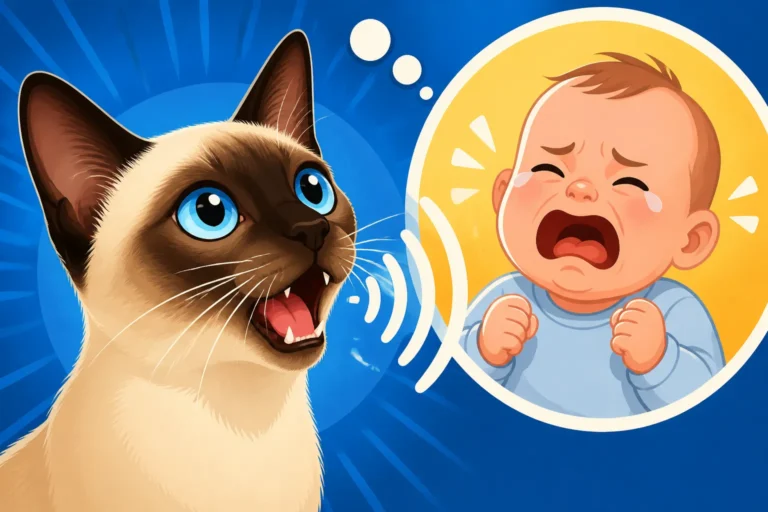
Siamese cats are renowned for their voices – their distinctive "Meezer yowl" is legendary. They talk, and they expect an answer. However, when the vocalization becomes constant, demanding, or happens at inappropriate times (like the middle of the night), it can often be a cry for attention and more play. A Siamese cat that is under-stimulated will use its voice as a primary tool to get you to engage, even if that engagement is just a frustrated sigh.
They might follow you from room to room, yelling at you as you move, or sit directly in front of your face, meowing insistently until you acknowledge them. This isn't just "being a Siamese"; it's a desperate plea for interaction. Why a Siamese Cat Yowls in the Middle of the Night can often be attributed to a lack of sufficient daytime play, leaving them with too much energy to burn at night. They aren't trying to annoy you; they're trying to communicate a fundamental need for engagement.
Aggression or Frustration
An under-played Siamese can also exhibit signs of frustration or even aggression. This might manifest as "play aggression," where they pounce on your ankles or hands with too much force, biting or scratching without meaning to cause harm, but simply because they haven't learned appropriate play boundaries through directed play. It can also appear as general irritability, where they seem easily annoyed, swatting at you or other pets more frequently. This is their way of saying, "I'm stressed and I need an outlet!"
Sometimes, this frustration is directed at other pets in the household. A Siamese cat that isn't getting enough attention or play might start to pester or even bully a calmer, less energetic companion animal. It's not maliciousness; it's a misdirection of their high energy and need for interaction. Addressing their play needs through dedicated sessions can significantly reduce these frustrated behaviors, creating a calmer, more harmonious household for everyone, including the Whether a Siamese Cat Bullies a Quieter Cat.
How to Structure a Siamese Cat's Play Sessions
Knowing that your Siamese needs play is one thing; figuring out how to actually incorporate it into your busy life effectively is another. It's not just about throwing a toy occasionally; it's about a consistent, structured approach that mimics their natural instincts.
Optimal Play Session Length and Frequency
For a Siamese cat, short, frequent bursts of play are far more effective than one long, drawn-out session. Aim for at least 2-3 dedicated play sessions per day, each lasting about 10-15 minutes. These don't have to be massive productions. Even a quick 10-minute session before you head to work, another when you get home, and a final one before bedtime can make a huge difference. The key is consistency. A Siamese thrives on routine, and knowing when to expect their play sessions can actually help manage their energy levels throughout the day.
Some owners find success with even shorter, more frequent sessions, especially for very high-energy youngsters. Five minutes, four to five times a day, can be incredibly beneficial. The goal is to engage them fully during that time, rather than passively observing. Remember, quality over quantity. A ten-minute intense, interactive session where your cat is truly "hunting" is worth far more than an hour of them batting a toy around while you're distracted. How Many Play Sessions a Siamese Cat Needs a Day can really vary by individual, but the principle of frequent, engaging sessions remains the same.
Mimicking the Hunt Cycle
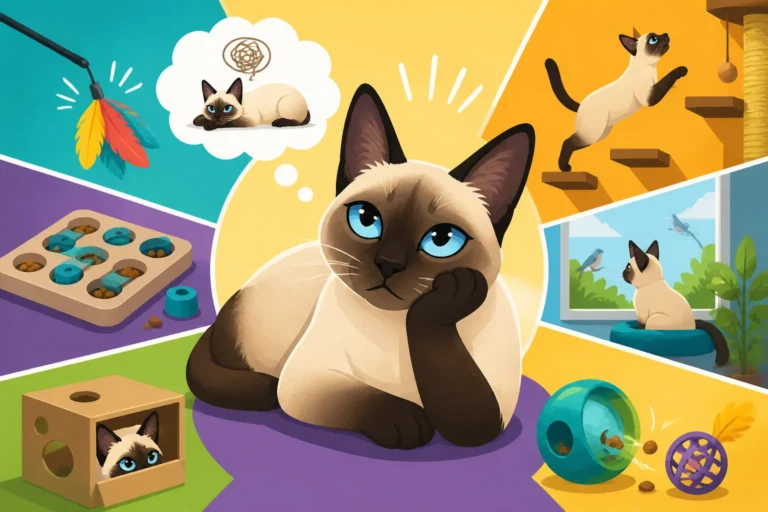
The most effective play sessions for a Siamese cat will always mimic the natural hunting cycle. This means creating a scenario where they can stalk, chase, pounce, and "kill" their prey. A wand toy with a feather or fabric lure is perfect for this. Don't just dangle it in front of them. Make it move like prey: darting, hiding, flying, and occasionally letting them catch it. The "kill" is crucial for their satisfaction; if they never get to catch the toy, they can become frustrated.
End each play session with a definitive "kill" where they successfully catch the toy and you let them "win." Let them bat it around for a moment, then put the toy away. This signals the end of the hunt and allows them to feel successful and satisfied. Immediately following a strenuous play session with a small meal or treat can further reinforce this natural cycle, mimicking how a cat would eat after a successful hunt. This helps them transition from high energy to a calmer state, perfect for winding down before bed.
Consistency is Key
Siamese cats are creatures of habit. They thrive on routine and knowing what to expect. Establishing a consistent play schedule not only helps them regulate their energy but also builds a stronger bond between you. Try to play at roughly the same times each day. If your work schedule varies, try to create a consistent morning and evening session. This predictability provides a sense of security and allows them to anticipate and look forward to their playtime.
Think of it like feeding times. Cats generally know when dinner is coming. Playtime should be approached with the same level of commitment. Inconsistent play can lead to confusion and increased attention-seeking behaviors, as they won't know when their next "hunt" is coming. Even on days when you feel tired, try to squeeze in a shorter, high-intensity session. Your Siamese will thank you for it, and you'll likely see a calmer, happier cat as a result.
Types of Play Siamese Cats Love
To truly satisfy a Siamese cat's need for play, you need a diverse arsenal of play types that cater to their unique blend of intelligence, athleticism, and predatory instincts. One type of toy or game simply won't cut it for long.
Interactive Wand Play
If there's one type of play that should be a cornerstone of every Siamese cat's day, it's interactive wand play. These toys, typically a stick with a string and a lure (feathers, fabric, crinkly material) at the end, are unparalleled in their ability to mimic prey and engage a cat's hunting instincts. The beauty of a wand toy is that you are the one controlling the "prey," allowing you to make it dart, hide, jump, and weave in ways no solo toy can.
Look for durable wand toys with interchangeable lures on platforms like Amazon. This allows you to swap out feathers for crinkly balls or soft fabric worms, keeping the "prey" fresh and exciting. Remember to let your cat "catch" the lure periodically, allowing them to feel the thrill of the kill, and then put the toy away when not in use. This prevents them from getting bored and teaches them that play is a special, shared activity. Some of the best interactive wands feel like extensions of your own hand, making the play dynamic and engaging for both of you.
Puzzle Toys and Food Challenges
Given their high intelligence, Siamese cats absolutely adore puzzle toys and food challenges. These toys require your cat to figure out how to manipulate them to get a treat or a portion of their meal. This taps into their problem-solving skills and satisfies their need for mental stimulation. From simple treat balls that dispense kibble when rolled, to more complex multi-level feeders, there's a wide range available.
Introducing a puzzle feeder for one of their daily meals can turn eating into a stimulating activity rather than a quick gobble. It slows down their eating, prevents boredom, and gives their clever brains a workout. You can even make DIY puzzle toys using toilet paper rolls and small treats. The satisfaction they get from figuring out how to extract a tasty morsel is immense. This type of play is excellent for solo enrichment, giving them something engaging to do when you're busy or away. It helps them engage their How Clever a Siamese Cat Is.
Solo Enrichment and Independent Exploration
While interactive play with you is paramount, a Siamese cat also benefits greatly from solo play and opportunities for independent exploration. This ensures they have outlets for their energy and curiosity even when you're not actively playing with them. This is where strategic toy placement and environmental enrichment come in. Rotate their solo toys regularly to keep them interesting. A toy that's been put away for a few days will feel new and exciting again.
Consider investing in vertical spaces like tall cat trees, wall-mounted shelves, or even a "catio" if you have the space. Siamese cats love to climb, perch high, and survey their domain. These vertical territories provide opportunities for exploration, observation, and can be integrated into play. For instance, you can use a wand toy to lure them up and down the cat tree, turning it into part of their hunting ground. How High a Siamese Cat Climbs is truly impressive, and giving them safe, designated climbing spaces is vital for their physical and mental well-being. Look on Amazon for sturdy, multi-level cat trees that can withstand their athletic leaps.
Making Play Engaging and Varied
Monotony is the enemy of a Siamese cat. If play becomes predictable or boring, they'll quickly lose interest and seek out other, potentially less desirable, forms of entertainment. Keeping play fresh and exciting is key to sustained engagement.
Rotating Toys to Maintain Interest
One of the simplest yet most effective strategies for keeping your Siamese cat engaged is toy rotation. Instead of leaving all their toys out all the time, divide them into groups and rotate them every few days or once a week. What was old becomes new again! When a toy reappears after a short absence, it has a renewed novelty that sparks their interest. This works particularly well for solo toys and small batting toys.
Think about it from their perspective: if you had access to the same five books on your shelf every single day, you'd probably get bored eventually, right? The same goes for your clever Siamese. By rotating toys, you create an element of surprise and maintain the "newness" factor. It also helps prevent them from becoming overly fixated on a single toy, which can sometimes happen with very high-value items. This applies to puzzle feeders too; if you have a few, rotate them for variety.
Introducing New Challenges and Scenarios
Beyond just rotating toys, try to introduce new play challenges and scenarios. This could be as simple as changing the play environment. Instead of always playing in the living room, take the wand toy to the bedroom or a hallway. Utilize furniture as part of the "hunt" – hiding the lure behind a chair, letting it peek out from under a rug, or making it "fly" over the back of the sofa. The unexpected makes it exciting!
You can also introduce new types of toys periodically. Maybe they've mostly played with feather wands; try a crinkly tunnel or a laser pointer (with caution, always ending with a physical toy to catch, to prevent frustration). Even simple things like crumpled paper balls or empty cardboard boxes can become incredible playthings for a Siamese. Their intelligent minds thrive on novelty. Regularly check platforms like Amazon for innovative cat toys that offer new ways to play and stimulate their curiosity.
Leveraging Vertical Space for Play
We briefly touched on vertical space, but it's worth reiterating its importance for play. Siamese cats are natural climbers and observers. Incorporate their cat trees, shelves, or even sturdy pieces of furniture into your interactive play sessions. Use a wand toy to lead them up and down, making them leap from perch to perch as they "chase" their prey. This provides a full-body workout and adds a three-dimensional element to their play.
For solo play, strategically place toys on different levels of their cat tree or on shelves, encouraging them to climb and explore to find them. You can even hide treats in various high spots to turn their environment into a scavenger hunt. This isn't just about physical exercise; it's about giving them a sense of control and territory, which contributes to their overall contentment. A home that offers diverse vertical opportunities is a playground for a Siamese cat.
The Role of Companionship in Siamese Cat Play
While toys and structured play sessions are essential, the unique social nature of the Siamese cat means that companionship plays a critical role in their overall play and enrichment needs. They are not solitary creatures, and their interactions with both humans and other animals significantly impact their activity levels and happiness.
The Importance of Human Interaction
Siamese cats are famously bonded with their human companions. They thrive on interaction and often view their humans as their primary playmates. For a Siamese, play isn't just about the physical act; it's a shared experience, a form of communication, and a way to deepen their connection with you. Ignoring their requests for play is essentially ignoring their desire for interaction and affection. A Siamese Cat Will Not Be Ignored is a phrase coined for a reason!
Dedicated interactive play sessions are not just about burning energy; they are crucial bonding moments. During these times, you're speaking their language, engaging with their natural instincts, and reinforcing the idea that you are a reliable source of entertainment and affection. A Siamese cat that feels ignored, or that only gets attention when they're misbehaving, will often escalate their antics to get a response. Regular, positive play interactions help them feel seen, loved, and understood.
Benefits of a Feline Playmate
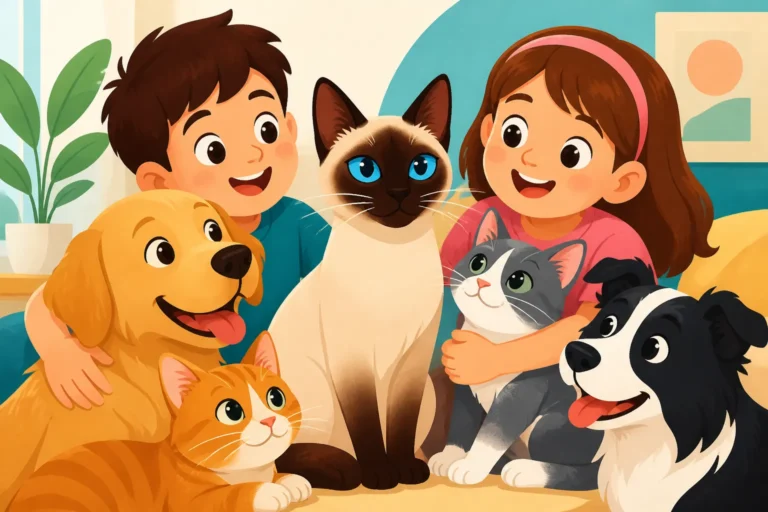
While you are undoubtedly your Siamese cat's favorite playmate, sometimes a feline companion can be incredibly beneficial, especially if your cat is left alone for significant periods during the day. Another cat, particularly one with a similar energy level and play style, can provide endless entertainment and interaction. They can chase, wrestle, and engage in social grooming, fulfilling needs that a human simply cannot.
However, choosing a companion cat requires careful consideration. Not all cats are compatible, and a mismatch can lead to stress for both animals. Ideally, another high-energy, confident cat (perhaps another Siamese or an Oriental Shorthair) would be a good fit. When considering Whether a Siamese Cat Needs a Companion Cat, reflect on your own schedule and your cat's personality. If you're out of the house for many hours a day, a suitable playmate can prevent loneliness and boredom, which can otherwise lead to behavioral issues. Introduce new cats slowly and carefully to ensure a smooth transition.
Here's a quick guide to daily play for your Siamese:
| Activity Type | Recommended Frequency | Duration Per Session | Benefits for Siamese Cats |
|---|---|---|---|
| Interactive Play | 2-3 times daily | 10-15 minutes | Satisfies hunting instinct, deepens bond, physical exercise |
| Puzzle Feeders | 1-2 meals per day | Varies | Mental stimulation, slows eating, prevents boredom |
| Solo Play | Throughout the day (self-directed) | Varies | Independent entertainment, outlet for spontaneous energy |
| Exploration/Climbing | Daily | Varies | Vertical enrichment, sense of territory, physical agility |
| Training | 1-2 times daily | 5 minutes | Mental challenge, strengthens bond, builds confidence |
Remember, every Siamese cat is an individual, and while these are general guidelines, pay close attention to your cat's specific signals. Some might need more, some might need slightly less, but none will thrive without consistent, engaging play. Your Siamese cat isn't just a pet; they're an intelligent, athletic, and deeply social member of your family who needs and deserves dedicated playtime to be their happiest, healthiest self.
Disclaimer
This article is for general informational purposes only and does not constitute professional advice. Laws, prices and regulations vary by location and change over time. Consult a qualified professional for guidance on your specific situation.