How Well a Siamese Cat Lives Indoors Only
Many Siamese cat owners find themselves wrestling with a common dilemma: how to keep their incredibly active, intelligent, and vocal felines safe while also ensuring they lead a truly fulfilling life. It's a valid concern, wondering if an indoor-only existence can truly satisfy a breed known for its boundless energy and insatiable curiosity. This guide is here to reassure you that with the right approach, a Siamese cat can absolutely thrive indoors, and we'll walk through how to achieve that vibrant, enriched life for your beloved Meezer.
Understanding the Siamese Cat's Innate Drive
Before we dive into how to make indoor living work, let's acknowledge what makes a Siamese cat, well, a Siamese cat. These aren't your average couch potato kitties. They come wired with specific instincts and a personality that demands attention and stimulation. Ignoring these fundamental traits is a recipe for a frustrated feline and, let's be honest, a frustrated owner.
The Hunter's Heart in a Domestic Setting
Think about their wild ancestors for a moment. Even though Siamese cats have been domesticated for centuries, they retain a strong predatory drive. They are natural hunters, stalkers, and pouncers. Indoors, this instinct doesn't just vanish; it needs an outlet. If they don't get to "hunt" and "kill" their toys, or chase after imagined prey, they can become restless. This isn't just about physical exercise; it's deeply ingrained mental stimulation. Without it, you might find your Siamese trying to hunt your feet under the covers, or batting at objects on shelves simply for the thrill of the chase. Their bright, keen eyes are always scanning, and their agile bodies are always ready for action. They don't just sit and observe; they actively participate in their environment.
Their Need for Engagement and Interaction
Siamese cats are often described as "dog-like" for a reason. They crave interaction with their human companions in a way many other cat breeds don't. They want to be part of what you're doing, whether that's "helping" you with paperwork, supervising your cooking from a kitchen perch, or simply following you from room to room. This isn't clinginess; it's a profound need for mental and emotional engagement. If left alone for long periods without sufficient interaction or other forms of mental stimulation, they can become bored, stressed, and even develop behavioral issues. They will certainly let you know they are unhappy, often with their distinctive, loud vocalizations. You might already know that The Siamese Cat Talks and Expects an Answer, and they expect you to listen.
The Unquestionable Benefits of Indoor Living
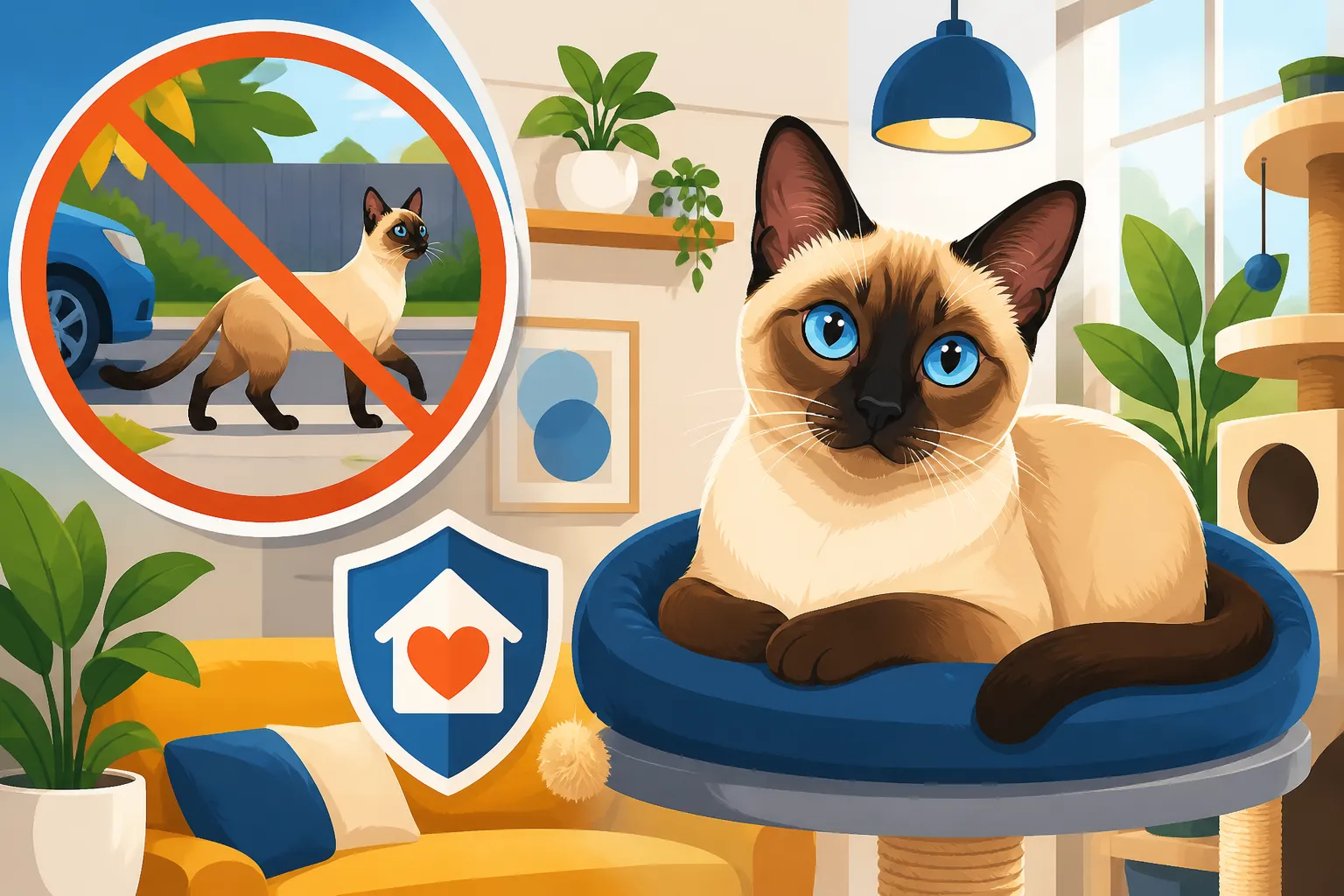
While we acknowledge the Siamese cat's inherent need for adventure, the reality of the modern world makes unsupervised outdoor access incredibly risky. For many of us, the decision to keep our Siamese indoors isn't just a preference, but a vital act of protection.
Shielding Your Siamese from External Dangers
The outside world, while full of tantalizing sights and smells, is also a minefield of potential dangers for a curious and agile cat. Traffic is perhaps the most obvious threat, especially for a cat so focused on its immediate prey that it might not see an approaching vehicle. Then there are other animals: stray dogs, aggressive neighborhood cats, or even wildlife that could injure your Siamese. Poisons are another silent killer, from antifreeze in driveways to pesticides in gardens. Diseases like Feline Leukemia Virus (FeLV) and Feline Immunodeficiency Virus (FIV), as well as parasites like fleas, ticks, and worms, are far more prevalent in outdoor populations. The heartbreak of a lost or stolen cat is also a very real concern, given the Siamese cat's striking appearance. Keeping them indoors eliminates or significantly reduces exposure to all these very real hazards, offering you peace of mind and offering them a much safer existence.
Health Advantages and Longer Lifespans
It's not just about avoiding immediate dangers; an indoor lifestyle generally contributes to a much healthier and longer life for a Siamese cat. Without exposure to the elements, their chances of developing certain skin conditions or respiratory issues are reduced. The constant threat of parasites is easier to manage, as is the risk of accidental injury or fights. The controlled environment of a home means consistent food, clean water, and regular veterinary care are the norm. Cats who live exclusively indoors have a significantly lower risk of contracting infectious diseases, getting hit by cars, or suffering from the trauma of animal attacks. This all adds up to a much greater chance of your beloved Siamese reaching a ripe old age, potentially living The Fifteen to Twenty Years a Siamese Cat Gets, or even longer. You're not just preventing bad things; you're actively promoting a foundation of well-being.
Crafting a Stimulating Indoor Sanctuary
The key to a happy indoor Siamese is not to deny their natural instincts but to cleverly redirect and fulfill them within the safety of your home. This means being proactive and thoughtful about their environment.
Vertical Space and Strategic Perches
Siamese cats love to climb, survey their domain, and observe the world from above. Providing ample vertical space is non-negotiable for their well-being. Think beyond a single cat tree. Consider multiple cat trees of varying heights, placed near windows or in busy areas of the house where they can watch the action. Wall-mounted shelving, often referred to as "cat shelves" or "cat highways," can transform an empty wall into an exciting aerial playground. These not only provide exercise but also create safe havens where your cat can retreat if they feel overwhelmed or simply want a quiet vantage point. A good sturdy cat tree from a retailer like Amazon, perhaps one with multiple levels and scratching posts, can be a fantastic investment. What a Cat Tree for a Siamese Cat Costs can vary, but it's worth it for their happiness and to protect your furniture.
Strategically placed perches by windows are also vital. A comfy window perch allows them to engage with the outside world – watching birds, squirrels, and passersby – without any of the risks. This visual stimulation can be incredibly enriching, satisfying their natural curiosity and providing hours of entertainment.
Playtime, Training, and Mental Exercises
Consistent, engaging playtime is critical. A Siamese cat needs active play sessions daily, ideally two to three times a day, for at least 15-20 minutes each. This simulates the hunt. Use wand toys, feather teasers, and laser pointers (but always end a laser pointer session with a tangible toy they can "catch"). Make the toys move like prey: hide them, dart them, let them pause, then spring to life. This engages their predatory sequence.
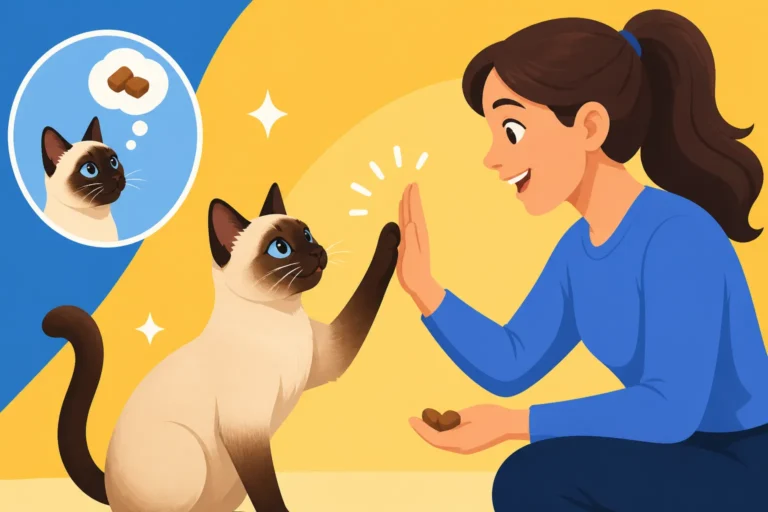
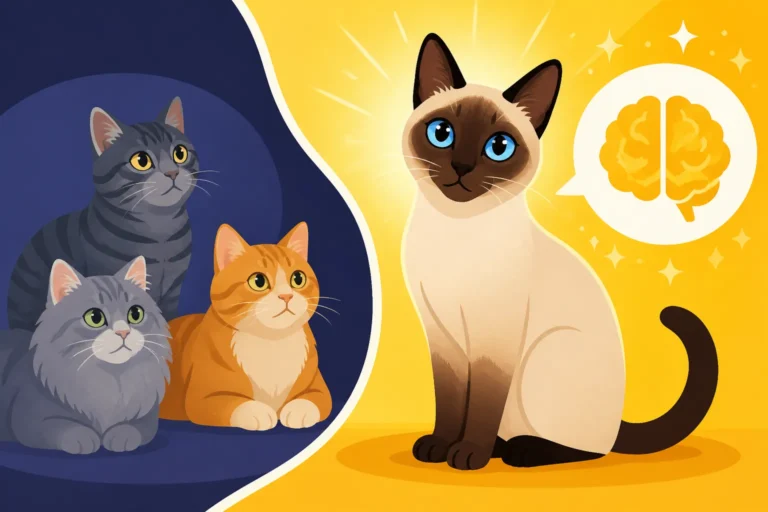
Beyond just chasing, Siamese cats are highly intelligent and trainable. This breed genuinely thrives on mental challenges. Consider teaching them tricks using positive reinforcement and clicker training. They can learn to sit, stay, fetch, and even walk on a leash. Which Tricks a Siamese Cat Can Learn are surprisingly numerous. Puzzle feeders are another excellent tool, forcing your cat to "work" for their food, slowing down mealtime and providing mental stimulation. You can find a wide variety of interactive puzzle toys and feeders on Amazon to keep them challenged. Rotate toys regularly to prevent boredom – a cat who sees the same toys day in and day out will quickly lose interest.
Harnessing Technology for Enrichment
In today's world, technology offers some fantastic solutions for enriching your indoor Siamese's life, especially for those times you can't be actively engaged with them. Automated toys, which move erratically or have feathers that pop out, can provide bursts of play throughout the day. Some even have timers or motion sensors.
Interactive cat cameras, many of which can be found on platforms like Amazon, allow you to check in on your cat while you're away. Some models even dispense treats or have a laser pointer that you can control remotely, letting you engage in a quick play session from your office. This can be particularly helpful if your Siamese struggles with separation anxiety or gets bored easily. Timed feeders are also a great way to regulate meals and provide small, frequent "hunts" for food, rather than leaving a full bowl out all day. For a breed that Needs a Companion Cat, these tech solutions can bridge the gap when you're not home, ensuring they don't feel entirely alone or unstimulated.
Mitigating Common Indoor Behavioral Challenges
Even with the best intentions, keeping a Siamese cat exclusively indoors can present some unique behavioral challenges. Their intelligence and energy, if not properly channeled, can lead to undesirable habits. Understanding these and having strategies in place is key to a harmonious household.
Preventing Boredom-Induced Destruction
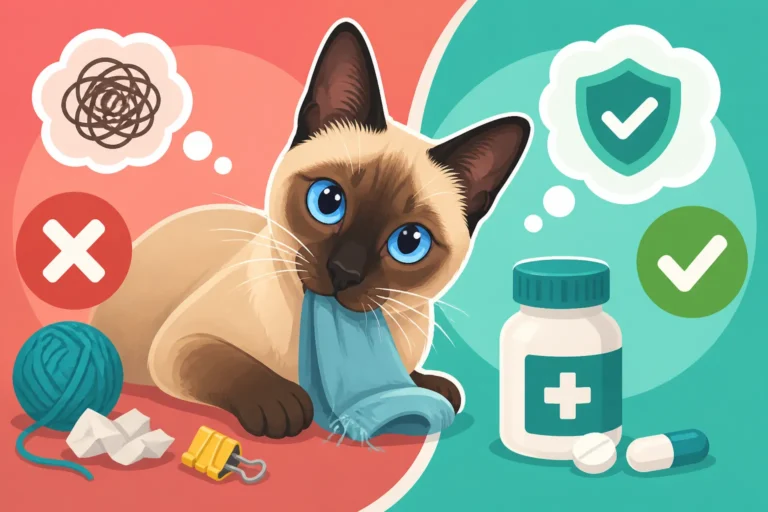
A bored Siamese cat is often a destructive Siamese cat. If they don't have appropriate outlets for their energy and intelligence, they might create their own "fun" by scratching furniture, climbing curtains, or knocking items off shelves. This isn't out of malice; it's a desperate attempt to relieve pent-up energy and mental frustration. A Siamese will also absolutely steal small objects to play with if they are bored.
To prevent this, it's essential to provide plenty of appropriate scratching surfaces (both vertical posts and horizontal pads), engaging toys, and consistent playtime. Invest in durable, tall scratching posts, preferably those made of sisal rope or corrugated cardboard, as these textures are often highly appealing. Place them in prominent areas where your cat spends time, as cats often scratch to mark territory. If your Siamese is still exhibiting destructive behaviors, it's a clear signal that their environment needs more enrichment. Perhaps more vertical space, more interactive play, or a new puzzle feeder is in order.
Addressing Excessive Vocalization
Siamese cats are famously vocal. They "talk" a lot, and their meows can range from a soft trill to a loud, demanding yowl. While this is a charming trait for many owners, excessive or incessant vocalization, especially at night or when you're trying to work, can quickly become frustrating. If your Siamese is yowling more than usual, it's worth considering if they are bored or seeking attention. Why a Siamese Cat Meows So Much often boils down to communication, and a bored cat has a lot to say.
One strategy is to ensure their needs are met before they even begin to vocalize. Regular play sessions, scheduled feeding times (perhaps with a timed feeder to prevent them from demanding food), and plenty of opportunities for interaction can help. Avoid inadvertently rewarding unwanted vocalization; if they're yowling for attention, try to ignore it until there's a moment of quiet, then reward them with praise or a pat. If the vocalization is truly excessive and new, it's always wise to rule out any underlying health issues with a vet visit, as pain or discomfort can also lead to increased meowing.
The Importance of Social Connection
Siamese cats are profoundly social animals. They thrive on companionship, whether that's with their human family or another feline friend. Leaving a Siamese cat alone for extended periods without any social interaction can lead to loneliness, stress, and even separation anxiety. You might notice signs like excessive grooming, changes in appetite, or inappropriate urination if your Siamese is feeling isolated.
For households where humans are often away, considering a second cat can be a game-changer. Two Siamese cats often provide each other with the mental and physical stimulation they need, reducing boredom and loneliness. However, introducing a new cat requires careful planning and patience. Ensure personalities are compatible, and always supervise initial interactions. Another aspect of social connection is the quality of your own interaction. Dedicate specific time each day for focused attention, whether it's cuddling, grooming, or playing. This strengthens your bond and fulfills their deep need for connection. How Attached a Siamese Cat Gets to One Person is profound, and they truly consider you part of their inner circle.
Exploring Safe Outdoor Alternatives
While allowing free-roaming outdoor access carries significant risks, there are wonderful, safe ways to let your indoor Siamese experience the sensory richness of the outside world without compromising their safety.
The World of Catios: Safe Outdoor Access
Catios, or cat patios, are enclosed outdoor spaces that allow your cat to enjoy fresh air, sunshine, and the sights and sounds of nature in a completely secure environment. These can range from small, window-mounted boxes to elaborate, multi-level enclosures connected to your home via a cat flap. Catios offer the best of both worlds: your Siamese gets to roll in the grass, watch birds, and feel the breeze, all while being protected from traffic, predators, and disease.
When designing or choosing a catio, consider its size, materials, and enrichment opportunities. A good catio will include perches, shelves for climbing, scratching posts, and maybe even some cat-safe plants. They provide a fantastic source of mental and physical stimulation, breaking up the monotony of indoor life. For a Siamese cat, a catio can be an absolute game-changer, satisfying their innate curiosity and providing a safe "adventure zone" that enhances their overall well-being.
Leash Training for Supervised Adventures
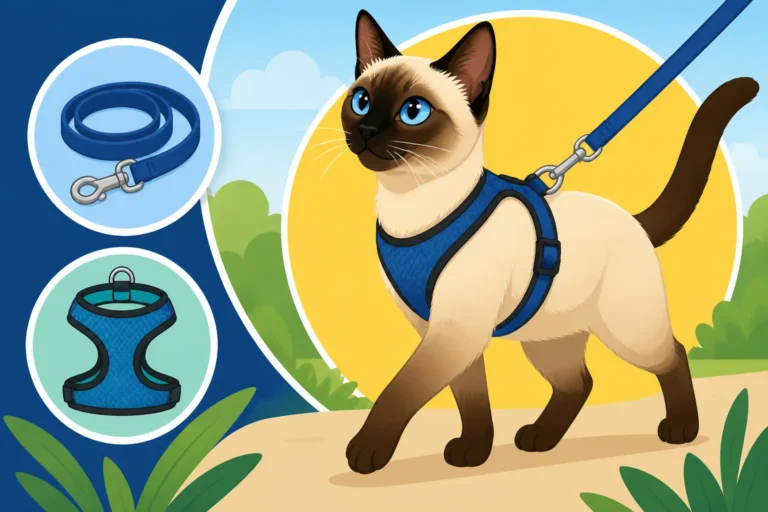
Believe it or not, many Siamese cats can be successfully leash trained, opening up a whole new world of supervised exploration. The key is patience, positive reinforcement, and starting early, especially when they are kittens. Begin by introducing a comfortable, well-fitting harness (not just a collar, which they can easily slip out of) inside the house. Let them wear it for short periods, associating it with treats and praise. Many comfortable and secure harnesses designed specifically for cats are available from retailers like Amazon.
Once they're comfortable with the harness, attach a lightweight leash and let them drag it around indoors under supervision. Gradually, you can introduce short walks in a quiet, secure outdoor space, like your backyard. The goal isn't to walk them like a dog, but to let them explore at their own pace, sniffing and observing. This provides novel scents, textures, and visual stimulation that an indoor environment simply can't replicate. It's a wonderful way to offer them safe, enriching outdoor experiences, fostering their adventurous spirit without the inherent dangers of unsupervised outdoor access. How to Leash Train a Siamese Cat requires dedication, but the rewards for your cat can be immense.
Table: Indoor Enrichment Essentials for Your Siamese Cat
To truly make indoor living a joyful experience for your Siamese, a variety of enrichment tools and strategies are needed. Here's a quick overview of some essentials:
| Enrichment Category | Item Examples | Purpose | Why it's Important for a Siamese |
|---|---|---|---|
| Vertical Space | Cat Trees, Wall Shelves, Window Perches | Provides climbing, perching, and observation points. | Satisfies climbing instinct, offers security, and visual stimulation. |
| Interactive Play | Wand Toys, Feather Teasers, Laser Pointers (used wisely) | Simulates hunting, provides physical exercise and mental engagement. | Fulfills predatory drive, prevents boredom, and burns energy. |
| Mental Stimulation | Puzzle Feeders, Clicker Training Kit, Catnip Toys | Challenges intelligence, encourages problem-solving, and prolongs engagement. | Keeps intelligent minds active, reduces food gorging, and provides novelty. |
| Comfort & Security | Cozy Beds, Hiding Spots, Soft Blankets | Offers safe spaces for rest, relaxation, and retreat. | Important for stress reduction, comfort, and feeling secure in their territory. |
| Scratching Outlets | Sisal Posts (vertical), Cardboard Scratchers (horizontal) | Provides appropriate surfaces for scratching, stretching, and scent marking. | Essential for claw health, muscle stretching, and preventing furniture damage. |
| Outdoor Access | Catios, Secure Harness & Leash | Offers safe exposure to fresh air, new scents, and natural stimuli. | Satisfies curiosity for the outside world without safety risks. |
Choosing to keep your Siamese cat indoors is a responsible and loving decision that significantly contributes to their safety and longevity. With a thoughtful approach to enrichment, consistent engagement, and a good understanding of their unique needs, your Siamese can lead an incredibly happy, healthy, and fulfilling life right there with you in your home.
Disclaimer
This article is for general informational purposes only and does not constitute professional advice. Laws, prices and regulations vary by location and change over time. Consult a qualified professional for guidance on your specific situation.