Whether Wool Sucking Comforts a Siamese Cat
It's a common, utterly perplexing sight for many Siamese cat owners: your elegant, vocal companion intently kneading, chewing, and often ingesting fabric like blankets, sweaters, or even your favorite woolly socks. This behavior, known as wool sucking or pica, leaves many of us wondering if our beloved Meezer is simply seeking comfort, or if something more concerning is at play. This guide will delve deep into the nuances of wool sucking in Siamese cats, exploring its potential comforting aspects, underlying causes, and practical strategies to manage it safely and effectively.
The Heart of the Matter: Is Wool Sucking About Comfort?
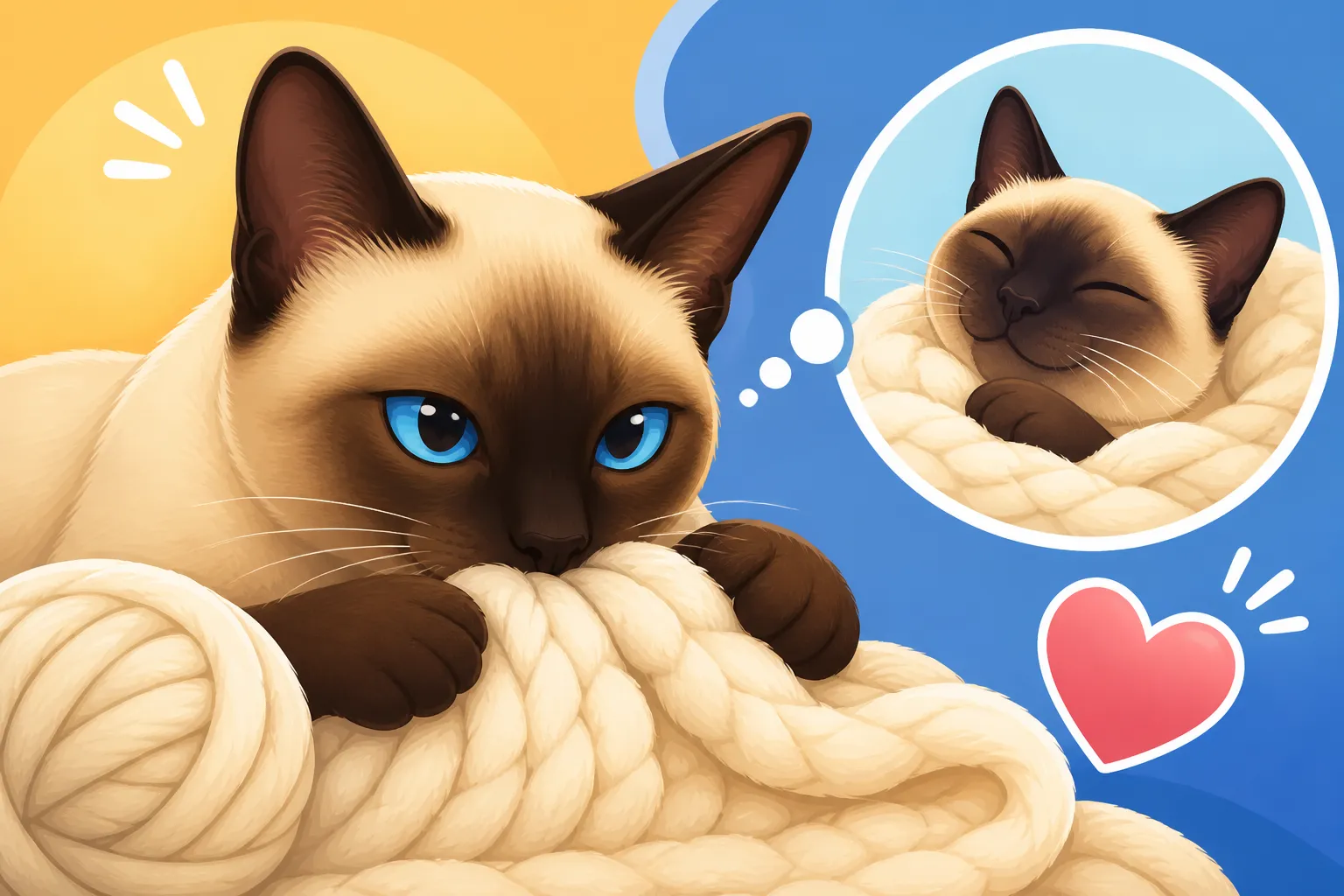
When you see your Siamese cat in the throes of a wool-sucking session, often with half-closed eyes and a focused, almost trance-like expression, it’s hard not to believe they're finding some deep comfort in the act. And honestly, you're not entirely wrong to think that. For many Siamese cats, wool sucking does provide a form of self-soothing, a way to cope with various internal and external stimuli. It’s an incredibly complex behavior that isn't always straightforward.
The Deep-Seated Urge for Nurturing
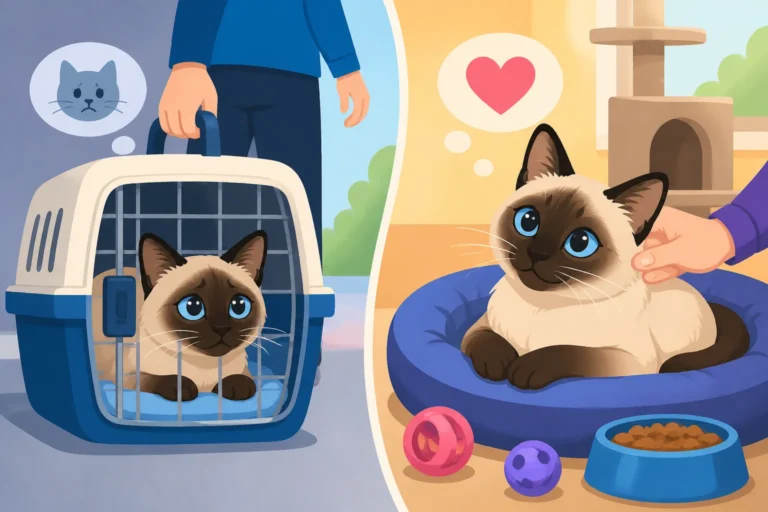
Think about a kitten nursing from its mother. The rhythmic kneading, the comforting warmth, the satiation – it’s a profound experience of security and contentment. For some Siamese cats, wool sucking seems to tap into this primal, kittenhood memory. The texture of wool, or similar soft fabrics, can mimic the feel of a mother's belly, and the sucking motion can replicate nursing. This often happens when a cat feels stressed, anxious, lonely, or even just a little bit bored. It’s their way of trying to self-regulate, to bring themselves back to a state of calm. You might observe it most when you're about to leave the house, or when there's a new person or pet in the home. It’s a coping mechanism, a security blanket in feline form, and understanding that can really shift how you approach the behavior. It’s not malicious, it’s often a plea for reassurance.
When Comfort Becomes Compulsion
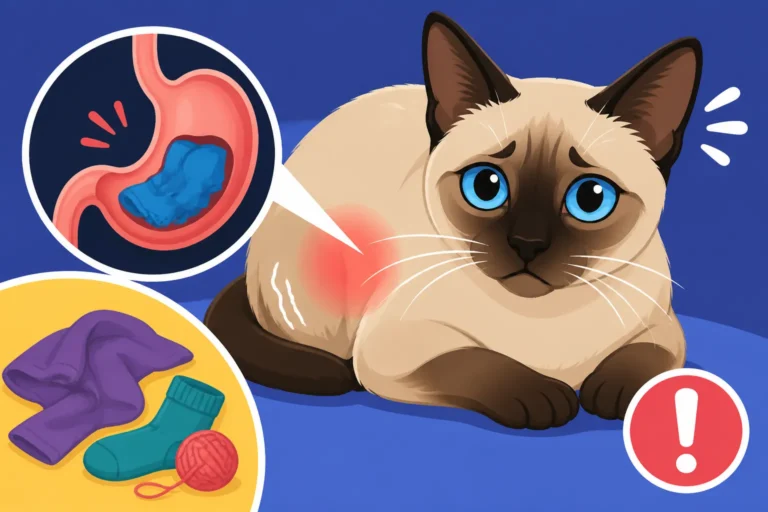
While a degree of comfort is often involved, it's crucial to recognize when this comforting behavior crosses the line into something more compulsive or problematic. For some Siamese cats, the act isn't just about gentle sucking or kneading; it escalates to frantic chewing, shredding, and even swallowing large pieces of fabric. This is where the concern deepens. Ingesting fabric can lead to serious health issues, including intestinal blockages, which are incredibly dangerous and often require emergency surgery. Signs a Siamese Cat Has Swallowed Fabric can include vomiting, lethargy, loss of appetite, and straining to defecate. If your cat is frequently ingesting fabric, the initial comfort derived might be overshadowed by an underlying anxiety or behavioral disorder that needs more active intervention than simply providing a soft blanket. It's a fine line between a quirky comfort habit and a genuinely risky compulsion, and discerning the difference is key to ensuring your cat's well-being.
Unpacking the Roots of This Peculiar Behavior
Wool sucking isn't just a random act; it has a fascinating and often frustrating etiology, particularly prominent within the Siamese breed. It's rarely about simple defiance or naughtiness; it's a deeply ingrained behavior influenced by genetics, early development, and their environment.
The Genetic Predisposition and Breed Traits
It’s widely acknowledged that certain cat breeds, Siamese cats chief among them, have a genetic predisposition to wool sucking and other forms of pica (the eating of non-food items). This isn't just anecdotal observation; research has pointed to a hereditary component. If your Siamese is a wool sucker, there's a good chance one or both of their parents, or other close relatives, exhibited similar behaviors. This means that while environmental factors can trigger or exacerbate it, the potential is often hardwired into their DNA. Whether Wool Sucking in a Siamese Cat Is Genetic is a question many owners ponder, and the answer is a resounding "yes." It's part of what makes our Siamese so unique, even if it comes with challenges. Their high intelligence, sensitivity, and strong emotional needs also play a role, making them more susceptible to expressing stress or boredom in this particular way.
Early Life Experiences and Environmental Factors
Beyond genetics, a Siamese cat's early life experiences can significantly shape the development and intensity of wool sucking. Kittens who are weaned too early, or separated from their mothers or littermates prematurely, might develop wool sucking as a substitute for nursing. They miss that crucial period of maternal comfort and nutrient intake, and fabrics become a stand-in. A kitten ideally should stay with its mother until at least 12 weeks of age. If your Siamese came to you earlier than that, this could certainly be a contributing factor.
Environmental stressors are also huge triggers. Siamese cats are highly social, intelligent, and sensitive creatures. They thrive on routine, interaction, and mental stimulation. Any disruption to their world can be perceived as stressful:
- Lack of stimulation: A bored Siamese cat is a destructive Siamese cat. If they don't have enough to do, What a Bored Siamese Cat Destroys can extend to your prized cashmere.
- Anxiety and stress: Changes in routine, new pets, a new home, even your own stress can deeply affect them. What Separation Anxiety Looks Like in a Siamese Cat often manifests in excessive vocalization, inappropriate urination, or destructive behaviors like wool sucking.
- Dietary deficiencies: While less common in cats fed a high-quality commercial diet, some theories suggest that a lack of certain nutrients, particularly fiber, could contribute to pica behaviors. However, for most Siamese cats, it’s more about behavioral and emotional needs than actual hunger or nutrient deficiency. Whether More Fiber Stops a Siamese Cat's Pica is a question worth exploring with your vet, but often it’s not the primary solution.
Understanding these multifaceted roots is the first step in formulating a compassionate and effective management plan.
Practical Strategies to Offer True Comfort and Safety
Once you've wrapped your head around why your Siamese might be engaging in wool sucking, the next step is to implement strategies that both comfort them and keep them safe. This isn't about punishment; it's about understanding their needs and redirecting their behavior constructively.
Environmental Enrichment and Redirection
A mentally and physically stimulated Siamese is generally a happier, less anxious Siamese. Because these cats are so intelligent, they get bored easily, which can lead to stress and, you guessed it, wool sucking. Providing ample Enrichment for a Siamese Cat That Gets Bored in an Hour is paramount.
Here are some actionable ideas:
- Interactive Play: Dedicate at least two 15-20 minute play sessions daily with interactive toys like wand toys, feather teasers, or laser pointers (used carefully, ending with a physical toy they can "catch"). This mimics hunting behavior and burns off energy.
- Puzzle Feeders: Instead of just putting food in a bowl, make them work for it. Puzzle feeders stimulate their minds and can help slow down eating, which can be beneficial if the wool sucking is related to a need for oral fixation. You can find excellent options on Amazon.
- Vertical Space: Siamese cats love to climb and observe their kingdom from above. Provide tall cat trees, shelves, or catio access if possible. This gives them a sense of security and something interesting to do.
- Safe Chew Alternatives: Offer textures that are appropriate for chewing, like dental chews specifically designed for cats, or even some safe, non-toxic catnip-infused toys. Whether a Chew Toy Redirects a Siamese Cat often depends on the individual cat, but it's definitely worth trying.
- Consistent Interaction: Spend quality time with your cat, not just playing, but petting, talking, and grooming. Their bond with you is incredibly important.
When you catch your cat wool sucking, try to gently redirect them with a toy or by initiating play. The goal isn't to startle or punish them, but to calmly shift their focus.
Dietary Adjustments and Fiber Considerations
While most experts agree that wool sucking is primarily behavioral, ensuring your cat's diet is optimized is still an important piece of the puzzle. As mentioned, some theories suggest a lack of fiber could play a role in pica.
- High-Quality Diet: Ensure your Siamese is on a high-quality, nutritionally complete cat food. Discuss with your veterinarian if there are any dietary changes that could be beneficial.
- Increased Fiber: Your vet might suggest a high-fiber diet or supplementing with a small amount of psyllium husk or other veterinary-approved fiber source, particularly if your cat is regularly ingesting fabric and you’re worried about digestion. Never make significant dietary changes without professional guidance.
- Wet Food: Many cats benefit from a diet rich in wet food, which contributes to hydration and can provide a different texture experience.
Remember, diet alone is rarely the sole solution for wool sucking, but it's part of a holistic approach to their well-being.
Professional Intervention: When and Why
Sometimes, despite your best efforts, wool sucking can persist or even escalate. This is when it's absolutely crucial to involve your veterinarian.
- Rule Out Medical Causes: The first step is always a thorough veterinary check-up to rule out any underlying medical conditions that could be causing or exacerbating the behavior. Dental pain, gastrointestinal issues, or even certain metabolic conditions can sometimes present with pica-like symptoms.
- Behavioral Consultation: If medical causes are ruled out, your vet might recommend consulting a certified veterinary behaviorist. These specialists have advanced training in animal behavior and can help diagnose the specific triggers and underlying anxieties. They can develop a tailored behavior modification plan that might include environmental changes, specific training techniques, and sometimes, medication.
- Medication: In cases of severe, compulsive wool sucking that puts the cat at risk, medication may be considered. Anti-anxiety medications or selective serotonin reuptake inhibitors (SSRIs) can help reduce the compulsive urge and anxiety levels, making other behavioral interventions more effective. This is always a last resort and used in conjunction with behavioral therapy, not as a standalone solution. Whether Medication Helps a Siamese Cat's Pica is a question best answered by a vet or behaviorist after a thorough assessment.
Open communication with your vet is key. They are your best resource for navigating these complex issues.
Living with a Wool Sucker: Managing Expectations and Home Life
Caring for a Siamese cat with a wool-sucking habit can be challenging, but it's entirely manageable with patience, consistency, and a proactive approach. It requires a bit of detective work and a commitment to their safety and happiness.
Creating a Safe and Stimulating Environment
One of the most immediate steps you can take is to "cat-proof" your home, specifically targeting the tempting fabrics. This might sound daunting, but it’s crucial for their safety.
- Hide Tempting Items: Put away sweaters, blankets, scarves, and any other fabric items that your cat targets. Store them in drawers, closets, or lidded bins. You might even consider fabric protectors or sprays (ensure they are pet-safe and non-toxic) on furniture if that’s a target, though physically removing access is always best. How to Cat Proof a Home for a Siamese Cat when pica is an issue means being extra vigilant about textiles.
- Provide Acceptable Alternatives: Make sure there are plenty of acceptable, non-ingestible chew toys or blankets that aren't made of wool. Fleece, certain dense cotton fabrics, or even tough rubber toys (for cats, of course!) can sometimes serve as a substitute for oral fixation.
- Routine and Predictability: Siamese cats thrive on routine. Try to maintain consistent feeding times, play times, and interaction schedules. This predictability can reduce anxiety.
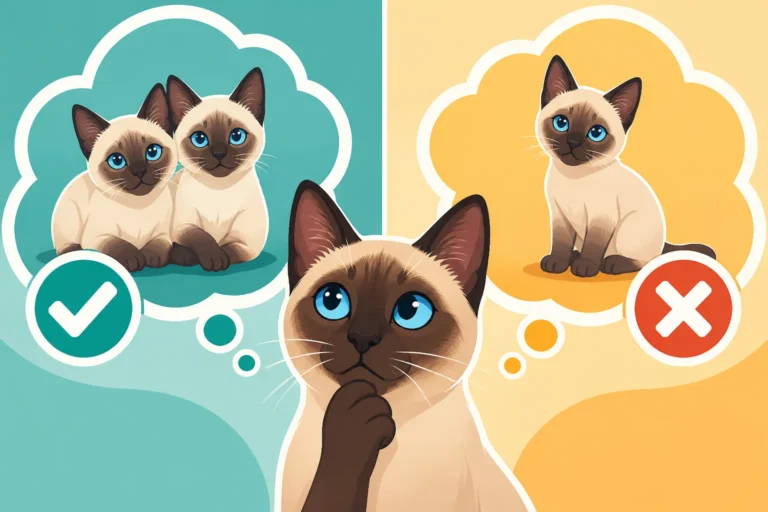
- Consider a Companion: If your Siamese is often alone for long periods and shows signs of loneliness, a compatible feline companion could be beneficial. Whether a Siamese Cat Is Happier in a Pair is often true for these social creatures, especially if they are exhibiting separation anxiety.
Monitoring for Health Complications
The most serious concern with wool sucking is the potential for ingesting fabric and causing internal blockages. This can become life-threatening very quickly.
- Regular Checks: Regularly inspect items your cat has been sucking on for missing pieces. If you notice significant portions are gone, be on high alert.
- Observe Behavior: Keep a close eye on your cat for any changes in appetite, energy levels, vomiting, diarrhea, or straining to use the litter box. These are all signs that they might have ingested something that is causing an obstruction.
- Emergency Preparedness: Know the location and contact information for your nearest emergency veterinary clinic. Time is of the essence if an obstruction occurs.
Here's a quick overview of potential causes and solutions:
| Potential Cause | Description | Possible Solutions |
|---|---|---|
| Early Weaning/Separation | Kitten removed from mother/litter too young, missing nursing comfort. | Provide comfort, routine, safe kneading surfaces (e.g., fleece blankets), increase interaction. Consider a companion. |
| Genetic Predisposition | Inherited trait, particularly common in Siamese and Oriental breeds. | Focus on management: enrichment, redirection, safe alternatives, stress reduction. This is a baseline factor. |
| Boredom/Lack of Stimulation | Intelligent cats like Siamese need constant engagement to prevent ennui. | Implement daily interactive play, puzzle feeders, vertical climbing spaces, rotation of toys. |
| Anxiety/Stress | Emotional distress from changes, loneliness, loud noises, etc. | Maintain routine, create safe spaces, provide consistent positive interaction, pheromone diffusers. Address underlying stressor if possible. Consult vet/behaviorist for severe cases. |
| Nutritional Deficiency (Rare) | Rarely the primary cause, but sometimes considered, especially for fiber. | Ensure high-quality, balanced diet. Discuss with vet if a fiber supplement or specific diet is appropriate. |
| Medical Condition (Rule Out First) | Dental pain, GI issues, hyperthyroidism, etc., can sometimes cause pica. | Thorough veterinary examination to rule out any underlying health problems. Treat any diagnosed conditions. |
Living with a wool-sucking Siamese requires understanding, patience, and a bit of creativity. By addressing their needs for comfort, stimulation, and security, you can help them manage this tricky behavior and ensure they live a long, happy, and safe life.
Disclaimer
This article is for general informational purposes only and does not constitute professional advice. Laws, prices and regulations vary by location and change over time. Consult a qualified professional for guidance on your specific situation.