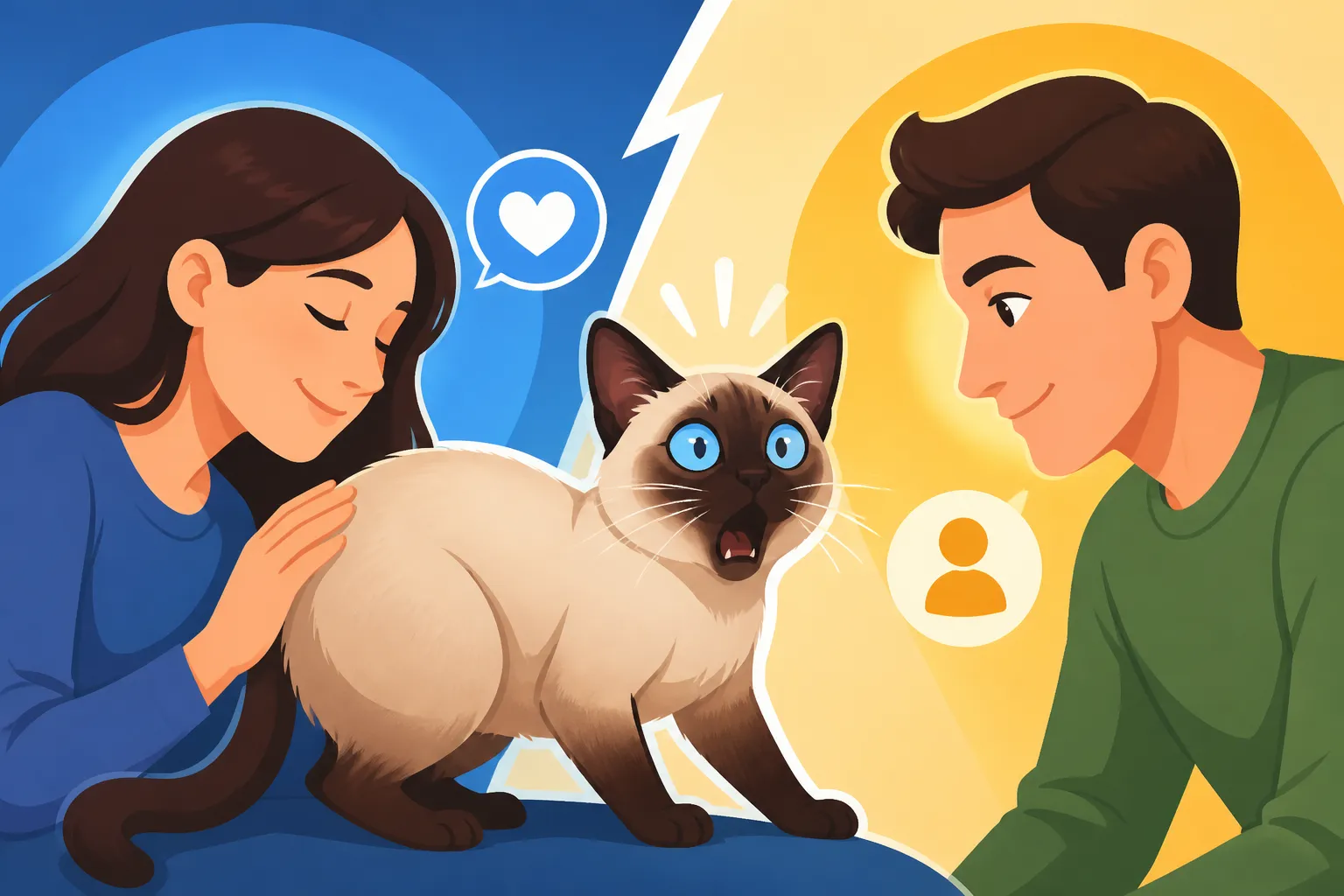
How a Siamese Cat Reacts to a New Partner
Bringing a new partner into your home is a huge step for any human relationship, but if you share your life with a Siamese cat, it's also a seismic event in their world. These incredibly sensitive, communicative, and deeply bonded felines can react with anything from mild curiosity to outright jealousy or intense stress. This guide will walk you through what to realistically expect when introducing your cherished Siamese to a new significant other, offering practical, empathetic strategies to make the transition as smooth as possible for everyone involved.
Understanding Your Siamese Cat's Deep Bonds and Territory
It's easy to forget that while you're navigating human emotions, your Siamese is experiencing a profound shift in their carefully constructed universe. Their world revolves around routine, scent, and most importantly, you.
The Siamese's Unique Attachment to Their People
Siamese cats aren't just pets; they're family members who often form an incredibly intense, almost dog-like bond with their chosen human. They are renowned for their need for constant interaction, their "conversational" meows, and their uncanny ability to shadow you from room to room. This isn't just a quirk; it's a fundamental aspect of their personality. They thrive on being the center of your attention, and they often see themselves as your primary companion, interpreter, and confidante. If you've ever felt like your Siamese knows what you're thinking, you're not alone. This deep connection means they perceive changes in their environment, especially changes involving you, with heightened sensitivity. You can learn more about this unique connection in How Attached a Siamese Cat Gets to One Person.
For many Siamese owners, their cat isn't just a pet; they're a furry little supervisor, always in the thick of things. They expect to be involved, to be consulted, and to have their presence acknowledged. When a new person enters the equation, it's not just another roommate; it's a direct challenge to their established hierarchy and their perceived role in your life. They might wonder, "Who is this person taking up my space on the sofa? Why are they getting attention that used to be mine?" This isn't malice; it's simply their instinctual response to a sudden shift in their social structure.
How a New Presence Disrupts Their World
Imagine your perfectly ordered life suddenly having a new, unpredictable element dropped right into the middle of it. That's how your Siamese cat often feels when a new partner moves in, or even just starts spending a lot of time at your place. Their world is built on predictable routines: when you wake up, when you feed them, when you play, where you sit, and even the unique scent profile of your home. A new person brings new sounds, new smells, new routines (or lack thereof, from the cat's perspective), and a new demand on your time and attention. This disruption can be incredibly stressful for a creature that relies so heavily on consistency and a stable environment.
A new partner's clothes will carry unfamiliar scents, their movements might be different, and their voice might be a new tone in the household symphony. All these subtle changes can trigger anxiety in your Siamese. They might not understand that this new person is there to stay or that they are a welcome addition. Instead, they might perceive them as a threat to their resources – your attention, their favorite sleeping spot, or even their food bowl. Even subtle shifts, like your partner's shoes by the door or a new bag left on a chair, can be enough to signal a change that your Siamese needs to process. For some, this can be as unsettling as a full-blown house move, which you can read more about in How a Siamese Cat Handles a House Move.
Common Reactions to a New Human in the Home
Siamese cats are expressive, and they won't shy away from letting you know exactly how they feel about your new partner. Their reactions can vary widely, but typically fall into a few understandable categories.
Signs of Stress and Fear
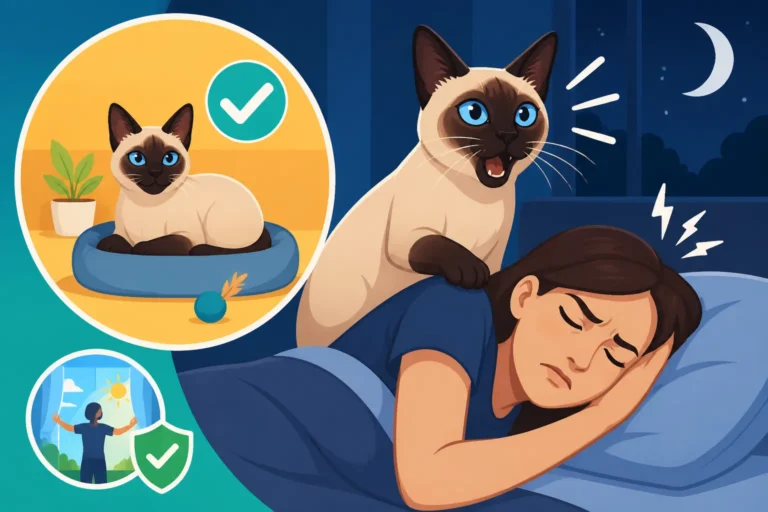
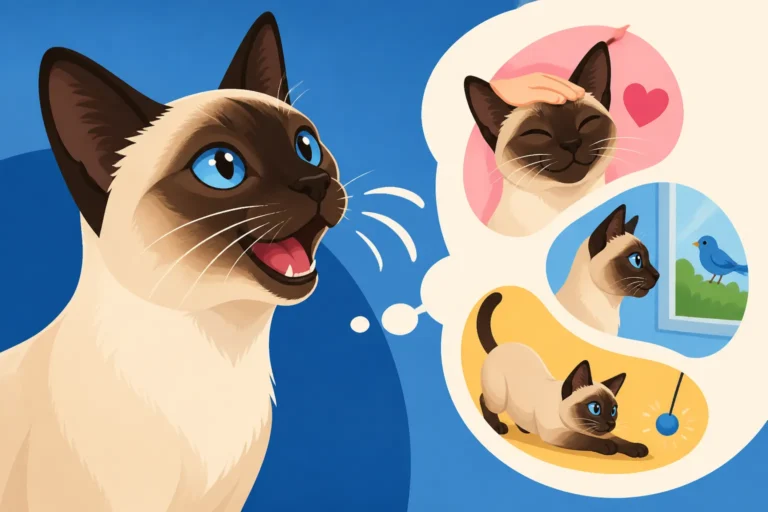
When a Siamese cat feels threatened or overwhelmed by a new presence, they often exhibit classic stress and fear behaviors. These aren't "bad" behaviors, but rather distress signals that your cat is struggling to cope. You might notice them hiding more than usual, perhaps retreating under the bed or into a closet, only emerging for food. Their famously loud voices might become even more insistent, leading to excessive yowling or meowing, particularly at night or when your attention is focused on your partner. This often sounds like a baby crying and is a desperate plea for reassurance.
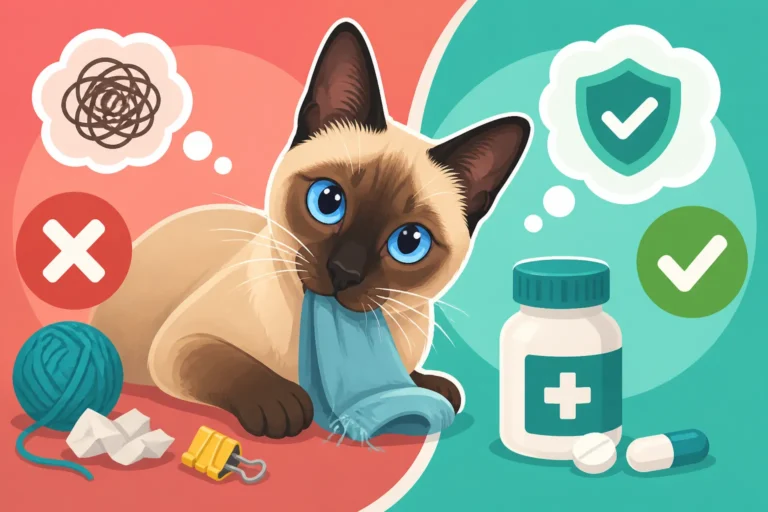
In some cases, stress can manifest as inappropriate urination or defecation outside the litter box. This isn't spite; it's often a way for them to reassert their scent on their territory or a physical manifestation of anxiety. Aggression, such as hissing, swatting, or even biting, can occur if they feel cornered or perceive the new partner as a direct threat. Some Siamese cats might start overgrooming, licking themselves excessively to the point of creating bald patches, a condition known as Psychogenic Alopecia in a Siamese Cat. These physical signs are clear indicators that your cat is not happy and needs intervention. For more about general anxiety, you can look at What Separation Anxiety Looks Like in a Siamese Cat. It's crucial not to punish these behaviors, but to understand them as calls for help.
Displays of Jealousy or Competition
Given their deep attachment to their owners, jealousy is a very real possibility when a new partner enters the scene. Your Siamese cat might see your partner as direct competition for your affection and resources. They might try to physically insert themselves between you and your partner, jumping onto your lap the moment your partner sits down next to you, or pushing their head under your hand when you're stroking your partner. You might find them demanding attention vocally, meowing relentlessly until you acknowledge them, especially when you're engaging in conversation or cuddling with your partner.
Another common tactic is to actively block your partner. This could be subtle, like strategically placing themselves in doorways, or more overt, like sitting directly on your partner's belongings. They might even act out in ways they know will get your attention, even if it's negative attention, like knocking items off shelves or scratching furniture. These behaviors are often an attempt to regain their perceived "prime" status in your life and to signal to the new person that they are the established resident. It's a classic feline power play. For a deeper dive into this specific behavior, check out How Jealous a Siamese Cat Gets.
Aloofness or Avoidance
While some Siamese cats go for overt displays of displeasure, others might react by simply withdrawing. This aloofness can be just as concerning, as it indicates a cat that is struggling internally but isn't expressing it outwardly. They might spend more time sleeping, or hiding in less accessible spots. They may stop greeting you at the door, or avoid coming into rooms where you and your partner are together. Their playful nature might diminish, and they might show less interest in their favorite toys or activities.
This avoidance can sometimes be misinterpreted as acceptance, but it's important to differentiate. A truly integrated Siamese will still engage with you and eventually, the new partner. A withdrawn Siamese is often deeply uncomfortable and might be trying to cope by simply making themselves invisible. This kind of "sulking" can go on for a while, and it's essential not to push them too hard. Patience is key here, and giving them the space they need while still offering gentle reassurance can help. If your Siamese has a tendency to sulk, you might find some useful insights in How a Siamese Cat Sulks. They need to feel secure in their environment before they'll feel comfortable interacting with the new person.
Strategies for a Smooth Introduction and Integration
Navigating this transition requires a proactive and empathetic approach. The goal isn't just for your cat to tolerate your partner, but ideally, to welcome them into the fold.
Gradual Introduction and Scent Swapping
The golden rule for introducing any new element to a cat's life is gradual. Don't just spring your new partner on your Siamese. Start by allowing them to get used to your partner's scent before they even meet face-to-face. Your partner can leave a worn shirt or a blanket at your place for a few days, placing it in a common area where your cat can sniff and investigate it at their leisure. This allows your Siamese to become accustomed to the new smell in a non-threatening way. You can even rub a towel on your partner and then on your cat's cheeks, mixing their scents gently.
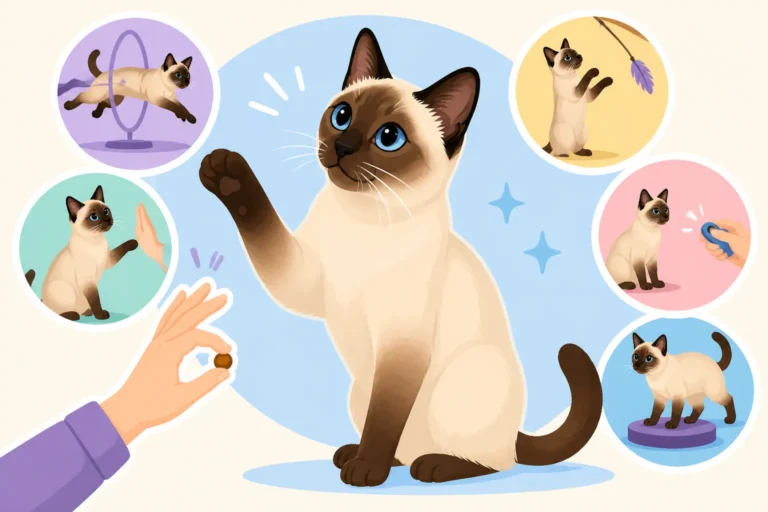
When they do meet, keep initial interactions short and positive. Your partner should avoid direct eye contact initially and let the cat approach them. Offer high-value treats (think tuna flakes, lickable treats) and gentle praise. Consider having your partner be the primary source of these good things during their visits. You could also use calming pheromone diffusers, which are available on platforms like Amazon, to help reduce overall anxiety in the home. These can create a more reassuring atmosphere, especially in rooms where your partner spends a lot of time.
Positive Reinforcement and Dedicated "Cat Time"
Positive reinforcement is your best friend during this period. Every positive interaction your Siamese has with your new partner should be rewarded. This means treats, gentle pets (if the cat initiates), and interactive play. Have your partner engage in short play sessions using wand toys or laser pointers, allowing the cat to "hunt" and succeed. You can find a fantastic array of interactive toys on Amazon that can help with these bonding sessions. Remember, a well-played cat is often a happier, less anxious cat. How Much Play a Siamese Cat Needs is crucial for their mental and physical health.
Crucially, you must maintain your routine and dedicated "cat time" with your Siamese. Don't let your cat feel like your new partner is stealing your attention. Make sure you still have your special cuddle sessions, your morning greetings, and your evening play. This consistency will reassure your Siamese that their bond with you is still strong and secure. In fact, increasing your one-on-one time with your cat might be beneficial in the early stages, making them feel more loved and less threatened by the new presence. Have your partner observe your interactions, learning how your Siamese prefers to be pet, when they like to play, and what their various vocalizations mean.
Creating Safe Spaces and Predictable Routines
Every cat needs a sanctuary, and your Siamese is no exception. Ensure they have several undisturbed retreats where they can escape when feeling overwhelmed. This could be a tall cat tree, a cozy bed under a table, or even just a room that's off-limits to your partner for a short period, giving your cat a private zone. These safe spaces should be easily accessible and away from high-traffic areas where your partner might be. You can find some excellent multi-level cat trees and cozy hideaways on Amazon that are perfect for providing these secure spots.
Consistency in routine is paramount. Keep feeding times, litter box cleaning, and play schedules as predictable as possible. Any deviation from these routines can increase anxiety. Work with your partner to ensure they understand and respect these routines. For instance, if your Siamese is usually fed at 7 AM and 5 PM, stick to those times. If your partner is an early riser, they might even take on the morning feeding, creating a positive association with them as the provider of good things. Creating a stable, predictable home environment is also a key aspect of How to Cat Proof a Home for a Siamese Cat, and the principles apply here to emotional security. A stable environment reduces overall stress, making them more receptive to new people.
When to Seek Professional Help
While patience and consistent effort often pay off, there are times when your Siamese cat's reaction to a new partner might warrant professional intervention.
Recognizing Persistent or Escalating Issues
It's normal for a Siamese cat to take a few weeks, or even a couple of months, to fully adjust to a new living situation. However, if their problematic behaviors persist or escalate beyond this timeframe, it's time to take it seriously. Look out for:
- Prolonged Aggression: Hissing, swatting, or biting that doesn't decrease, or worse, becomes more frequent.
- Severe Anxiety: Refusal to eat or drink, excessive hiding for days, significant weight loss, or persistent overgrooming leading to skin issues. You can read more about a specific stress-related grooming issue in Why a Stressed Siamese Cat Licks Itself Bald.
- Inappropriate Elimination: Consistent urination or defecation outside the litter box despite no medical issues.
- Withdrawal and Depression: A complete loss of interest in play, interactions, or their usual activities, even with you. This can be a sign of a deeper emotional struggle.
The first step is always a visit to your veterinarian to rule out any underlying medical conditions that could be causing or exacerbating the behavioral changes. Many medical issues, even subtle ones, can manifest as behavioral problems. A cat in pain or discomfort is far less likely to cope well with change. For more on how to identify when your cat is feeling unwell, refer to Signs a Siamese Cat Is Unwell. Once medical causes are ruled out, your vet may recommend a certified feline behaviorist. These professionals specialize in understanding and modifying cat behavior and can offer tailored strategies that you might not have considered.
The Role of Patience and Consistency
Remember, integrating a new person into your Siamese cat's life is a marathon, not a sprint. There will be good days and bad days, and setbacks are a normal part of the process. Your Siamese cat isn't trying to be difficult; they are reacting instinctively to a significant change in their world. The bond they share with you is deep, and they need time and consistent reassurance to understand that this new person is an addition, not a replacement.
Your partner also needs to understand this and exercise immense patience. Forcing interactions or trying to "win over" the cat too quickly can often backfire. Instead, encourage quiet, calm presence and allow the cat to set the pace. A strong, loving bond can absolutely form between your Siamese and your new partner, but it requires understanding, empathy, and sustained effort from both humans. The reward for this patience is watching your beloved cat eventually accept and even welcome your partner, expanding the circle of love in your home.
Disclaimer
This article is for general informational purposes only and does not constitute professional advice. Laws, prices and regulations vary by location and change over time. Consult a qualified professional for guidance on your specific situation.