Whether a Siamese Cat Bullies a Quieter Cat
Bringing a new cat into a home with an existing feline, especially a spirited Siamese, can sometimes feel like trying to mix oil and water. Many of us worry about our resident cat's reaction or, conversely, if our energetic Siamese will simply overwhelm a shyer newcomer. This guide is here to help you understand the dynamics of a Siamese cat living with a quieter companion, identify the subtle (and not-so-subtle) signs of discomfort or outright bullying, and provide actionable steps to create a peaceful, harmonious multi-cat household.
The Intense Personality of a Siamese Cat
Let's be honest, Siamese cats aren't known for being wallflowers. They are incredibly intelligent, vocal, and demand a lot of attention and interaction. Their very nature is often described as "dog-like" due to their strong bonds with humans and their desire to be involved in everything you do. This intense personality, while endearing to their human companions, can sometimes be a lot for a more laid-back or timid cat to handle.
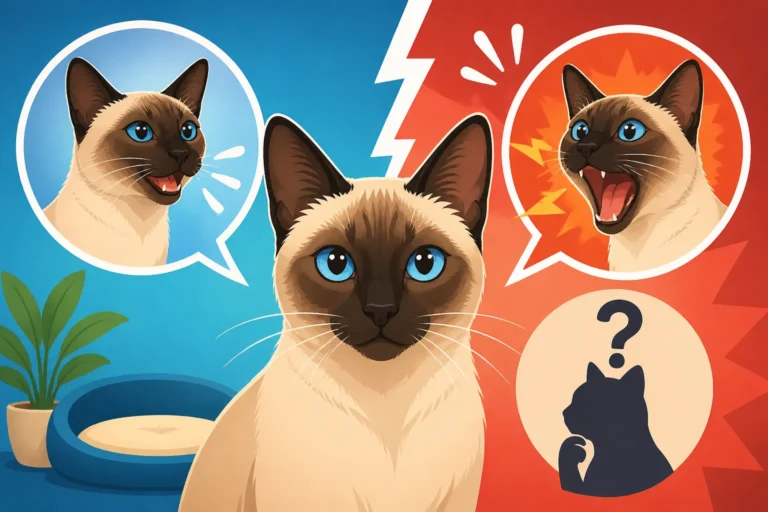
Imagine a high-energy child constantly wanting to play, talk, and be the center of attention. Now imagine putting that child in a room with a quieter, more reserved child who prefers to read a book. The energetic one isn't necessarily trying to be mean, but their sheer exuberance can easily overwhelm and stress the quieter one. This is often the dynamic that unfolds between a Siamese cat and a less assertive feline housemate. They thrive on interaction, whether it's with you or another cat, and if their chosen playmate isn't reciprocating, a Siamese might escalate their attempts, which can quickly cross the line from playful invitation to perceived harassment. Their constant "meezer yowl" can also be intimidating to a quieter cat, even if it's just their normal chatter. You can learn more about How Loud a Siamese Cat Is and What a Siamese Cat's Temperament Is Really Like to understand their core personality.
Differentiating Play from Bullying in a Multi-Cat Home
It's crucial to understand the difference between normal cat play, even if it's a bit boisterous, and genuine bullying. Play is usually mutual, includes breaks, and often involves role reversal (chasing and being chased). Bullying, on the other hand, is generally one-sided, relentless, and causes visible stress to the victim.
Signs of Genuine Bullying
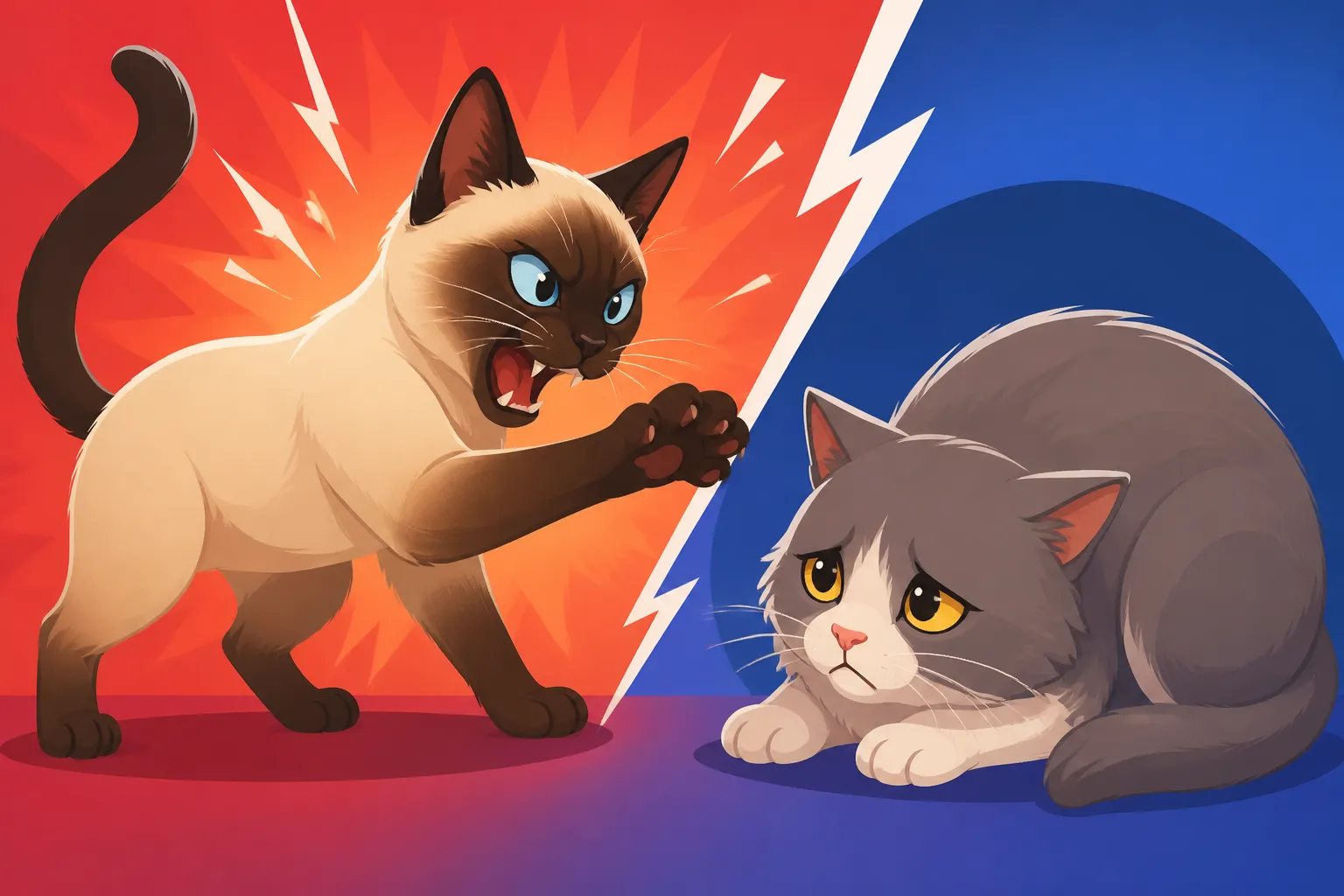
When your Siamese is truly bullying another cat, you'll start to see a pattern of stress and fear in the quieter cat. This isn't just a squabble; it's a consistent dynamic where one cat is consistently made to feel unsafe or uncomfortable.
- Resource Guarding: The Siamese might consistently block access to food bowls, water fountains, litter boxes, or even prime sleeping spots like a sunny window ledge. This isn't just about eating first; it's about actively preventing the other cat from using essential resources. You might notice your quieter cat waiting until the Siamese is asleep or out of the room before daring to eat or use the litter box.
- Constant Chasing and Ambushing: While playful chasing is common, bullying involves one cat constantly pursuing the other without the other cat reciprocating the play. The quieter cat might always be the one being chased, never the chaser. Ambushing that leads to hissing or growling from the victim, rather than playful wrestling, is also a red flag.
- Physical Aggression Beyond Play: This includes swatting with claws out, biting that causes pain (not just play nips), or pinning the other cat down for extended periods without release. Listen for cries of distress or genuine fear from the quieter cat.
- Blocking and Staring: A Siamese might physically block a doorway or hallway, preventing the other cat from passing. Intense, prolonged staring without blinking can be a very dominant and intimidating gesture in the feline world.
- Stress Behaviors in the Victim: Your quieter cat might start exhibiting signs of stress, such as hiding more frequently, refusing to eat or drink, over-grooming to the point of bald patches (known as What Psychogenic Alopecia Does to a Siamese Cat), inappropriate urination or defecation outside the litter box (Whether a Siamese Cat Urinates When Stressed), or becoming withdrawn and fearful. They might also start avoiding rooms where the Siamese spends a lot of time.
- Lack of Role Reversal: In healthy play, cats often switch roles. Sometimes one is the hunter, sometimes the other. If your Siamese is always the aggressor and the other cat is always the victim, it’s likely bullying.
Here's a quick table to help distinguish between healthy play and bullying:
| Behavior Aspect | Healthy Play | Bullying |
|---|---|---|
| Reciprocity | Both cats engage, roles often switch | One cat is consistently the aggressor/victim |
| Duration | Short bursts, frequent breaks | Prolonged, relentless pursuit |
| Vocalizations | Playful growls, chirps, quiet | Hissing, spitting, distressed cries from victim |
| Body Language | Loose, relaxed posture; ears forward/sideways | Stiff, tense posture; ears flattened on victim |
| Claws/Bites | Sheathed claws, soft play bites | Extended claws, hard bites, causing pain |
| Outcome | Both cats seem stimulated and relaxed afterward | Victim appears stressed, hides, avoids aggressor |
| Resource Access | No issues sharing resources | Aggressor blocks access to food, water, litter |
Strategies to Foster Peace and Prevent Bullying
If you've identified that your Siamese is indeed bullying your quieter cat, it's time to intervene. Ignoring it will only lead to escalating stress for the victim and potentially behavioral issues that are harder to correct down the line. The goal is to reduce competition, provide security, and ensure both cats feel safe and happy in their shared environment.
Abundant Resources are Key
One of the most common reasons for feline conflict is perceived scarcity of resources. Cats are naturally territorial, and even if you think you have enough, they might disagree.
- More Food and Water Stations: Instead of one communal feeding area, set up multiple food and water bowls in different, quiet locations. Consider feeding your quieter cat in a separate room or on a raised surface the Siamese can't easily access. Microchip feeders, which only open for a specific cat, can be a game-changer if one cat is constantly stealing food or guarding it.
- Litter Boxes Galore: The general rule is one litter box per cat, plus one extra. Place these boxes in various spots around the house, ensuring no single cat can "trap" another or block access. Some cats prefer covered boxes, others open. Offer a variety. Which Litter Box Suits a Siamese Cat.
- Ample Vertical and Hiding Spaces: Quieter cats need escape routes and safe zones where they can retreat and observe without feeling threatened. Invest in tall cat trees, wall-mounted shelves, and sturdy scratching posts that allow access to vertical space. Hide small, cozy beds in quiet corners, under furniture, or inside cat caves. You can find excellent options for cat trees and hideaways on Amazon. This allows your quieter cat to escape upwards, a natural feline defense mechanism, rather than being cornered.
Redirect and Enrich Your Siamese Cat's Energy
A bored Siamese is often a mischievous Siamese. Their high intelligence and boundless energy mean they need a lot of mental and physical stimulation. If they're not getting it, they might direct their pent-up energy towards their housemate.
- Dedicated Play Sessions: Schedule multiple, intense play sessions with your Siamese cat every day using interactive toys like wand toys or feather teasers. Play until they are truly tired. This helps burn off excess energy and satisfies their predatory instincts in a healthy way. How Much Play a Siamese Cat Needs and Which Toys a Siamese Cat Actually Plays With.
- Puzzle Feeders: Challenge your Siamese intellectually with puzzle feeders that dispense treats or kibble. This makes them "work" for their food, engaging their minds and tiring them out mentally. Many effective puzzle feeders are readily available on Amazon.
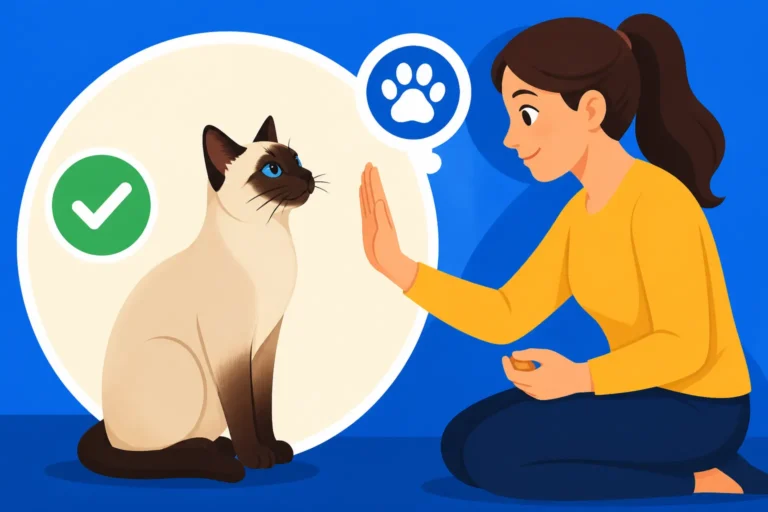
- Training: Siamese cats are highly trainable. Teach them tricks using positive reinforcement and clicker training. This provides mental engagement and strengthens your bond, giving them positive attention that they crave. How Clever a Siamese Cat Is.
Creating Separate Zones and Supervised Interactions
Sometimes, a bit of strategic separation can go a long way in reducing tension and rebuilding trust.
- "Time Outs" for the Bully: If you catch your Siamese actively harassing the other cat, gently redirect them. If redirection doesn't work, a brief "time out" in a separate room (not as punishment, but as a cool-down) can help break the cycle.
- Pheromone Diffusers: Products like Feliway diffusers release synthetic feline facial pheromones that can have a calming effect on cats, reducing stress and promoting a sense of security. Plug them into areas where the cats spend a lot of time. You can often find multi-packs on Amazon.
- Gradual Reintroduction if Necessary: If the bullying has been severe, you might need to go back to a more structured reintroduction process, similar to how you would introduce two entirely new cats. This involves separating them completely and gradually reintroducing them through scent swapping, supervised visits, and positive association. How to Introduce a Siamese Cat to a Resident Cat.
Prevention and Long-Term Harmony
The best defense is a good offense, as they say. If you're considering adding a second cat to a Siamese household, thinking ahead can prevent many problems.
Choosing the Right Companion
While every cat is an individual, some general guidelines can help. A Siamese cat often does best with another cat that can match its energy level and confidence.
- Another Confident, Playful Cat: Ideally, a companion who can hold their own, engage in reciprocal play, and isn't easily intimidated might thrive with a Siamese. Another Siamese cat, or a breed with a similar high-energy, confident disposition, might be a good fit. Which Companion Suits a Siamese Cat.
- Avoid Very Shy or Skittish Cats: Pairing a highly assertive Siamese with a truly timid cat often creates an imbalance that can lead to bullying. Look for a cat with a temperament that complements, rather than clashes with, your Siamese's strong personality.
- Consider Age and Size: A significant age or size difference can also play a role. A much older, arthritic cat might not appreciate the antics of a rambunctious Siamese kitten.
- "Bonded Pair" Benefits: Sometimes, adopting two cats who are already a bonded pair can be a great way to ensure social harmony, as they already have an established relationship. If you're bringing a new kitten into the mix, understanding Whether a Siamese Cat Accepts a Kitten is crucial.
Veterinary Check-ups
Always rule out underlying medical issues. Sometimes, a sudden change in behavior, either in the bully or the bullied, can stem from pain or illness. A cat in pain might become irritable and lash out, or a sick cat might become more withdrawn and vulnerable. A visit to the vet can help rule out medical causes for aggressive behavior or sudden fear. Signs a Siamese Cat Is Unwell.
By understanding the unique needs and personality of your Siamese cat and actively working to create an environment of security and abundance for all your felines, you can turn a potentially stressful situation into a happy, multi-cat home where everyone feels safe and loved. Remember, patience and consistency are your greatest tools in fostering peace.
Disclaimer
This article is for general informational purposes only and does not constitute professional advice. Laws, prices and regulations vary by location and change over time. Consult a qualified professional for guidance on your specific situation.