How Well a Siamese Cat Walks on a Leash
Many Siamese cat owners dream of taking their elegant, vocal companions on outdoor adventures, but often wonder if leash walking is even a realistic possibility for a feline, let alone a Siamese. The truth is, while it requires patience and a deep understanding of your cat's unique personality, teaching a Siamese cat to walk on a leash is absolutely achievable and can be a wonderfully enriching experience for both of you. This guide will delve into the nuances of leash training a Siamese, offering practical advice and setting realistic expectations for your outdoor explorations.
The Reality: Can a Siamese Cat Really Walk on a Leash?
It's a common misconception that only dogs can be leash trained. While it's certainly a different experience from walking a dog, many cats, especially intelligent and curious breeds like the Siamese, can learn to tolerate and even enjoy walks outside. The key is understanding that a "walk" with a cat isn't about covering distance in a straight line; it's about supervised exploration and enrichment on their terms.
Why Leash Training Can Be a Different Ballgame for Siamese Cats
Let's be honest, trying to get a cat to do anything it doesn't want to do is usually a losing battle. Siamese cats, with their strong opinions and incredibly vocal nature, are no exception. They're not going to heel politely by your side like a well-trained dog. Instead, they’re going to dictate the pace, choose the sniffing spots, and likely stop dead in their tracks if something sparks their interest or, conversely, spooks them. You're more of a co-explorer and a safety supervisor than a leader.
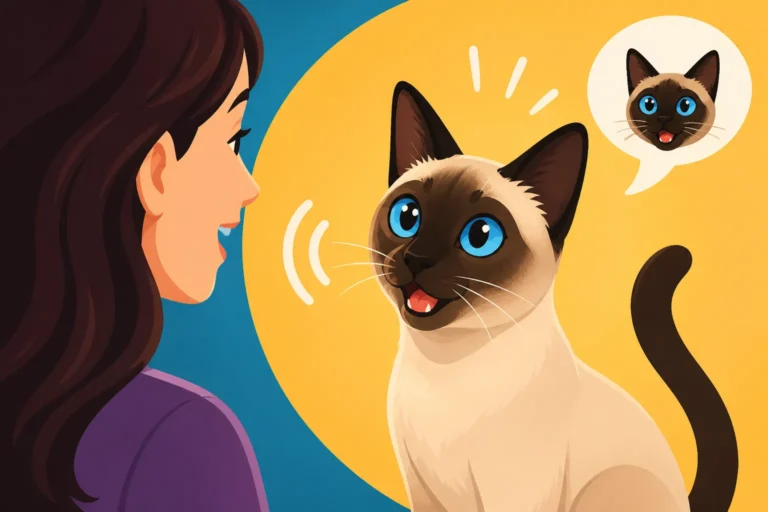
Their high energy and innate hunting instincts mean they'll be incredibly stimulated by the sights, sounds, and smells of the outdoors. This can be a huge positive, offering fantastic mental and physical exercise, but it also means they're prone to sudden darts, pounces, and trying to climb the nearest tree – sometimes while still attached to you! Their loud "meezer yowl" might also make an appearance if they're excited, frustrated, or simply commenting on the leaf they just sniffed. Remember, A Siamese Cat Will Not Be Ignored, and that includes when you're out and about.
The Siamese Cat's Natural Aptitude for Learning
Despite their strong-willed reputation, Siamese cats are remarkably intelligent and highly interactive, often described as having dog-like personalities. This inherent cleverness is a huge advantage when it comes to training. They thrive on mental stimulation and enjoy engaging with their humans, making them more receptive to learning new routines and cues than some other breeds. If you've ever seen a Siamese play fetch or learned a command, you know they're keen learners. You might be surprised by How Clever a Siamese Cat Is when you tap into their curiosity.
Their strong bond with their owners means they often want to be involved in whatever you're doing, even if it's initially a bit strange, like wearing a harness. This desire for interaction, combined with their natural curiosity and love for novelty, can make leash training a rewarding endeavor. It provides a unique form of Enrichment for a Siamese Cat That Gets Bored in an Hour, preventing the destructive behaviors that can sometimes stem from boredom in such an active and intelligent breed. The process might take time, but their sharp minds are certainly up to the challenge.
The Setup: Essential Gear and Harness Acclimation
Before you even think about stepping paw outside, having the right equipment and properly introducing it to your Siamese is non-negotiable. Trying to rush this stage will almost certainly lead to frustration for both of you.
Choosing the Right Harness for Your Siamese Cat
Forget about collars for leash walking; they're simply not safe for cats, who can easily slip out or injure their delicate throats. A proper harness is paramount. There are generally two main types you'll encounter:
- H-style harnesses: These have straps that go around the neck and behind the front legs, connected by a strap along the back. They're lightweight and offer good flexibility.
- Vest-style harnesses: These are wider, more secure fabric vests that distribute pressure more evenly across the chest and back.
For a sleek, flexible Siamese, a vest-style harness is often the safer bet, as they are notorious for wiggling out of H-style harnesses if not fitted perfectly. Look for one that's snug but not tight, allowing you to comfortably slip two fingers underneath. It should cover a good portion of their torso to prevent escape. Always measure your cat carefully according to the manufacturer's instructions. You can find a wide variety of well-regarded harnesses on platforms like Amazon, with options designed specifically for feline anatomy.
| Harness Type | Pros | Cons | Best For |
|---|---|---|---|
| H-Style | Lightweight, less restrictive, good for cats new to harnesses. | Easier for escape artists to slip out, less secure for strong pullers. | Very calm cats, indoor use, short acclimation. |
| Vest-Style | More secure, harder to escape, distributes pressure evenly, comfortable for longer wear. | Can be bulkier, some cats resist the feel of fabric over their body. | Energetic cats, outdoor adventures, escape artists. |
Introducing the Harness and Leash Gradually
This is where your patience truly comes into play. You can't just slap a harness on your Siamese and expect them to be thrilled. It's a foreign object, and their instinct might be to freeze, flop, or try to escape it.
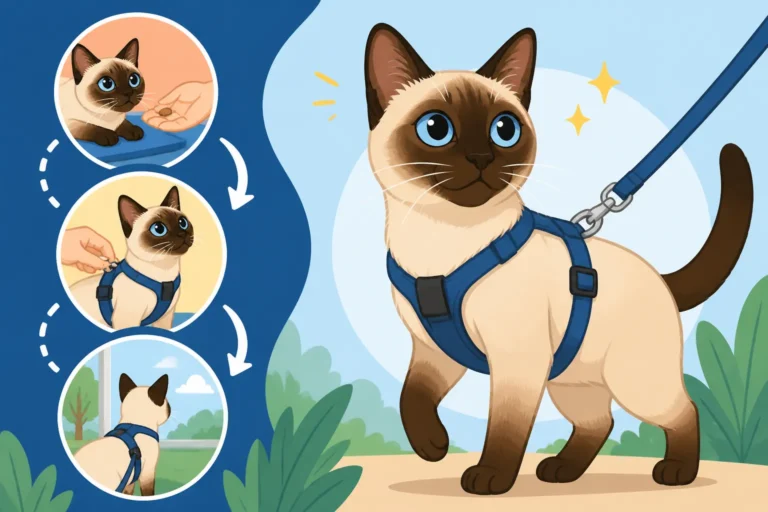
- Scent Introduction: Start by simply placing the harness near your cat's sleeping area or food bowl so they can investigate it at their leisure. Let it acquire their scent.
- Positive Association: After a few days, try gently putting the harness on for just a few seconds, immediately distracting them with a high-value treat or a favorite toy. Take it off quickly before they get stressed. Repeat this several times a day, gradually increasing the duration. The goal is for them to associate the harness with positive things.
- Wearing Indoors: Once your cat tolerates the harness for a minute or two, let them wear it for short periods (5-10 minutes) while supervised indoors. Play with them, give them treats, and praise them lavishly. Never leave them unattended in a harness, as they could get tangled.
- Leash Attachment: Once they're comfortable in the harness, attach the leash, but let them drag it around the house for a few minutes (again, supervised!). This gets them used to the feel and weight. You can even try picking up the leash and gently following them, offering treats as they move.
- Consistency: Do these short sessions regularly. Some cats might take days, others weeks, to become truly comfortable. Don't rush it; a negative early experience can set you back significantly.
Remember, the aim is to build positive associations. If your cat shows signs of stress (flattened ears, tail tucked, trying to hide), ease up and go back a step.
The Training Journey: From Indoor Steps to Outdoor Adventures
Once your Siamese is a harness-wearing pro indoors, it's time to build their confidence with the leash and eventually, the great outdoors.
Indoor Practice: Building Confidence and Cues
Before you even think about the outside world, use your home as your training ground. Attach the leash to the harness and let your cat lead. Follow them around your house, allowing them to explore every nook and cranny. Don't pull them; let them set the pace. When they move forward, offer verbal praise like "good walk!" and a treat. If they stop, wait patiently for them to resume.
You can start introducing simple cues here. When you want them to move, gently tug the leash before they're moving and say "let's go," immediately rewarding them when they take a step. This isn't about forced walking, but about creating a positive connection between leash movement and rewards. Your intelligent Siamese will quickly pick up on the pattern. They respond incredibly well to positive reinforcement and consistent signals, a trait that makes How Trainable a Siamese Cat Really Is so impressive.
Venturing Outside: Tips for Successful Outdoor Excursions
The first outdoor experiences should be carefully managed to ensure your Siamese feels safe and secure. The world outside is a sensory overload, and you want their initial reactions to be positive.
- Choose Your Location Wisely: Start in a quiet, contained area. Your own backyard or a secure, private patio is ideal. Avoid busy streets, dog parks, or areas with lots of strangers or loud noises initially. A catio can be a fantastic transition space, offering controlled outdoor exposure.
- Short and Sweet: Keep initial outdoor sessions very brief – just 5 to 10 minutes. The goal is positive exposure, not a marathon. As their confidence grows, you can gradually extend the time.
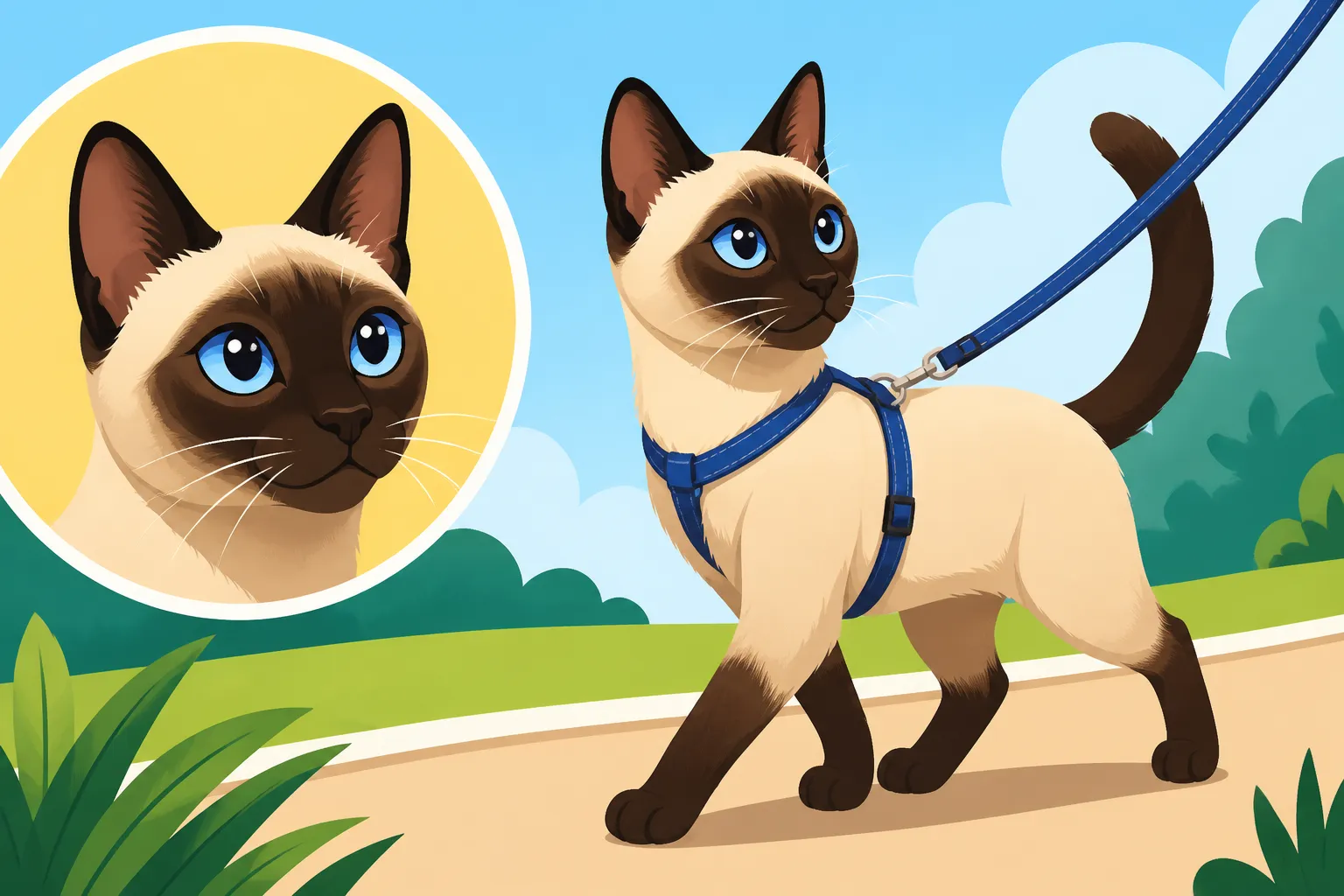
- Let Them Lead: This is crucial for cats. Unlike dogs, cats don't generally "walk" in a straight line. They explore. Let your Siamese sniff every blade of grass, investigate every bush, and decide where they want to go. You are simply there to ensure their safety and offer gentle guidance. Think of it as a guided sniffing tour for your cat.
- Observe and Protect: Be constantly aware of your surroundings. Look out for dogs, other animals, sudden loud noises, or anything that could startle your cat. If you see potential threats, pick up your cat and hold them securely. A well-fitted harness will prevent them from slipping away if they panic.
- Positive Reinforcement is Key: Bring treats! Reward curiosity, calm behavior, and any signs of enjoyment. Praise them often. You want them to associate outdoor time with happy, rewarding experiences.
- Consistency: Regular, positive outdoor experiences will build your cat's confidence. Try to go out around the same time each day if possible, to establish a routine. What a Siamese Cat's Temperament Is Really Like means they thrive on routine and predictability, which can make them feel more secure in new environments.
Remember that their highly developed senses will be in overdrive. New smells, the feel of different textures under their paws, the sounds of birds and rustling leaves – it's all incredibly stimulating. While it might look like they're just sniffing dirt, they're processing a wealth of information.
Overcoming Obstacles: Common Leash Walking Challenges
Even with the best intentions and preparation, you're bound to hit a few bumps in the road. Leash training a cat is rarely a perfectly smooth journey.
Dealing with Resistance and Fear
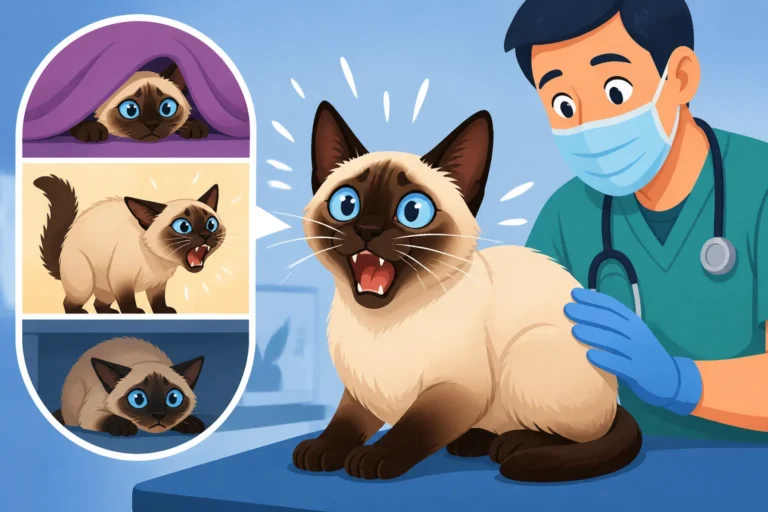
One of the most common issues is a cat who simply freezes, flops over, or refuses to move once the harness is on or once they step outside. This is usually a sign of fear or discomfort, not defiance.
- Go Back a Step: If your cat freezes outdoors, go back to practicing indoors. If they freeze indoors, revisit just wearing the harness without the leash, rewarding them heavily.
- Patience, Patience, Patience: Never drag or force your cat to move. This will only create negative associations and make future training harder. Simply stand still and wait. Offer a treat a little way in front of them to encourage movement.
- Identify the Trigger: Is it the harness itself, the leash, the door, or something specific outside? Pinpointing the fear can help you address it. Maybe the ground outside feels strange, or a particular noise scares them.
- Build Confidence: For a nervous cat, start with shorter durations and highly predictable environments. Consistency in safe, positive experiences will gradually build their confidence.
- Recall Practice: Even if your cat isn't walking on a leash, practicing recall indoors can be useful. Teaching them to come to you for a treat or a specific sound can be a lifesaver if they get startled outside. You might start by teaching How to Teach a Siamese Cat to Come with clicker training.
The Wandering and Distraction Factor
Siamese cats are intelligent, curious, and natural hunters. This means they're going to be incredibly distracted by everything the outdoors has to offer. A fluttering leaf, a distant bird, the scent of a rodent – all of these are far more interesting than walking in a straight line.
- Embrace Their Pace: Understand that your cat's "walk" is an exploration, not a brisk stroll. They will stop, sniff, and observe. Allow them this time. The purpose of leash walking for cats is enrichment, not exercise in the traditional sense.
- Gentle Redirection: If your cat is pulling relentlessly in one direction towards something potentially unsafe, use a gentle, consistent pressure on the leash to redirect them. Don't yank. A slight change in direction can often break their focus.
- Short Leash, Not Tight Leash: Keep the leash relatively short to maintain control, but not so tight that it's constantly pulling on their harness. This gives you quick response time if they bolt.
- Bring Toys: Sometimes a familiar toy can distract them from overstimulation or redirect their hunting instincts safely. A feather wand from Amazon can work wonders in a quiet spot.
- Plenty of Play Indoors: Ensure your Siamese is getting enough interactive play at home. A well-exercised cat, both physically and mentally, is often a calmer cat outdoors. How Much Play a Siamese Cat Needs is often more than owners expect, and this can impact their focus and energy levels outside.
Leash walking a Siamese cat is a journey of discovery for both of you. It's about respecting their natural instincts while providing safe, enriching experiences. With patience, the right gear, and a positive attitude, you can open up a whole new world for your clever, adventurous Siamese companion.
Disclaimer
This article is for general informational purposes only and does not constitute professional advice. Laws, prices and regulations vary by location and change over time. Consult a qualified professional for guidance on your specific situation.