What Triggers a Siamese Cat’s Asthma
It’s truly heart-wrenching to watch your beloved Siamese cat struggle for breath, their chest heaving, a silent cough racking their lean body. Asthma in felines can be a terrifying and confusing condition, often leaving owners feeling helpless as they try to pinpoint what exactly is causing their cherished companion such distress. This comprehensive guide will help you unravel the mystery of what triggers a Siamese cat's asthma, empowering you with the knowledge to create a safer, more comfortable environment for your furry friend.
Understanding Feline Asthma and Siamese Susceptibility
Feline asthma is a chronic inflammatory disease of the airways that affects cats of all breeds, but it seems to hit our vocal, beautiful Siamese friends with a particular unfairness. It’s not just a little cough; it’s a serious condition that can severely impact their quality of life if not properly managed. The frustration is real when you feel like you're doing everything right, yet your cat still has an attack.
What Feline Asthma Really Is
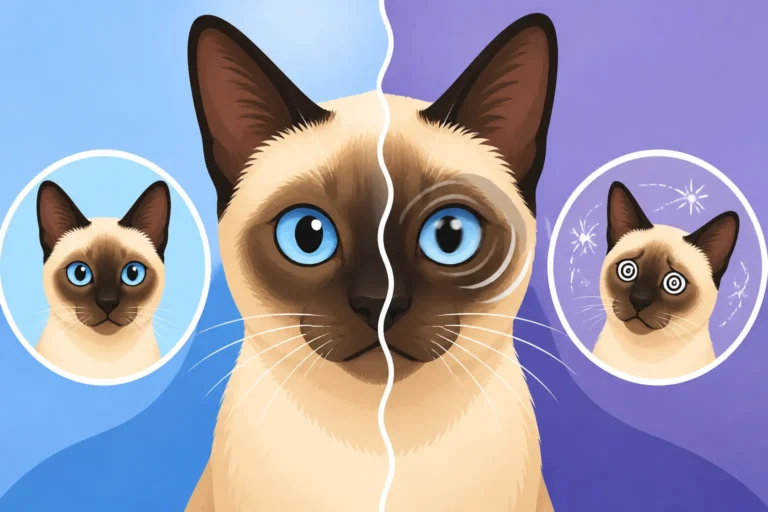
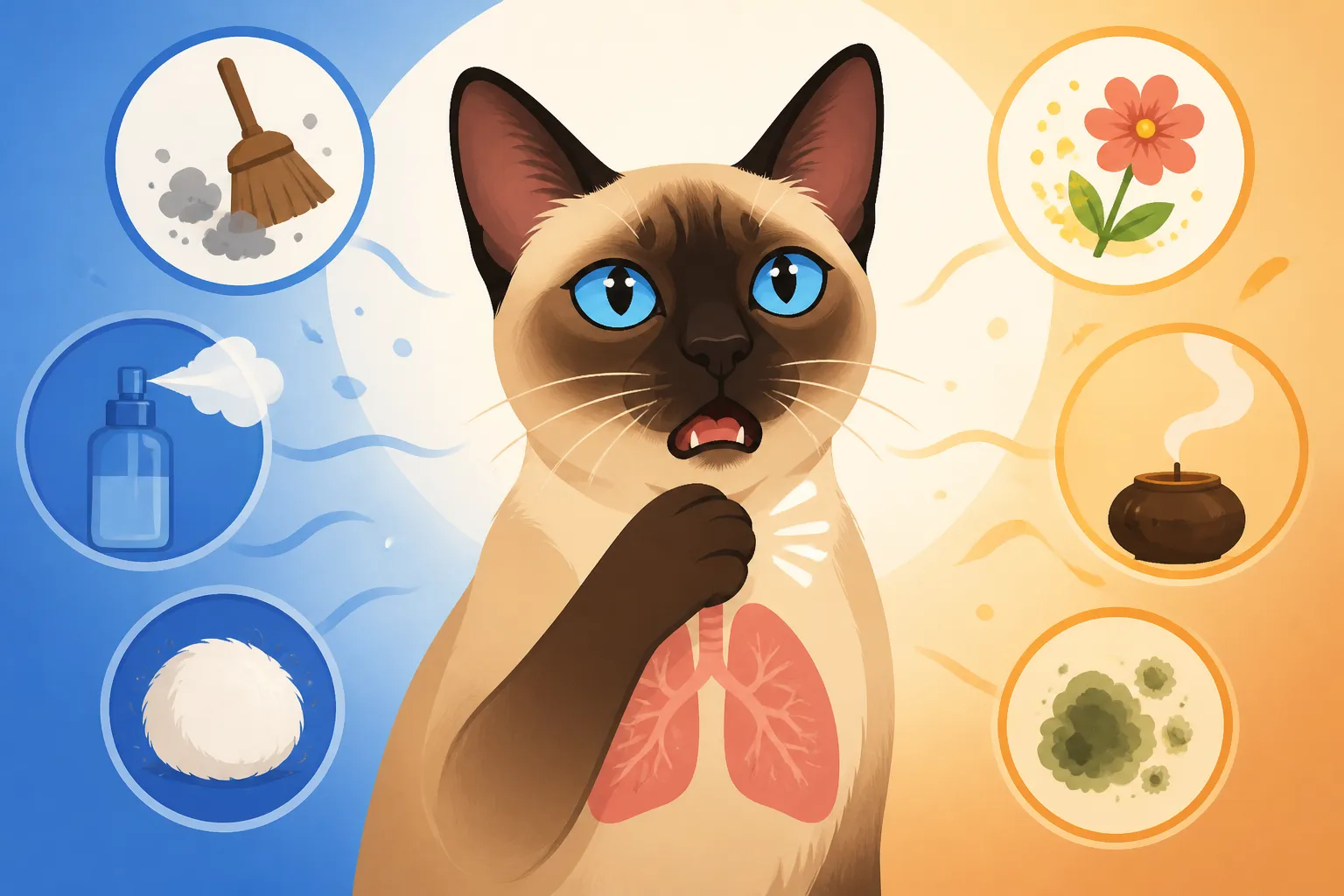
Imagine your own airways getting irritated, inflamed, and constricting, making it incredibly hard to draw a full breath – that’s essentially what happens to a cat during an asthma attack. The small airways in their lungs, called bronchi, become inflamed and swell, narrowing the passages. Then, muscle spasms around these airways tighten them further, and excessive mucus production clogs them up. It’s a triple whammy that leads to the classic asthma symptoms: coughing, wheezing, and labored breathing.
This isn't a sudden illness; it's usually an ongoing, persistent irritation. The cat's immune system overreacts to something in their environment, treating it as a threat. This constant state of low-grade inflammation makes their lungs hypersensitive, meaning even a tiny exposure to a trigger can set off a full-blown attack. For more details on this condition, you might find our article on Asthma in a Siamese Cat particularly helpful. It’s a tough road, but understanding the mechanics helps you tackle the problem head-on.
Why Siamese Cats Are Prone to Asthma
It feels like Siamese cats draw the short straw on so many health fronts, doesn't it? When it comes to asthma, there's a definite genetic predisposition at play. While the exact genetic markers are still being researched, it's widely observed by veterinarians and breeders alike that Siamese cats, along with closely related breeds like the Himalayan and Oriental Shorthair, have a higher incidence of feline asthma compared to the general cat population.
This isn't just anecdotal evidence; studies have pointed to this breed link. It suggests that there’s something in their genetic makeup that makes their respiratory systems more sensitive or more prone to developing the inflammatory response that defines asthma. Perhaps it's a difference in their immune system's reactivity or the structure of their airways. Whatever the precise biological reason, it means that if you own a Siamese, you need to be extra vigilant about potential triggers, as their risk factor is simply higher from the start. Knowing this can help you understand why your otherwise healthy Siamese might be struggling.
Common Environmental Culprits that Trigger Asthma
The air your Siamese cat breathes is filled with microscopic particles, and for an asthmatic cat, many of these can be potent triggers. It's often the things we take for granted in our homes that cause the most trouble. It's frustrating because these are often invisible enemies.
Airborne Allergens and Particulates
Our homes, as clean as we try to keep them, are often bustling ecosystems of tiny particles that can spell disaster for a sensitive feline respiratory system. Think about the daily grind: dust motes dancing in sunbeams, the fluff from bedding, or even the almost imperceptible dander from other pets.
- Dust Mites: These microscopic critters thrive in warm, humid environments, feasting on dead skin cells from both humans and pets. They love carpets, upholstery, bedding, and even those cozy cat beds. When an asthmatic Siamese inhales dust mite particles or their fecal matter, it can trigger an allergic reaction, leading to inflammation and an asthma attack. Regular vacuuming with a HEPA filter, washing pet bedding frequently in hot water, and using dust mite covers for your own mattress and pillows can make a significant difference. It’s a constant battle, but a necessary one.
- Pollen: Just like people, cats can be allergic to pollen from trees, grasses, and weeds. If your Siamese spends time on a screened porch, or if you bring pollen in on your clothes and hair after being outdoors, it can become an airborne irritant inside your home. Even a quick dash through an open window to chase a bug can expose them. Keeping windows closed during high pollen seasons and regularly wiping down surfaces can help reduce the indoor pollen load. A good air purifier, which we'll discuss later, can also be a game-changer.
- Other Pet Dander: If you have multiple pets—say, a dog, another cat, or even small caged animals—their dander can be a potent allergen. While Siamese cats often form strong bonds with other animals, those animal dander particles floating in the air can be a silent trigger for your asthmatic feline. Regular grooming of all pets, combined with frequent cleaning, is crucial to minimize this particular irritant.
- Mold Spores: Mold can grow in damp areas of your home, often unseen behind walls, under sinks, or in basements. When mold spores become airborne, they can be a severe trigger for respiratory issues, including asthma. Musty smells are a dead giveaway. Addressing any moisture problems promptly, like leaky pipes or poor ventilation, is paramount to prevent mold growth. Even a small patch of mildew in the bathroom could be impacting your cat.
It’s often a combination of these factors, making it hard to pinpoint just one culprit. The key is reducing the overall allergen load in your Siamese cat’s environment.
The Dangers of Smoke and Vapors
This one probably seems obvious, but the insidious nature of smoke and other airborne chemicals means they often go unnoticed or are underestimated in their impact.
- Cigarette and Vaping Smoke: This is a huge no-no for any cat, but especially one with asthma. Secondhand smoke contains thousands of chemicals, many of which are irritants and carcinogens. Even if you only smoke outdoors, residue can linger on your clothes, hair, and furniture, transferring to your cat when they brush against you or snuggle up. Vaping might seem less harmful, but the aerosols still contain irritants that can trigger an asthmatic attack. There’s really no safe level of smoke exposure for an asthmatic Siamese. The best course of action is to eliminate smoking or vaping entirely from the household.
- Fireplace Smoke and Candles: While a crackling fire might create a cozy ambiance for you, the particulate matter and smoke it releases into the air can be incredibly irritating to a cat’s delicate respiratory system. Even a well-maintained chimney isn't foolproof in preventing some smoke from entering your living space. Similarly, scented candles, even those labeled "natural," release microscopic particles and fragrances when burned, which can easily trigger an asthmatic episode. It’s a hard choice, but opting for flameless candles or alternative heating methods is often necessary for your cat’s well-being.
- Airborne Vapors from Cooking: Sometimes, even everyday activities like cooking can release irritants. High-heat cooking, especially frying, can produce fine particulate matter and grease vapors that can hang in the air and exacerbate asthma. Using your kitchen extractor fan diligently and ensuring good ventilation can help minimize these cooking-related triggers. Consider that delicious pan-fried salmon might be causing your Siamese to wheeze.
These airborne irritants are particularly problematic because they are inhaled directly into the lungs, causing immediate irritation and inflammation. Your Siamese cat relies on you to be their protective barrier against these unseen threats.
Household Products and Chemical Irritants
Beyond what floats naturally in the air, many of the products we use daily, from cleaning sprays to the litter in their box, can silently sabotage an asthmatic cat's health. It’s a tough realization that the very things we use to keep our homes clean or pleasant can be harmful to our pets.
The Problem with Fragrances and Aerosols
We love our homes to smell fresh and clean, but those lovely scents often come with a hidden cost for our sensitive felines.
- Air Fresheners and Scented Plug-ins: These are among the most common culprits. While they might make your home smell like a summer meadow or a pine forest, they release volatile organic compounds (VOCs) and other chemicals into the air that are direct irritants to a cat's respiratory system. Even if you don't directly spray them near your cat, the particles disperse throughout the house. Many cat owners have noticed a direct correlation between introducing a new plug-in air freshener and an increase in their Siamese cat's asthma symptoms. It’s best to avoid them entirely in a household with an asthmatic cat.
- Scented Cleaning Products and Laundry Detergents: From floor cleaners to bathroom sprays, many cleaning products contain strong fragrances and harsh chemicals. When you spray these, they become airborne and can easily be inhaled. Even the residue left on surfaces can off-gas these chemicals. Similarly, scented laundry detergents and fabric softeners can leave chemical residues on blankets, towels, and even your clothes – items your cat frequently interacts with. Switching to unscented, natural cleaning products and laundry detergents, such as those free of dyes and perfumes, can make a world of difference. Companies like Seventh Generation or Mrs. Meyer's Clean Day offer good unscented options.
- Hair Sprays, Perfumes, and Deodorants: Think about your morning routine. A quick spritz of hairspray or perfume might seem harmless, but those fine aerosolized particles can travel. Your cat is often right there with you, observing from the bathroom counter or floor. These products, packed with fragrances and chemical propellants, can instantly irritate a cat’s delicate airways. It's not just about direct spraying; the lingering scent and particles can be enough. Try to apply these products in a different room away from your cat, or even better, switch to roll-on or solid perfumes and unscented hair products.
It’s about rethinking what "clean" or "fresh" truly means in a cat-friendly home. Often, less is more when it comes to chemicals and strong scents.
Litter Box Woes
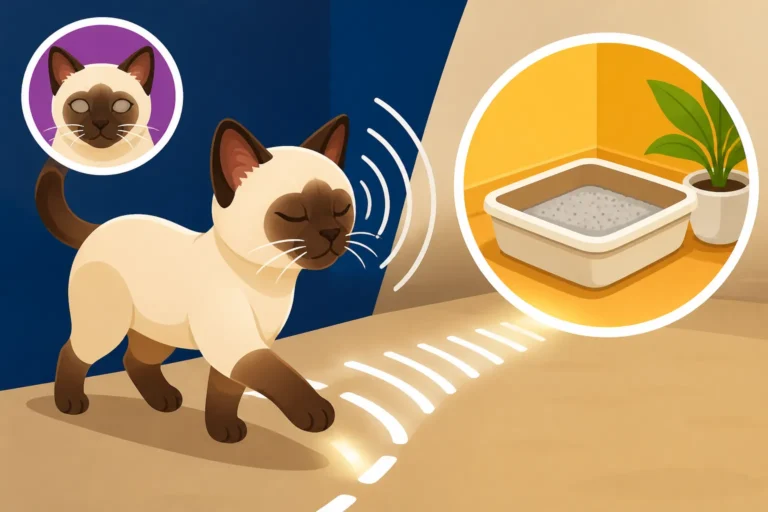
The humble litter box, a necessity for indoor cats, can be a major source of asthma triggers, particularly the dust and fragrances associated with conventional litters. It's a daily exposure that can slowly chip away at your Siamese's respiratory health.
- Dust from Clay Litters: Traditional clay litters, especially the clumping varieties, are notorious for creating a cloud of fine dust when scooped or when your cat digs. This dust, laden with silica, can be a significant irritant when inhaled. Imagine breathing in fine sand particles day in and day out – it’s a recipe for respiratory distress. Many owners notice their cat coughing more after using the litter box. This constant low-level irritation can trigger or worsen asthma.
- Scented Litters: Just like scented air fresheners, scented litters are designed to mask odors, but they do so by releasing perfumes and chemicals into the air. These fragrances are powerful irritants for a cat's sensitive nose and lungs. While you might appreciate the "fresh linen" smell, your asthmatic Siamese is likely struggling with every breath they take near it. It's a classic example of human preference inadvertently harming our pets.
- Alternative Litters for Asthmatic Cats: The good news is there are plenty of low-dust, unscented alternatives available. Options like pine, paper, corn, or even certain silica gel litters produce significantly less dust. Brands like World's Best Cat Litter (corn-based) or Yesterday's News (paper-based) are often recommended. Switching to a low-dust, unscented litter is one of the easiest and most impactful changes you can make to reduce triggers for your asthmatic Siamese. You can delve deeper into this specific topic in our guide Which Litter Suits an Asthmatic Siamese Cat.
Making the switch might take some adjustment for your cat, but their improved breathing will be worth it. Consider gradually introducing the new litter mixed with the old to ease the transition.
Less Obvious Triggers and Management Strategies
While environmental and chemical irritants are often the main culprits, there are other, less common, or often overlooked factors that can play a role in triggering or exacerbating feline asthma. And just as important as identifying triggers is knowing how to manage them.
Stress and Other Internal Factors
It's easy to focus on external factors, but our cats are complex creatures, and their emotional well-being can directly impact their physical health.
- Emotional Stress and Anxiety: Just like in humans, stress can weaken the immune system and exacerbate inflammatory conditions in cats. A Siamese cat, known for its deep attachment to its humans and its need for routine, can become highly stressed by changes in the household. This could be anything from a new pet, a move to a new home, a change in work schedule for their favorite human, or even conflict with another cat. Signs of stress might include overgrooming – a condition sometimes referred to as Psychogenic Alopecia in a Siamese Cat – changes in appetite, or increased vocalization. When a cat is stressed, its body releases hormones that can increase inflammation, potentially triggering an asthma attack. Creating a stable, predictable, and enriching environment can help reduce stress levels. This might involve maintaining a consistent feeding and play schedule, providing plenty of vertical space for climbing, and ensuring quiet retreats where they can feel safe.
- Respiratory Infections: Sometimes, what appears to be an asthma flare-up might actually be triggered or worsened by a concurrent respiratory infection, such as a feline herpesvirus or calicivirus. While these infections are typically acute, they can leave the airways inflamed and more susceptible to asthmatic reactions even after the infection has cleared. A veterinarian might prescribe antibiotics or antiviral medications to treat the underlying infection, which in turn could help manage asthma symptoms. It’s a vicious cycle where one condition can feed into the other, making proper diagnosis even more critical.
- Dietary Allergies (Less Common): While far less common than airborne allergens, some cats can develop sensitivities or allergies to certain ingredients in their food. This can sometimes manifest as skin issues or gastrointestinal upset, but in rare cases, it might contribute to respiratory inflammation or asthma. If you've eliminated all other common triggers and your Siamese cat is still struggling, your vet might suggest a food elimination trial using a novel protein or hydrolyzed diet to see if a dietary trigger is at play. This is usually a last resort, as the process can be lengthy and challenging, but it's important not to rule out any possibility when dealing with persistent asthma.
Understanding the full picture of your cat's health, including their emotional state, is crucial for effective asthma management.
Proactive Management and Prevention
Identifying triggers is the first step, but proactive management is what truly makes a difference in improving your Siamese cat's quality of life. This involves a combination of environmental control, diligent cleaning, and consistent veterinary care.
- Improving Air Quality with Purifiers: An excellent way to combat airborne allergens and particulates is to invest in a high-quality air purifier with a HEPA filter. These devices can trap microscopic particles like dust mites, pollen, dander, and mold spores, significantly reducing the allergen load in your home. Placing one in the rooms where your cat spends the most time, especially where they sleep, can be incredibly beneficial. Brands like Coway or Levoit often receive good reviews for pet households. You might be surprised at What an Air Purifier Costs a Siamese Cat Household and how affordable and impactful this investment can be.
- Regular and Thorough Cleaning: Consistent cleaning is non-negotiable for an asthmatic cat. This means frequent vacuuming (with a HEPA filter vacuum cleaner), wet mopping floors, and wiping down surfaces to remove dust and dander. Don't forget to wash pet bedding, curtains, and throw blankets regularly. Using unscented, pet-safe cleaning products is essential, and it’s always a good idea to air out the house and keep your cat out of the cleaned area until everything is dry and settled.
- Veterinary Care and Medication: Despite all your best efforts to minimize triggers, some Siamese cats will still require medication to manage their asthma. This often involves corticosteroids to reduce inflammation and bronchodilators to open up constricted airways. These medications are typically administered via an inhaler and a special feline-specific spacer, making it a very effective way to deliver the medication directly to the lungs with minimal systemic side effects. Regular check-ups with your vet are essential to monitor your cat’s condition and adjust medication as needed. For insights into the medical side, check out How a Siamese Cat's Asthma Is Treated and get a better picture of the options available.
- Financial Planning for Ongoing Care: Managing a chronic condition like asthma can involve ongoing costs for medications, veterinary visits, and diagnostic tests. While the initial diagnosis might involve X-rays to confirm the condition and rule out other issues like heart disease, the long-term care can also add up. It's a reality many pet owners face, and having a plan in place can ease the burden. Many owners find that a good pet insurance policy, such as those offered by Healthy Paws, can be an absolute lifesaver. Knowing that a significant portion of treatment costs for conditions like asthma will be covered can bring immense peace of mind. For a more detailed breakdown of costs, you can read our article on Budgeting for a Siamese Cat's Asthma Inhaler. Having that support from a provider like Healthy Paws means you can focus on your cat's health without the added financial strain.
Here's a quick summary table of common triggers and what you can do about them:
| Trigger Category | Specific Triggers | Prevention & Management |
|---|---|---|
| Airborne Allergens | Dust mites, pollen, pet dander, mold spores | Dust Mites: Regular vacuuming with HEPA filter, wash bedding in hot water, use dust mite covers. Pollen: Keep windows closed during high season, wipe surfaces, use air purifier. Pet Dander: Regular grooming of all pets, frequent cleaning. Mold Spores: Address moisture issues, improve ventilation. |
| Smoke & Vapors | Cigarette/vaping smoke, fireplace smoke, scented candles, cooking fumes | Cigarette/Vaping: Eliminate smoking/vaping indoors entirely; if unavoidable, do it strictly outdoors and change clothes. Fireplace/Candles: Avoid use, consider flameless alternatives. Cooking Fumes: Use extractor fan, ensure good ventilation. |
| Household Chemicals | Air fresheners, scented cleaning products, scented litters, aerosols | Fragrances: Avoid all air fresheners, plug-ins, scented candles. Cleaning Products: Switch to unscented, natural, pet-safe cleaners and laundry detergents. Litter: Use low-dust, unscented litter (e.g., pine, paper, corn). Ensure good ventilation around litter boxes. |
| Other Factors | Stress, respiratory infections, dietary allergies (rare) | Stress: Maintain routine, provide enrichment, ensure quiet retreats, address household changes calmly. Infections: Seek prompt vet care for any signs of respiratory illness. Dietary: Discuss with vet for elimination trial if all other triggers ruled out. |
It might seem overwhelming at first, but tackling these triggers one by one can make a profound difference. Your Siamese cat relies on you to be their advocate, and with careful attention to their environment and consistent veterinary support, they can live a much more comfortable and happy life, even with asthma. Understanding these triggers is key to giving them that freedom to breathe.
Disclaimer
The information provided in this article is for general informational purposes only and is not a substitute for professional veterinary advice. Always consult with a qualified veterinarian for any health concerns or before making any decisions related to your pet's health and treatment.