What a Siamese Cat Weighs
It can be incredibly confusing to know if your beloved Siamese cat is at a healthy weight. They're naturally lean, often feeling bony to the touch, and it's easy to worry if they're too thin compared to other cat breeds you might be familiar with. This comprehensive guide will help you understand the typical weight range for Siamese cats, identify factors that influence their size, and recognize the signs of both underweight and overweight issues, so you can ensure your Meezer lives a long, healthy life.
Understanding the Typical Siamese Cat Weight Range
Siamese cats have a distinct body type that sets them apart from many other domestic breeds. They're often described as sleek, elegant, and muscular, rather than bulky or stocky. This unique physique means their healthy weight range is generally lower than what you might expect for an average house cat. Owners frequently ask Why a Siamese Cat Feels Bony because their frame is so slender.
The "Lean and Lithe" Standard
The breed standard for Siamese cats emphasizes a long, svelte body with fine bones and firm muscles. They're built for agility and grace, not for carrying extra padding. When you run your hand along a healthy Siamese, you should easily feel their ribs, spine, and hip bones, but these shouldn't be sharply protruding. It's a fine line between "lean and lithe" and "too thin," and understanding this distinction is crucial. Many first-time Siamese owners are surprised by just how delicate their cats feel, especially if they're used to more robust breeds. This slender build contributes to their energetic nature and fluid movement, allowing them to explore and play with great dexterity.
Average Weight for Adult Males and Females
Generally speaking, adult male Siamese cats tend to be a bit larger and heavier than their female counterparts, though the difference isn't as dramatic as in some other breeds.
- Males: A healthy adult male Siamese typically weighs between 8 to 12 pounds (approximately 3.6 to 5.4 kg).
- Females: Adult female Siamese cats usually fall into the 6 to 10 pound (approximately 2.7 to 4.5 kg) range.
It's important to remember that these are averages. Individual cats can vary based on their specific lineage, diet, and activity level. Some larger boned males might be closer to the upper end, while petite females could be on the lower end, and both could still be perfectly healthy. The key is to assess their body condition rather than just the number on the scale. For more about their physical characteristics, you might want to read What a Siamese Cat Looks Like by the Standard.
Here’s a quick overview of average healthy weights:
| Category | Weight Range (lbs) | Weight Range (kg) |
|---|---|---|
| Adult Male | 8 – 12 | 3.6 – 5.4 |
| Adult Female | 6 – 10 | 2.7 – 4.5 |
| Siamese Kitten | 1 – 5 (variable) | 0.45 – 2.2 (variable) |
Factors Influencing a Siamese Cat's Weight
A Siamese cat's weight isn't static; it's a dynamic measurement influenced by several key factors throughout their life. Understanding these can help you better manage their health and nutrition.
Age and Developmental Stages
A kitten's weight journey is quite different from that of a senior cat. Siamese kittens grow rapidly, and their weight will increase steadily over their first year. They typically reach their full adult size and weight between 12 and 18 months, though some may continue to fill out slightly until two years of age. As they mature, their energy levels usually remain high, helping them maintain their lean physique. However, as Siamese cats enter their senior years, typically after the age of 12, their metabolism might slow down, or they might experience muscle loss. This can lead to subtle weight shifts that need careful monitoring. The Age a Siamese Cat Is Considered Senior provides more insight into this life stage.
For instance, a tiny 8-week-old kitten might only weigh a couple of pounds, while a year-old cat could be hitting its adult weight of 8-10 pounds. This natural progression means you shouldn't compare a young kitten's weight to an adult's, nor should you expect an older cat to maintain the exact same muscle mass as it had in its prime. Regular veterinary check-ups are especially important during these transitional phases to ensure healthy development and to catch any age-related weight changes early.
Diet and Activity Levels
It almost goes without saying, but what your Siamese eats and how much they move directly impacts their weight. Siamese cats are known for their high metabolism and boundless energy. They're often described as "burning everything off," which contributes to their naturally slender appearance. A diet rich in high-quality protein, essential fats, and balanced nutrients is crucial for supporting their active lifestyle and maintaining muscle mass. Poor nutrition, either from low-quality food or insufficient calories, can lead to unhealthy weight loss, while overfeeding, even with their high metabolism, can eventually lead to them becoming overweight, especially if their activity decreases.
Beyond diet, their activity level is paramount. These cats are incredibly intelligent and active, thriving on regular play, exploration, and interaction. A sedentary Siamese is a rare sight, and a bored Siamese is often a destructive one. Providing ample opportunities for exercise, whether through interactive toys, cat trees for climbing, or even leash training, helps keep their metabolism revving and muscles toned. A cat that spends its day lounging and eating without much stimulation is more prone to weight gain, even a Siamese. Consider adding puzzle feeders from places like Chewy to engage their minds and slow down their eating, contributing to better weight management and mental stimulation. You might find How Much Play a Siamese Cat Needs to be a helpful resource.
Genetics and Body Type
Genetics play a significant role in determining your Siamese cat's inherent body type and their predisposition to certain weights. The breed standard itself calls for a sleek, muscular body, which is a genetic trait passed down through generations. Some Siamese may naturally have a slightly more delicate bone structure, while others might be a bit more robust within the breed's parameters. This genetic blueprint sets the stage for their healthy weight range.
Furthermore, the ongoing discussion and evolution of the Siamese breed's physical characteristics, particularly regarding head shape and body type, can also subtly influence perceived "ideal" weights. The modern "wedge-head" Siamese tends to be very fine-boned and slender, while the more traditional "apple-head" or "old-style" Siamese might have a slightly rounder, more substantial build, though still lean. This difference in body composition means that a healthy weight for one might look slightly different for another, even within the broad "Siamese" category. Therefore, what a particular Siamese cat weighs can sometimes be influenced by whether they align more with the traditional or modern body types.
When a Siamese Cat's Weight Becomes a Concern
While Siamese cats are naturally lean, there's a point where "lean" crosses into "unhealthy," or when a slight plumpness turns into a genuine health risk. Being vigilant about your cat's body condition can help you intervene early if there's a problem.
Recognizing Underweight Signs
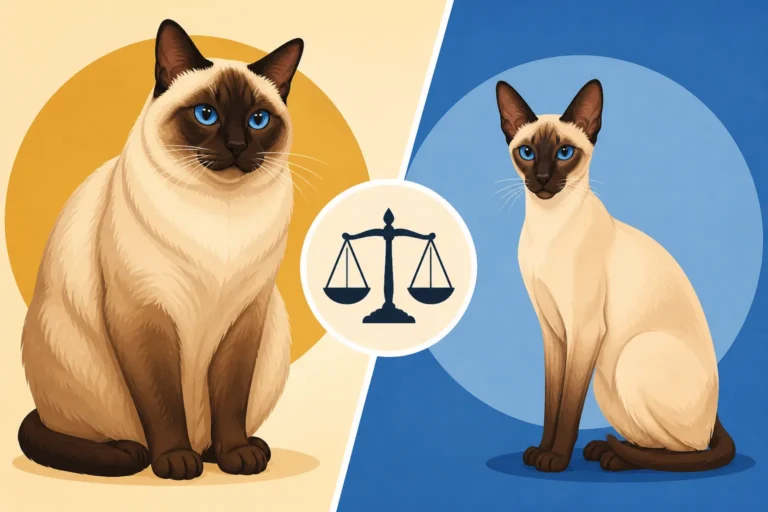
An underweight Siamese cat will exhibit more than just prominent bones. If their ribs, spine, or hip bones are not just easily felt but also visibly sharp, and there's no fat padding whatsoever, it's a red flag. Their abdomen might appear severely tucked up, and their overall musculature could look wasted or diminished. You might also notice their coat becoming dull, or they might seem lethargic, despite the breed's typically high energy. Persistent vomiting or diarrhea, decreased appetite, or changes in eating habits could all contribute to unhealthy weight loss.
It's essential to rule out underlying medical issues if your Siamese is losing weight without an obvious reason (like a recent diet change). Conditions such as hyperthyroidism, dental disease (making eating painful), or gastrointestinal problems can all lead to a cat becoming dangerously thin. If you notice these signs, a vet visit is imperative to get to the root of the problem and formulate a plan to help your cat regain a healthy weight. Knowing How to Tell If a Siamese Cat Is Too Thin can guide your initial assessment.
Identifying Overweight Tendencies
While less common due to their high metabolism, a Siamese cat can absolutely become overweight. You'll know your Siamese is carrying too much weight if you can no longer easily feel their ribs without pressing, or if there's a noticeable layer of fat over their spine and hips. Their waistline might disappear, and their belly could appear saggy or rounded, rather than tucked. You might observe a decrease in their energy levels, less willingness to jump or play, and a general lack of agility.
Being overweight carries significant health risks for any cat, including Siamese. It can exacerbate existing joint issues, increase the risk of diabetes, heart disease, and liver problems. Even a few extra pounds on a small-framed Siamese can put undue stress on their body. If you suspect your Siamese is gaining too much weight, a conversation with your vet about diet and exercise is crucial. This is particularly important for older cats whose activity levels naturally decrease. We discuss this more in Whether a Siamese Cat Can Become Overweight.
The Role of Underlying Health Conditions
Weight changes, whether loss or gain, are often the first noticeable symptoms of underlying health issues in cats. For Siamese cats, specific breed predispositions mean extra vigilance is warranted. For example, hyperthyroidism is a condition often seen in older cats, which can cause significant and rapid weight loss despite a ravenous appetite. Conversely, conditions like heart disease, though less directly linked to weight gain, can lead to reduced activity, which can then contribute to weight gain if diet isn't adjusted.
Other problems like dental disease can make it painful for a cat to eat, leading to weight loss. Kidney disease, also more common in older Siamese, can cause a gradual decline in appetite and subsequent weight loss. Even chronic stress can sometimes lead to weight loss due to reduced appetite or increased activity (like pacing). If your Siamese experiences unexplained weight fluctuations, especially when paired with other behavioral or physical changes, it's critical to consult your veterinarian. They can perform diagnostic tests to identify any hidden medical problems, ensuring your beloved companion gets the necessary treatment. Understanding Which Health Tests a Siamese Cat Breeder Runs can give you an idea of preventative measures.
Maintaining a Healthy Weight for Your Siamese
Ensuring your Siamese cat maintains a healthy weight is a cornerstone of their overall well-being. It involves a balanced approach focusing on diet, exercise, and regular professional oversight.
Choosing the Right Food and Portions
Given their active nature and high metabolism, Siamese cats generally thrive on a diet rich in high-quality protein. Look for cat foods where meat is the primary ingredient, and avoid those with excessive fillers or by-products. Wet food is often recommended as it provides essential hydration and can be less calorie-dense by volume than dry kibble, helping with satiety. When deciding which food suits a Siamese cat, consider their age, activity level, and any specific health needs. Brands available on Chewy often offer excellent options with high protein content and limited fillers, making it easier to find suitable choices.
Portion control is absolutely vital. Even if your Siamese seems to burn through calories, overfeeding can still lead to weight issues. Follow the feeding guidelines on your cat food packaging, but remember these are often general recommendations. Your vet can provide a more tailored caloric intake based on your cat's specific ideal weight and activity. Consider using a measuring cup for consistency, and if your cat tends to gobble their food, a slow feeder can help regulate their intake and prevent digestive upset. For more detail, refer to How Many Calories a Siamese Cat Needs a Day.
Encouraging Exercise and Play
Siamese cats are not couch potatoes; they are bundles of energy and intelligent curiosity. To maintain their lean physique and mental sharpness, consistent exercise is paramount. Dedicate at least two to three short play sessions daily using interactive toys like wand toys, laser pointers (used carefully to avoid frustration), or even puzzle toys that dispense treats. These types of play mimic hunting behaviors, providing both physical and mental stimulation. Cat trees, shelves, and catios are also excellent ways to encourage climbing and exploration, giving them vertical space to exert themselves.
If your Siamese is particularly outgoing, consider harness and leash training for supervised outdoor adventures, which can be incredibly enriching. A bored Siamese is more likely to engage in destructive behaviors or become lethargic, contributing to potential weight gain. Regularly rotating toys and introducing new challenges will keep them engaged and active, helping to burn calories and maintain strong muscles. Don't underestimate the power of simply talking and interacting with your Siamese; their intelligent minds crave engagement, and a playful owner is their best exercise buddy. Which Toys a Siamese Cat Actually Uses can help you pick the right enrichment tools.
Regular Veterinary Check-ups and Monitoring
Consistent veterinary care is non-negotiable for maintaining your Siamese cat's optimal weight and overall health. During annual wellness exams, your vet will perform a thorough physical assessment, including evaluating your cat's body condition score. This score is a more accurate indicator of healthy weight than a number on the scale alone, as it considers their unique build. Your vet will also weigh your cat and track any changes over time, which can flag potential issues early.
These check-ups are also an opportunity to discuss your cat's diet, exercise routine, and any changes in their behavior or appetite. Your vet can recommend specific food formulations, advise on portion sizes, and suggest ways to increase activity if needed. They can also screen for common Siamese health issues that might impact weight, such as hyperthyroidism or dental disease. For instance, if you're concerned about Dental Disease in a Siamese Cat, your vet can check their teeth and gums, as pain in the mouth can lead to decreased eating and weight loss. Early detection and intervention are key to preventing minor weight fluctuations from becoming serious health problems.
Common Misconceptions About Siamese Cat Weight
There are quite a few myths and misunderstandings floating around about Siamese cats, and their weight is definitely one of them. Let's clear up some of these common misbeliefs to help you better understand your feline friend.
The "Siamese are Always Skinny" Myth
While it's true that Siamese cats are naturally lean and have a svelte build, the idea that they must be skinny to be healthy is a dangerous oversimplification. "Skinny" often implies underweight or malnourished, which is absolutely not the goal. A healthy Siamese cat should be lean, but not emaciated. You should be able to feel their ribs and spine easily under a thin layer of muscle and skin, but they shouldn't protrude sharply or be visible without close inspection. There should be a defined waist, and a slight abdominal tuck.
The misconception probably stems from comparing them to more robust, heavier-boned cat breeds, where feeling ribs might indicate a problem. For a Siamese, it's normal. However, if your Siamese is genuinely underweight, showing signs like visible ribs and hip bones, lack of muscle definition, or lethargy, then "skinny" has crossed into an unhealthy territory. It's about proportion and body condition, not just a number on the scale, which we discussed earlier in Why a Siamese Cat Feels Bony. Always aim for a healthy lean, not a dangerously skinny appearance.
Comparing Siamese to Other Breeds
It's nearly impossible to accurately assess a Siamese cat's healthy weight by comparing them to, say, a Maine Coon or even a Domestic Shorthair. These breeds have fundamentally different body types, bone structures, and genetic predispositions. A Maine Coon, for example, is naturally a large, heavily boned cat, and their healthy weight range is significantly higher. A Siamese cat that weighed as much as a healthy Maine Coon would be morbidly obese.
Even within "domestic cats," there's a huge spectrum. Many common house cats are mixed breeds with a stockier build, making a Siamese look positively delicate in comparison. This difference in physique is why the body condition score, which assesses fat reserves and muscle mass relative to their frame, is a much more valuable tool than simply looking at the number on the scale or comparing them to the chunky tabby next door. Focus on what is healthy for a Siamese, taking into account their unique breed characteristics and a generally high metabolism that helps keep them naturally slender.
The Impact of Traditional vs. Modern Body Types
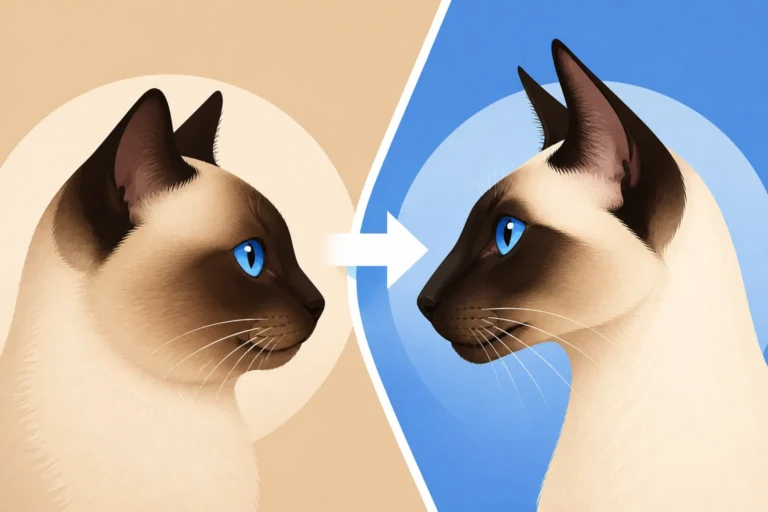
The Siamese breed has evolved quite a bit in appearance over the last century, leading to different body types often categorized as "traditional" (or apple-head) and "modern" (or wedge-head). This distinction can slightly influence perceived healthy weights and body composition.
The modern wedge-head Siamese, which is most commonly seen in show rings today, is characterized by an extremely slender, elongated body, long legs, a whip tail, and a distinctive wedge-shaped head. These cats are bred for extreme fineness of bone and musculature, and as such, their healthy weight will typically be on the lower end of the Siamese spectrum, often appearing very delicate. They are the epitome of the "lean and lithe" standard.
In contrast, the traditional or apple-head Siamese often has a slightly broader, more rounded head, a less extreme body length, and a somewhat stockier, though still athletic, build. While still lean, they might carry a bit more substance or feel more robust than their wedge-head counterparts. Their healthy weight might be a pound or two higher than a modern Siamese of the same height, simply due to their different bone structure and muscle mass. Neither is inherently "better" or "healthier" from a weight perspective, but understanding these differences is key to accurately assessing your individual cat. A traditional Siamese might weigh What an Applehead Siamese Cat Looks Like which is a bit different from What a Modern Wedge Siamese Cat Looks Like. The main thing is that both should be proportional and well-muscled for their specific build.
Disclaimer
This article is for general informational purposes only and does not constitute professional advice. Laws, prices and regulations vary by location and change over time. Consult a qualified professional for guidance on your specific situation.